
Ascites in dogs: symptoms and treatment
The peritoneum of humans and many animals contains a small amount of transudate—a fluid that acts as a shock absorber for internal organs, protecting them from shock and impact. Ascites, or dropsy, is a condition in which the amount of this fluid exudate is so large that it compresses the organs, impairing their function. Ascites in dogs is most often a symptom of a serious illness and can be fatal. This condition requires an immediate visit to a veterinarian.
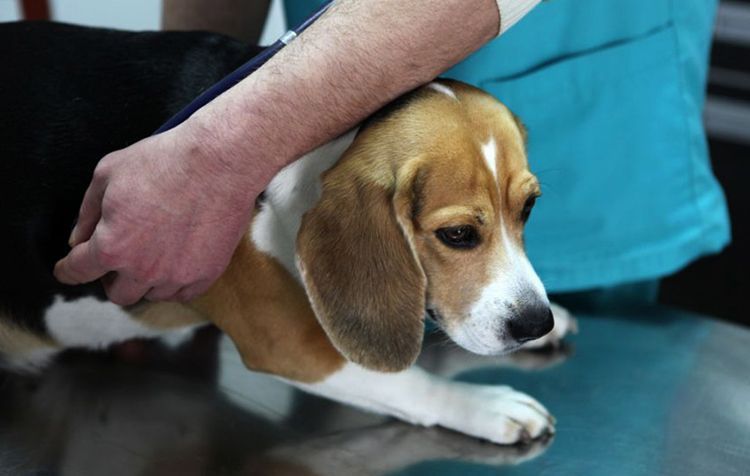
Reasons for development
Excess fluid within a dog's peritoneum can accumulate for various reasons: due to the leakage of liquid blood or lymph through the walls of blood vessels, impaired blood flow through the hepatic or caudal veins, an imbalance in water-salt metabolism, or stagnation.
Diseases that can trigger the development of dropsy include:
- Closed peritoneal injuries (bruises, concussions). In this case, transudate leaks from damaged blood and lymphatic vessels.
- PeritonitisA life-threatening condition in which fluid buildup causes inflammation of the lining of the peritoneum.
- Hypoalbuminemia (low blood albumin levels). Changes in the protein composition of the blood serum lead to tissue swelling and vascular effusion.
- Liver pathologies. Ascites in cirrhosis or liver degeneration due to severe obesity is caused by increased pressure in the venous system due to excess sodium ions and water in the body.
- Kidney disease. Weak kidneys are unable to process and eliminate urine, which leads to the development of ascites.
- Severe heart failure. The cause of dropsy is blood stagnation, which causes its liquid components to leak from the vessels into the abdominal cavity.
- Malignant or benign neoplasms. Tumors of any etiology located in the abdominal cavity are very often accompanied by impaired lymphatic drainage, which causes some lymph to be "squeezed" out of the vessels into the peritoneal cavity.
- Excess sodium or calcium in the animal's diet. The causes of abdominal dropsy are the same as those for liver pathologies—an imbalance of water and salts.
- Extensive helminthic infestations. Certain types of helminths, particularly liver worms, can cause ascites in dogs.
Symptoms
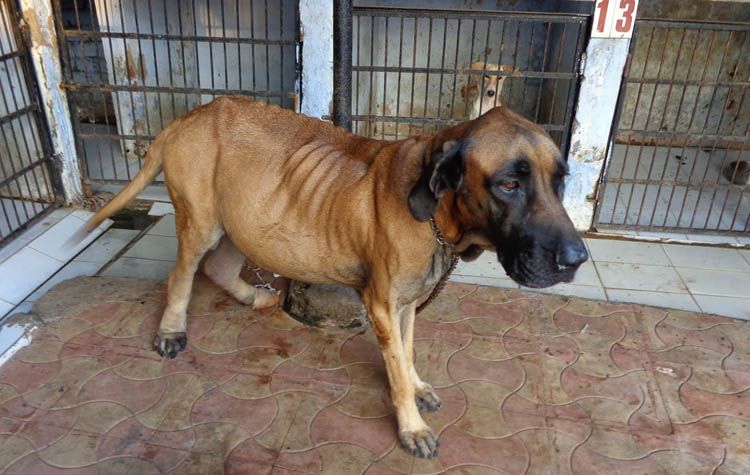
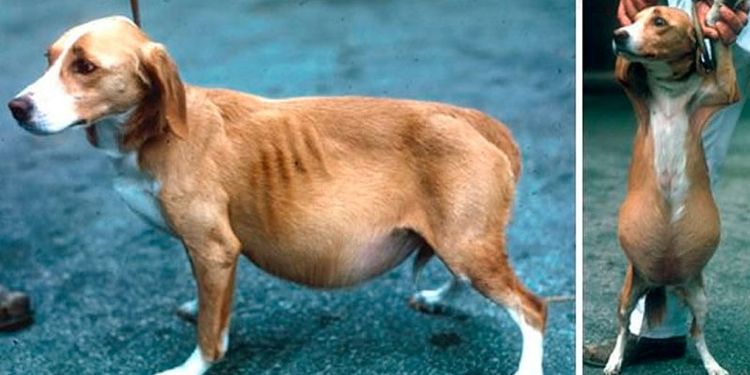
Although a dog's abdomen can swell with pregnancy, obesity, or flatulence, it's easy to identify ascites. When the dog's position changes, the ascites abdomen "sags" like a water bubble, in the direction of the body's displacement. If the dog is lifted by the hind legs, the abdomen takes on a pear-shaped form.
Other symptoms of ascites may include:
- severe shortness of breath even with little physical exertion;
- tachycardia (rapid pulse);
- loss of activity;
- the dog moves slowly and carefully, as if afraid to shake the stomach full of transudate, sits in a forced, uncomfortable position;
- loss of appetite;
- increased thirst, sometimes frequent urination;
- bluish color of the mucous membranes (due to lack of oxygen);
- Vomiting may occur if the liver is affected.
Caution! Since ascites can develop for many reasons, and treatment methods can vary greatly, treating your dog for dropsy should be done by a veterinarian. Trying to take any measures on your own could risk your pet's life.
Diagnostics
A veterinarian makes a preliminary diagnosis of ascites in a dog by examining the animal and palpating the abdomen. If the fluid is small, its presence can be confirmed with an ultrasound or X-ray: transudate creates a "ground-glass" effect on X-rays, making them unclear.
In order to determine the cause of the development of abdominal dropsy, the following can be used:
- clinical and biochemical blood tests;
- urine analysis;
- X-ray of the abdominal and/or chest cavity;
- echocardiography (ultrasound examination of the heart).
One of the most informative methods for determining the cause of ascitic fluid accumulation is cytological and bacteriological analysis of the transudate. It is collected by puncturing the abdominal wall with a special syringe. The procedure, called abdominocentesis, is completely safe and performed under local anesthesia. Often, performing an abdominal puncture provides clues to the underlying cause of ascites.
Thus, in case of heart failure or the presence of a tumor in the peritoneal cavity, a high level of total protein is noted, and in liver cirrhosis and infectious diseases—its decrease. Elevated bilirubin levels in the effusion may be a sign of gallbladder or intestinal pathology. Peritonitis almost always results in high glucose concentrations in the ascitic fluid.
Treatment
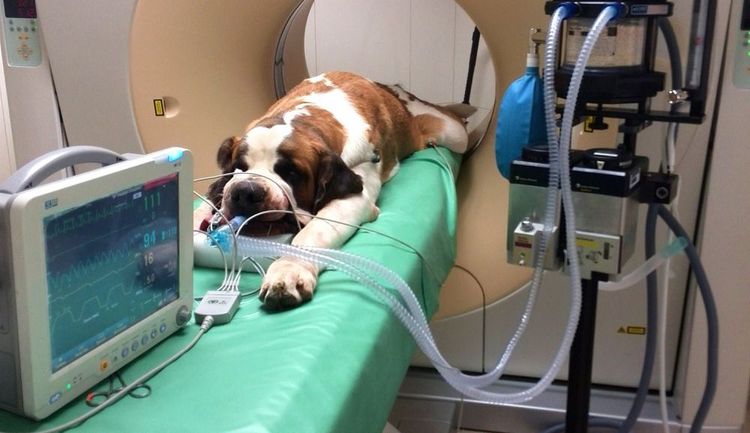
If the amount of ascitic fluid in a dog's abdominal cavity is large and causing pressure on the organs, removal of the transudate by abdominal puncture (an abdominal puncture) is performed as an emergency measure. Therapeutic abdominocentesis usually results in significant improvement in the dog's condition; however, it serves only as a symptomatic treatment: without addressing the cause of the ascites, the transudate will continue to accumulate in the abdominal cavity. Primary treatment options are developed by a veterinarian based on the underlying disease.
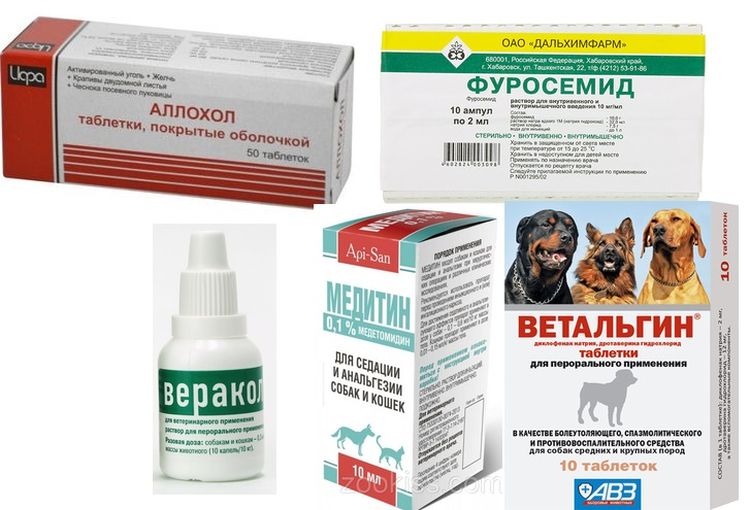
If ascites is caused by liver damage, the dog is prescribed bile flow activating medications (Allochol, Cholenzym), systemic glucocorticoids, enzymes, and B vitamins. For kidney pathologies, antispasmodics (Veracol, Nosh-Bra, Vetalgin, Meditin) may be prescribed. In cases of heart failure, Cordiamine, Sulfocamphocaine, or Caffeine are used. For infectious diseases, the animal is prescribed a course of antibiotic therapy.
Diuretics (furosemide, dichlorothiazide, or Diacarb) are almost always used to treat ascites. If dehydration is detected (also common with dropsy), intravenous fluids are used. The dog is given intravenous drips containing isotonic solutions such as Trisol or Ringer-Locke.
Additional treatments for dropsy in dogs include reducing physical activity (to avoid overloading the heart) and a low-salt, low-fat diet. The diet should consist primarily of lean meat, cereals, and cooked vegetables. If your dog is accustomed to commercial food, high-protein formulas should be preferred. Veterinarians recommend therapeutic foods such as Acana, Royal Canin, and Orijen.
You should know. The prognosis for ascites in dogs is favorable only if the underlying disease is cured, but if dropsy is accompanied by oncology or terminal stage cirrhosis, symptomatic therapy can only alleviate the animal's condition.
Prevention
There are no specific methods for preventing abdominal ascites in dogs. Preventative measures to prevent the development of ascites include prompt detection and treatment of conditions that can cause fluid accumulation in the abdominal cavity.
Read also:


Add a comment