
Tartar in dogs
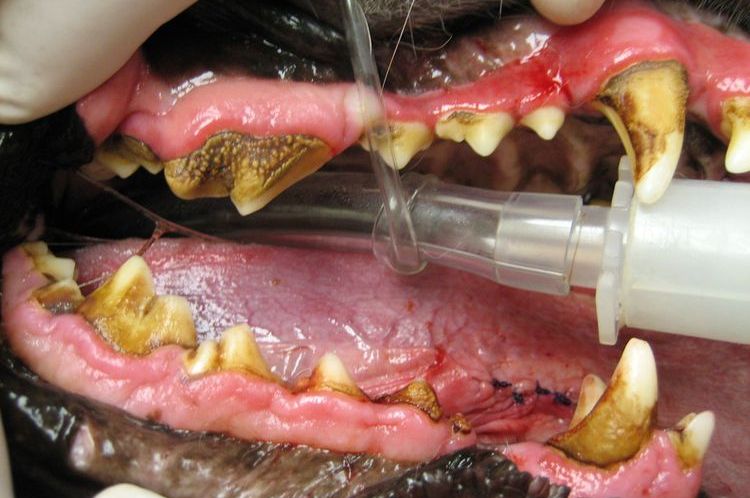
Tartar buildup in dogs is a common occurrence. Considering it merely a cosmetic issue is misleading; large amounts of hard deposits on teeth can lead to chronic gum inflammation and serious gastrointestinal diseases. loss of some teeth and even blood poisoning (sepsis).
Content
Structure of stones
Tartar is food residue left on the teeth, "glued" together by saliva and gradually mineralizing. Initially, it appears as a soft, crumbly, almost colorless deposit that is fairly easy to remove. Where it isn't removed by chewing, the plaque gradually hardens. This is facilitated by the presence of bacteria, whose insoluble waste products act as a kind of "cement" for dental plaque, as well as the pH of a dog's saliva, which is heavily alkaline.
Important! It takes 3 to 6 months for hard tartar to form on a tooth. Removing such a long-standing "cobblestone" will be difficult. Therefore, veterinarians recommend having your dog have a dental checkup at least every six months.
Reasons for formation
The following factors can trigger rapid formation of dental plaque in dogs:
- Poor hygiene. Animals, like humans, need their teeth cleaned regularly, but if this procedure isn't done regularly, plaque buildup is inevitable.
- Improper nutrition. Some dog owners feed their pets exclusively soft, canned food that doesn't require thorough chewing. This is wrong: eating hard food is a natural way to clean teeth. Excessive sugars in the diet are also harmful, as they promote the development of pathogenic bacteria in the dog's mouth.
- Dental diseases. Inflammation of the gums or decayed teeth favor the development of pathogenic bacteria.
- Digestive problems. Many gastrointestinal diseases are also accompanied by the presence of pathogenic microflora.
- Dental malformations. Crooked or crowded teeth, malocclusion, and incomplete occlusion of the upper and lower teeth contribute to plaque formation.
How to remove tartar at home
There are several ways to get rid of dental plaque in a dog.
Special preparations
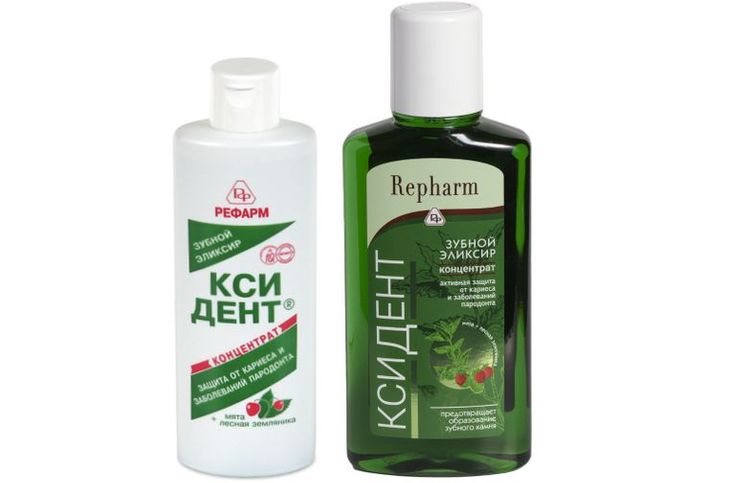
Xident Elixir is considered an effective solution for removing limescale. This product breaks down and dissolves tartar, prevents the formation of new deposits, relieves gum inflammation, and has a disinfecting effect. It's very easy to use: just moisten a cotton swab with it and apply it to the surface of your teeth. There's no need to rinse the elixir, as it doesn't contain any harmful substances. Simply remove the remaining dissolved plaque with a piece of gauze after a few minutes.
Dental cleaning kits
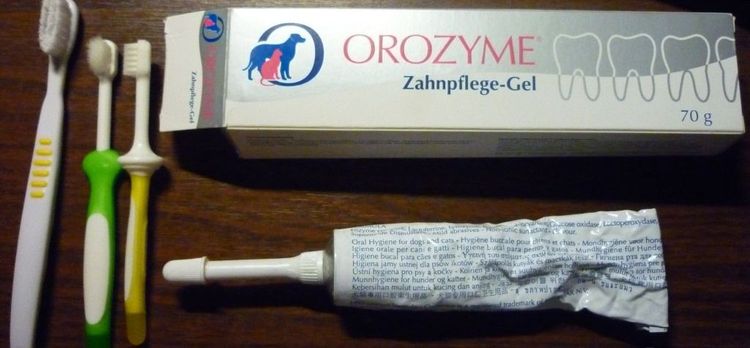
Veterinary pharmacies sell dog dental care kits, including pastes, powders, brushes with convenient long handles, and thimble brushes for cleaning hard-to-reach areas. Nutri-Vet Oral Hygiene Kit, Hartz Brush'n Clean Dental, and Canine Dental Kit have received positive reviews. Medicated sprays that remove tartar, whiten teeth, prevent gum inflammation, and deodorize the mouth are also becoming popular. The best brands include Espree Dental Gel with crystals, Breath Fresh, Dental Fresh, and Beaphar Fresh Breath.
Folk remedies
If plaque isn't too hardened, it can be removed using folk remedies. Veterinarians consider rubbing teeth with a tomato or tomato paste to be an effective method. It has a low pH, making it effective at dissolving soft plaque. This "vegetable" treatment is completely harmless and doesn't cause discomfort to the dog.
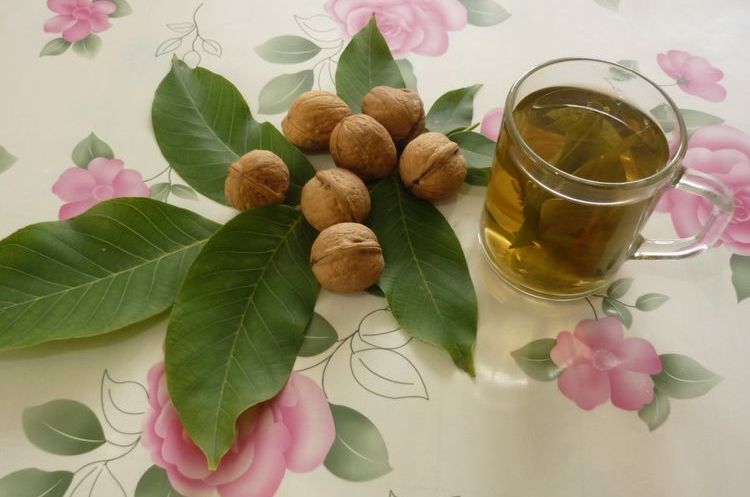
Another home remedy for tartar is a decoction of young walnut bark. Even "human" dentists recommend it for brushing teeth. Simmer the decoction for 15 minutes over low heat, using 100-150 parts walnut bark per 1 liter of water.
Mechanical cleaning of the house
Knowing that some clinics still offer mechanical tartar removal, many owners are wondering whether mechanical cleaning of their dog's teeth is possible at home.
Theoretically, you could purchase a special dental instrument (a metal spatula) or an alternative wooden one (it will be less damaging to tooth enamel, but is only effective against soft plaque) for this purpose.
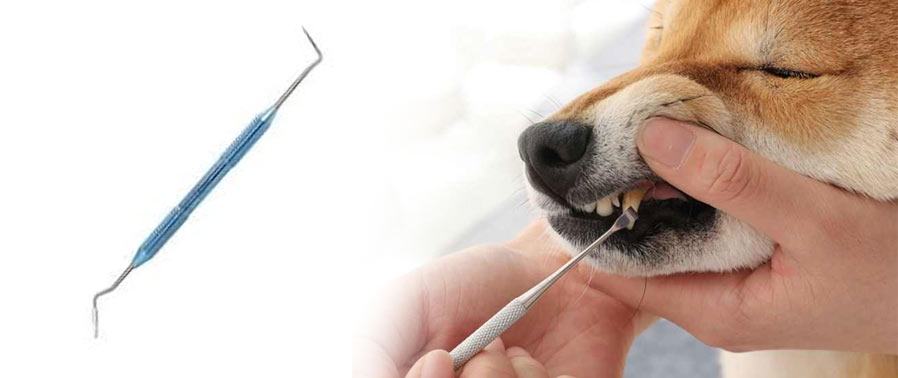
The algorithm for performing the procedure at home will be as follows:
- Immobilize the animal's head (believe me, the dog or cat will definitely not enjoy this procedure, so you may need the help of a partner).
- Treat the oral cavity with an antiseptic. Use chlorhexidine (veterinary equivalents: Dentavedin or Zubastik), which is safe for your dog even if accidentally swallowed. You can wrap gauze around your finger and, after soaking it in chlorhexidine, thoroughly wipe the surface of the teeth, thereby removing soft plaque.
- Apply a plaque-busting product. Specialized products for dogs and cats come in sprays, gels, or solutions. Each has its own application and action time.
- Use a tool to scrape plaque off the surface of your teeth.
- Re-treat the oral cavity with an antiseptic or chamomile solution.
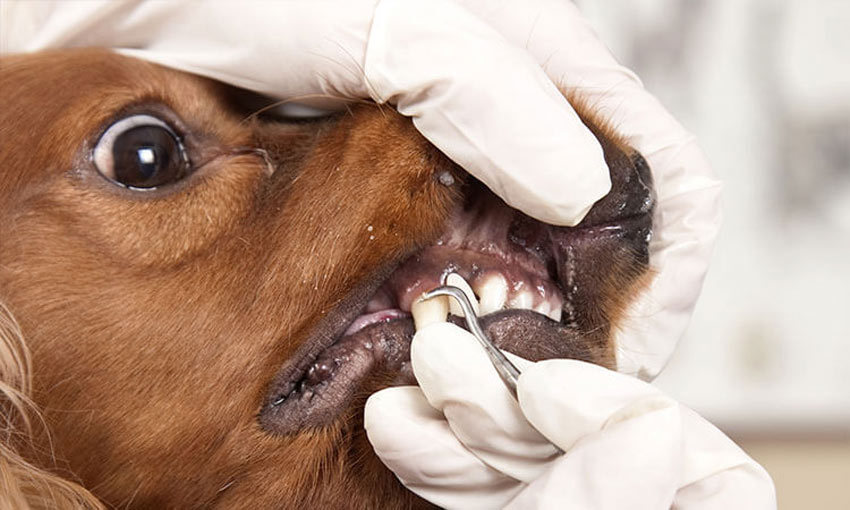
At first glance, cleaning a dog's teeth at home seems straightforward. However, in practice, owners encounter a number of challenges when attempting to implement this idea:
- the animal struggles, becomes very nervous and remains offended for a long time (this reaction is obvious, since the procedure can cause unpleasant sensations and even acute pain);
- It is very difficult to clean tartar from under the gums on your own; such actions often lead to gum injury and cause severe pain to the dog or cat;
- Using a metal scraper can cause deep scratches on the enamel, which can lead to even faster tartar formation and accelerated tooth decay.
Important! Teeth cleaning at grooming salons often follows this same principle, but also includes the use of muscle relaxants. These medications do not provide pain relief, but simply prevent the animal from resisting when in pain or distress.
This is why it is recommended to have your teeth cleaned in specialized clinics, where experienced doctors will perform all necessary procedures using pain relief or general anesthesia.
Tartar removal in a veterinary clinic
In a clinical setting, tartar removal is performed mechanically or using an ultrasound machine. The cost of the procedure depends on the method and whether anesthesia is used. Each method has its advantages and disadvantages.
Mechanical cleaning is inexpensive, starting at 50 rubles per tooth. However, scraping away tartar with a special dental instrument—a scaler—inevitably damages the tooth enamel, making it rougher, which leads to the formation of new plaque faster. Furthermore, unless general anesthesia is used, this option is only suitable for calm, patient dogs. The animal's body is immobilized with a sheet, and its open mouth is secured with a gape holder. The dog must remain in this position for at least half an hour while all its teeth are thoroughly cleaned. Not every pet can withstand such prolonged "abuse."
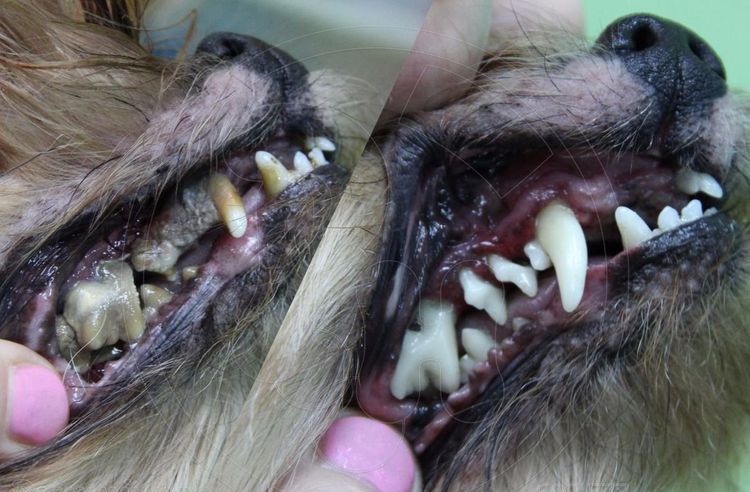
Ultrasonic tartar removal for dogs is more expensive than mechanical tartar removal; the procedure, excluding sedation, costs between 1,500 and 3,000 rubles. However, most dog owners choose this option: it's non-invasive, eliminates the risk of damaging tooth enamel, and is more effective—the results last much longer. You can watch a video of professional ultrasonic tartar removal for dogs.
Preventive measures
To prevent tartar formation in dogs, it is recommended:
- Include in your diet foods that help clean tooth enamel - pieces of carrots, apples, cartilage, non-tubular bones;
- Use special dietary supplements designed for the prevention and treatment of dental plaque - Pedigree Denta Stix, Proden PlaqueOff Animal, VetExpert and others.
- minimize sugar-containing foods in your diet;
- Brush your dog's teeth regularly.
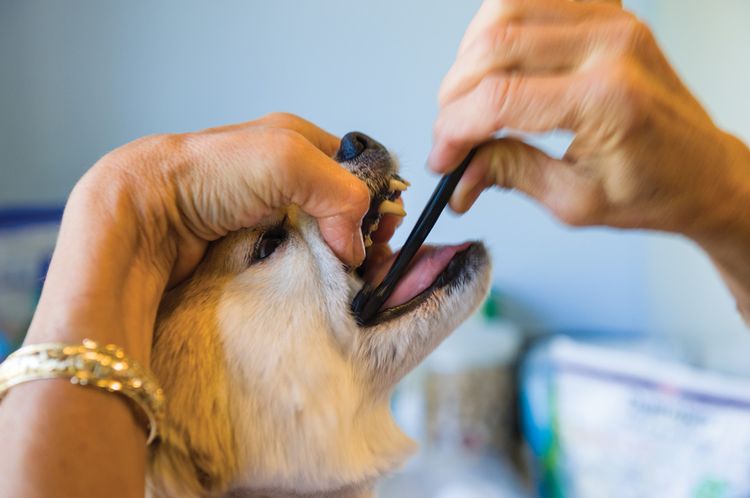
Helpful tip: Brushing your dog's teeth daily isn't necessary; once a week is sufficient. However, it's best to get your pet used to this routine from an early age. When your puppy still has baby teeth, you can simply wipe them with a bandage wrapped around your finger.
Pet stores now offer a wide variety of dog toys specifically designed for removing tartar from teeth. These "preventative" toys are made of rubber or caoutchouc, have fine teeth, and are excellent at removing plaque, preventing it from accumulating and hardening.
Read also:
- Ultrasonic teeth cleaning for dogs
- How to brush your dog's teeth at home
- Permanent and deciduous teeth in dogs


Add a comment