
Tartar in cats: treatment
Tartar is a common ailment affecting both humans and animals. It's quite common in indoor cats, as unlike wild cats, they don't brush their teeth, eating grass or caught rodents along with their bones and veins. Hard plaque on the teeth isn't always accompanied by severe pain, but it ultimately leads to gum inflammation and even tooth decay. Therefore, treating this dental condition is essential.
Content
Causes and risk factors
Dental plaque is formed from food debris left in the mouth. The enzymes in saliva aren't always able to completely break it down, and the presence of foreign microorganisms creates the conditions for the formation of a thin film of primary plaque. Humans feel this plaque as a rough feeling on their teeth. While we brush our own teeth regularly, we don't always brush our cats'. Over time, plaque thickens and hardens, cemented by calcium and phosphorus compounds found in saliva.
Risk factors include:
- dental pathologies - anomalies in the structure of the dental arch, malocclusion, damage to the enamel or its unevenness;
- absence of some teeth on the opposite side of the jaw;
- lack of solid foods in the diet, which remove plaque as well as a toothbrush;
- disturbances in salt metabolism, resulting in the formation of colloidal compounds that are deposited on tooth enamel in the form of salts;
- lack of proper oral hygiene;
- genetic predisposition (tartar on teeth is most often found in Siamese, Scottish Fold, and Persian cats).
Symptoms
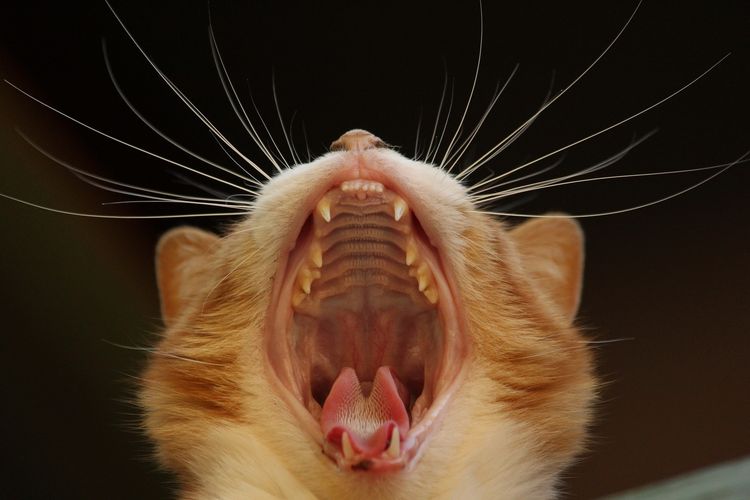
Dental plaque most often forms on the inner surface of incisors and the outer surface of molars, as these teeth have the most contact with food and saliva. Supragingival plaque is easily visible when examining a cat's mouth, while subgingival plaque (located on the roots of the teeth) is more difficult to detect.
Signs that a cat has tartar:
- hard dark plaque at the base of the teeth;
- a sharp unpleasant odor from the mouth;
- bleeding and inflammation of the gums;
- profuse salivation;
- refusal to eat due to pain while chewing.
Caution! Tartar not only causes suffering to the animal, it can also lead to dangerous complications.
Why are tartar on cats' teeth dangerous? If plaque isn't removed, your cat may develop more dangerous diseases. These include dental caries, which destroys tooth enamel. stomatitis, gingivitis or periodontosis (inflammatory disease of the gums), pulpitis (inflammation of the dental nerve, accompanied by severe pain).
Tartar removal treatments for cats
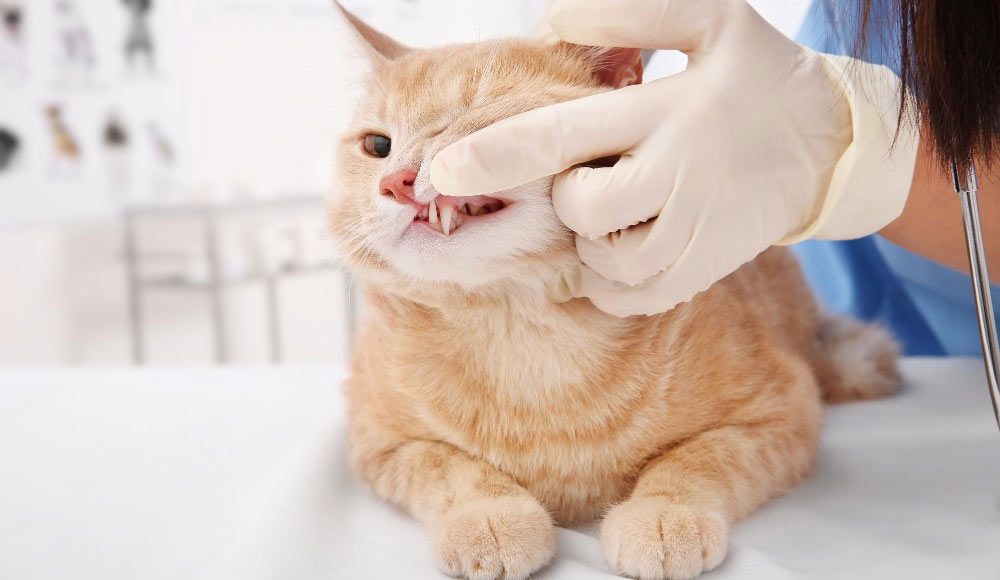
As a preventative measure, as well as in the early stages of the problem, you can use a tartar remover for cats, a wide range of which is available in veterinary pharmacies.
Important! Do not use products designed for humans to clean your cat's teeth.
Veterinarians recommend the following products for removing tartar in cats:
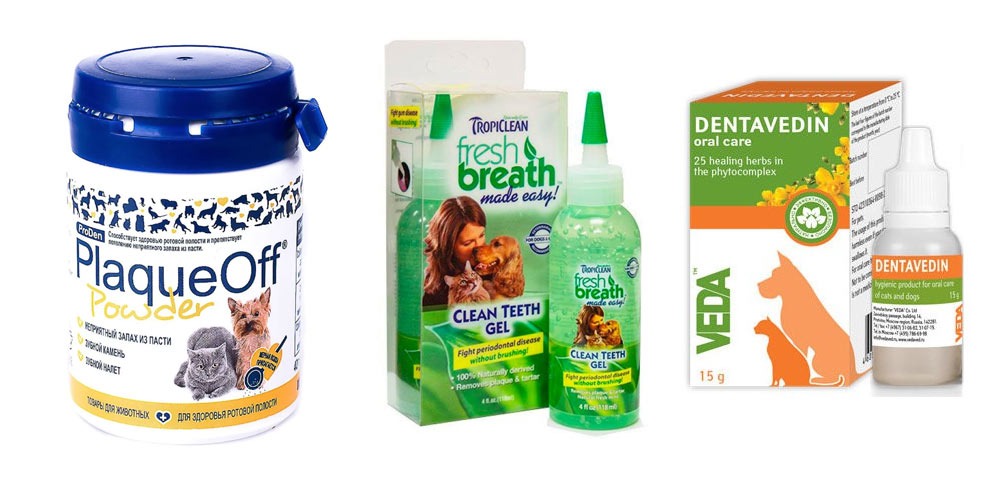
- ProDen "PlaqueOff" – a granulated preparation based on Ascophyllum nodosum algae, which, when added to food daily, promotes the formation of substances in saliva that prevent the hardening of tartar, and also softens existing deposits. Price – 1390 rubles.
- Tropiclean Gel – a dental gel based on natural ingredients that allows you to get rid of tartar without the use of mechanical cleaning. The price of a 59 g tube is 1700 rubles.
- Dentavedin Gel Veda, a domestic manufacturer, is a product that can remove tartar from cats and prevent cavities and unpleasant odor. Price for a 15g bottle: 255 rubles.
- Beaphar – a gel based on subtilisin, which destroys the protein structure of dental plaque, as well as active components that bind calcium, preventing the formation of new tartar on the teeth. The price of a 100 g tube is 1400 rubles.
- Biogance – a hypoallergenic bio-spray from a French manufacturer with enzymes and fluorite, which effectively removes tartar with daily use. Price – 2000 rubles.
- Tamachi – a liquid or spray from a Japanese manufacturer, characterized by the complete absence of odor and taste, which is considered the optimal solution for animals. The price of a 125 ml spray is 435 rubles, and 100 ml liquid is 450 rubles.
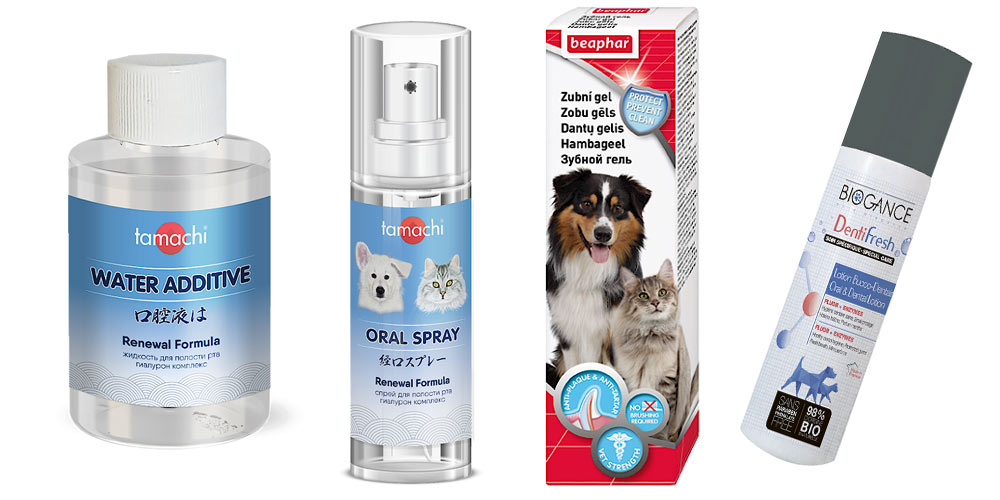
Veterinarians recommend using tartar removers in cats as a preventative measure and at the initial stage of plaque formation. If hard deposits have already formed on the teeth (and, even worse, under the gums), there are signs of inflammation, or the gums are painful, then the help of a specialist is essential, and treatment is best performed in a clinic using therapeutic rather than preventative measures and ultrasonic cleaning.
Treatment
Removing hardened plaque from teeth is a rather painful procedure and is performed in a clinic, usually under general anesthesia. The cat is fasted for half a day, and older cats are examined for underlying conditions beforehand. There are several treatment options for tartar.
Grinding
This method is used for small amounts of tartar. The teeth are polished with an abrasive paste, which removes hardened plaque from the enamel. The gums are often injured during the procedure, so the cat should be fed a semi-liquid diet for several days and given pain medication if necessary.
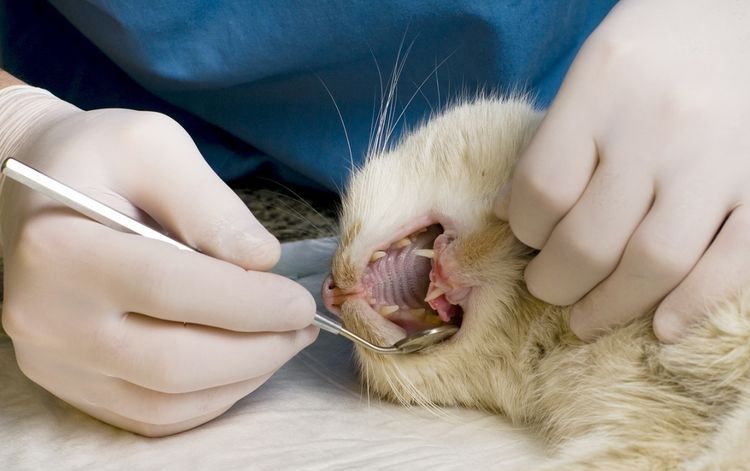
Mechanical chipping
The cat's teeth and gums are treated with lactic acid, then the softened plaque particles are removed with a dental instrument called a scaler. This method of tartar removal also can cause mechanical trauma to the gums and oral mucosa.
Ultrasonic removal
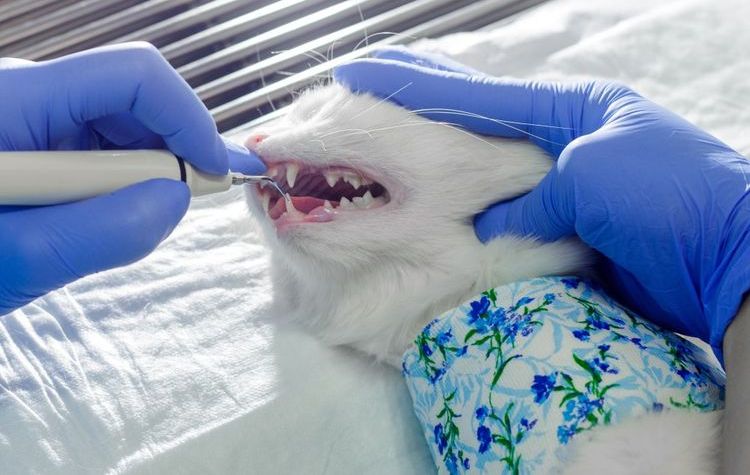
This is the most atraumatic method for removing mineralized plaque from teeth. The procedure is performed using a dental ultrasound machine and allows for the removal of plaque without damaging gum tissue or tooth enamel, while simultaneously cleaning the periodontal canal. However, if the plaque is located in the gingival sinuses, ultrasound is not always successful in removing it.
Important! A veterinarian will determine the treatment method after a thorough examination of your pet and an assessment of potential risks. Removing tartar yourself is strictly not recommended, as it can cause pain and harm your pet's health.
Prevention
To prevent the formation of tartar on cats' teeth, the following will help:
- A diet that includes hard food. It is recommended to periodically feed your cat dried tendon, grass, or special foods. Foods that help clean teeth include Hill's Oral (Feline Adult Oral Care dry cat food), Royal Canin (Oral Care cat kibble), and Beaphar (Cat-A-Dent Bits).
- Timely treatment of diseases that cause metabolic disorders.
- Regular preventive examination by a veterinarian.
You can prevent tartar buildup in cats by brushing your pet's teeth with a special cat brush. This is recommended at least twice a week. At first, your cat will react with resentment. But over time, they'll get used to it, accept it, and stop resisting as they feel better. Veterinarians recommend using Tropiсlean gel (manufactured by the American company Tropiсlean, known as "Clean Teeth Gel Cat") for cleaning. This product contains natural ingredients that inhibit the growth of pathogenic microflora and soften hardened plaque.
Read also:


Add a comment