
The history of the relationship between cats and birds
Since ancient times, cats and birds have been closely linked. While birds try to fly away from their lovable predator, cats, by hook or by crook, try to catch the bird. Flight itself is a mystery to cats, which is why they often catch fledgling birds; adult birds are very difficult to catch.
Content
In the wild
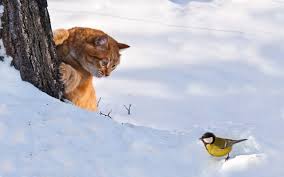
In the wild, a bird isn't as defenseless as a cat might initially think. Its eyes are positioned so it has a full field of view and sees a cat sneaking up behind it. The domesticated bird stubbornly waits for something to distract it. Its attention is diverted. The cat pounces.
Birds fascinate the furry pet. Having barely secured its prey, the cat has a hard time getting to the edible part. When birds sense danger, they make loud sounds, thus warning others, which can leave the cat without food altogether. People often observe only the hunting process rather than the actual catching of the prey.
Relationships at home
ANDSo, explaining to a small, fluffy bundle that it's not okay to hunt a parrot or a canary is very difficult. Bramm once described a unique case of a kitten being raised by its mother cat alone. The mother cat's owner was a great lover of birds, and he noticed that the cat herself was accustomed to them, but the kitten constantly tried to get the bird. The bird hit the kitten with its beak a couple of times, and the mother saw this and was very worried about her offspring. She licked the kitten's wounds and meowed pitifully. And when the restless kitten tried to get at the bird again, the mother herself jumped on the baby and gave him a couple of hefty slaps on the back of the head. That's it, the baby never went near the birds again...
What to do when the owners are not at home?
What should a cat owner do if the mother isn't around? First and foremost, choose a sturdy, stable, and spacious cage for the bird, one that the cat can't fit into. The bird risks being caught, and the cat risks getting stuck while trying to get into the cage, getting her eyes pecked out, and so on. Therefore, it's important not to skimp on the cage.
Once you've purchased a cage, you need to choose a safe location for it... The ideal location is to hang the cage from the ceiling. In Japan, they believe that cohabitation between a bird and a cat requires double vigilance on the part of the owner, as they have two pets to protect and rescue.
If you need to leave the apartment or go to work, the cat should be locked in a separate room, or let it roam the entire apartment, but the door to the room with the bird should be locked. And preferably with a key, as the cat will find a way to open the door to its coveted prey. The most self-sacrificing furry "specimens" may bang their heads against the door until it opens. Therefore, for the sake of the cat's safety, the key is the lesser of two evils.
What if the cat attacks in your presence?
If a cat tries to get a bird in the presence of its owner, a handy tool like a water pistol can help. A couple of sprays from the owner will be enough to dispel any attempts to get to the bird.
A great option is to surround the cage with a variety of objects that make a loud noise when dropped, such as keys and rattles. Cats are natural hunters, and any noise during a hunt will immediately cause them to flee. You can place a coffee can filled with coins; when dropped, it will create just the right amount of noise to send the irrepressible furry creature fleeing the scene of the crime. You won't have to spank or scold your pet, as she might not understand why she's being scolded for hunting, and after all, she's already had her fill of terror.
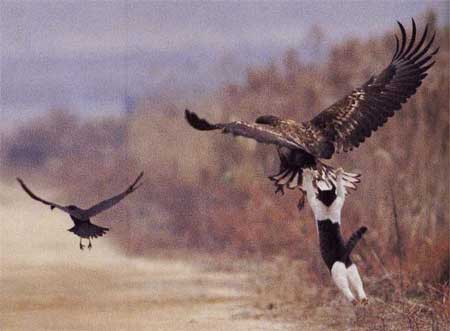
This is how we live
There are types of cats that don't want to kill the bird at all; it imitates hunting and simply frolics. There are cases when a cat and a bird are friends and their affection is strong. For example, Bram described such a case. A cat every morning she brought The owner caught a wagtail in her teeth, which lived in the house and kept flying away. There was also a case where a canary flew away from the house, and the cat, after leaving, searched for it for a long time and finally brought the "lost one" home in her teeth, without causing any harm to the bird.
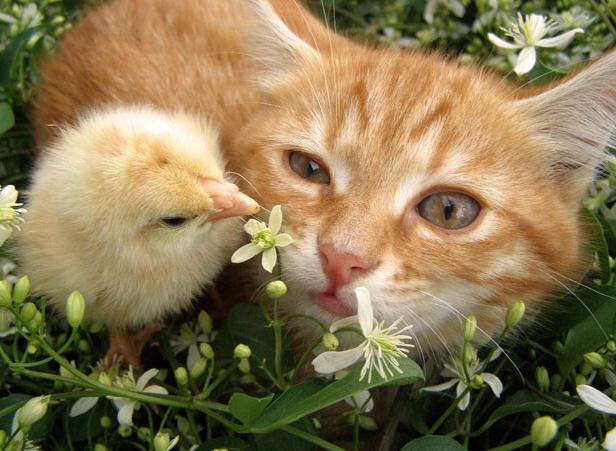
According to Bram, a cat who loves its owner, and the owner loves it back, will never do anything bad; it will always do what brings joy to its owner. Bram, in turn, often hosted fashion photo shoots in the presence of his beloved cat.
Such a high-quality relationship is rare, so it's not worth risking both pets. When leaving the house, lock the bird up, and never reward this furry hunter if she brings home her most precious "prey" in the morning. Scold her a bit, but don't yell, scold, or hit her. Pet her, give her something tasty, and tell her you don't appreciate such "victims." She just wants to show how brave she is, how kind she is, how much she loves her owner, and here's her prey. She caught it for you!
If the prey is alive, let it run, fly, or swim away in front of the cat. If the prey is dead, scold it and immediately remove it so the cat doesn't have time to play with it. Never let the cat eat the prey; this is unacceptable training! The cat will interpret this as praise, as if the owner liked the gift. And in the morning, she'll bring back more...
If you keep a close eye on the bird and the cat, they will soon learn to be friends and peace and quiet will reign in the apartment.
Read also:


Add a comment