
Zoonotic Diseases: Part One. Bacteria
Rare is the owner who doesn't worry about their pet when it gets sick. But not every owner knows that many diseases can be transmitted from animals to humans. These diseases are grouped together under the name "zooanthroponoses." The World Health Organization has identified over 150 different diseases that have been transmitted to humans from animals and birds.
To protect yourself as much as possible, you should familiarize yourself with the list of diseases transmitted by our smaller companions, as well as which animals can transmit them. You should also learn about the symptoms in animals and how the disease manifests in humans. All this will help you stay healthy.
Content
- 1 Bacterial zoonoses
- 1.1 1. Tuberculosis
- 1.2 2. Brucellosis
- 1.3 3. Leptospirosis
- 1.4 4. Salmonellosis
- 1.5 5. Listeriosis
- 1.6 6. Tularemia
- 1.7 7. Anthrax
- 1.8 8. Pig's face
- 1.9 9. Tetanus and botulism
- 1.10 10. Pasteurellosis
- 1.11 11. Colibacillosis
- 1.12 12. Bubonic plague
- 1.13 13. Sap
- 1.14 14. Melioidosis
- 1.15 15. Yersiniosis
- 1.16 16. Vibriosis
- 1.17 17. Actinomycosis
Bacterial zoonoses
Let's begin our introduction to zoonotic diseases with bacterial infections. A brief "excursion" to the pathogens will certainly follow.
1. Tuberculosis
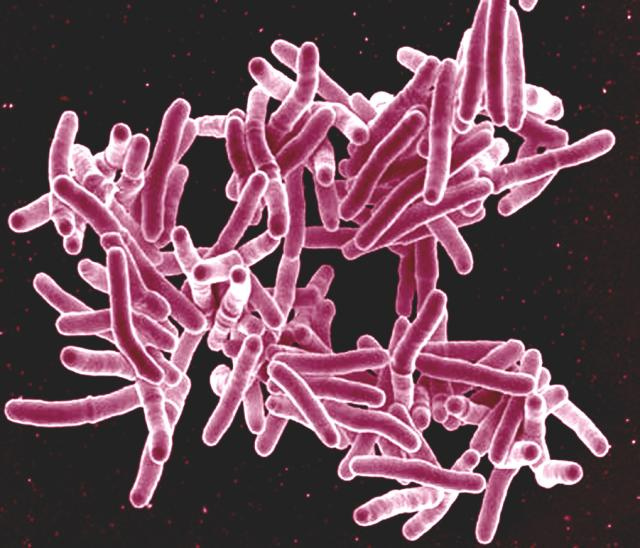
The disease is chronic, and foci of caseous necrosis are localized not only in the lungs, as many believe, but also in the intestines and other internal organs. Although the pathogen comes in bovine and avian types, it can also affect dogs, cats, and humans.
2. Brucellosis
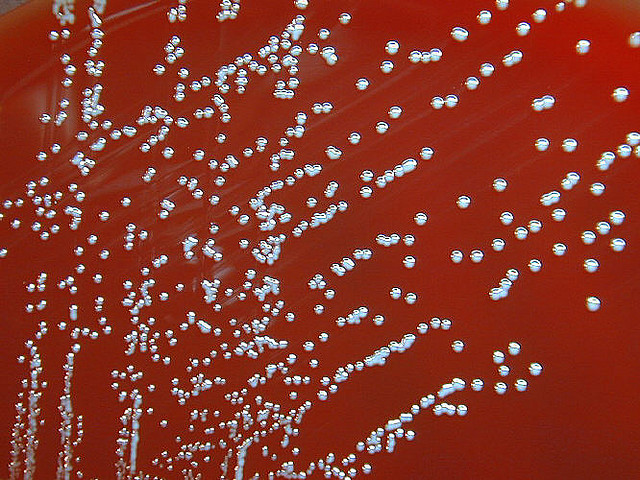
– a disease characterized by damage to internal organs (reproductive and nervous systems, liver, joints, spleen), as well as fever. Infection can be transmitted from sick animals and from food products obtained from them (milk, for example). Therefore, not only farm animals but also domestic animals that eat or come into contact with sources of the disease are susceptible to the disease.
3. Leptospirosis
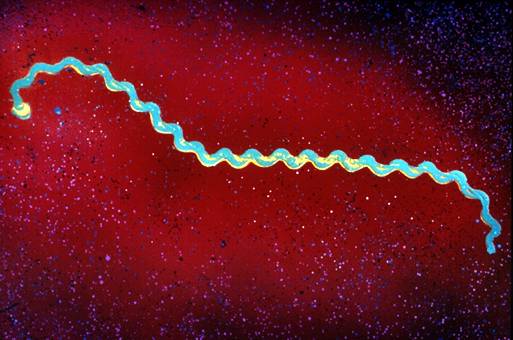
– an infectious disease characterized by jaundice, fever with severe chills, and damage to the kidneys, liver, and muscles. The conjunctiva and meninges become inflamed. Humans can become infected from both farm and domestic animals. Rodents, the carriers of the disease, should not be forgotten.
4. Salmonellosis
It's a type of toxic infection. It affects more than just the gastrointestinal tract, but it's the first to "react" to salmonella.
5. Listeriosis
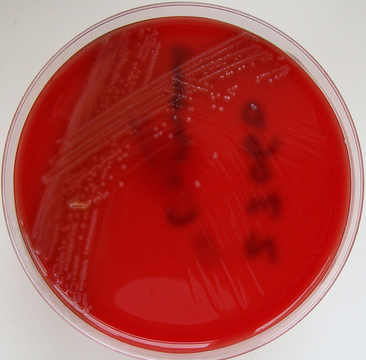
It is easily transmitted to humans. The symptoms are the same as those of meningoencephalitis, as the meninges (the membranes of the brain) and bone marrow are affected (they become inflamed). Infection can be acquired through direct contact with an infected animal or by consuming food products (not properly disinfected) obtained from infected animals.
6. Tularemia
It was recently studied. It is considered a natural focal disease. Transmission is carried not only by rodents (rats and hamsters, for example), but also by ticks (Ixodid ticks), mosquitoes, and other blood-sucking insects. Symptoms include headache, fever, and confusion. The lymph nodes become enlarged.
7. Anthrax
Anthrax is a highly dangerous disease. Spores of the pathogen can remain viable in soil for hundreds of years. Dogs and cats rarely become infected, but livestock that graze on pastures contaminated with anthrax spores do.
8. Pig's face
The name itself makes it clear what causes this disease in humans. The pathogen initially multiplies in the pig. Humans become infected through contact with the sick animal or its care items. The alimentary route (i.e., food and water) is also important. The bacteria also enters the human body through broken skin. Therefore, extreme caution is required when handling raw pork at home. The pathogen attacks the joints and skin, leading to septicemia.
9. Tetanus and botulism
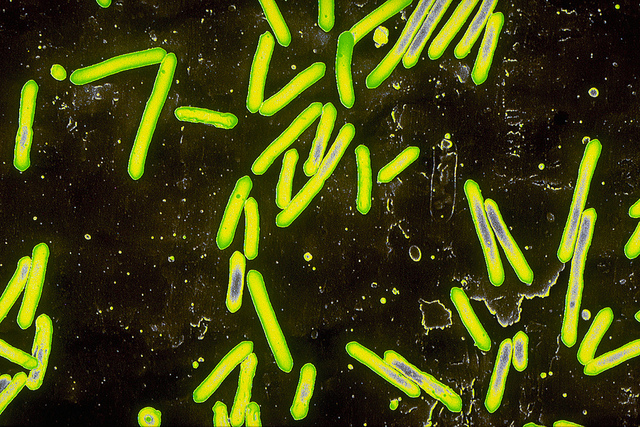
It should be classified not simply as a zoonosis, but as a saprozoonosis. This means that although both animals and humans are equally susceptible, they are infected "from" the environment.
Tetanus cannot be transmitted through food. The bacterial toxin is destroyed by enzymes. However, if the toxin enters the bloodstream (through broken skin or mucous membranes), the first symptoms—convulsions—will appear.
The causative agent of botulism is "activated" in canned meat or dry-cured sausages. It is a serious food poisoning that affects all animal species. Dogs, rodents (rats), and horses are the most susceptible.
10. Pasteurellosis
Humans can become infected from cats, rats, or rabbits under certain conditions. However, it affects wild, domestic, and farm animals, as well as birds. The pathogen in birds differs from Pasteurella, which causes disease in mammals and is not dangerous to humans. Animals can be carriers: there are no obvious clinical symptoms, but they infect people and animals around them. They breathe, and when they exhale, they release Pasteurella into the air, which then enters another susceptible host. However, there is another route of transmission: flea bites.
11. Colibacillosis
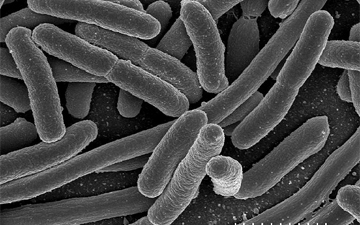
It is considered a disease of newborns. It most often affects children and young animals under seven days of age. Adult animals are carriers, but they do not exhibit any obvious clinical symptoms.
12. Bubonic plague
It's extremely contagious. Rats have always been the culprits of epidemics. Their infestations of cities brought no good. And it's not for nothing that they say these rodents carry the plague. And that's true. Besides rats, fleas (the source is their dried excrement) and about 200 species of rodents (mice, hamsters, squirrels) also carry the disease. Furthermore, bubonic plague can be transmitted from person to person. Dogs, cats, camels, donkeys, and sheep are less likely to become infected, but cases do occur.
13. Sap
It is typical for equids (those whose hooves are not divided into two toes): horses, donkeys, and their relatives. However, humans are easily infected. As a result, specific ulcers and nodules appear on the skin. Parenchymatous organs are also affected. Cats become ill after eating meat from infected animals.
14. Melioidosis
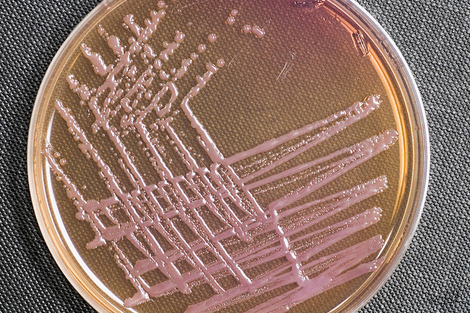
Unlike glanders, it affects all animal species, including humans. However, the nodules now resemble foci of necrosis. Septicemia develops. Rodents are generally considered the reservoir of infection. Therefore, if a cat or dog is sick, there was likely a recent rat or mouse infestation. The problem is that in most cases, the bacteria are found in soil and feces. Therefore, this disease is usually classified as a saprozoonosis (like botulism and tetanus).
15. Yersiniosis
It is caused by bacteria related to Pasteurella. It most often affects rodents, cats, dogs, and birds. They have also infected humans.
16. Vibriosis
Humans can become infected through contact with infected ruminants, as well as by consuming unsterilized food products (milk, offal, and meat). Abortions have been reported in pregnant women with vibriosis. Men, children, and non-pregnant women may experience periendocarditis, thrombophlebitis, arthritis, pneumonia, and meningitis.
17. Actinomycosis
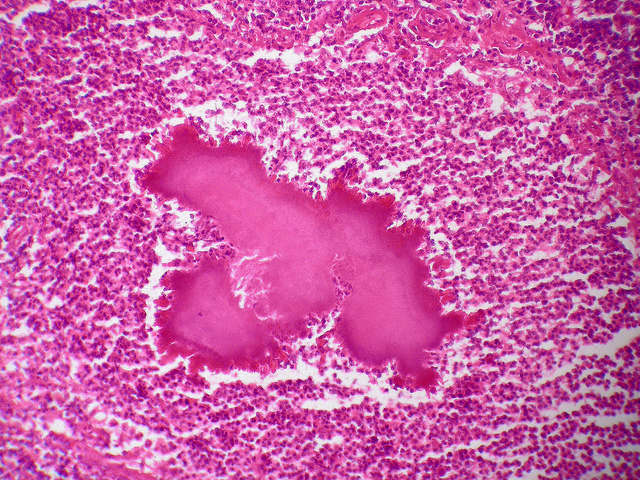
Actinomycosis is a chronic condition. It affects not only farm animals but also pets, wild animals, and humans. Patients develop specific granulomas that are localized not only on the skin but also in internal organs (primarily parenchymatous organs) and bones. Actinomycosis is caused by bacteria that are very similar in structure to fungi and have a thin mycelium.
Read also:
- Zoonotic Diseases: Part Two. Viruses
- Cat scratch disease – felinosis
- Canine distemper: symptoms and treatment


Add a comment