
Zoonotic Diseases: Part Two. Viruses
We previously wrote about bacterial zoonoses, describing the most common illnesses. Now we'll look at viral diseases transmitted from animals to humans. This group of diseases is highly contagious. Therefore, it's important to always be vigilant, minimize contact with stray or wild animals, and vaccinate pets. Conduct pest control and disinfestation regularly, and don't forget to disinfect your premises.
Content
- 1 Viral diseases:
- 1.1 1. Foot-and-mouth disease
- 1.2 2. Aujeszky's disease
- 1.3 3. Pseudoplague of birds
- 1.4 4. Rabies
- 1.5 5. Flu.
- 1.6 6. Cat bite disease, or more commonly known as cat scratch disease.
- 1.7 7. Q fever
- 1.8 8. Cowpox
- 1.9 9. Ornithosis, psittacosis.
- 1.10 10. Viral encephalitis
- 1.11 11. As a consequence of Armstrong's disease
- 1.12 12. Marburg disease
Viral diseases:

1. Foot-and-mouth disease
It is generally considered a disease of cloven-hoofed animals (those with cloven hooves, such as ruminants, pigs, and their relatives). Fever develops, and specific ulcers appear in areas where there is little or no hair. Humans become infected through contact with an infected animal (not one that has recovered, but one that is clearly ill and has aphthae—specific ulcers) and by drinking unsterilized milk. Cats and dogs are not susceptible, but they should still not be given unprocessed and unsterilized meat or milk.
2. Aujeszky's disease
Another name for this condition is pseudorabies. It affects not only wild animals but also domestic pets. In addition to agitation, the disease is characterized by intense itching of the skin (with the exception of pigs, which do not scratch), followed by paralysis and death. Dogs, cats, and even humans can become infected under certain conditions.
3. Pseudoplague of birds
It typically affects chickens. If a person becomes infected from a domestic bird, they will develop benign lesions not only in the lungs and conjunctiva, but also in the central nervous system.
4. Rabies

One of the most dangerous diseases, it is quickly transmitted to humans from an infected animal. All mammals are susceptible. Many people know that it is the saliva of an infected animal that is dangerous (which is why, after an animal bite, you should seek immediate medical attention). However, it's not just the bite that is dangerous; even a gentle lick on your hands or face is also dangerous (a micro-crack in the skin is enough for the rabies pathogen to enter your body). During the incubation period, the virus is not present in saliva. Surprisingly, unlike other infections, the rabies virus spreads not through blood vessels, but through nerve fibers. And the closer the bite is to the head, the faster the virus will reach the brain. Annual vaccination of your pet is essential. It will provide immunity for a year.

5. Flu.
The virus has a huge number of variations. Many remember outbreaks of bird flu and swine flu. And because there are so many strains, promptly diagnosing the pathogen (or rather, its identity), and therefore choosing a specific treatment, is not always possible. The virus evolves and mutates, so it can easily be transmitted from animals to humans.
6. Cat bite disease, or more commonly known as cat scratch disease.

Cat scratch disease is the common name for a disease called felinosis, in which a virus from an infected cat enters the human bloodstream through bites and scratches. The skin at the site of the injury becomes red, inflamed, and a rash appears. Nearby lymph nodes react and enlarge. Temperature also rises. The eyes, lungs, and meninges are affected.
7. Q fever
It is characterized by a very rapid onset. It begins with a high fever, headache, and muscle aches, followed by atypical pneumonia. It is transmitted by ticks and small wild animals (most commonly hedgehogs). Infection is most often transmitted through food (for example, by drinking unboiled milk). Inhalation is less common, occurring only in those working with the pathogen in laboratories.
8. Cowpox
It affects not only cattle but also small (although less frequently) cattle. The ulcers primarily form on the udder, so cowpox is most often contracted by milkmaids or those who come into contact with the affected areas. Since only ruminants are affected, pets are safe.
9. Ornithosis, psittacosis.

Although the name suggests that this is an avian disease (parrots are often affected), it also affects humans and animals (some mammals). The pathogen is not strictly classified as a virus, as it has a coccoid shape, like bacteria. However, it "parasitizes" within cells. It is a "borderline" microorganism, similar to chlamydia. It primarily affects the respiratory system.
10. Viral encephalitis
It is caused by a rabies virus. It is transmitted by ticks, mosquitoes, and other blood-sucking insects. An arthropod simply needs to feed on an infected animal and then do the same to a human. The virus is transmitted. Ticks can also transmit viruses "hereditarily." After laying eggs, the new generation can infect anyone they attach to with encephalitis. Symptoms depend on the extent of damage to the central nervous system. Not only the brain but also the spinal cord can be affected. Besides insects, milk (unboiled) from an infected animal can also be the culprit.
11. As a consequence of Armstrong's disease
The brain (or rather, its membranes) and choroid plexuses become affected. The virus is carried by house mice. As you can imagine, these pests are practically everywhere: in the wild, in rural areas, and in cities. Therefore, the risk of infection is very high.
Mice should never be allowed into the home. Their droppings must be carefully removed, using protective equipment (wear gloves, a respirator, or mask), and hands must be washed after cleaning. Pets can become infected by eating rodents (either by catching them alive or by swallowing dead ones).
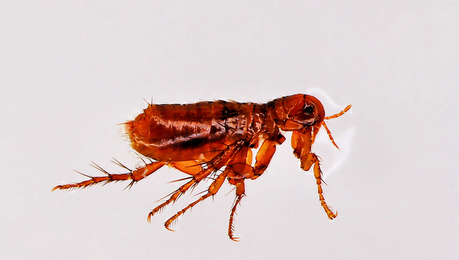
In addition to mice, hamsters, rabbits, and skin parasites such as fleas and ticks can also carry the disease.
The chain is easy to establish. A house mouse ate an infected mouse, the virus entered the bloodstream, and began to multiply. A flea or tick would suck the pathogen from the bloodstream, then bite a person and infect them. That's why it's important not only to know the symptoms of zoonotic diseases to protect yourself, but also to carry out prompt rodent control and pest control (extermination of fleas, ticks, and lice).
12. Marburg disease
It is transmitted from monkeys to humans. The route of transmission is unclear. It has been proven that in nature, the virus is carried by ticks and fleas. Humans can also become infected through casual (and sexual) contact. Symptoms vary widely. In the initial stage, fever, vomiting, and diarrhea are noted. In the second stage, signs of hemorrhage (bruising) are recorded. In the final stage, encephalitis, bronchopneumonia, meningitis, myocarditis, and orchitis (inflammation of the testicles) are often observed.
Read also:
- Encephalitis in dogs: symptoms and treatment
- Ectoparasites in dogs and treatment against them
- Feline immunodeficiency virus


Add a comment