
Parasitic zoonoses. Part 4
Well, we've finally gotten around to learning about parasitic zoonotic diseases. Now you'll know everything you could risk after coming into contact with animals.
Content
1. Scabies
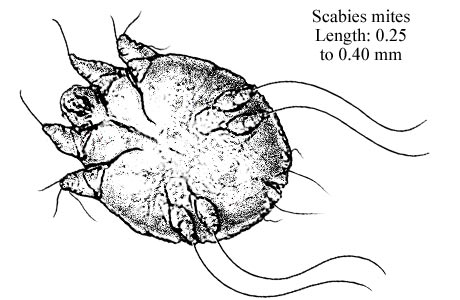
It's extremely contagious. You can catch it not only from other people but also from animals (including cats and dogs). Simply pet an infected pet, and you're guaranteed to get scabies. The problem is that the parasite is undetectable, and it hides within the skin. It's treatable, but it's not pleasant. The itching is incredible. Therefore, it's essential to observe safety precautions when interacting with animals. Do you ride horses? Their tack often contains parasites. An entire stable can be infected in the same way. Animals can easily pick up parasites from each other, whether through playing together, sleeping in the same place, or sharing personal care items.
2. Balantidiasis
It can only be compared to dysentery. The parasite "settles" in the large intestine. Infection occurs primarily from pigs.
3. Babesiosis
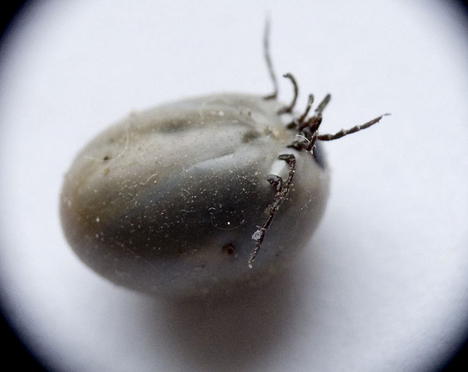
Known as piroplasmosis, it's not the only disease caused by Babesia, which is carried by ticks. Once the skin parasite attaches, it injects a secretion containing Babesia. These protozoa "burrow" into red blood cells, destroying them. As the tick sucks blood, it reabsorbs the pathogens. This is how one animal can become infected from another. If you're walking your dog in the woods and a tick carrying Babesia attaches to it, there's a high risk that not only your dog but also your entire family will become infected (if the skin parasite from your pet is transferred to you and other family members).
4. Trichinosis
The danger is that the pathogen is located not in the intestines, but in the muscles. You won't detect it that easily. This requires trichinoscopy (a microscope examination of pig muscle fibers taken from various parts of the carcass). If even one "individual" is detected, the carcass is completely removed, including the offal. Such pork is unfit for consumption. This is why you should never buy meat that hasn't passed veterinary inspection. If there's no veterinary certificate and the corresponding seal on the carcass itself, it's best to refuse. And if you're offered wild boar meat, don't eat it without a trichinoscopy. Many cases of human infection have been reported in rural areas, where people "kill" their pigs or wild boars, eat fresh meat, or simply freeze the butchered, uninspected carcass for future use. Freezing in a freezer won't kill the Trichinella larvae, nor will cooking. Dogs and cats also become infected by eating meat from an infected pig.
5. Hymenolepidiosis
It's caused by a tapeworm. It's a rather insidious type of helminth. Even if it only loses one "part," it grows back into a large, elongated form. This disease requires rodents (mostly rats) and skin parasites—fleas.
6. Taeniasis
They are primarily transmitted by infected pigs and cattle. Helminth eggs are shed through feces, and even at this stage of development, the parasite is mobile. It tolerates neither heat nor dryness. Infection can be acquired through alimentary contact (when the helminth comes into contact with food or water).
7. Botryocephalosis, or diphyllobothriasis.
The development cycle requires cyclops crustaceans and the fish that will then ingest them. It's not necessary to consume the infected fish; you can also become ill by eating the eggs of these fish. The causative agent is a tapeworm. To avoid infection, be sure to boil or thoroughly fry the fish (muscle temperature should be at least 50 degrees Celsius) for at least 5 minutes.
8. Echinococcosis
It has become increasingly common in humans. It can be contracted by eating offal from an infected animal. Most often, pets or guard dogs are infected, fed liver, lungs, or intestines from infected cattle (or small animals such as sheep and goats) that have not undergone proper veterinary inspection.
9. Opisthorchiasis
Cats and dogs become infected when they eat contaminated fish, which, in turn, is an intermediate host (as are snails). That's why it's strictly forbidden to feed pets (and humans themselves shouldn't eat) raw fish. Of course, you can't get it from your pets. opisthorchiasis You won't become infected; an intermediate host is necessary for the parasite's development cycle to occur. However, if it isn't properly treated (frozen at -12°C for at least 5 days or boiled in water), you can become ill by eating infected fish.
10. Fascioliasis
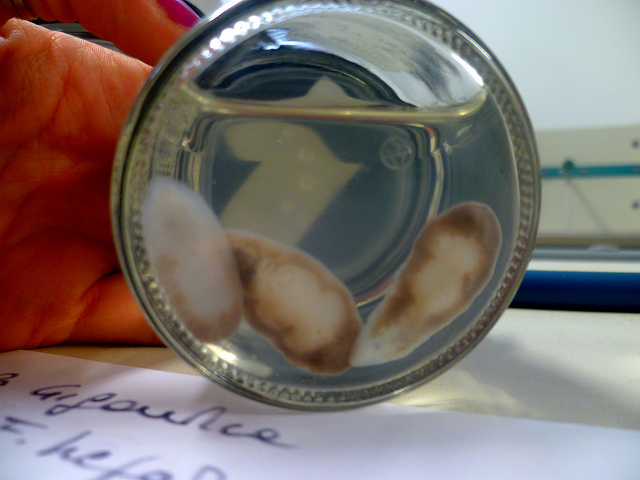
Caused by the so-called liver fluke, this disease disrupts bile flow. Freshwater mollusks (snails) and cattle are essential for the cycle.
11. Dicrocoeliosis
Again, it is characterized by liver damage. The development cycle requires two intermediate hosts: first a snail, then an ant. Humans become infected by eating unwashed vegetables, fruits, or blades of grass that an infected ant has crawled on.
12. Leishmaniasis
It is caused by protozoa. Mosquitoes and other blood-sucking insects are the most common culprits. Humans, dogs, cats, and other mammals can be affected. There are many pathogens that cause leishmaniasis.
13. Coenurosis
It's most common in goats and sheep, but less common in cattle. It's even rarer in humans, but cases of coenurosis have been reported. Cattle become infected because members of the canine family (which also includes wolves and foxes) excrete eggs into the environment with their feces. These eggs then end up either on grass or in water. Humans will only become infected if they don't practice proper hygiene (especially when interacting with dogs) or if they eat unwashed food (e.g., vegetables, berries, or even grass).
14. Toxoplasmosis
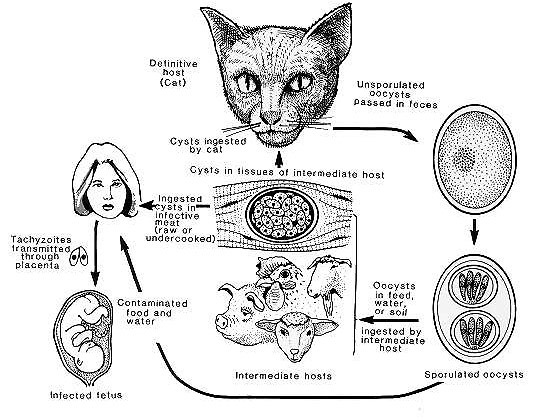
It's dangerous because it affects the human brain. The cat is always the culprit. It's the cat (or rather, its intestines) that are necessary for the parasite to reproduce sexually. You can become infected by cleaning up your pet's excrement.
Particularly dangerous toxoplasmosis For a pregnant woman! It causes fetal deformities, developmental abnormalities, and often even miscarriage.
15. Dipylidiasis
Dipylidiasis is a disease transmitted by skin parasites called fleas. It's crucial to keep these pests away from your pet, preventing them from infesting your home. Even if your pet doesn't go outside, these parasites can enter from the stairwell or be carried in on your body. However, to contract dipylidiasis, you must consume a flea. Animals do this by chewing themselves to relieve the itchiness caused by a flea bite.
Read also:
- Cucumber tapeworm (dipylidiosis) in cats: treatment, symptoms
- Do ticks bite cats?
- Scabies mites in dogs: symptoms and treatment


Add a comment