
Golden Chinchilla: What Breed Is It?
These cats' gorgeous golden coloring and soft, plush coats are truly eye-catching. For those interested in the breed and considering looking for a kitten, it's worth noting that golden chinchilla (golden chinchilla) - is a color that occurs in several cat breeds.
Content
The history of the golden chinchilla
For the first time, golden kittens appeared in a litter of two Persian cats Silver chinchilla. The striking coat immediately attracted the attention of breeders. The gene for the golden color has yet to be identified. Geneticists have proposed a theory about a group of genes that provide additional yellow pigment synthesis. This hypothesis is too vague, but satisfactory. Today, various types of matings are used to obtain, improve, and consolidate the golden color. Breeders continue to breed two silver chinchillas, breed golden chinchillas "within themselves," and experiment with other colors.
The golden chinchilla color first appeared and was standardized in Persian cats.
Soon, breeders wanted a new color. British And ScotsThey began breeding their cats with golden Persians. The gold looked beautiful against the short, plush coat, and the process of establishing the color in these breeds progressed even more rapidly, with golden British Shorthairs becoming highly sought after. Today, many associate the golden chinchilla coloring specifically with the British Shorthair, although it can also be found in any other breed for which the silver chinchilla coloring is recognized and possible.
The use of Persian cats with such a seductive coloring made it possible to obtain it from British and Scottish cats.
Characteristics of the golden chinchilla color
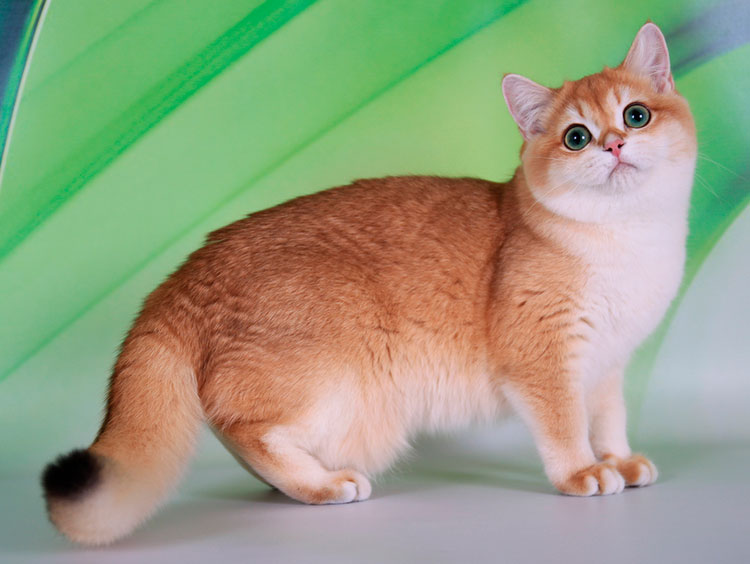
The color has its own standard, and the more closely it conforms to it, the more highly valued it is. The undercoat should be light apricot to golden. The ears, chin, belly, and chest are apricot. The nose, eyes, and lips are outlined with dark brown or black. The head, back, sides, and tail should have sufficient black or brown tipping to give the coat the desired golden hue. If the hairs are darkened over 1/3 of their length, the coat is called shaded, and if over 1/8, it is called chinchilla. A ticked coat can also be found in golden coats. These cats are darker, and each hair has two or more black stripes, not just one. Sometimes, tabby markings, stripes on the body, paws, and markings on the head characteristic of the coat are visible on the golden coat.
Uniformity of color and the absence of a gray tint in the undercoat are highly prized. Eyes are green or blue-green. The nose leather is red, and the paw pads are black or brown.
Golden Chinchilla: What is this breed?
Interestingly, golden chinchillas are often distinguished from other cats of their breed by their smaller size and late development. They typically have a very docile and affectionate nature, are people-oriented, have a stable psyche, are not aggressive toward adults or children, respond appropriately to external stimuli, are very sociable, and are rarely vindictive.
The British Golden Chinchilla often differs from classic representatives of the breed by its longer, silkier coat. Its willful nature is usually toned down.
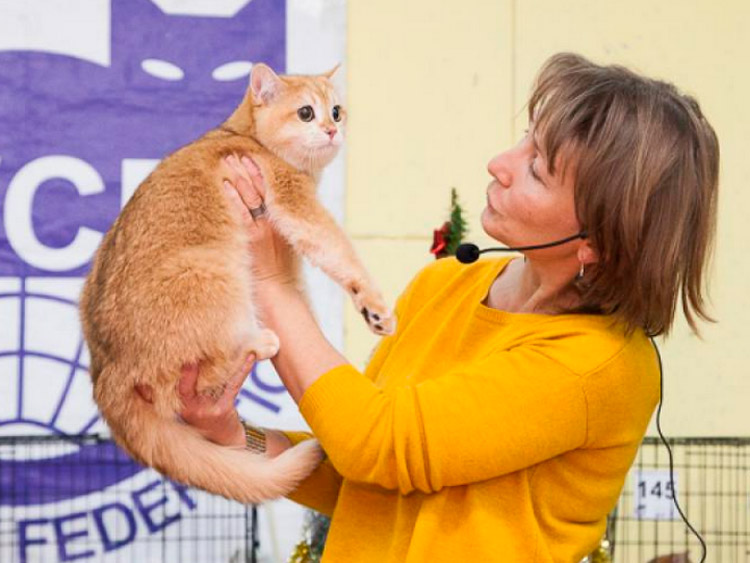
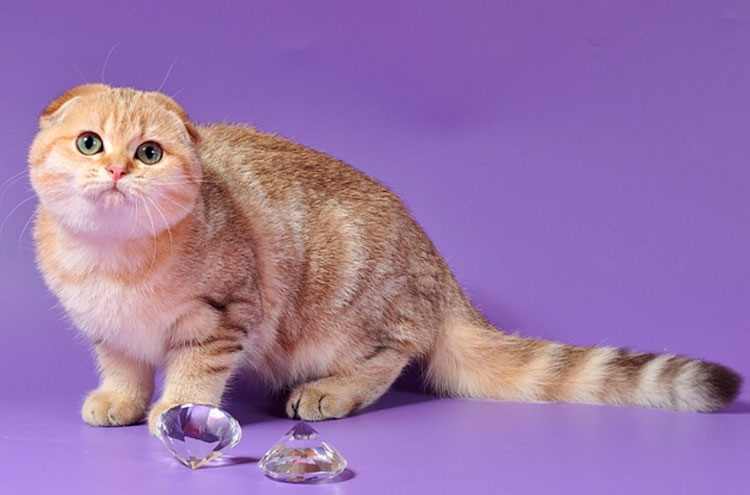
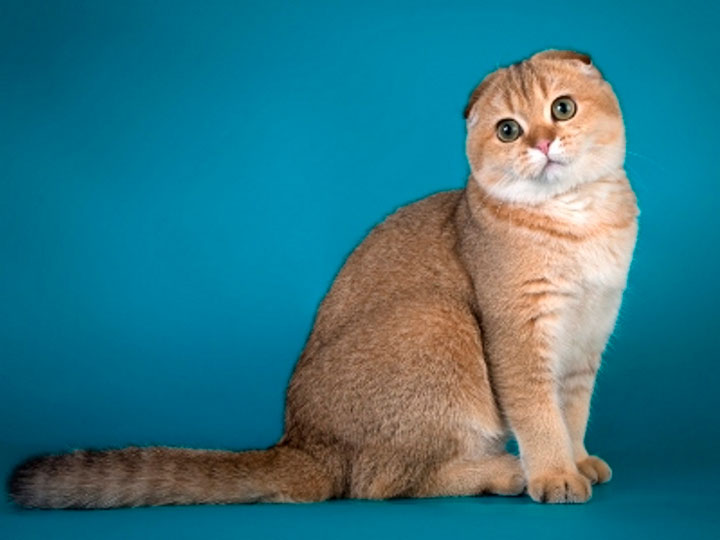
Scottish Fold cats can be fold-eared or straight-eared, short-haired or long-haired.
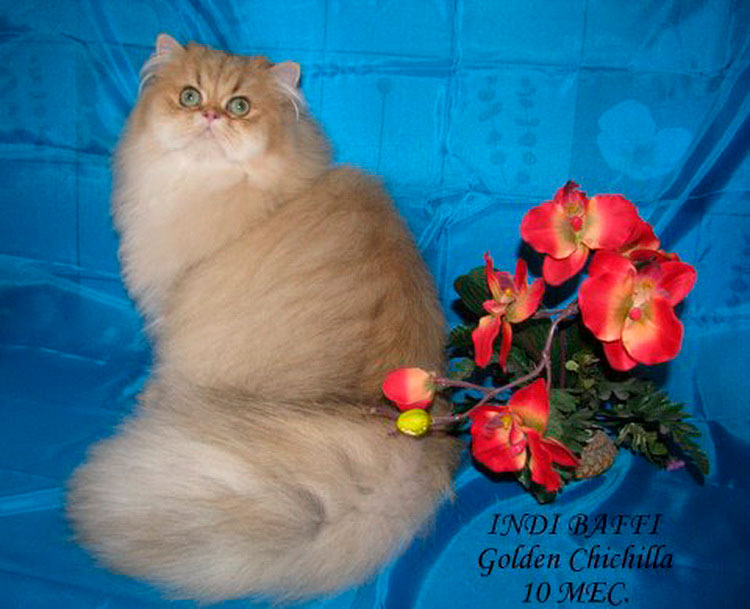
The Persian Golden Chinchilla, like other Persians, has very long, thick fur that requires extensive grooming. It often has a distinct personality, being more active, playful, and affectionate.
Where to buy a golden chinchilla kitten
Those who have finally decided to buy a golden chinchilla should decide on the breed. Will it be a plush, intelligent British Shorthair, a soft and gentle Scottish Fold, or an independent, fluffy Persian?
When searching for pedigree kittens, prospective owners inevitably encounter abbreviations that are not understood by everyone, for example, BRI ny12 64. This is how cats are recorded in pedigrees. The first three capital letters indicate the breed: BRI - British; SFL and SFS - Scottish Fold Shorthair and Longhair, respectively; SCS and SCL - Scottish Straight Shorthair and Longhair, respectively; PER - Persian. Next, two small English letters "ny" indicate the color. N - black and y - gold. The number after them indicates the color variation: 11 - shaded; 12 - chinchilla; 25 - ticked. And the last two digits indicate the eye color, which should be green - 64, but can also be blue - 61 or orange - 62.
When people say "golden chinchilla," they often mean cats with one of three color variations: shaded, chinchilla, and ticked. While each is noticeably different, each is golden and beautiful in its own way.
Very few catteries can boast of kittens with a truly golden color. Most kittens have what's called a half-tone. They are hastily labeled as golden chinchillas before being sold, but later they fade, and the color can change significantly. If a kitten is being adopted for personal reasons, these nuances are of little importance; the purity of the color is of primary importance to breeders.
Price
Ads for golden chinchilla kittens are rare, but British golden chinchillas are the most common. Prices start at 25,000 rubles and reach up to 70,000 rubles for highly prized specimens. Scottish and Persian kittens cost about the same. Pet kittens cost 15,000-25,000 rubles, while promising breeding kittens start at 35,000 rubles.
Photos
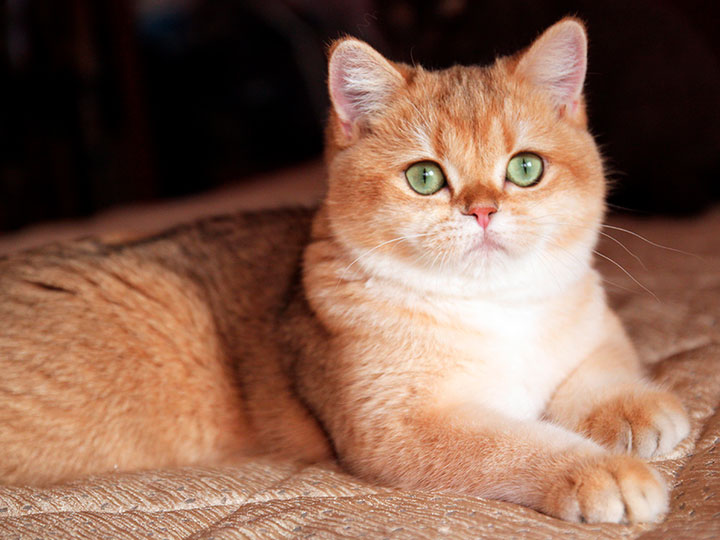
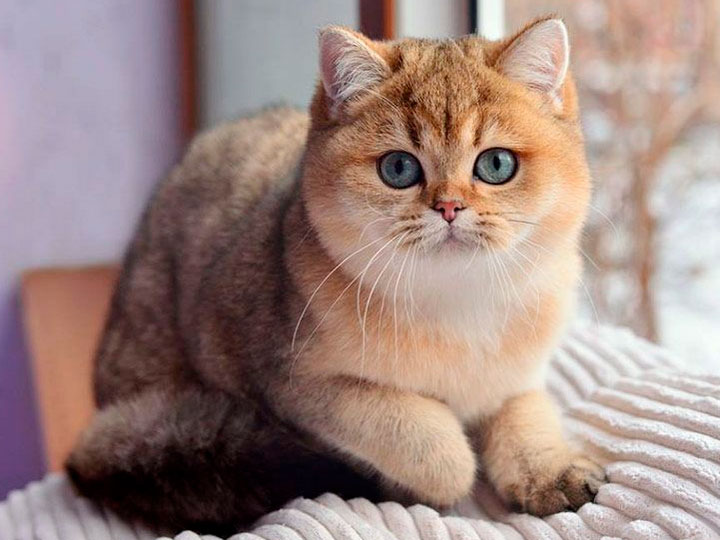
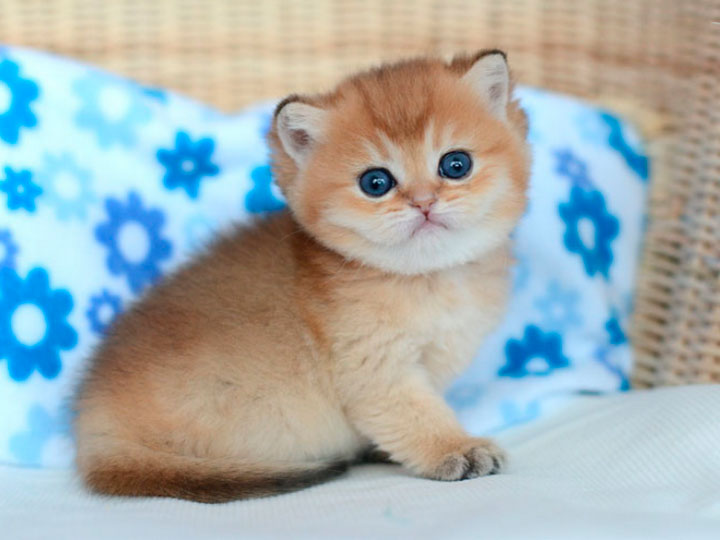
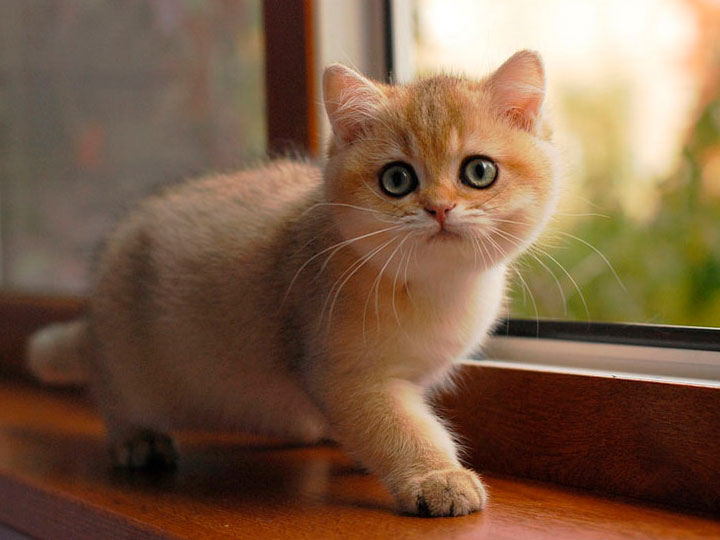
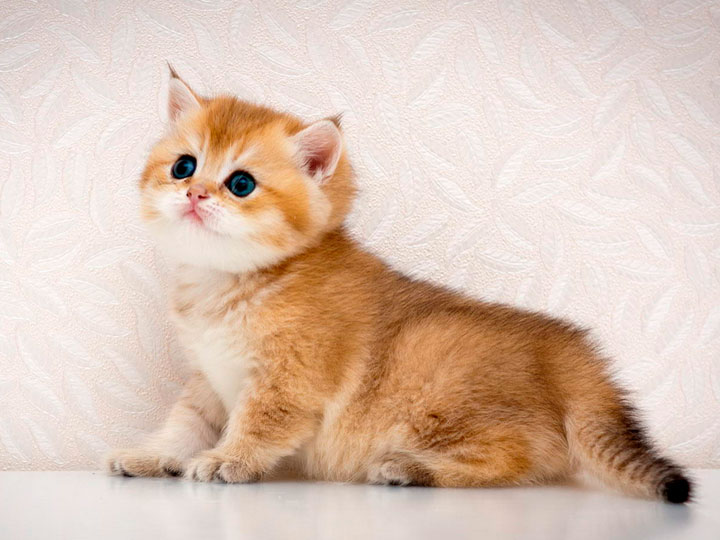
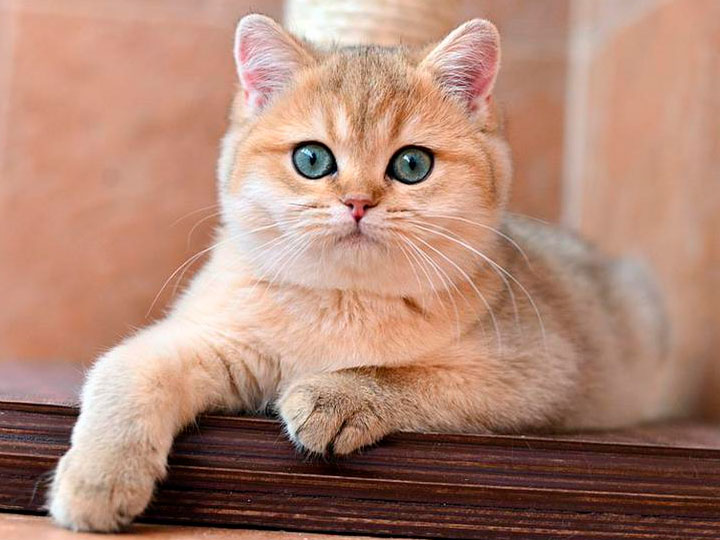
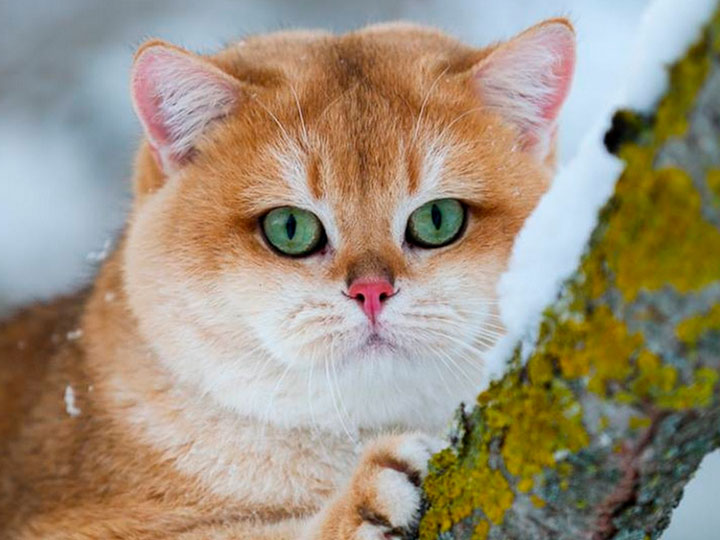
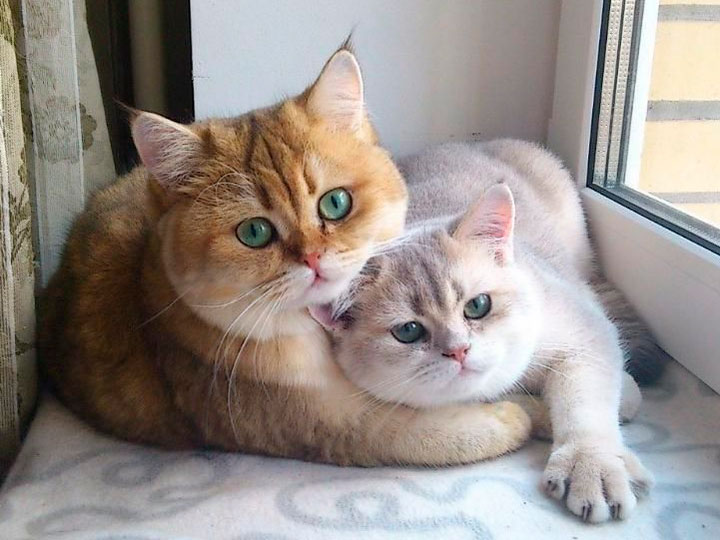
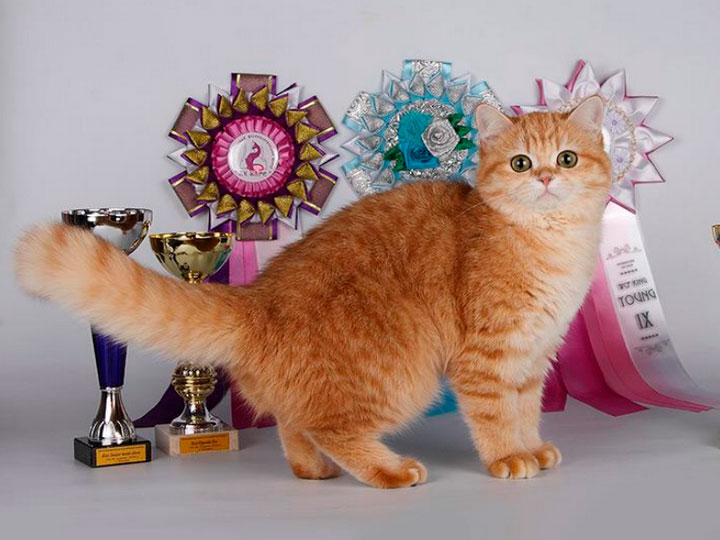
This gallery features photographs of cats known as golden chinchillas. These cats represent three breeds: Persian, British, and Scottish Fold, with various variations of the golden color: shaded, chinchilla, and ticked.
Read also:
- The Top 15 Most Popular Cat Breeds in the World
- Cats with blue eyes: breeds
- How many cat breeds are there in the world?


Add a comment