
ZKS for dogs: what is it?
Protective and guarding skills don't emerge immediately; they need to be developed purposefully. This is most easily accomplished with a set of training exercises—called ZKS for dogs—which is suitable for most breeds. Initially used in training service dogs, it is now of interest to amateur dog breeders as well, as it is considered the most effective training system.
Content
What is guard duty?
Only healthy, large, and physically fit dogs are suitable for guard and protection duties. They must have strong teeth, an excellent sense of smell, and equally good vision and hearing. When selecting puppies for this type of work, preference is given to those with a balanced nervous system, a wary disposition toward strangers, courageous behavior, and high energy levels.
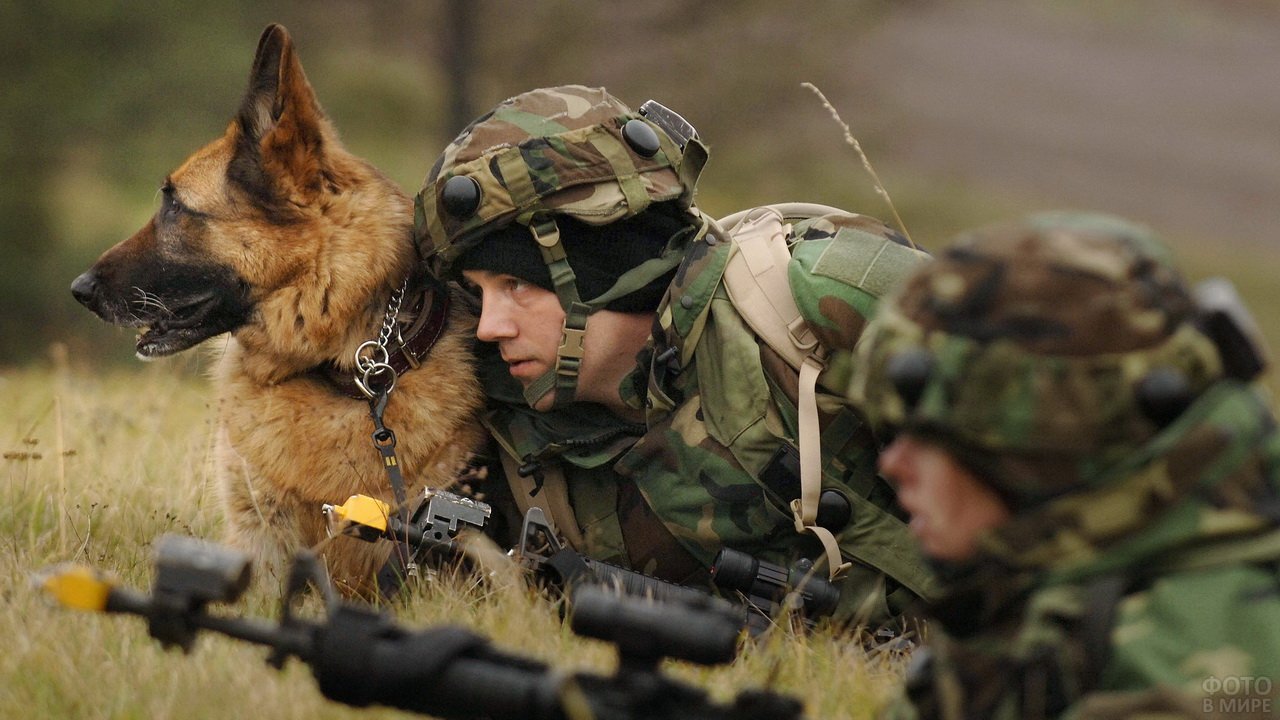
Training of ZKS dogs occurs through the use of three significant instincts:
- Social. It helps you interact effectively with others.
- Protective. Thanks to it, the dog is able to behave aggressively when necessary.
- Hunting. This refers to the ability to instinctively chase someone and seize prey.
Essentially, ZKS is the development of specialized skills in an animal. A well-trained dog can:
- to distinguish by smell who owns things;
- do not take food from strangers;
- to protect both the owner himself and the property belonging to him;
- detain and escort the offender;
- search the area;
- understand the meaning of the command "Fu".
The German Shepherd ZKS will not be afraid of a gunshot.
Historical facts
The system originated during the Soviet Union. It became the equivalent of the IPO test, which was conducted internationally. Only professional dog handlers are familiar with the methodological intricacies.
The foundation of the domestic ZKS lies in the military training methods of the 20th century. Currently, Russian law enforcement agencies, using these skills, train animals in various disciplines. After undergoing extensive specialized training, the following dogs graduate:
- guards;
- escorts;
- search;
- guards.
The choice of a specific training program is based on information regarding the future specialty.
It is very important to act in such a way as not to cause irreparable damage to the nervous system and psyche of animals.
Currently, the ZKS has been transformed from a military standard into a sporting standard. Individuals that complete all the requirements are allowed to participate in breeding shows.
Learning special commands
Guard dog training begins with a general course (OKD) to ensure that the animals' behavior (by this point they should be one to one and a half years old) is within controllability standards.
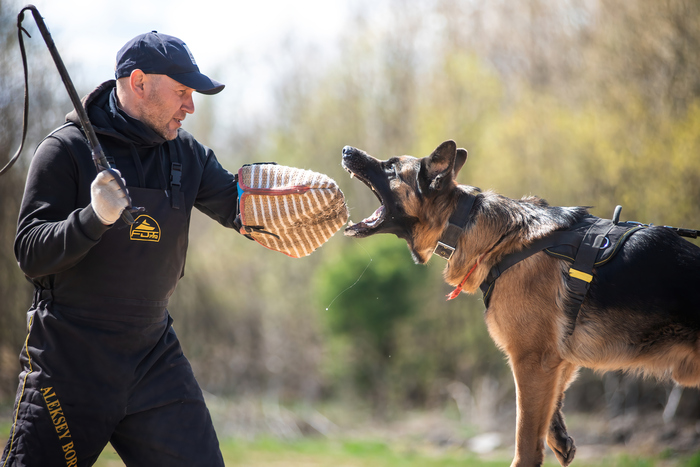
Work is underway with teams that instructors call:
In fact, the flawless execution of commands is the basis of the entire guard and security service.
Common mistakes
It will be very difficult for a dog to understand human speech if the person training it starts talking to someone else at the same time. In this case, conditioned reflexes are inhibited. Avoid being distracted when giving commands.
It's crucial to maintain the order in which basic skills are developed. What is ZKS training, essentially? It's a gradual process, moving from simple to complex. Until it's clear the dog has truly mastered a particular command, teaching it another one is strictly prohibited.
Sometimes dog trainers don't take into account the individual characteristics of an animal, which makes training much less effective.
Overtraining. If the same skills are practiced too often, fatigue may occur, performance will decline, and the nervous system will begin to suffer from overload. A learned technique should not be repeated endlessly.
Training can stall if the intonation is incorrect. Commands should be spoken in different tones, otherwise the dog's response to the stimulus will be weaker.
Ideally, the training process is designed to simulate "real-life situations" that require protection skills to manage. This requires a clear understanding of what a dog's protective skills are. Experts define this as the ability to make immediate decisions, independently assessing the danger posed by the current situation to the owner.
Necessary equipment
Proper animal training requires special equipment.
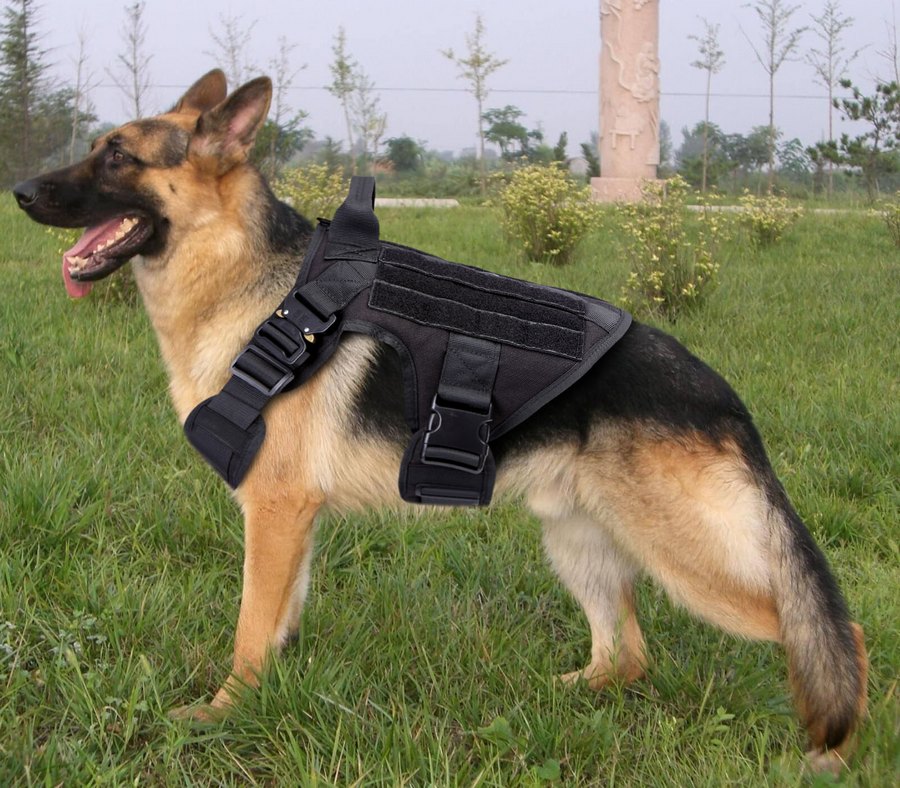
When working on a training ground, the dog must wear a soft collar. Typically, it is made of nylon.
Another option is a harness, but only when practicing guarding. While using a harness, you can handle the dog's collar differently—either leaving it on or removing it entirely. Both are acceptable.
Any skill, except for guarding, is developed without a leash.
When training, it is prohibited to use devices (for example, halters) that can be used to correct behavior.
Electronic devices, such as prong collars or electric collars, are also prohibited. This also applies to dummy collars.
What breeds can be trained?
The use of a ZKS is primarily suitable for working breeds. These include:
- American Bulldogs;
- Dobermans;
- shepherd dogs;
- Rottweilers;
- Russian Terriers.
Of course, trainers pay primary attention to the animal's size, but its character is equally important. Overly timid or overly aggressive dogs are unlikely to perform well in this role. There are also other nuances related to the breed's characteristics. For example, most Caucasian and Central Asian Shepherds are excellent guardians of their owners and their belongings, but they often hesitate when retrieving an object.
Benefits of training
The goal of training is to achieve specific results, not a spectacular show. After training, a pet becomes more balanced and well-adjusted, and its endurance increases. Such a dog will be able to protect both its owners and the property they leave under the guard of their four-legged friend.
If the dog successfully completes the course, the owner receives a special certificate. The dog can then demonstrate its skills during competitions. Such competitions are held at various levels—from city and regional to national—and at the first stage, kennel clubs provide the venue for demonstrating the acquired skills. The most prestigious tournament is the Russian National Dog Training Championship.
Technical execution of commands can vary among individuals, so certificates are awarded at several levels. Competitors are evaluated using a point system. Not only the dogs' performance is considered, but also the behavior of their owners. Those who treat animals harshly or take actions aimed at distorting the skills demonstrated are subject to fines.
To ensure a successful outcome, it's best to entrust your pet's training to dog trainers with significant, positive experience. This way, the dogs will be able to demonstrate everything they've learned without harming anyone who poses no threat.
Read also:
- How to potty train a puppy using a pad
- How to train a dog to wear a leash and collar
- UGS for dogs: what is it?


Add a comment