
Animals of the Red Data Book of Russia and the world
The Red Book is a list of wildlife species that are present in small groups or are threatened with extinction. Some of them can only be seen during visits to nature reserves or zoos, so it's crucial for humanity to make every effort to preserve the Earth's wildlife. To raise awareness of this issue, the Red Book was created. It contains brief descriptions and photographs of animals from Russia and around the world. Below, we'll tell you about the animals included in it.
The Red Book of Russia
The Russian paper version of the Red Book was first published in 2001. It includes a large number of different animal categories. Below are a few representatives of Russian fauna that are directly threatened with extinction.
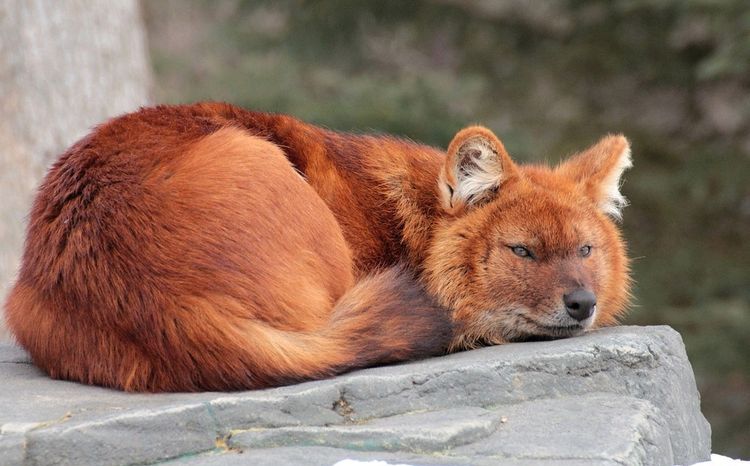
Red (mountain) wolf
This Far Eastern inhabitant generally resembles a fox, which is one of the reasons for the species' extinction. Hunters often shoot them for their fluffy fur, overlooking one distinctive feature: the tip of a wolf's tail, unlike a fox's, is black. Mountain wolves live and hunt in groups, allowing them to quickly hunt and kill animals that weigh 10 times more than themselves.
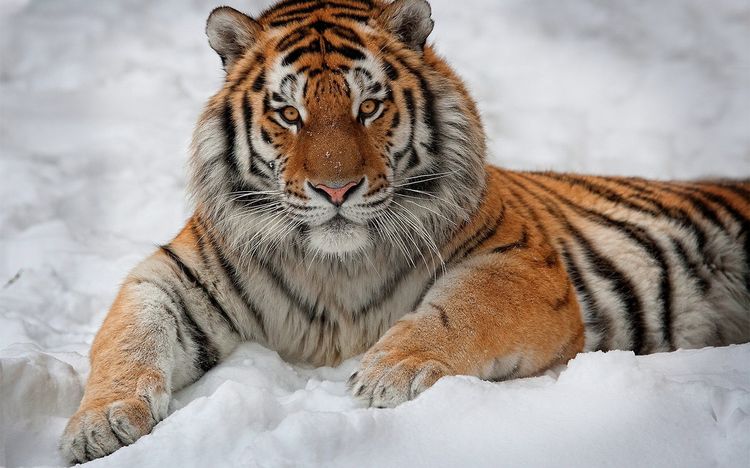
Amur tiger
This is the only tiger species that has adapted to the harsh taiga climate thanks to a five-centimeter layer of fat deposits in the abdominal area. They most often live in areas inaccessible to humans, where wild boar and deer—the Amur tiger's main food—are found. Currently, their population numbers no more than 400 individuals, but even this doesn't stop some poachers. Read also on our website about Amur forest cat.
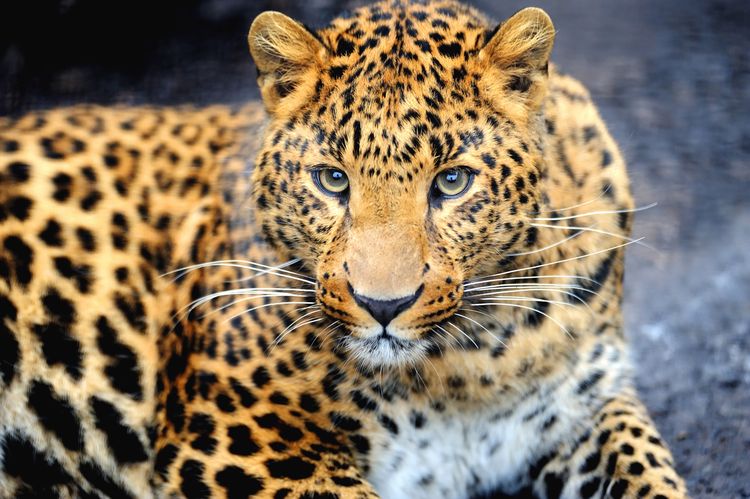
Far Eastern leopard
This is one of the rarest members of the cat family. It never attacks humans. In Russia, this species of leopard can be found exclusively in the southern regions of Primorsky Krai, where approximately 50 individuals live. These animals are also protected by Chinese conservation laws, which stipulate severe penalties for killing one, including death for the poacher.
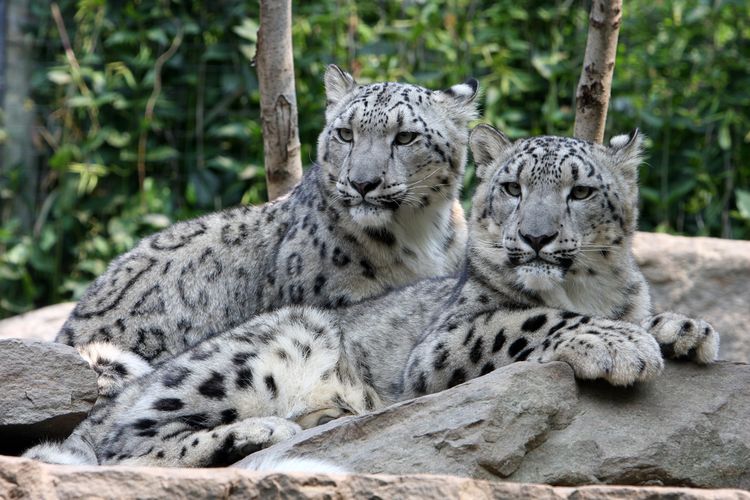
Irbis (snow leopard)
Another predator listed in the Russian Red Data Book, snow leopards inhabit the mountainous regions of southern Siberia and Central Asia. Partly due to their habitat in such harsh and inaccessible conditions, snow leopards still exist on planet Earth. However, they are now considered rare: the Russian population numbers approximately 50-70 snow leopards.
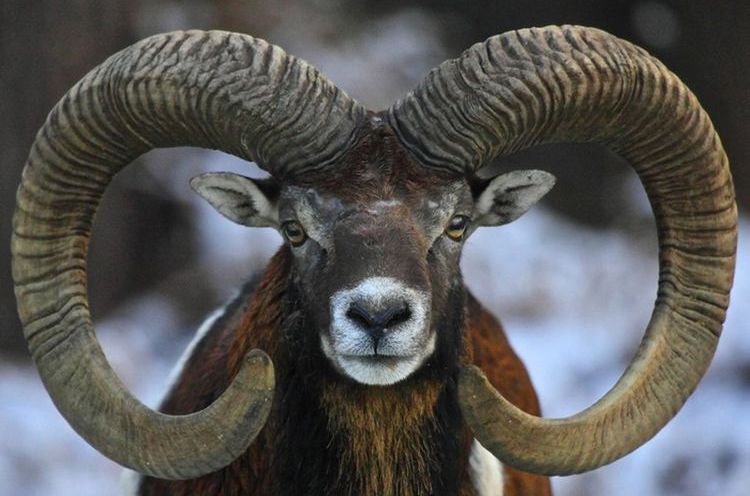
Altai ram (argali, argali)
The Latin name for this species is "Ammon," evoking associations with the Egyptian sun god Amun. Argali are considered the largest wild sheep. They have a robust body and coiled horns, which are often the primary target for poachers.
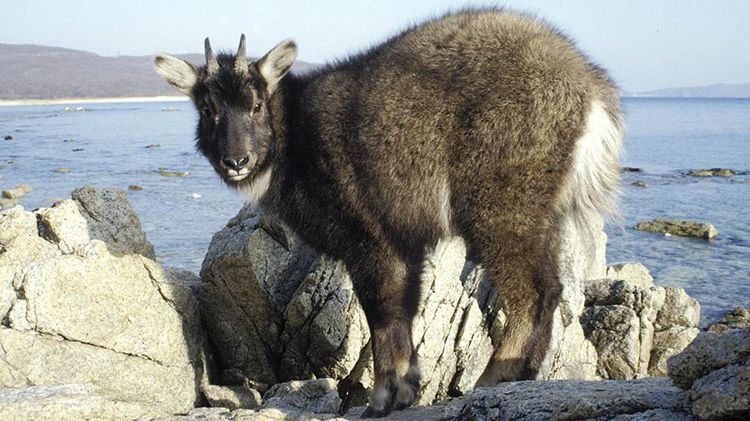
Amur goral
This is a species of ibex native to Primorsky Krai and often attracts the attention of poachers and hunters. In the wild, these animals typically live in small groups of 6-8 individuals. There are approximately 700 Amur gorals living in Russia, but most are kept in wildlife refuges and nature reserves.
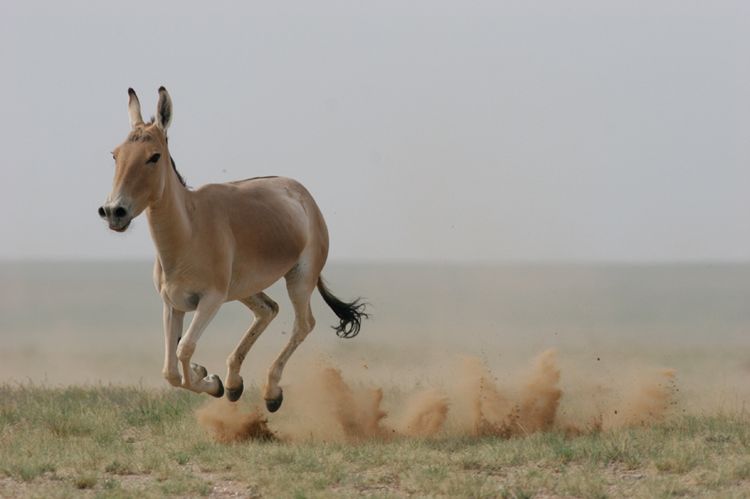
Kulan
A rare species of wild Asian ass, it is virtually impossible to encounter in the wild. The kulan reaches a shoulder height of 110-140 cm, a body length of 200-220 cm, and a weight of 120-128 kg. Its population is maintained only by being kept in protected areas.
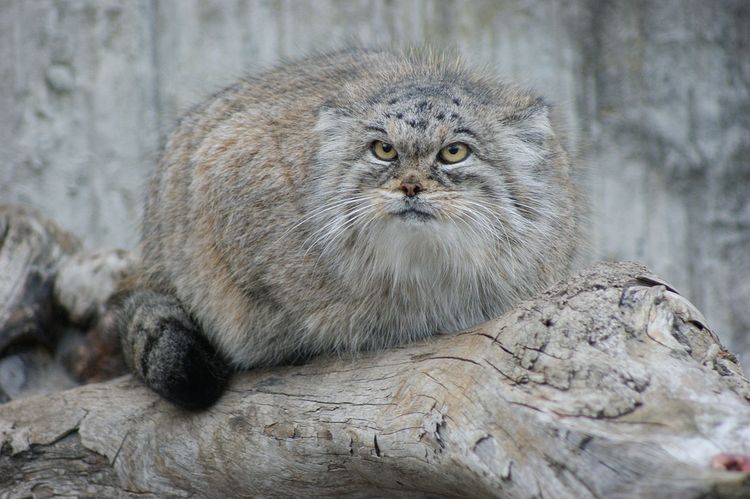
Palasov cat (manul)
This long-haired wild cat, listed as endangered, weighs up to 5 kg and measures up to 60 cm in length, covered in thick fur—up to 9,000 hairs per square centimeter of skin surface. The Pallas's cat is native to the Tyva and Altai Republics, Transbaikalia, and the Chita Region.
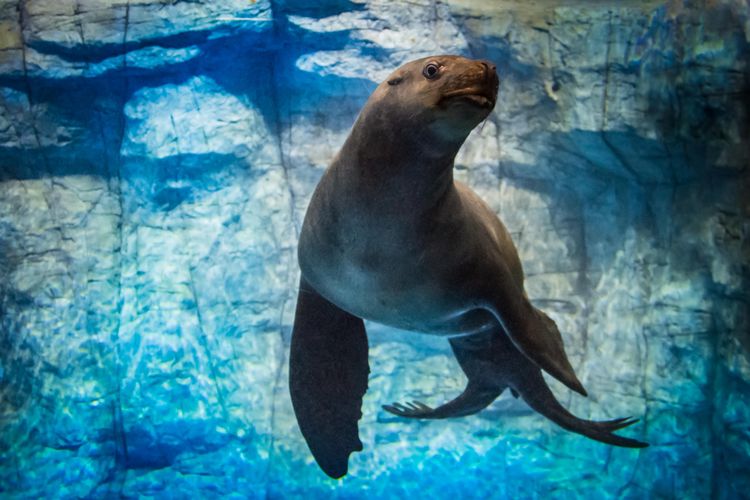
Sea lion
The northern sea lion's primary habitat is Kamchatka, the Commander and Kuril Islands, and Alaska. An adult Steller sea lion can weigh up to one ton, and its body length can reach 3 meters.
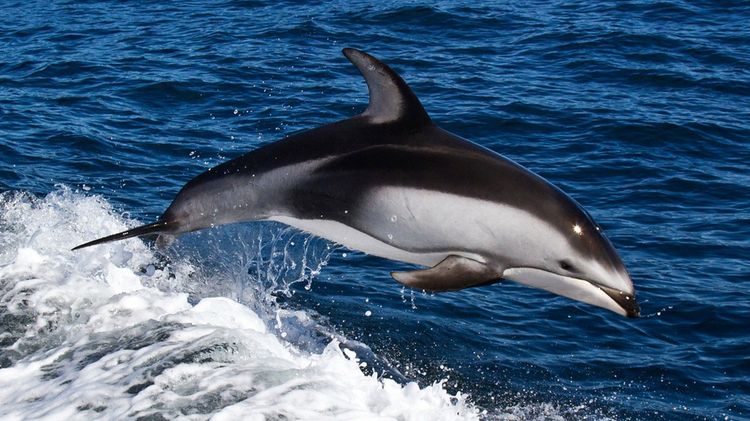
White-beaked dolphin
In Russia, the white-beaked dolphin can only be found in the waters of the Baltic and Barents Seas, most often in pairs or small groups of 10-12 individuals. The short-beaked dolphin has black sides and fins, and a small beak up to 5 cm long, giving it a cute appearance.
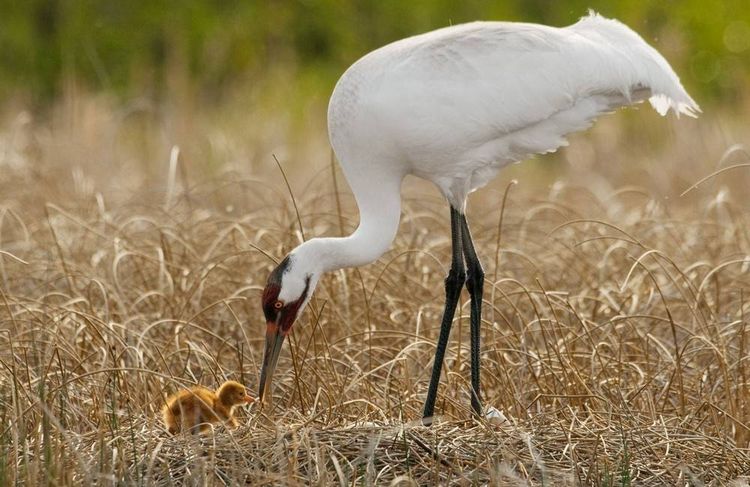
Siberian Crane (White Crane)
This bird can be considered uniquely Russian, as its nests are found only in Russia. The West Siberian crane population numbers no more than 20 individuals, while the Yakut population numbers approximately 3,000 birds.
Bison
The heaviest land mammal was almost completely exterminated in the early 19th century, but by the end of the century, specialists had restored their numbers to 1,800 animals in free-ranging populations. They reach a shoulder height of up to 2 meters, a body length of 3.3 meters, and a weight of 1 ton. Despite their impressive size, bison are characterized by light and agile movements. They are capable of climbing steep slopes and easily overcoming two-meter-high fences.
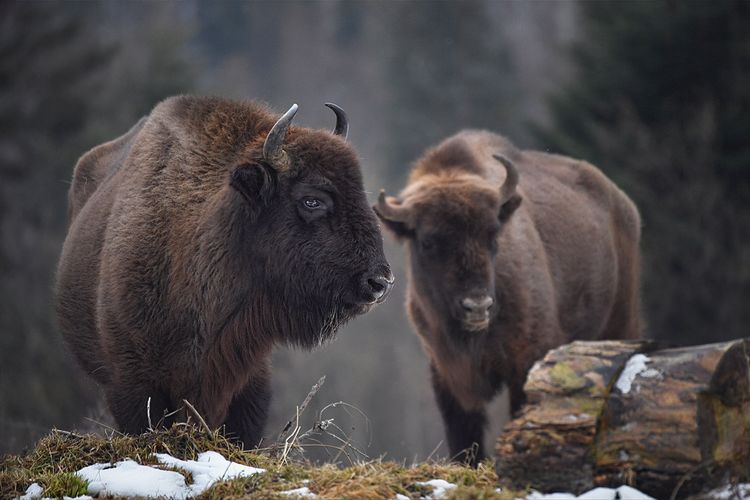
Representatives of the International Red Book
Many animals in need of protection live not only in Russia but throughout the world. Below are some of the animals listed in the Red Data Book of the World.
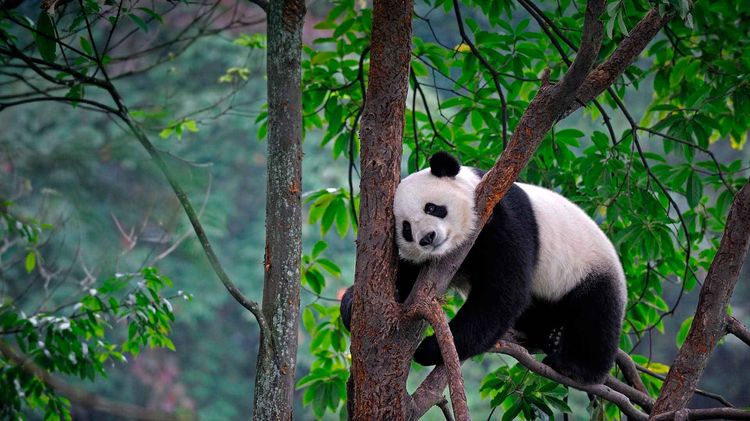
Giant panda
A drawing of this very animal is the symbol of the World Wildlife Fund. In nature pandas They live only on a few isolated plantations in South Asia, and the panda population worldwide is estimated at no more than 1,200 individuals. Find out more on our website. about red pandas.
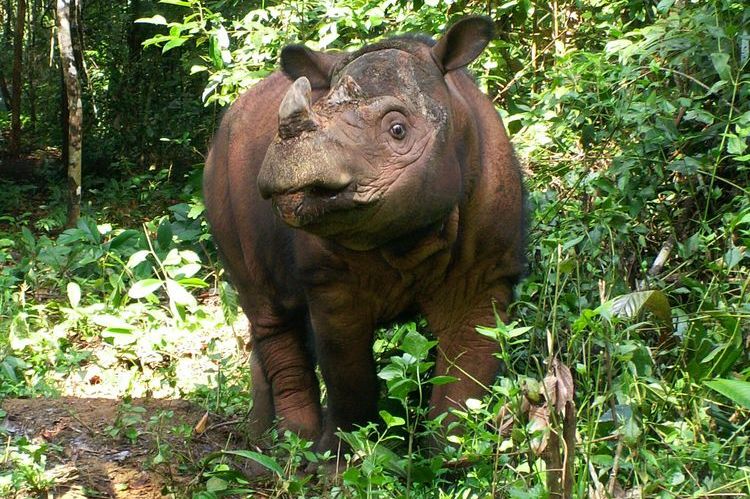
Sumatran rhinoceros
This is the smallest of the rhinoceros family, native to the tropical forests and swamps of Bangladesh and Thailand, Sumatra, Malaysia, and Indonesia. It stands no more than 150 cm tall and reaches 280 cm in length. There are 200-270 individuals worldwide. They often attract poachers, as 1 kilogram of rhino horn can fetch up to $30,000 on the black market.
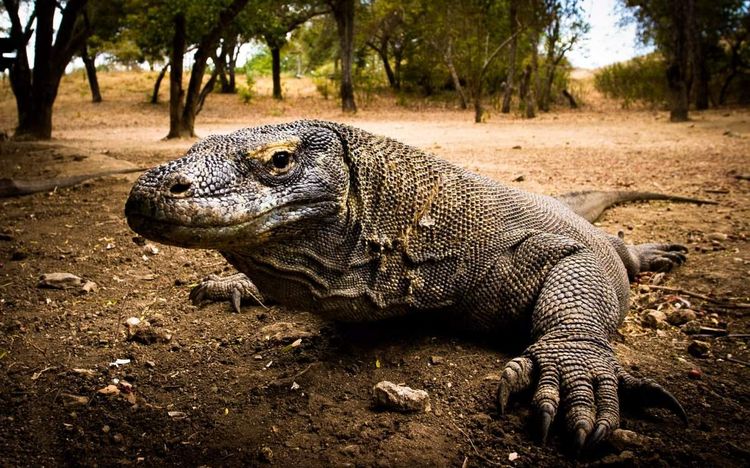
Komodo dragon
Another endangered species, found exclusively in Indonesia, it is the largest lizard on Earth: the Komodo dragon can kill a deer with just one swipe of its tail. Its body can sometimes grow over 3 meters long, and an adult can weigh over 150 kg.
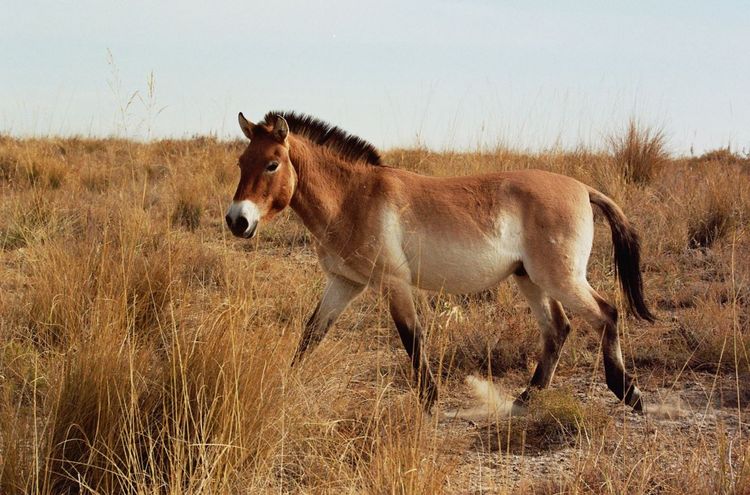
Przewalski's horse
This is the only species of wild horse that humans have never been able to domesticate. There are no more than 2,000 individuals on the planet, kept in nature reserves and zoos. Of these, only 300-400 Przewalski's horses live in the wild.
The animals can be found in the steppe regions of China and Mongolia, as well as in the exclusion zone near the Chernobyl Nuclear Power Plant, where several individuals were released back in the 1890s.
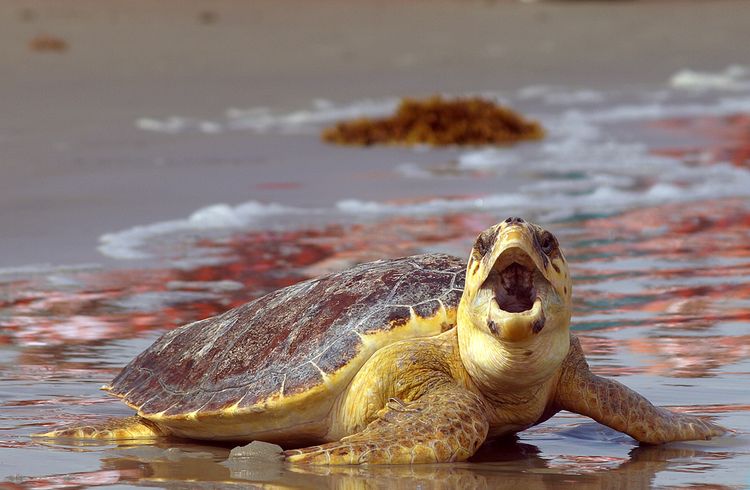
Loggerhead
The only species of loggerhead sea turtle, the loggerhead turtle lives in the Pacific and Indian Oceans, the Mediterranean, and the Barents Seas, as well as the Far East. The dramatic decline in these turtles' populations is due to the unrestricted harvesting of their eggs, which are considered a true delicacy, while their meat is not popular.
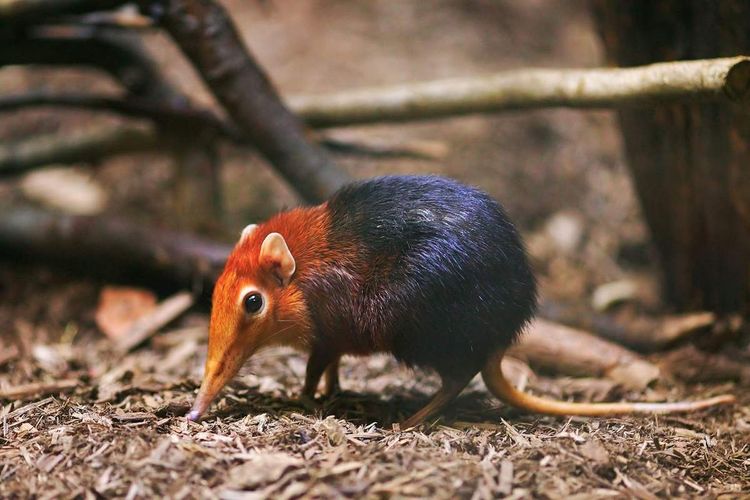
Peters' proboscis dog
The animal received its name thanks to the German zoologist and discoverer Wilhelm Peters. This elephant shrew is native to Africa, found in northeastern Tanzania and southeastern Kenya. Proboscis elephant shrews feed on small mollusks and insects. They often choose a single partner, with whom they remain for life.
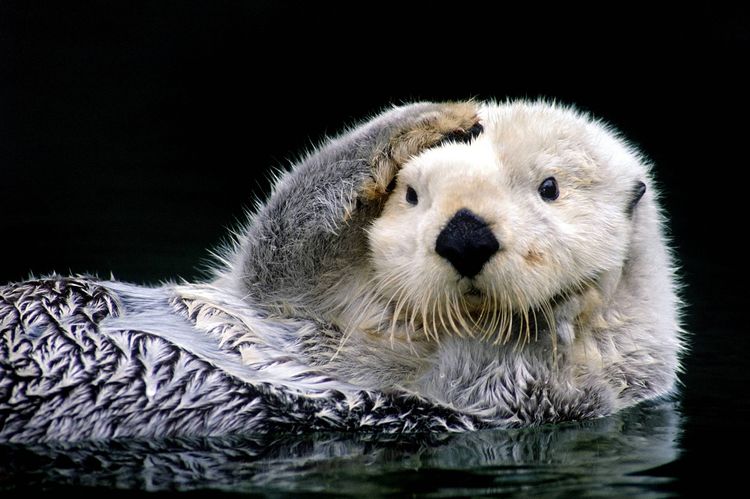
Sea otter (sea otter)
This predatory animal inhabits the Pacific coasts of the United States, Canada, Russia, and Japan. Sea otters have adapted well to life in the marine environment and have even learned to use the necessary tools. Hunting them is prohibited worldwide, with the exception of the indigenous populations of Alaska (Eskimos and Aleuts), due to their need to maintain historical traditions in diet and traditional crafts.
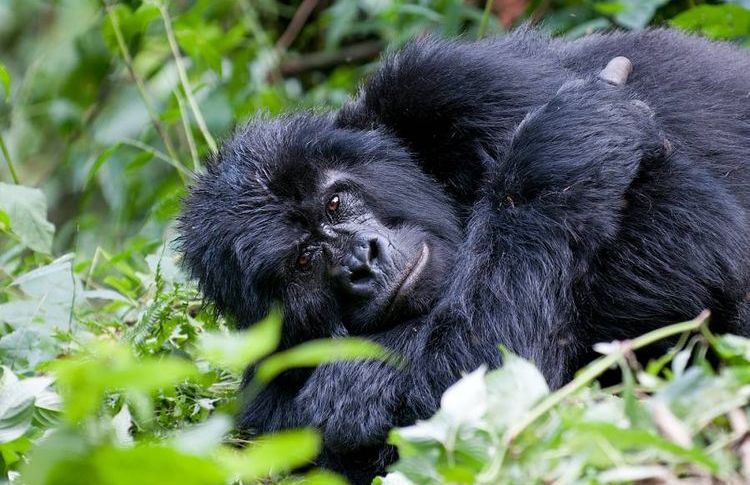
Mountain gorilla
Despite their impressive size and fearsome appearance, mountain gorillas are relatively sociable and peaceful animals. There are just over 700 mountain gorillas on planet Earth. They live primarily in the eastern part of the Republic of Congo and in the southwestern regions of Rwanda and Uganda.
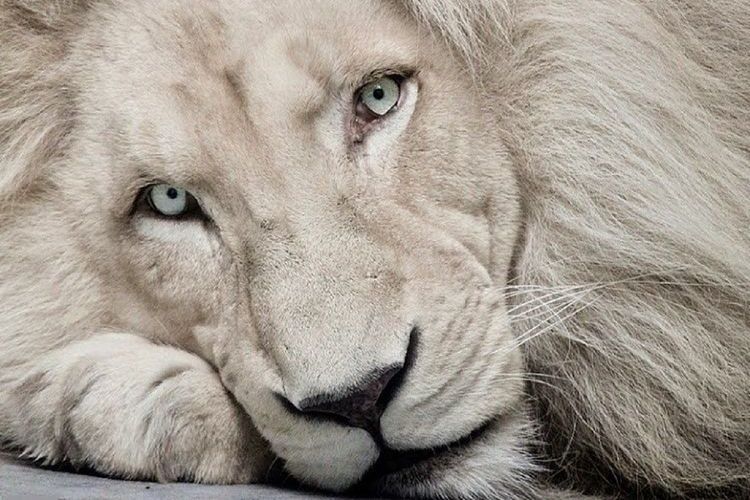
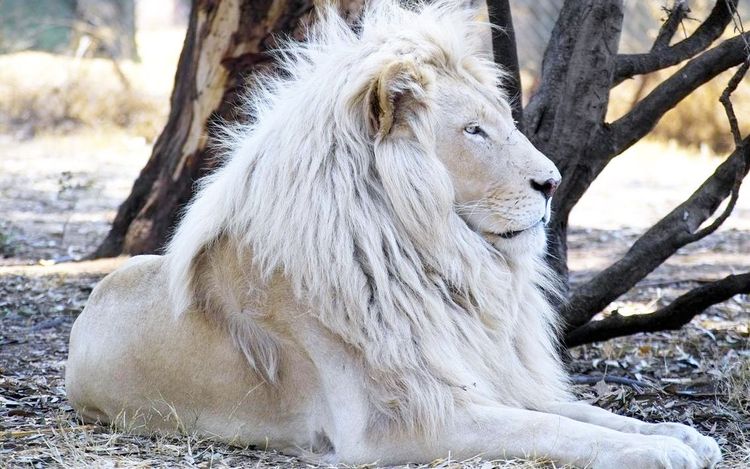
White Lion
These unusual animals are the result of a genetic disorder called leucism, which causes their light-colored fur. However, white lions are not considered albinos, as they have natural-colored eyes and skin. They were first discovered by scientists only in 1975 in a South African game reserve.
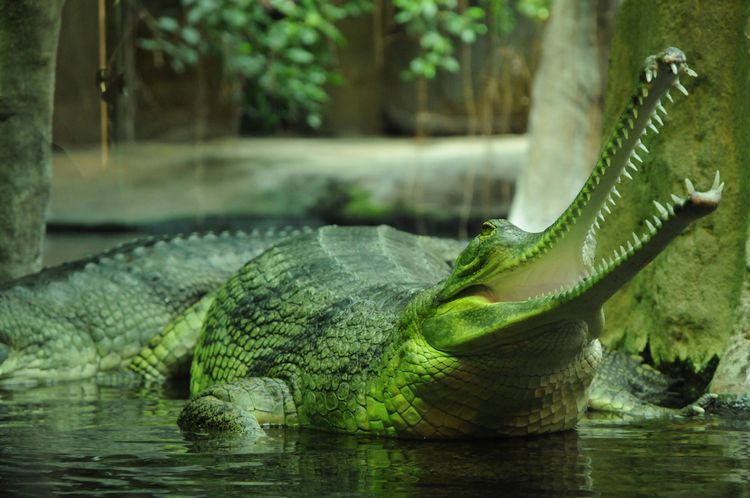
Gavial
The rarest species of crocodile, with its distinctive snout, is the gharial. The growths on this part of the male's body are one of the reasons for hunting gharials, as they are considered effective aphrodisiacs. In the 1870s, they were almost on the brink of extinction, but Indian scientists managed to increase their population to 1,500 animals through artificial breeding.
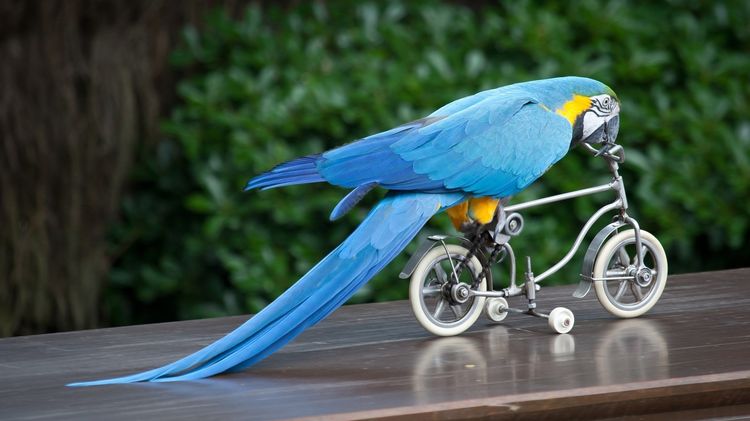
Blue Macaw
A species of parrot that is impossible to find in the wild. Scientists' attempts to restore the population were unsuccessful, and the last adult male died in 2000. Only 30 of these birds survive in captivity.
One of the reasons for the extinction of many animals from the face of the Earth is the destruction of their natural habitats by humans. Deforestation, industrial pollution, mining, and other activities force fauna to migrate to new habitats, ultimately resulting in their death. Listing animals on the Red Data Book is a way to alert people to this danger and encourage them to treat all animals with care.
Read also:
- What kind of animal is a wombat?
- The fastest animal in the world
- A dog that looks like a teddy bear is a breed


1 comment
Vasilisa
Yoohoo!
Add a comment