
Jaundice in dogs: symptoms, treatment methods
Jaundice (icterus) is a discoloration of the conjunctiva, mucous membranes of the mouth (tongue, gums), and/or certain areas of the skin—they take on a yellow tint. This symptom occurs when the bile component bilirubin is elevated in the blood. Jaundice in dogs is observed in association with many medical conditions.
Content
Types of jaundice
Jaundice is divided into suprahepatic, parenchymal (hepatic) and mechanical (subhepatic).
The largest amount of bilirubin is found in the red blood cell protein hemoglobin. During physiological aging or premature death of red blood cells, bilirubin is released into the bloodstream. In the case of suprahepatic (hemolytic) jaundice, hemolysis (red blood cell destruction) occurs more rapidly, and some of the pigment is deposited in the tissues. The dog then develops yellowing of the abdominal skin and yellow eyes. This phenomenon is observed in babesiosis (piroplasmosis) and ehrlichiosis, as well as immune-mediated anemia.
In parenchymatous jaundice, the pigment bilirubin is poorly utilized due to impaired liver function, when the gland is unable to convert it. Hepatic jaundice is observed in diseases such as cirrhosis, cholangiohepatitis, lipidosis, as well as neoplasms and infectious diseases that affect liver tissue. Parenchymatous icterus can also develop due to hormonal imbalances.
In subhepatic jaundice, the evacuation of bile and the bilirubin it contains into the intestine is impaired. This is caused by obstruction (partial or complete blockage) of the bile ducts.
Signs of jaundice
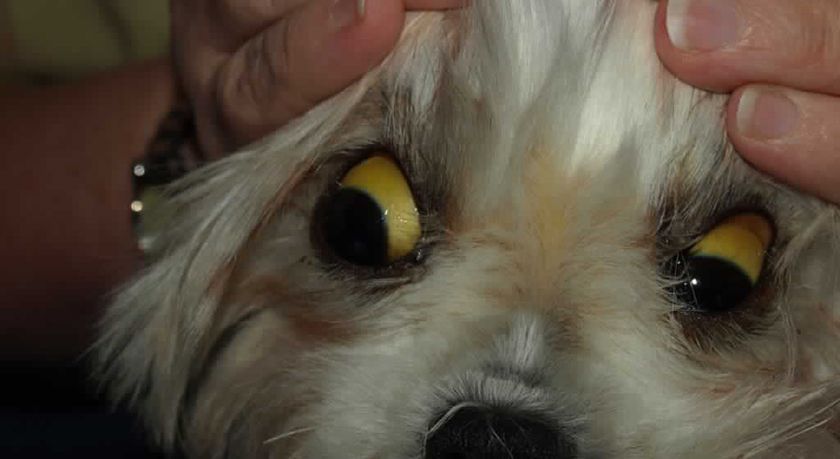
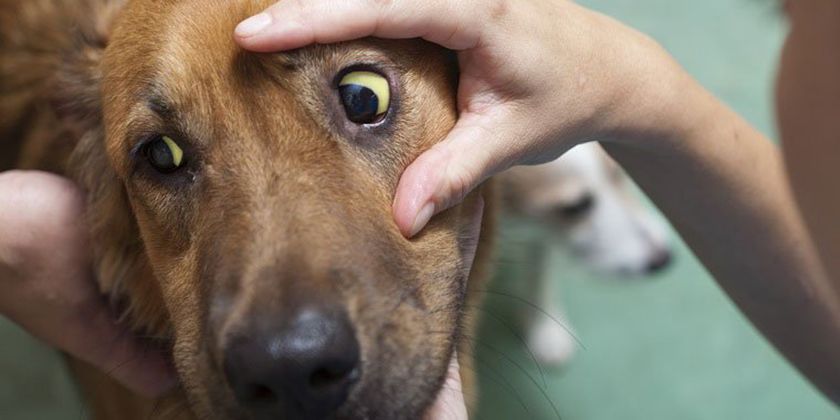
The most typical and obvious symptoms of icterus include a yellow tongue, yellow eyes, and skin on the eyelids and underbelly. Urine also often changes color to yellowish-brown.
Other possible signs of icterus include loss of appetite, anemia, decreased activity, and bowel disturbances (alternating diarrhea and constipation). Depending on the underlying condition, vomiting, persistent thirst, pale mucous membranes, mydriasis (abnormally dilated pupils), itchy skin, and foul-smelling urine may also occur.
Jaundice in dogs is not dangerous for humans, but the disease that caused it (for example, leptospirosis or helminthiasis), you can get infected.
Causes of icterus development
Symptoms of jaundice in dogs are manifested by the following diseases and pathological conditions:
- the presence of a neoplasm in the liver or kidneys;
- cholelithiasis (gallstone disease);
- infectious hepatitis;
- cholangiohepatitis (inflammation of the liver tissue and bile ducts);
- amyloidosis (deposition of a protein-polysaccharide complex, amyloid, in the liver parenchyma;
- bartonellosis;
- babesiosis (pyroplasmosis);
- borreliosis (Lyme disease);
- anaplasmosis (infectious thrombocytopenia);
- the presence of worms that live in the bile ducts.
- liver damage caused by toxic substances;
- genetic disorders associated with the utilization of bilirubin (for example, Gilbert's syndrome), the breeds at risk include boxers, shar pei, bedlington terriers, and hounds;
- fungal infections - histoplasmosis (Darling's disease), coccidioidomycosis.
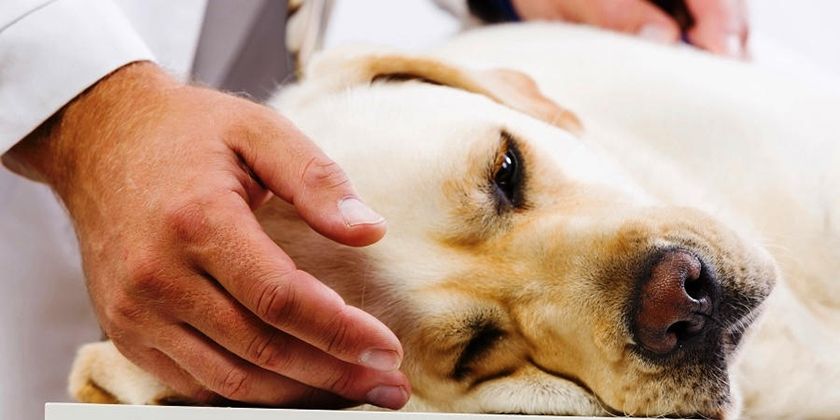
Yellow mouth and whites of the eyes in a dog can be a consequence of the toxic effects of medications when used incorrectly or in case of overdose.
Diagnostics
If a dog's eyes or mucous membranes in the mouth turn yellow, a veterinarian will use a medical history and laboratory and instrumental examinations to determine the type of disease that caused the jaundice, as it is the underlying disease that needs to be treated, not the symptoms of jaundice.
Diagnosis begins with blood tests:
- During clinical analysis, the content of red blood cells and the degree of their saturation with hemoglobin are determined.
- A biochemical analysis shows the level of liver enzymes and bilirubin, indicating the presence of immune pathologies.
- Blood is also tested for the presence of parasites, herpes virus, hepatitis, toxoplasmosis, canine distemper, and brucellosis. Bacteriological and serological blood tests allow detection and identification of pathogens and specific antibodies to them.
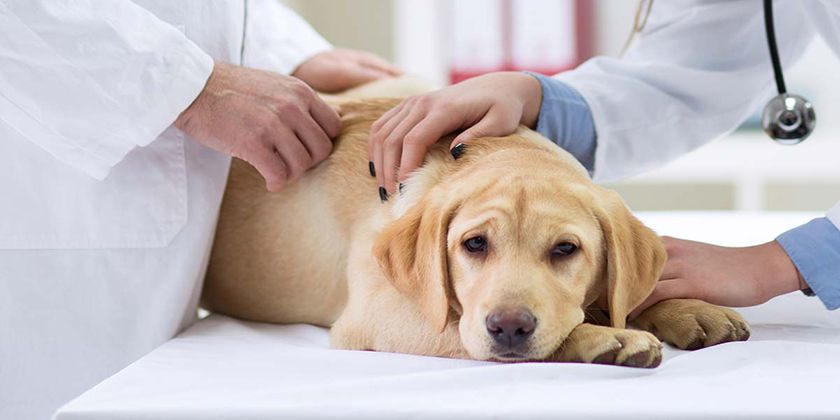
The next step in differential diagnosis is a non-invasive imaging study using X-rays and ultrasound. The size and condition of the liver parenchyma and bile ducts are determined. If necessary, a liver biopsy may be performed to detect malignant cells.
Treatment
The treatment for jaundice in dogs is determined by a veterinarian: each disease causing jaundice requires an individualized treatment plan. Specific therapy aims to eradicate the pathogen causing the jaundice. Palliative care aims to relieve symptoms and alleviate the animal's condition.
Depending on the situation (type of disease and symptoms), the doctor may prescribe the following for the dog:
- to eliminate swelling, diuretics Furosemide or Indapamide;
- for the treatment of heart diseases Cordiamine, Sulfocamphocaine;
- antiemetics Vetspokoin, Metoclopramide, Serenia, Atropine sulfate;
- anti-inflammatory Previcox, Ricarfa;
- antispasmodics Buscopan, No-shpa;
- anticonvulsants Levetiracetam, Potassium Bromide, Gabapentin;
- to support liver function: Gepadol, Gepasafe, Gepacarnitol;
- for allergic reactions, antihistamines Glucortin, Allergostop, Dexamethasone;
- If dehydration develops, a glucose solution or Ringer's lactate solution is administered intravenously.
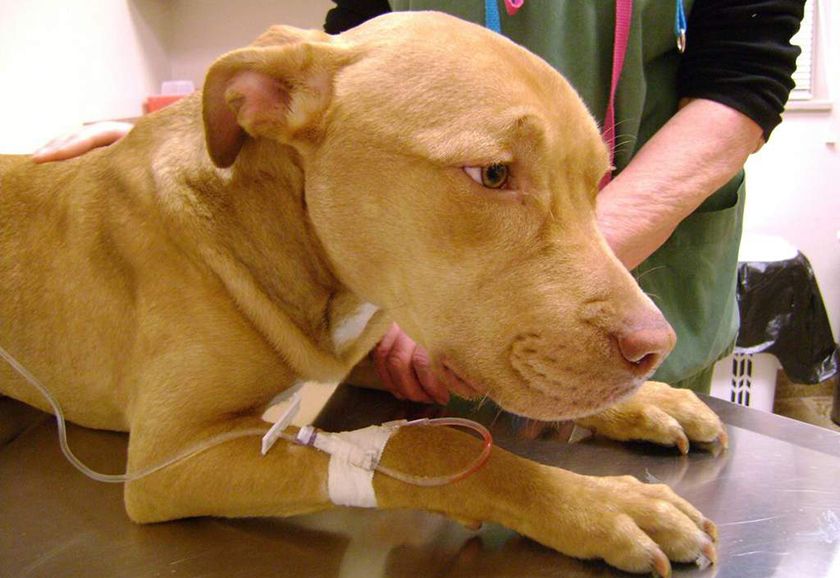
During your pet's illness, it's best to avoid strenuous physical activity, such as exercise, long walks, or active play. It's also important to keep your dog in a warm room.
Diet for dogs with jaundice
Treating jaundice in dogs also involves a dietary approach. Fatty and high-protein foods should be limited in the dog's diet for a long period of time. Feed the animal a diet of porridges, soups, and vegetables. Any porridge can be given, except barley (which is difficult to digest).
If your dog is accustomed to prepared foods, it's best to choose therapeutic options, preferably canned rather than dry kibble. Experts recommend Royal Canin Hepatic Canine Cans, Brit VD Hepatic Dog Cans, and Hill's PD Canine L/D wet foods, which are designed for dogs with liver, kidney, and gastrointestinal issues.
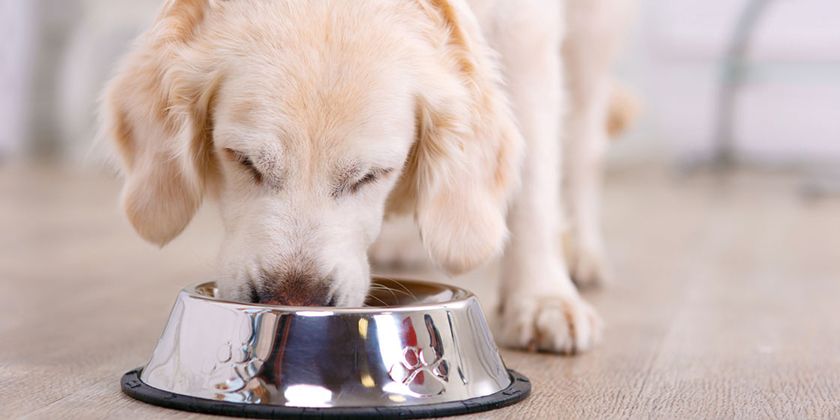
Dogs with jaundice need to drink more fluids; this facilitates the excretion of bile pigments in the urine. In addition to fresh water, giving a decoction of rose hips and juniper berries is helpful. Glucose can be added to the water, and vitamin and mineral supplements (focusing on vitamins B6, B1, B2, and E) are also recommended.
Forecast
The prognosis for jaundice in dogs depends on the type and severity of the underlying disease, as well as the animal's age and overall health. Prompt medical attention plays a key role in determining the prognosis. If the dog is brought to the clinic promptly, undergoes the necessary diagnostic procedures, and begins treatment, its chances of recovery are significantly increased.
Fatalities, especially in puppies and older animals, are most often caused by leptospirosis and severe liver disease. Severe poisoning, which can cause brain damage, is also life-threatening.
Preventive measures
The main measures to prevent jaundice in dogs include:
- A properly organized diet that can provide the animal's body with the necessary nutrients.
- Consumption of thermally processed food - raw meat may contain pathogenic microorganisms or helminth larvae.
- Maintaining hygiene – the place where the dog lives should be disinfected periodically.
- Storing toxic substances and medications in places inaccessible to animals.
- Timely vaccination of dogs against infectious and parasitic diseases.
- Regular deworming (this will prevent the animal from becoming clogged with parasitic worms in the bile ducts).
If your pet has a genetic predisposition to bilirubin metabolism disorders, it's important to regularly check your pet for signs of jaundice and to ensure regular veterinary checkups.
Read also:


1 comment
Olya
What to give an alobai for jaundice
Add a comment