
Yellow Vomit in Dogs: Causes and Treatment
Yellow vomit in dogs is a signal from the body indicating problems in the digestive system. The causes of such problems can be physiological and temporary, or they can develop as a result of pathological processes that threaten the animal's health and even life. Therefore, if your dog has vomited yellow fluid, before consulting a veterinarian, it's important to analyze the accompanying symptoms and, if necessary, provide first aid.
Content
Physiological causes of yellow vomit
The stomach lining constantly produces a layer of mucus, which protects it from damage by acid and coarse food. When mixed with swallowed air, this mucus forms foam, and when exposed to bile acids, it turns yellow. Consequently, if there is no food in the stomach, triggers will cause the dog to vomit a yellow fluid consisting of mucus or foam.
Most often, physiological vomiting is caused by three reasons:
- swallowing a foreign object;
- formation of a hairball in the stomach;
- prolonged fasting.
In these cases, vomiting manifests itself as a natural protective reflex of the body, which seeks to get rid of a damaging factor in the stomach (a foreign object or excess stomach acids).
Therefore, if an adult dog, and especially a puppy, vomits yellow fluid in the morning but shows no other negative symptoms, there's no cause for concern. Due to the long gap between meals, digestive juices have accumulated in the stomach, and vomiting prevents the acidic contents from corroding the stomach walls. However, after feeding, you should monitor your pet for any changes in behavior and adjust their feeding schedule by shortening the intervals between meals.
Pathological processes causing vomiting of bile
Quite often, yellow vomiting in dogs can be a symptom of serious underlying health issues. These conditions include many different illnesses, which can be classified into the following groups.
Poisoning
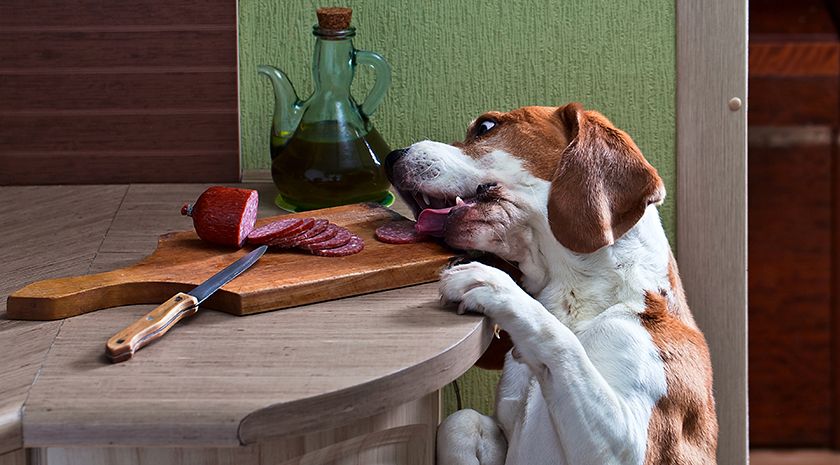
Intoxication of the body is caused by ingestion of something picked up on the street or medications and chemicals left unattended, as well as by eating spoiled natural food or dry food contaminated with fungi, etc.
Symptoms of poisoning depend on the toxicity of the substance ingested, but most commonly include vomiting, diarrhea, apathy, shortness of breath, tremors, and loss of coordination. Poor diet, especially the constant consumption of fatty, fried, smoked, and other similar foods, can also lead to similar consequences.
Gastrointestinal obstruction
Digestive tract obstruction can be caused by swallowing foreign objects or by pathological changes in individual organs. Most commonly, this includes intussusception, where one part of the intestine becomes lodged within the lumen of another, or gastric torsion, where the stomach is displaced and rotated around its axis. In such cases, the dog vomits. yellow foam on an empty stomach or she regurgitates water and food immediately after feeding. Additional symptoms include salivation, severe pain, bloating.
Helminthic infestations
Helminths easily and frequently enter the digestive tract of animals. With timely and regular antiparasitic treatments, they don't have time to multiply and cause harm. Without such treatments, parasites can cause severe intoxication, intestinal perforation (formation of through holes), and intestinal obstruction.
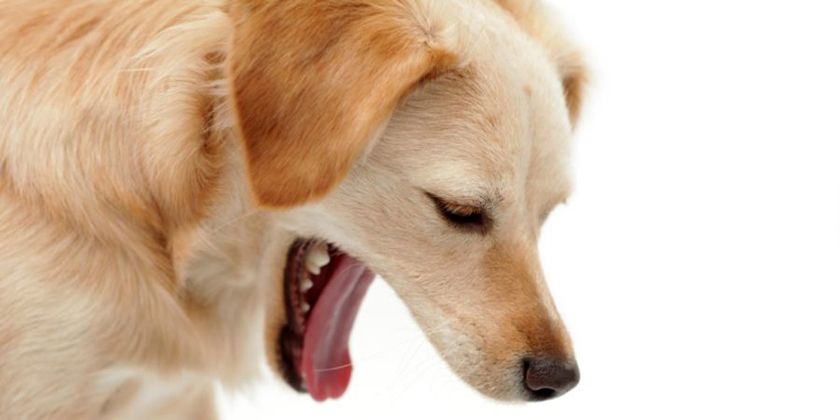
In such cases, the dog vomits yellow vomit, develops diarrhea, and weight loss even with a good appetite. Acute intoxication is accompanied by abdominal pain and bloating, refusal to eat, and apathy.
Infectious diseases
Among the viral and bacterial diseases that provoke vomiting, blood-borne parasitic infections are the most prominent. These include piroplasmosis, transmitted by the Ixodid tick. Its bite leads to general intoxication, accompanied by vomiting, lethargy, high fever, and a high risk of death if left untreated.
Leptospirosis, which affects the circulatory system and many vital organs, is also a dangerous infection. The resulting vomit, in addition to being yellow, is characterized by the presence of blood streaks.
Non-infectious gastrointestinal diseases
A dog may suffer from gastritis, which causes inflammation of the stomach lining. This condition causes the animal to vomit bile containing undigested food particles, lose its appetite, and eventually become emaciated. Its coat becomes dull and falls out.
Without adequate treatment, ulcers and erosions form on the mucous membranes, which significantly worsens the condition and can lead to death.
Pancreatic pathologies
In cases of pancreatitis or necrotic processes (death) in the tissues of the pancreas, vomiting occurs periodically and is accompanied by severe intestinal colic.
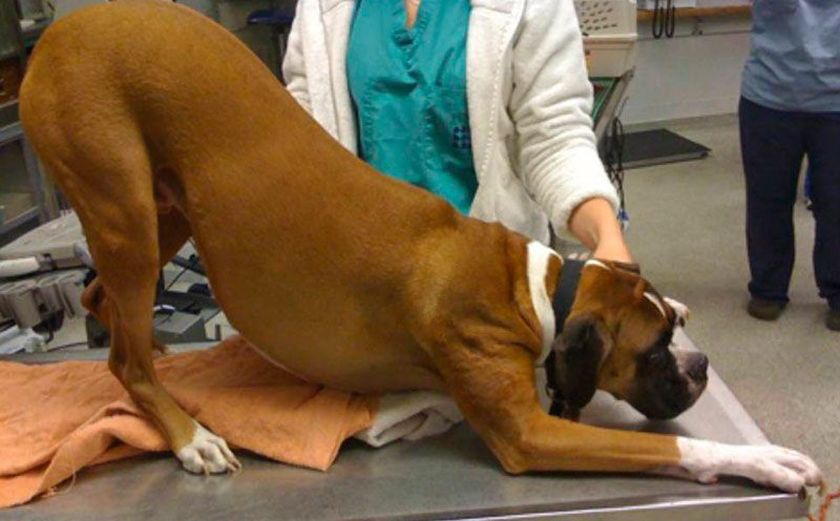
A characteristic sign is the so-called “prayer pose,” in which the pet strongly extends its front paws forward and presses its chest to the floor, which helps to reduce pain.
Liver and gallbladder diseases
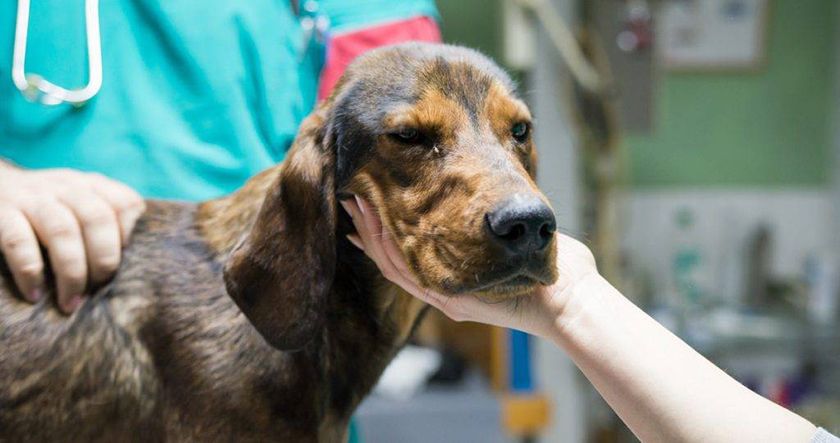
Almost any pathological condition of these important digestive organs is accompanied by nausea and yellowish-green vomiting. Mucus also appears in the stool, causing it to become light-colored or even white. In severe cases, jaundice and severe pain under the right ribs develop. The animal often freezes with its front legs spread wide, which helps relieve pressure on the painful area.
At cholecystitis Increased gas production is observed, and the dog burps yellow liquid, mainly in the morning.
Tumors
The development of tumors in the digestive system or adjacent tissues interferes with normal digestion. In addition to vomiting, this leads to weight loss despite a good appetite and unusual food preferences (the pet may lick walls or eat inedible objects).
Endocrine pathologies
Hormonal changes can occur during pregnancy or as a result of pathological processes, such as diabetes or adrenal disease. Vomiting is quite common in such cases. Increased appetite and thirst, lethargy, and the appearance of skin lesions that take a long time to heal are also observed.
How to distinguish physiology from pathology
The main differences between physiological and pathological vomiting are three factors: the frequency and duration of its occurrence, as well as the presence of additional symptoms. The following characteristics of each should be considered:
- in response to a natural protective reflex, the dog vomits yellow liquid, usually once or until the provoking factor (hunger or a foreign object) is removed;
- If the diet is not properly formulated, periodic vomiting may occur, which disappears on its own when the feeding is normalized;
- If vomiting occurs due to a pathology, it is repeated frequently, accompanied by additional symptoms, and does not stop until the underlying disease is cured.
If vomiting occurs repeatedly and the pet's general condition worsens, you should immediately contact a veterinary clinic.
Before visiting the veterinarian, do not feed or give the animal any medications. Water is acceptable, as long as drinking doesn't cause vomiting. If you are absolutely certain of poisoning, you can administer Almagel, Smecta, Enterosgel, or another proven enterosorbent.
Diagnostics
When a dog experiences yellow vomiting, a veterinarian conducts diagnostic procedures, beginning with a general clinical examination and a medical history based on interviews with the owner. A series of tests is then prescribed, including:
- blood test – general clinical and biochemical;
- urine and stool analysis;
- radiography;
- Ultrasound;
- gastroscopic examination.
If these tests prove insufficient, laparoscopic surgery may be recommended, allowing minimally invasive surgical access to the abdominal organs. This surgical procedure allows for both diagnosis and treatment.
Treatment measures
When a dog rarely vomits yellow and no changes in the body have been detected during the diagnosis, the veterinarian may prescribe antiemetic drugs (Metoclopramide, Serenia, Maropital). Self-medication and administering such medications to your pet without comprehensive diagnostic testing is strictly prohibited, as if a foreign object is present in the gastrointestinal tract, they can lead to serious, life-threatening complications.
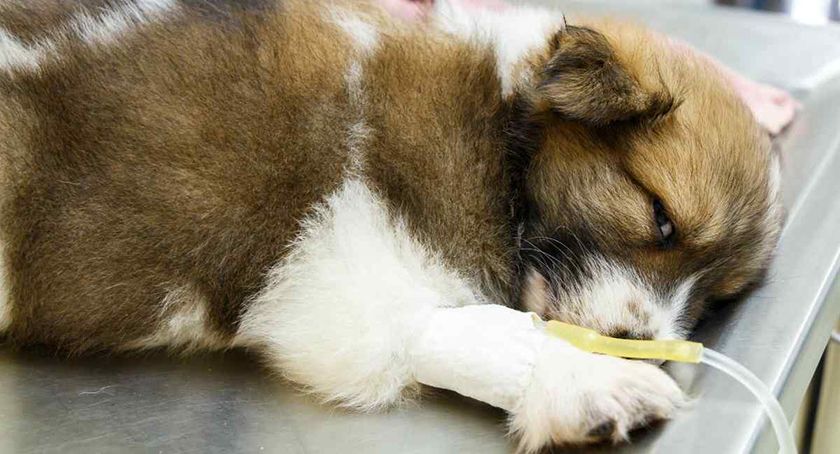
Repeated vomiting that lasts for several hours can lead to dehydration. In these cases, intravenous infusions of saline, glucose, and Ringer's plasma-substituting solution are administered to regulate the body's water-salt and acid-base balance.
If a dog vomits yellow mucus due to pathological processes occurring in the body, treatment for the underlying diseases is carried out simultaneously:
- Dietary imbalance. For a single episode of vomiting, symptomatic treatment with antiemetic and antispasmodic medications is prescribed, followed by transitioning the pet to a proper diet. For prolonged dietary imbalances leading to serious complications, medication treatment depends on the underlying condition.
- Poisoning. If ingestion of a toxic substance is immediately detected, the pet is immediately given enterosorbents. If the pet is brought to the clinic quickly, the veterinarian will usually induce vomiting to more completely eliminate the substance from the stomach. Symptomatic therapy is then administered, including antiemetics, antispasmodics, analgesics, and other medications, as well as IVs to cleanse the blood.
- Gastrointestinal obstruction. Intussusception and gastric torsion are not treated medically; surgery is required. Very small foreign objects can be removed with laxatives and enemas, while larger ones require surgical removal.
- Infectious diseases. Treatment depends on the specific infection. Antibiotics, antiemetic medications, and intravenous fluids containing the above-mentioned solutions are also prescribed.
- Helminthic infestations. Treatment consists of antiparasitic treatment, immunomodulators, and symptomatic treatment.
- Non-infectious gastrointestinal diseases. Antacids are prescribed to neutralize hydrochloric acid in the stomach, antibiotics, and antiemetics, and a low-fat diet is introduced. Immunosuppressants are used for autoimmune disorders.
- Pancreatic pathologies. In the early stages of the disease, treatment includes symptomatic therapy and diet. Necrotic changes in the organ require surgical intervention.
- Liver and gallbladder diseases are treated with a special diet, antibiotics, hepatoprotective, antispasmodic, and antiemetic medications. For gallbladder inflammation, choleretic medications are prescribed.
- Tumors are almost always removed surgically. If necessary, radiation or chemotherapy is prescribed.
- Endocrine disorders are treated with symptomatic and hormonal therapy.
During treatment, the dog's diet is reduced in quantity and the number of meals is increased to reduce the strain on the digestive system. As recovery begins, the animal is gradually and smoothly reintroduced to its normal feeding regimen.
Preventive measures
Most digestive system disorders that cause a dog to vomit yellow stool are caused by improper care, improper feeding, or inattentive behavior towards the pet.
To prevent such problems, it is enough to follow a few simple rules:
- provide the dog with the correct feeding regime and a complete diet without feeding it table food;
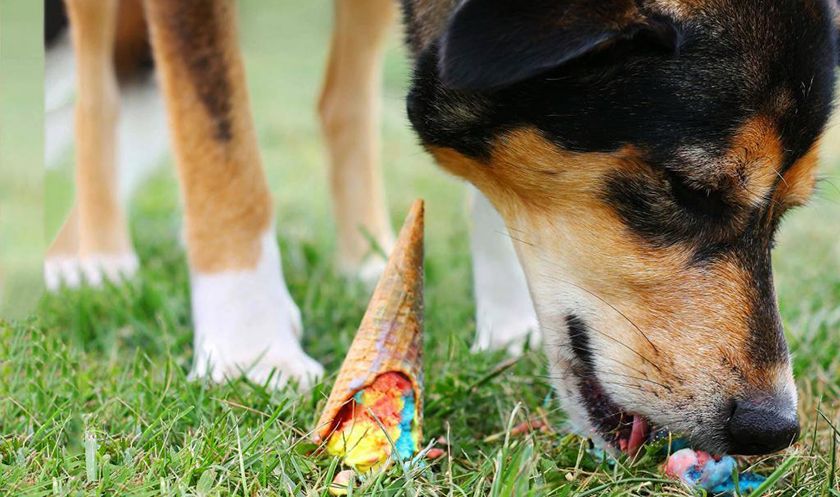
- Avoid swallowing any objects or food remains while walking outside;
- carry out vaccinations and antiparasitic treatment in a timely manner.
It's important to remember that the right approach to keeping a dog and paying close attention to its health are key to the well-being and good mood of both the pet and the owner.
Read also:


Add a comment