
Green stool in cats: why and what to do
A healthy cat's stool is brown or dark brown, firm but not hard. If it's green, the consistency has changed, and this is not an isolated occurrence, this should raise concern, as such changes may indicate underlying health issues. You should consult a veterinarian as soon as possible – they can help determine the cause, determine appropriate treatment, and determine appropriate action.
Content
Why is my cat's stool green?
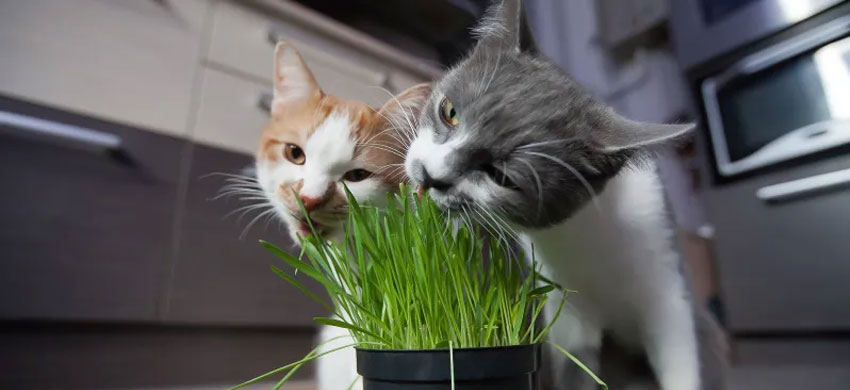
Greenish stool isn't always associated with a serious condition. If it contains a lot of plant fiber, the cause may be as simple as overeating grass, such as spinach or leafy greens.
The cat feels fine, and there are no changes in behavior. She simply cleaned out her stomach with coarse plant fibers. After some time, everything will return to normal, and the color of her poop will return to normal.
To understand why your stool has turned green and whether there is cause for concern, you need to know the reasons that contribute to this situation.
Helminthic infestation
Once ingested by a cat, worms can parasitize various organs. While in the intestines, they attach to the walls and damage the mucous membrane, thereby disrupting the absorption and digestion of nutrients, which affects the formation and condition of feces.
Sometimes, a large number of parasites can lead to intestinal obstruction and bile duct blockage. Infestations of the liver can contribute to inflammatory processes.
Symptoms vary and depend on the location. These may include vomiting and diarrhea with blood, mucus, or green diarrhea. Sometimes, worms are visible in the vomit and stool.
Nutritional errors
Digestive problems in kittens and adult cats most often arise from insufficient attention to diet. Stool consistency and color are influenced by the quality and quantity of food, nutritional balance, feeding schedule, dietary changes, and fluid intake.
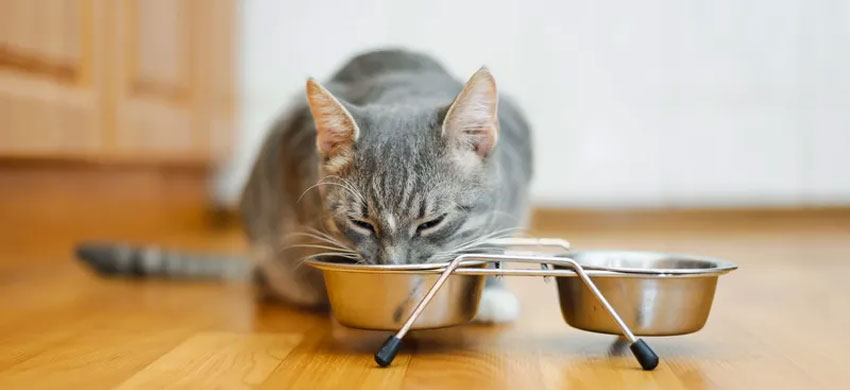
Feeding your pet stale food, introducing a new food that could cause an allergic reaction, or feeding an unbalanced diet (for example, high in protein and low in fiber) can all contribute to gastrointestinal problems. These problems affect the consistency and color of their stool.
Infections
Gastrointestinal diseases caused by various bacteria and viruses that infect the mucous membranes are fraught with complications leading to digestive system dysfunction. Changes in bowel habits are one consequence of such disorders.
As a rule, when infectious diseases develop that affect a certain part of the intestine, other acute symptoms are also present:
- bloating (increased gas production in the intestines);
- diarrhea (sometimes with mucus or traces of blood);
- vomit;
- pain in the abdominal area;
- refusal to eat;
- elevated body temperature;
- depressed state.
IBD (inflammatory bowel disease)
The term IBD is used to describe a group of chronic non-inflammatory bowel pathologies.
Symptoms in cats:
- chronic vomiting (sometimes with blood and mucus);
- chronic diarrhea (can be greenish in color and watery);
- lack of appetite;
- weight loss;
- weakness, apathy.
Taking medications
Antibiotics affect the intestinal microflora and, ultimately, the condition of the stool. These changes manifest themselves in various ways: stool becomes loose or, conversely, very hard, and the color changes. To prevent dysbiosis that develops during antibiotic use, concomitant medications to normalize the intestinal microflora are usually prescribed.
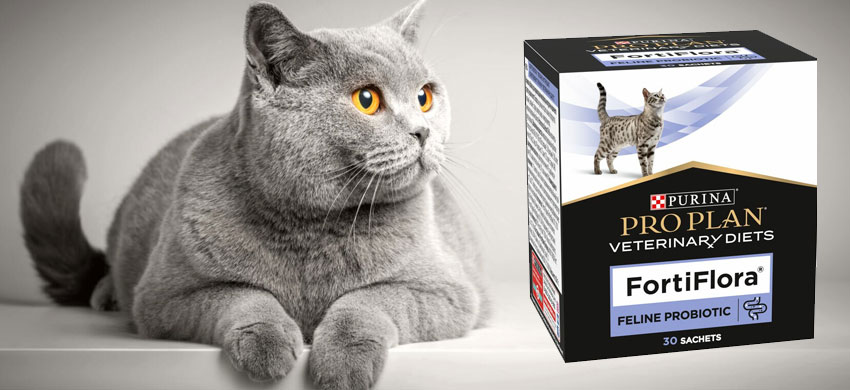
After treatment, it usually returns to normal. If the color and consistency of the stool don't return, and the cat's condition worsens, it's important to investigate the cause and, if necessary, consult a specialist.
What else can cat poop "tell" you?
An owner judges a pet's health and well-being by its behavior, attitude toward food, and the color, odor, and consistency of its stool. Any outward signs that are unusual should attract attention and prompt an analysis of the situation.
Consistency
To understand whether there is cause for concern, you need to know what a normal cat's stool looks like, what deviations there are, and what they are associated with.
What types of stool consistency are there?
- Normal. The consistency is firm but not hard, the shape resembles a sausage with cracks on the sides, and the color is brown or dark brown. There is no mucus, blood, or other discharge on the surface. A sign of normal digestion is 1-2 bowel movements per day.
- Like a sheep's (sheep's) stool. The stool appears as small, hard, sometimes dry lumps, similar to peas. This is a sign of constipation, which occurs due to a lack of fluid or impaired intestinal motility due to some illness. Constipation can also be caused by an unhealthy diet or a lack of fiber in the diet.
- Poorly formed stool, i.e., wet and soft. This occurs when gastrointestinal motility increases. Due to the rapid movement of contents through the intestines, the feces do not have time to form and acquire a firm consistency. This can be caused by changes in diet, overexcitement, stress, or nervous system disorders.
- It resembles porridge. The feces have no distinct shape—they form in a pile and, when removed, become smeared. Possible causes: improper diet, spoiled food, sudden change in food, infection, tumors, inflammatory bowel disease.
- Runny (brown or green). Diarrhea when a cat doesn't leave the litter box is the most dangerous. It signals a disruption in the absorption process, intoxication, or a gastrointestinal infection. This condition is especially dangerous for kittens, as dehydration quickly sets in.
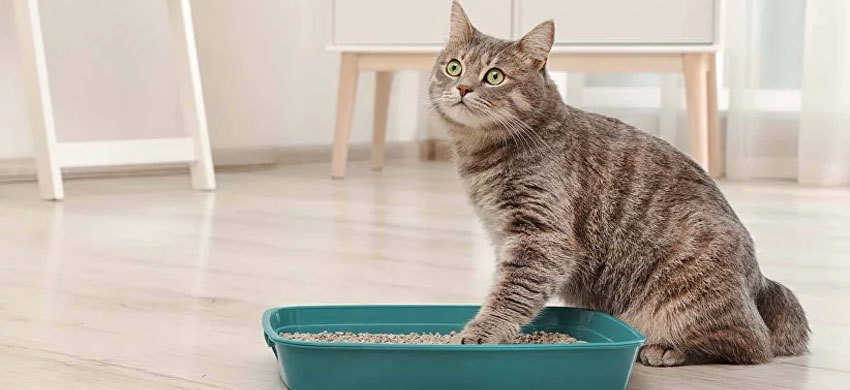
Note! After spaying and neutering, stool may be soft and loose for a while, but this will quickly return to normal as your pet's health improves.
Color change
When all is well, stool is a chocolate-brown color (this color is considered normal). This color can change with minor dietary inconsistencies, but quickly returns if you return to your previous diet and address and correct any dietary errors. However, if the changes are persistent and do not resolve over time, these abnormalities indicate gastrointestinal problems.
Stool color and possible problems:
- Black. This coloration may be a sign of bleeding in the anterior gastrointestinal tract (stomach, small intestine, and duodenum).
- Reddish, with blood streaks. Cause: bleeding in the lower gastrointestinal tract (for example, from colitis).
- Light brown. Typical of a condition where peristalsis is accelerated and the diet contains a large amount of plant matter.
- White or gray. This color can indicate problems with the pancreas or liver, or when bile is blocked from entering the intestines (for example, due to gallstones).
- There are white spots and specks. These signs indicate the presence of parasites in the intestines. A stool test is necessary to determine the type.
- Orange. Potential causes: liver and gallbladder disease caused by bacterial infection, abdominal tumors or traumatic injuries, bile duct obstruction.
If any abnormalities appear, observe your pet's behavior, frequency of bowel movements, and attitude toward food. If there are any alarming signs, such as persistent bowel movements, consult a veterinarian.
Specific smell
A third, no less significant indicator of a cat's digestive health is the odor of its feces. If problems occur, it will be unusual, distinctive, very unpleasant, and sometimes even foul.
Possible problems:
- a rotten smell is a sign of stomach diseases (for example, an ulcer);
- the smell of rancid oil appears with problems with the pancreas, liver and biliary tract diseases;
- A sour smell is present during fermentation processes in the large intestine, if the absorption of fatty acids in the small intestine is impaired.
Diagnosis and treatment
To determine why a cat's stool has turned green, a veterinarian will, after collecting a medical history, prescribe a series of tests to clarify the situation. These may include: clinical and biochemical blood tests, ultrasound or X-rays, and, if allergies are suspected, special tests. A stool test for parasites is used to rule out helminth infestation. Serological tests are used to determine the presence of infections.
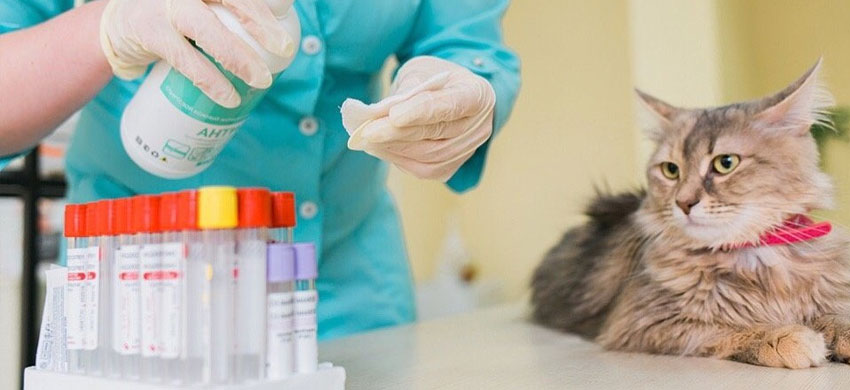
Based on the examination results, treatment is prescribed. This may include a special diet or medication, depending on the diagnosis. When transitioning to a diet, preparing a balanced diet at home is difficult, so the easiest solution is to purchase commercially prepared food, following your doctor's recommendations.
Veterinarian's advice
Read also:
- My cat's stomach is growling: causes and what to do
- My cat is vomiting blood: why and what to do
- Constipation in cats: what to do and how to help


Add a comment