
Gastric torsion in dogs
Gastric torsion (GDV) in dogs is a fairly common problem that always occurs unexpectedly and can lead to death within hours. One day, a healthy and cheerful animal appears, and the next, a day later, it's surgery and a grim diagnosis. Today, we'll tell you about the causes, symptoms, diagnosis, and treatment (surgery to correct GDV in dogs).
Reasons
Often, the condition develops against the backdrop of seemingly ordinary flatulence. However, the accumulation of gases leads to displacement and twisting of the stomach, leading to numerous complications.
The disease progresses rapidly, worsening within 4-12 hours, and without qualified assistance, death is inevitable. The photo shows an X-ray of a male Miniature Pinscher with gastric torsion.
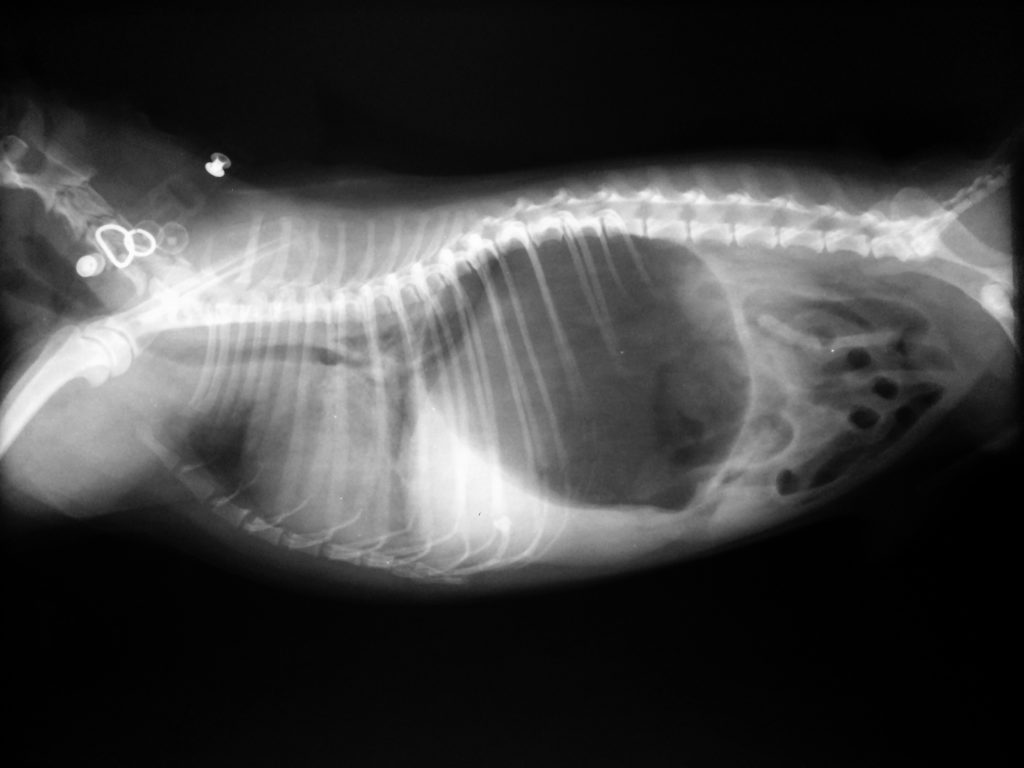
It is very difficult to isolate one or more exact causes of gastric torsion in dogs, but by systematizing the data, it is possible to identify risk factors that contribute to the development of the disease.
- individual characteristics of the breed (it has been noted that the problem is more often diagnosed in large and huge breeds);
- features of the structure of the chest (if the ratio of depth to width exceeds 1.4);
- weakening of the ligaments that hold the stomach in the correct position;
- improper nutrition (poor quality food that causes bloating);
- overeating (often occurs with a single feeding);
- swallowing inedible objects that may accumulate in the animal's stomach;
- intense physical activity immediately after eating;
- stressful state;
- genetic predisposition.
Symptoms
Next, we will examine in detail the external symptoms of gastric torsion in dogs.
Gas accumulation leads to gastric dilation. The next stage is its displacement and twisting, which leads to:
- displacement of the spleen;
- compression of nerves and vital vessels;
- disruption of innervation and blood circulation throughout the body.
Blood stagnation leads to respiratory failure, the amount of toxins increases, heart function is disrupted, shock and death develop.
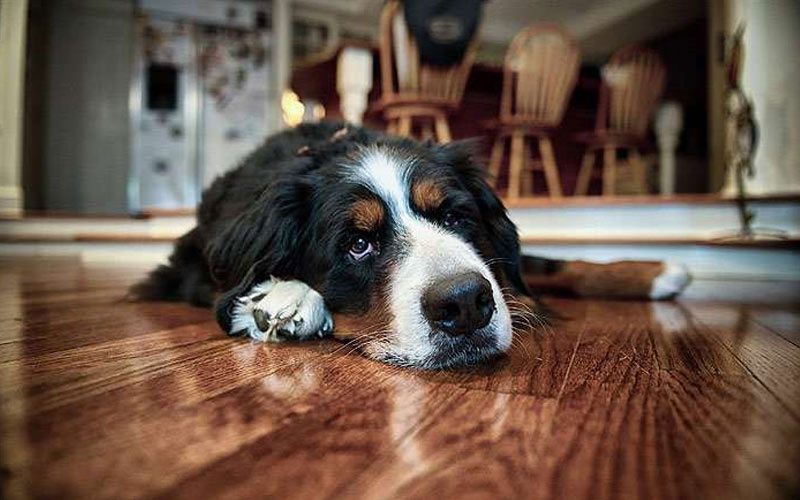
For reasons that are still unclear, gastric volvulus most often occurs at night. Gastric volvulus in dogs is characterized by the following symptoms:
- increase in the volume of the abdominal wall;
- pain when palpated;
- anxiety;
- increased salivation;
- vomit;
- shock state (rapid breathing, pale gums);
- loss of consciousness.
The first thing the owner should do, even if the symptoms are vague, is to give No-shpa or analgin and immediately take the animal to the clinic.
Diagnostics
Only a veterinarian can make an accurate diagnosis. To confirm the suspicion of gastric torsion, he will need:
- examination of the animal;
- the owner must provide the most complete description of the symptoms, including information about what, when, and how much the dog ate;
- X-ray examination or ultrasound;
- laparoscopy (insertion of a gastric tube).
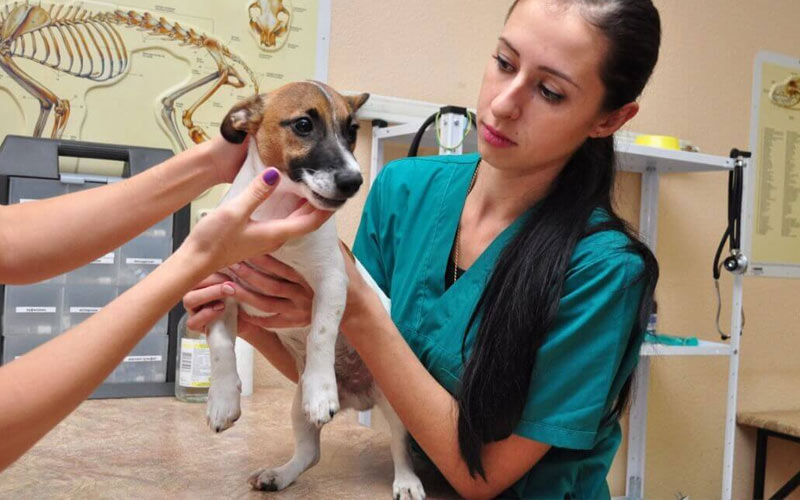
Most often, the first three points are enough for the doctor to make a diagnosis as quickly as possible and decide on the need for surgical intervention.
Important! Treatment of gastric torsion in dogs involves surgery, during which the veterinarian manually restores the correct position of the organ and secures it in place.
Acute gastric volvulus-like symptoms can also be caused by gastric dilationCaused by accumulated gases. In this case, the use of a gastric tube is indicated. Typically, the animal's condition improves after a laparoscopy. However, if the cause is gastric torsion, the gases will accumulate and all symptoms will return within a few hours.
Sometimes an X-ray or ultrasound examination doesn't provide a clear picture (or it's not possible to perform these types of examinations). In such situations, immediate surgery is recommended.
Treatment (surgery)
Although gastric torsion is a serious, life-threatening condition, the surgery itself is relatively straightforward for a veterinarian. The procedure is performed under general anesthesia and involves:
- making a small lateral incision;
- correction of the position of the stomach;
- checking for foreign objects and removing them (if necessary);
- fixation of the stomach to the right costal arch (to prevent volvulus in the future);
- emptying and rinsing the stomach through a tube;
- treatment of the abdominal cavity with an antiseptic and examination for bleeding;
- completion (the incision is sutured and processed).
If necessary, a puncture of the peritoneum is made before surgery to remove air and relieve pressure on the stomach wall. It also sometimes happens that, due to prolonged lack of blood supply, part of the stomach wall (and sometimes the spleen) dies. In this case, the dead section is removed.
Postoperative care
Postoperative monitoring of dogs with gastric torsion is carried out in accordance with general guidelines for postoperative care. Laboratory and ultrasound examinations are used to identify any gastric dysfunction and treat or eliminate it.
Important! The severity of the postoperative course of the disease will depend on the severity of the pathology treated, the presence of complications and comorbidities, and the age of the animal.
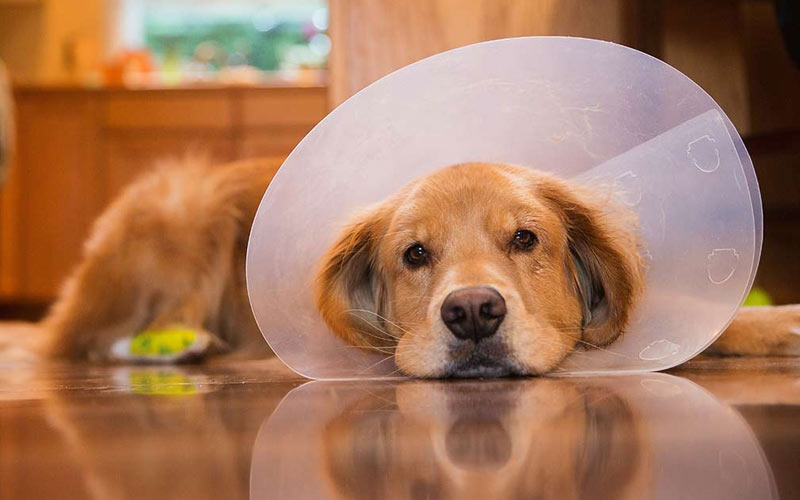
It's known that puppies and healthy young dogs recover and heal faster than older animals. A dog's condition can stabilize and return to normal within 24 hours after surgery. In severe cases, this can take up to 4-5 days. Typically, a pet stays in the hospital for 2-3 days.
Recommendations in the postoperative period:
- constant monitoring of the dog's condition;
- fasting diet (1-2 days);
- daily treatment of the seam;
- constant wearing of a sterile bandage;
- taking antibacterial and antiemetic drugs.
If non-absorbable sutures were used during the surgery, you will need to visit the clinic after two weeks to have the stitches removed.
Prevention
Following these simple rules will help prevent the development of such a dangerous condition as gastric torsion in dogs:
- Make it a rule to feed regularly twice a day;
- use only high-quality balanced feed;
- do not exceed the breed-specific norm for one feeding;
- Limit your dog's physical activity after meals;
- Do not feed the animal before transportation.
Dogs that frequently suffer from gastric bloat (prone to developing bloat) are sometimes given surgery as a preventative measure.
It is called gastropexy, it involves fixing the stomach to prevent it from twisting and is much easier for animals to tolerate and eliminates a number of serious complications that can occur with gastric torsion.
Remember, the outcome of any disease always depends on correct diagnosis and timely treatment.
We also suggest watching a large professional webinar on the topic:
Any questions? You can ask our website's staff veterinarian in the comments below, who will answer them as quickly as possible.
Read also:


2 comments
Julia
Good afternoon. Our Moscow Watchdog had surgery about six weeks ago. Currently, she's vomiting after eating, undigested food with a lot of white foam. This usually happens late in the evening after her last feeding. We take De-Nol 30 minutes before meals twice a day. Today, we gave her Phosphalugel before meals. There's been no change. Could you please advise us on this specific situation? Thank you in advance.
Dasha is a veterinarian
Hello! Have you seen your vet? Had an examination? Are you overfeeding your dog? After such an illness, you need to feed him very carefully until his body recovers. Have you ruled out gastritis? Did the doctor prescribe anything after the surgery? Chamomile tea, Almagel, Emprobio, Nux Vomica, or other probiotics/prebiotics. Veracol can also be injected. Cerucal can be given for vomiting (as long as there is no diarrhea or other changes in stool). But all this should only be done after a visit to your vet and testing, a gastroenteroscopy, and an ultrasound to rule out complications.
Add a comment