
Constipation in a dog
Constipation in dogs, whether partial or complete, often results in harmful and unpleasant consequences:
- the intestine ruptures;
- severe intoxication occurs;
- internal organs are affected;
- An exacerbation of the condition may threaten the pet's life.
Of course, there's no need to freak out and immediately start stuffing your pet with medications. But it's important to understand the cause of your dog's constipation, what to do if it's bothering you, and how to prevent future bowel difficulties.
Constipation in dogs causes a number of health problems. It not only causes painful bowel movements but also severe intoxication, which leads to dysfunction of virtually all internal organs. If you're dealing with constipation in your dog, how can you identify the symptoms and what can you do at home? We'll cover this below.
Recognizing the condition isn't all that difficult, although some people confuse constipation in dogs with other digestive tract conditions that can lead to difficulty defecating. If your pet has been unable to defecate for a long time or is experiencing obvious discomfort, it could be a sign.
Content
Reasons
There are a wide variety of causes for constipation in dogs. Let's look at the most likely ones:
Feeding
Often, this is due to an improperly formulated diet. It's either dehydrated (they simply don't give enough water while the animal is on dry food) or it's purely protein-based (lacking fiber, which is essential for proper digestion). Feeding a dog only meat isn't an option; even in the wild, animals try to "grab" plants to support digestion. Therefore, omitting grains and vegetables is a common mistake among dog owners.
Sedentary lifestyle
If a pet lies down a lot, its gastrointestinal tract begins to function poorly. It needs to be active. Walks shouldn't be just for urination and bowel movements. Your four-legged friend should run around in the fresh air and play.
Overeating
Food doesn't have time to digest properly, accumulates in the intestines, becomes compacted, and dries out. Feces become hard and move very poorly through the gastrointestinal tract. This leads to constipation in dogs. These causes are more related to owner carelessness.
Other reasons
But there are also reasons for constipation in dogs that are associated specifically with illness.
- Foreign object in the intestinesIt interferes with the free passage of digested food or feces through the gastrointestinal tract. These can include bones, branches, torn toys, tinsel, plastic bags, and even neoplasms. tumors, and foreign objects can lead to complete blockage of the intestinal lumen, which will lead not to constipation, but to coprostasis.
- Atony of the large intestine or other parts of the intestine. When peristalsis is impaired or absent, food and feces cannot move through the gastrointestinal tract. They dry out and form a lump, which can no longer be passed normally on its own. Its further movement through the intestine causes severe pain and discomfort to the animal.
- Diseases of the nervous systemThey can also cause constipation in dogs. How? Paralysis and paresis contribute to this. If the innervation of any area of the gastrointestinal tract is impaired, digestive problems are inevitable.
- Sick spineThis reason can be attributed to the previous point, since the spinal cord is located in the vertebral column. You'll agree that if it's damaged, the animal is guaranteed to suffer paralysis or paresis. However, only a veterinarian can determine the extent of the innervation disruption.
The course and duration of constipation in dogs is also affected by the animal's age.
Constipation is especially dangerous when it is caused by the development of the following conditions:
- prostate pathologies (male dogs suffer from this, of course);
- disorders of the paranal glands;
- diseases of internal organs (kidneys, liver, intestines, pancreas);
- inflammation in the groin, intestines and anus;
- neurological problems;
- orthopedic disorders.
What are the dangers of long-term constipation?
Unfortunately, some owners don't pay enough attention to the problem of constipation in their dogs. Of course, if the situation was temporary and doesn't recur, there's no problem. However, prolonged constipation, during which the animal is clearly in pain, can have serious consequences, often including complete intoxication (poisoning) of the body, as already mentioned, including intestinal damage or rupture, and acute damage to internal organs.
Diagnostics
An experienced veterinarian can determine the true cause of a dog's illness during an initial examination, so it's best not to delay a visit. Therefore, if your dog experiences even the slightest difficulty defecating, you should consult a veterinarian. After ordering additional tests and receiving the results, they can provide a definitive diagnosis and explain how to treat constipation in simple terms.
Symptoms and treatment
The symptoms of constipation in dogs are simple: infrequent bowel movements (less than once a day), painful bowel movements, and dry, compacted, loose, and even dark feces. However, you shouldn't make a diagnosis based solely on these signs. A veterinarian should make the diagnosis, who will rule out intestinal volvulus, foreign objects, and gastrointestinal tumors.
Treating a dog with constipation without consulting a veterinarian is strictly prohibited.By self-medicating, you can only make things worse.
Remember that laxatives increase peristalsis, and if a foreign object or tumor is lodged in the intestine, or if your pet has a volvulus, giving such medications can cause an intestinal rupture. As a result, peritonitis and the pet's death. What can I give my dog for constipation at home?
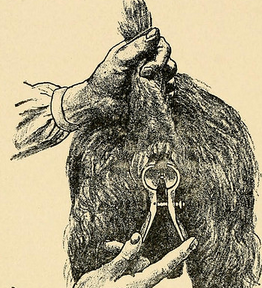
- If the diagnosis is confirmed, then an enema is performed under the supervision of a veterinarian (under anesthesia, forceps may be used to remove hardened feces from the intestines).
- Oils (Vaseline and castor oil) may be prescribed, but again, only after your veterinarian's approval! Some veterinarians prescribe Duphalac and its generic equivalents (available in a regular human pharmacy) and they are effective. Vaseline oil is quite effective for constipation in dogs, but always make sure your veterinarian recommends it.
- Antispasmodics are also necessary. They relieve pain, making it a little easier for the animal to empty its bowels. Fresh kefir can help solve the problem—it usually causes diarrhea in healthy dogs, but in cases of constipation, it helps soften the stool and resolve bowel problems.
It is important not to feed the animal until the problem is resolved. Otherwise, the new portion of digested food will press on the fecal plug, which is not moving. The intestinal walls will stretch, and the animal will experience excruciating pain. However, the worst possible outcome is intestinal rupture, or peritonitis.
Constipation in dogs: home treatment
If your pet has mild constipation, you can avoid medical intervention by using proven folk remedies:
- a weak decoction of buckthorn;
- pumpkin seed infusion (pour 0.5 cups of boiling water over a teaspoon of seeds and leave to steep for 30 minutes);
- flaxseed oil (give depending on the size of the dog: large dogs - one tablespoon 2 times a day, small dogs and puppies - one teaspoon 2 times a day);
- Warm Vaseline oil for constipation in dogs - inject into the animal's cheek from a syringe 2 times a day: small pets - a teaspoon, medium - a tablespoon, large - 2 tablespoons.
Constipation in a dog after surgery
During the difficult period following surgery, constipation can be quite common. This is due to the effects of anesthesia, which reduces peristalsis due to the muscle relaxant. To avoid unpleasant consequences, veterinarians recommend following a postoperative diet (eating small portions of mucus-rich cereals and broths) and taking mild laxatives. It is important to follow all instructions, as constipation during this period can cause suture dissection and severe pain.
Prevention
Prevention is essential. It helps avoid serious health problems. By spending enough time with your pet and following simple rules, you can help protect your pet from digestive diseases.
Feeding
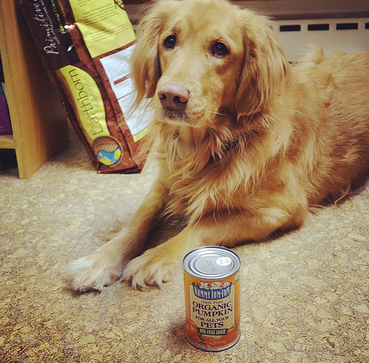
The main way to prevent constipation in dogs is proper feeding! Fiber and water are essential. If you feed dry food, read the ingredients carefully. If you feed natural food, be sure to include vegetables (celery, pumpkin, carrots, and beets are excellent for constipation relief) and whole grains. Avoid feeding exclusively protein foods (especially meat). Feed plenty of wet food to prevent dry, hard stools.
Ban on feeding bones
Don't feed bones (especially chicken bones). Tubular bones tend to flake and crumble, and the fragments accumulate in the intestines. This creates waste that isn't easily eliminated. Often, this "love" for feeding chicken bones to dogs leads to constipation.
Walks
Spend more time outdoors. And play with your dog. Active exercise is essential. A dog isn't a toy; it's meant to hunt, chase a ball, and frolic in the wild. Therefore, it expects you to organize active walks with games and fun in the fresh air. If you've decided to get a selfless four-legged friend, take the time to read specialized literature on how to care for a pet so that it's always healthy and alert, and its existence brings joy not only to you but also to it. This will help you build a true, sincere friendship with your pet.
Any questions? You can ask our website's staff veterinarian in the comments below, who will answer them as quickly as possible.
Read also:
- Colitis in dogs
- Bloating in Dogs: Causes and Treatment
- Hemorrhoids in dogs: do they occur, causes, and treatment


22 comments
ELENA
Good afternoon. I have a typical 10-year-old female dog. He's been constipated for three years now, every three months. He developed a hernia on the right side of his tail; he had surgery, but it came back. Now we perform a mechanical cleaning under anesthesia once a quarter. Our vet recommends neutering him. He now has a lump in his groin, which the vet says is intestinal. He's acting normally and has a good appetite, but he's been on a leash since puppyhood and doesn't even try to escape. He's on a long chain, so he plays with toys and runs around. I don't know what to add to his food anymore (we feed him buckwheat with meat and carrots). He barely drinks any water, so I give him water with cottage cheese or an egg, and he drinks as much as he wants. Can I give him Fortiflora with his food for constipation? Oh, I almost forgot, there was a period when I was on laxatives for six months, but then it all started again and I had to cleanse again. Please advise, maybe I should change the food or add something extra.
Daria is a veterinarian
Hello! If your vet assesses the situation as requiring castration, don't skip it. Stitch the intestinal opening in the groin. What kind of meat do you feed? Are there any vegetables in the diet? Keeping your dog on laxatives for so long is not recommended, as it leads to a "lazy bowel," which becomes accustomed to being stimulated by medications, and natural peristalsis disappears, leading to constipation. Your dog should drink plenty of water, as normal bowel movements will never be achieved without it. Start giving your dog water 15-20 minutes before feeding. Firstly, this will flush out the old gastric juices and stimulate the production of new ones, allowing for better digestion. Secondly, it will suppress the hunger pangs, making the dog less greedy and hasty in eating. Food pieces should be small, as the dog will swallow rather than chew. Fortiflora will aid digestion, but is not a cure for constipation.
Irina
Hello, I already wrote to you (Toychik is allergic). I started feeding him meat (beef), rice flakes, and vegetables. He's allergic to rice flakes. Meat and vegetables are best for him, he's not allergic to them. I found out that bran is okay to give. How often? How much? Which ones (oat, rice, rye, wheat)? And is it okay to give them to Toychik at all? We can't digest any dairy. And if rice and buckwheat aren't good for us, what other porridge can we try? Toychik weighs 2.8g and weighs 2kg.
Dasha is a veterinarian
Hello! My poor dog can't eat anything. Since she's allergic to buckwheat and rice, she can't eat any flakes or bran from those grains. Try a different bran (depending on the dog's size—no more than a tablespoon per day, every day, just like a human, to improve digestive function). Mix it with vegetables or meat. Have you tried giving her boiled eggs (whites)? Although, that could also be an allergic reaction? Have you taken her to the vet? Have they prescribed any antihistamines? Have you dewormed her, by the way? Sometimes the presence of parasites can heighten sensitivity to allergens.
Irina
Hello, we dewormed her, we went to the vet, they said she had an allergy, I'm honestly exhausted. I got her when she was two years old, she was half-haired and skinny, we had tests, biochemistry, CBC, the first tests weren't very good, she was treated with Hill's d/d food, everything went well, she started gaining weight, in the summer she had a prolonged pregnancy, on the advice of doctors, we spayed her in August, after which we couldn't find dry food, two weeks later the allergy returned, and with some foods her stomach swells up like a balloon from a small portion, I decided to switch to natural food, honestly I don't understand anything anymore, now I'm giving Enteros gel to help the allergies go away, maybe you can tell me what's wrong with her, maybe I should take some additional tests. Now I've stopped feeding her rice flakes and am feeding her meat and vegetables, beef, zucchini, and green peppers. The severe itching has gone away, but her eyes are still watery and itchy, and she's squirming on her butt. I'm watching her, and it seems like no matter what I do, two weeks and she's got allergies. Maybe you can tell me what it could be? Despite all this, she's started looking much better, her coat has gotten thicker, and it's gotten better. She's 8 meters tall.
Dasha is a veterinarian
Allergies don't go away right away. Do you give antihistamines along with charcoal or smecta (to more quickly "bind" any remaining intestinal debris)? Has your dog ever been injected with dexamethasone, dexafot, or other hormones (for example, when dealing with a prolonged pregnancy)? Often, even a single use of these medications disrupts the body's function. If there are good clinics with laboratories in your city, you could try sensitivity testing (maybe you can find out which foods or household items are causing the sensitivity). Perhaps you could talk to the owners of other puppies from this litter? Do they have similar health issues? Can a genetic disorder be ruled out, or perhaps the parents weren't carefully selected?
Irina
Hello, she wasn't given any injections. During the false pregnancy, I gave her a medication (I don't remember the name) 0.2 ml daily before meals. I'm now giving her antihistamines. I've stopped eating beef, and I've been giving her rabbit and zucchini for the second day. I can't contact the previous owners because when I bought the dog, they said she was healthy, just a little neglected. When I found out what was wrong with the dog, I called them and had a very unpleasant conversation. Afterward, I deleted all the information about her previous owners. Thank you for your advice! I really hope that little by little I can finally find the right food for her and learn how to treat her allergies. She's a special dog, but I love her very much. Thank you again!
Dasha is a veterinarian
Hello! It's so nice to see pet owners who care so deeply about their pets and don't give up when faced with difficulties. More and more often, I encounter indifferent people who find it easier to throw away or euthanize their animals. Recently, a woman called and asked about the cost of spaying a cat, then asked about euthanasia. After thinking for a moment, she said the cost was almost the same and that it would be easier for her to euthanize the cat than to care for it after the surgery and then have to take it to vets. When I explained that our clinic wouldn't euthanize a perfectly healthy and young animal, the owner said she'd throw it away altogether. The problem was that the cat was begging for a male cat and meowing loudly. It would seem like a healthy animal with normal instincts. But no, this bothers the owner and she's ready to throw it away or euthanize it. And you wouldn't abandon your four-legged family member in trouble =)
Irina
During the false pregnancy, she took Lacto Stop. Could it have harmed her?
Dasha is a veterinarian
No, this medication won't cause harm. It doesn't have the potent effect to disrupt hormonal balance and cause such a severe allergic reaction. However, if there was a pre-existing predisposition, the false pregnancy itself could have been the trigger, as pregnancy (even if pseudo-pregnancy) is characterized by a surge in hormones. Real labor doesn't occur, and hormones slowly return to normal, which could be why sensitivity changes occurred (again, a predisposition to allergies could be genetic). But don't worry, you can handle it. Wishing your pet a speedy recovery.
Irina
Thank you very much again!!!
Irina
Hello, I have a spayed female toy, she has allergies. We tried different dry foods, nothing worked, we switched to natural food, I started giving her rice and turkey, her eyes started to run and she stopped going to the toilet, on the fourth day we switched to buckwheat with vegetables and started giving her Forte Flora 1p. 1st day, she started having a bowel movement once a day, her stool was good, I added lamb cheeks, everything was fine, but she developed an allergy to buckwheat, I started giving her rice, vegetables, lamb cheeks, all in proportions, 2/3 meat, boiled for 20 minutes, 1/3 rice, 1/3 vegetables, everything is fine, the coat is better, the dog is alive, playing, but on the third day she didn’t go to the toilet again, more than a day has passed since the last time, is she constipated or normal, I’m worried, she went twice a day with dry food, her stomach is not bloated, nothing has changed in the dog’s behavior. I feed her twice a day, 50 grams, I weigh everything on the scale.
Dasha is a veterinarian
Hello! It's ideal for your pet to defecate daily. However, constipation should be considered when the animal struggles during bowel movements, and the stool is dry and compacted (maybe like small, dry balls). A sudden change in diet can cause bowel problems. Give them more fluids. Exercise BEFORE feeding and at least 2 hours AFTER. What vegetables are you giving them? Starchy ones? Also, rice itself is very constipating (it's best to use unpolished rice). Try giving them some broth (low-fat). Treat parasites (if you don't do this regularly), as they often increase sensitivity to allergens. You can add just a few drops of olive or sunflower oil to the porridge (just a little, so as not to damage the liver, but it can have a slight laxative effect). And choose vegetables that are rich in fiber.
Irina
Hello, I feed her organic, peeled, unpolished meat. I also give her steamed zucchini and green peppers. Is lamb cheeks too fatty for her? Is it best to give her frozen and parboiled meat, or is it better to open it a little? She had a bowel movement last night, and her stools were good and not hard. What dairy products can she give her? Eggs?
Dasha is a veterinarian
Well, lamb is usually fatty (as is pork). It's best to swap it for beef. BUT cheeks aren't a good place for fat to accumulate, so don't overindulge. Pork is definitely out, and chicken and turkey are a no-no if your dog is allergic. Rabbit is fine. It's best to cook meat (our freezers at home don't have a blast freezing function, so meat doesn't freeze properly; otherwise, you'll need to keep it in the coldest compartment for at least 3 days).
Regarding bowel movements, rice is likely the cause of constipation, which is why she rarely goes. Offer plenty of broth and water to ease bowel movements. Dairy products should be low-fat (no more than 5%): kefir, fermented baked milk, cottage cheese, and natural yogurt WITHOUT ADDITIVES/SUGAR/FLAVORINGS. Eggs are fine (the whites are better, they're more easily digested), but the yolk should be eaten very sparingly—no more than once a week. However, since you have allergies, be careful with the yolk—just a quarter teaspoon. Instead of butter, you can add a couple drops of vitamin D in an oil solution to the yolk and dairy products (the calcium will be better absorbed). Don't give your child raw eggs.
Irina
Thank you very much!!!
Dasha is a veterinarian
Yes, you're welcome. Just observe your pet's reaction. Don't introduce any new foods abruptly. Introduce one new food at a time, gradually increasing the amount per serving. Just like with small children. If you feed too much at once, you won't know what exactly caused the allergic reaction. Most importantly, avoid adding anything fatty, smoked, fried, salty, or seasoned. Remember the prohibited foods. Don't forget your veterinarian visits, timely deworming, and vaccinations. And stay healthy!
Irina
Hello, I already wrote to you about feeding a toy dog with allergies, but is it possible to feed the dog meat and vegetables, i.e. without porridge? He has a bowel movement on rice once every day and a half (I add broth and a drop of oil). He is allergic to buckwheat.
Dasha is a veterinarian
Hello! Well, if that's the case, then yes. But carbohydrates are also essential for dogs. Just feed them rice at least once a week. Or choose a different cereal (there are cereal mixes, try adding at least a little of that). Try cooking soups for your dog (without salt or seasonings), adding meat and vegetables to the broth, and a little rice (for greater satiety). Feeding a small amount of grain, especially in liquid food, won't cause constipation, but it will still provide carbohydrates and make for a filling meal. If problems persist, you'll have to give up grains. Feed fermented milk products in the evening for a light dinner.
Irina
Thank you!!!
Irina
Hello! My 8-year-old Rottweiler's hind legs have stopped working... since September 18, 2017. Doctors suggested treating or supporting her with various medications... The thing is, she hasn't been feeling well for a year now... she hasn't complained, she just walked slower, and only sat on her left side... We thought it was age-related... Now she doesn't move on her hind legs, we walk her ourselves... she does her business... we use diapers... She eats and drinks well and continues to enjoy life!!!!! We want to prolong her desire!!!!! Another problem is that she doesn't move much, a day ago she had green feces... we feed her exclusively porridge and meat (udder), since the exacerbation we have been adding Vaseline oil... Tell me, how to feed such pets? To prolong their admiration for life!!!!! And the joy of being with her Ours, of course! Thank you!!!!!!
Dasha is a veterinarian
Hello! Introduce vegetables into your pet's diet (the animal is not moving much, so the intestines need to be "cleaned"). Nothing is better than fiber from vegetables; it cleans between the intestinal villi better. Animals need exercise to prevent bedsores and to stimulate bowel function. So why are the legs giving out? Hip dysplasia? A herniated disc? It's not just the hind legs that can give out so easily. If it's age-related, the front legs would have weakened as well. And 8 years isn't that old. Introduce boiled beef liver into the diet; it's rich in beneficial nutrients. Dairy products (kefir, cottage cheese), and boiled egg whites are also good options. However, it's unlikely that an animal will enjoy a life where it can't move on its own. Try finding a special device for dogs in wheelchairs so that your pet can move around on its own, at least for short distances. Without exercise, muscles will atrophy, organs will function worse, and digestion will be affected. It wouldn't hurt to have your dog's liver checked...
Add a comment