
Constipation in cats: what to do and how to help
Constipation is one of the most common problems faced by almost every cat owner. The responsibility in this case often lies with the owner. Constipation in cats is typically associated with functional gastrointestinal disorders caused by poor husbandry practices; less commonly, it is a concomitant symptom of a more serious illness. The good news is that in most cases, constipation in cats is highly treatable. The key is to recognize the early signs of the problem early. Therefore, even if your pet isn't currently experiencing bowel problems, it's important to be prepared. This way, you won't be at a loss if a problem arises and will be able to provide prompt first aid.
Content
What is the danger of constipation?
There are several negative and even dangerous consequences:
- Intoxication of the body. Feces are formed as a result of the processing of the food bolus in various parts of the digestive system and consist of toxic and unnecessary substances. Defecation is the body's natural process of eliminating these substances. If the system malfunctions and feces are not eliminated in a timely manner, the waste products are reabsorbed back into the blood through the intestinal walls, leading to poisoning, increasing the risk of tumor development, and, if the condition becomes chronic, potentially resulting in the death of the pet.
- Intestinal wall distension. Fecal matter accumulated in the intestines overstretches its thin, elastic walls and puts pressure on other abdominal organs. Prolonged compression from an overcrowded intestine can lead to degenerative and necrotic processes in organs and tissues.
- Impaired intestinal absorption. The longer a cat is constipated, the worse the intestinal absorption of nutrients becomes. The pet begins to refuse food, becomes weaker, loses weight, and is deprived of essential vitamins and minerals.
- Risk of occurrence peritonitisDespite their relatively elastic nature, prolonged constipation can cause the intestinal walls to rupture under excessive stretching. This can result in feces entering the abdominal cavity, leading to peritonitis. If this occurs, seek veterinary attention as soon as possible to prevent death.
Main reasons
The first step toward healing your furry friend is to determine the cause of constipation. This will help determine treatment options and, if possible, prevent future recurrences.
- Nutritional errors. Food that is too cold or too hot, irregular feedings, a monotonous diet, feeding prohibited foods such as bones, and a lack of fiber—all of these can negatively impact a cat's gastrointestinal function.
- Insufficient fluid intake. Due to a lack of fluid, stools become dry and hard, making it much more difficult to move through the intestines.
- A sedentary lifestyle. If an animal spends most of its time lying down and isn't prone to active play, its intestinal motility will slow over time, leading to constipation. This is especially true for older and pregnant animals, as well as those suffering from excess weight and joint problems.
- Stress. Changes in familiar surroundings, aggression from owners or other animals, separation from their mother, surgeries, and many other stress factors negatively impact an animal's psyche and physical health. The frequency and quality of bowel movements are the primary impact of stress.
- Foreign body, hairball, or helminth accumulation. Mechanical intestinal obstruction is often observed in cats due to the ingestion of bones, fish heads, or hard objects. In advanced cases of helminthiasis, intestinal obstruction can be caused by a large accumulation of parasites. Another common cause of constipation in cats is hairball ingestion. If the animal is unable to expel the hairball, it moves further through the gastrointestinal tract and can become an intestinal obstruction.
- Diseases. Hormonal imbalances, pancreatitis, tumors, obesity, malnutrition, inflammatory processes in the gastrointestinal tract—these and many other conditions are often accompanied by constipation. In some cases, constipation is caused by the cat experiencing severe pain during defecation, such as with inflammation of the anal glands or rectum.
- Consequences of sterilization. Surgery under general anesthesia can cause temporary bowel dysfunction. Constipation usually resolves on its own within a few days after surgery. If the problem persists, it's best to consult a doctor to check for adhesions.
- Medications. Constipation and other gastrointestinal disorders in cats are often a side effect of antibiotics, diuretics, anthelmintics, and antihistamines.
- Age-related changes. With age, intestinal motility weakens, leading to problems with bowel movements.
- Lack of maternal care (in kittens). Unlike the intestines of mature adults, the immature intestines of kittens require additional stimulation of peristalsis for more effective elimination. To achieve this, the mother licks her newborn's belly: this stimulates the gastrointestinal tract and promotes fecal movement. Without proper maternal care, constipation is quite possible.
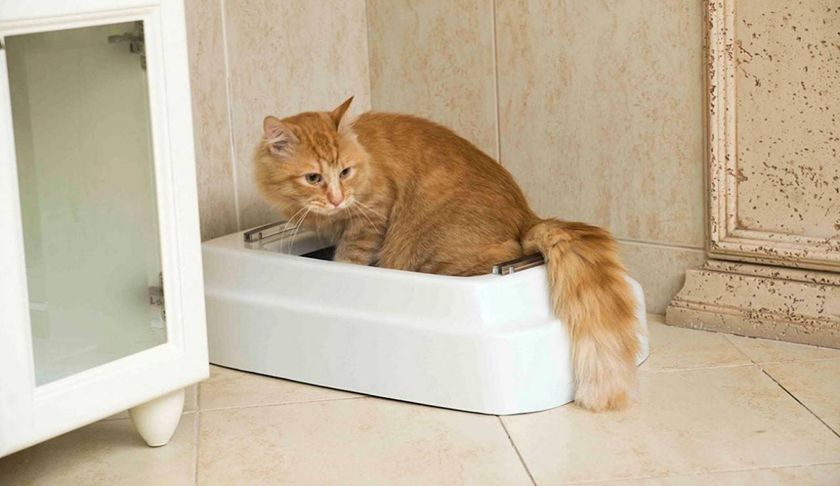
- An unkempt litter box or an unpleasant-smelling litter. Sometimes constipation in cats is caused by a pet's dislike of their litter box for one reason or another. This could be due to poor litter box hygiene, a new, unfamiliar litter texture (for example, from wood to mineral), or the litter's odor. Cats are very wary of unfamiliar scents, and manufacturers often add strong fragrances to litter. Therefore, try to buy your cat litter of the same type, preferably with a neutral scent, to avoid creating unnecessary stress for your pet.
Symptoms
There are several main signs of constipation in cats that should alert the owner.
First and foremost, this is a prolonged absence of bowel movements. This is the most reliable and obvious sign of a problem. The bowel movement schedule depends on the pet's age:
- adult cat – once every 1-1.5 days;
- kitten – 2 times a day;
- elderly individual – once every 2 days.
If your cat doesn't have a bowel movement for 3 or more days, this should be a cause for concern.
Changes in the appearance of feces may also occur. A healthy animal's feces are oblong, dark brown, and soft. Abnormalities include an unnatural color, the presence of foreign matter, a runny consistency, excessively dry, ball-shaped feces, or a thin ribbon-like stool, which may indicate a tumor in the abdominal cavity or intestines.
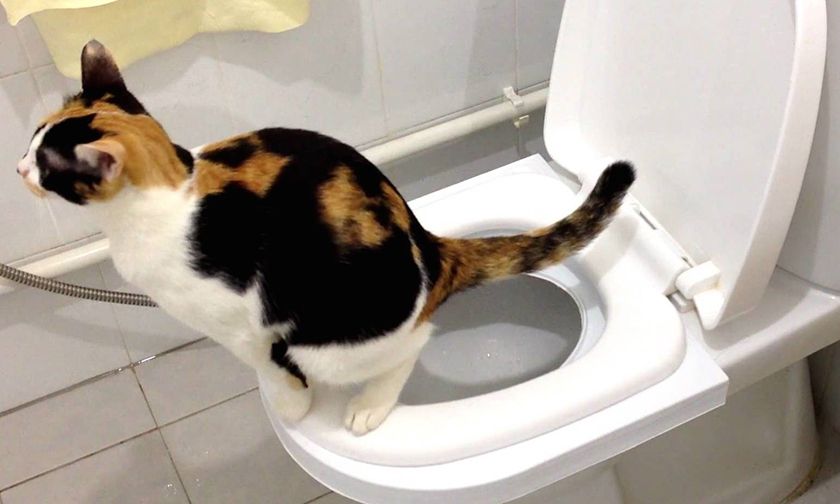
In addition, you need to pay attention to:
- Decreased activity and lethargy in your pet. Your pet sleeps a lot and spends most of their time lying down.
- Increased temperature due to intoxication of the body.
- Decreased or no appetite. With the development of intestinal obstruction The pet completely refuses to eat.
- Nausea and vomiting.
- A bloated abdomen and painful sensations upon palpation, accompanied by a characteristic meowing or even screaming.
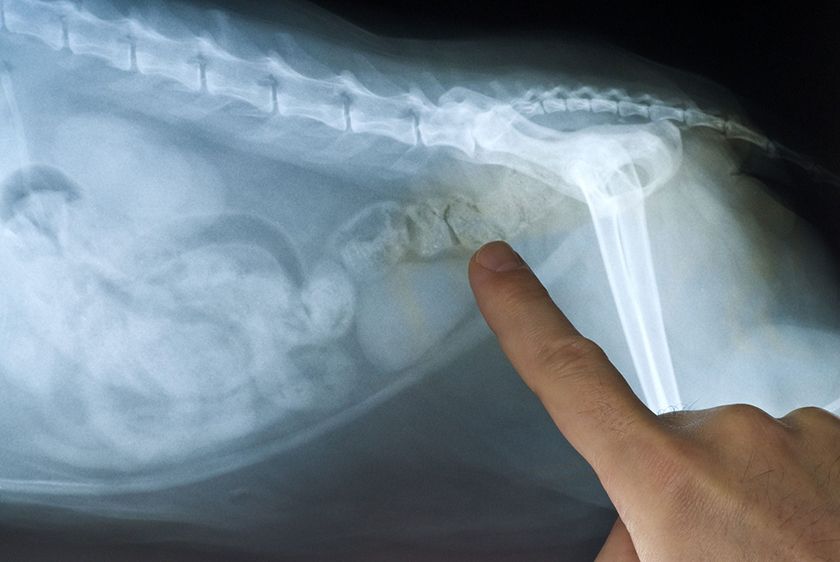
- A lump in the peritoneum. This is a section of the intestine filled with feces.
What to do if your cat is constipated
If the problem needs to be addressed urgently, rectal suppositories can be helpful. Rectal laxative suppositories with glycerin, suitable for humans, are also effective for animals. For a cat, half a suppository is sufficient. Cut the suppository lengthwise and gently insert it into the animal's anus. If there is no laxative effect, it is recommended to repeat the procedure in 4-5 hours.
If you don't have rectal suppositories at hand, you can resort to folk remedies and give them to your cat Vaseline oilThe advantages of Vaseline are that it is not absorbed by the intestines, it softens stool and, unlike medicinal laxatives, has a very gentle effect on peristalsis. The oil is given to the animal 2-5 times a day at a dose of up to 5 ml per administration until stool is completely normalized.
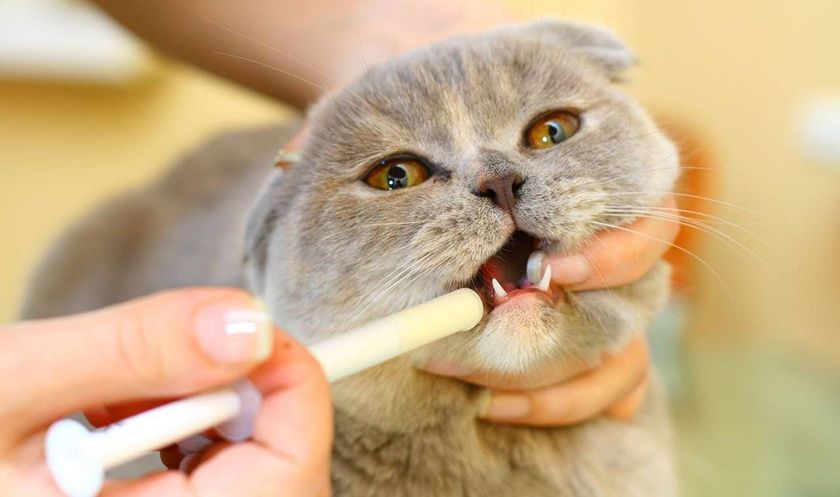
It is not advisable to replace Vaseline with vegetable oils with similar effects, such as linseed and especially castor oil, otherwise poisoning may occur.
After this, to stimulate intestinal motility, it is recommended to massage the pet's abdomen using light clockwise pressure.
In parallel with all the above measures, it's necessary to fast for a couple of days to reduce the strain on the gastrointestinal tract, and provide plenty of water during this time. If the cat refuses to drink, you can try giving it water using a syringe without the needle.
If constipation does not subside and becomes protracted, you should contact a veterinarian as soon as possible for examination, diagnosis, and treatment.
Diagnostics
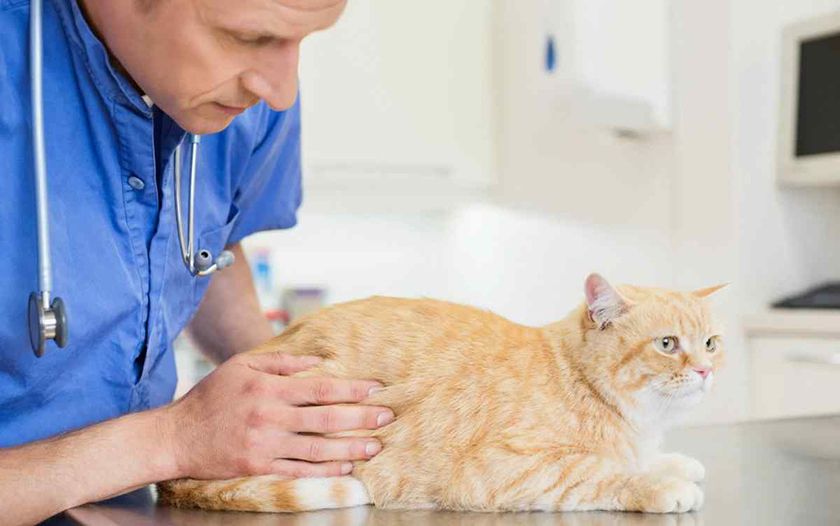
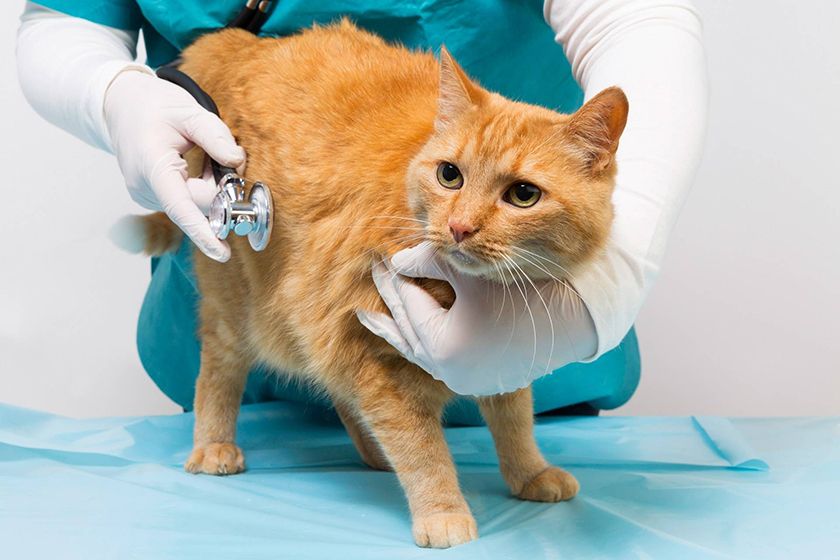
Before addressing the problem, the vet needs to collect a detailed medical history to ensure the treatment is as effective as possible and does not cause further harm to the animal. The owner should provide complete information about their pet, including the cat's age, medical history, injuries, living conditions, diet, parasites, etc. Next, they should describe the complaint in detail: how long the pet has been experiencing constipation, what the stool looks like, and whether there are any other symptoms besides constipation. After collecting the medical history, the specialist performs an examination: palpating the animal's abdomen and examining the rectum.
If a more serious diagnosis or mechanical intestinal obstruction is suspected, additional tests may be required:
- general and biochemical blood tests;
- coprogram for detection of parasites;
- urine analysis;
- Ultrasound for tumors and inflammatory processes;
- X-ray of the abdominal cavity - will show the amount of feces, foreign objects, hairballs.
Depending on the situation, a pelvic X-ray may also be needed to determine if there are any abnormal bone changes or poorly healed fractures in this area.
How to normalize a cat's stool
Home treatment is only possible if constipation is occasional and caused by poor nutrition. To avoid worsening the condition with inappropriate treatment, it's best to consult a qualified veterinarian who will determine the optimal treatment plan for your pet based on their medical history. The most effective methods include:
- Diet adjustments. It's advisable to switch your cat to a liquid diet during treatment. Completely eliminate human foods from your cat's diet, including sweets, processed foods, and grains that cause constipation, such as rice and oatmeal. Instead, increase the amount of vegetables (pumpkin, spinach, broccoli) and fermented milk products (sour milk, kefir, and plain yogurt).
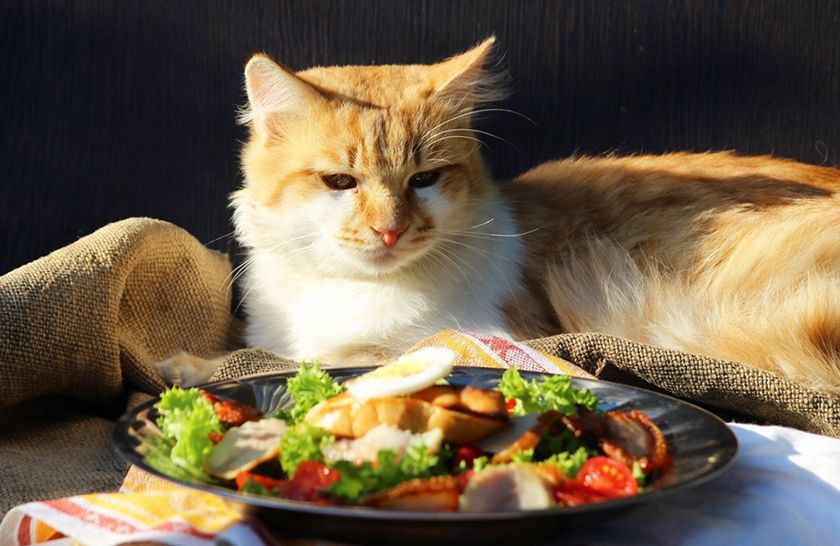
- Dietary supplements. Your pet's basic diet can be supplemented with special therapeutic foods enriched with fiber, grains, and fish oil. It's important to strictly follow the dosage instructions on the packaging.
- EnemaThis provides the fastest results for constipation, but doing it yourself is quite dangerous due to the risk of injuring the animal's rectum. Therefore, such procedures should be performed by an experienced veterinarian. A deep cleansing enema is prescribed only in particularly severe cases and is performed under general anesthesia. For mild constipation, a micro enema is usually recommended.
- Medication therapy. To loosen stool, depending on the specific diagnosis, a veterinarian may prescribe emollients, osmotic, lubricating, stimulant, or bulk-forming laxatives. It's important to note that these medications must be prescribed by a qualified veterinarian. Unsupervised treatment can lead to dehydration and other more serious consequences.
- Surgery. In cases of complete intestinal obstruction by feces, extensive tumors, and the presence of foreign objects, surgical intervention is essential. In this case, enemas and laxatives not only fail to solve the problem but can even be fatal.
Preventing constipation in cats
Unfortunately, the lifestyle of most indoor cats makes constipation only a matter of time. However, this condition can be avoided if cat owners follow these simple tips:
- Avoid dry food in favor of canned food and foods rich in fiber. Add flaxseed, bran, and ground plantain leaves to your cat's bowl to improve intestinal motility. There are also foods for cats with constipation.
- Give your cat deworming medication periodically.
- Brush your pet regularly. This is especially true for long-haired breeds. For prevention, it's recommended to give your cat special pastes to remove hair from the body.
- Make sure your cat drinks enough water. You can place several water bowls throughout the apartment or buy a drinking fountain for your pet.
- Provide your cat with opportunities for active play. Take them for walks often, play active games with them, or install a special exercise device, such as a running wheel or a multi-level cat house.
Read also:
- Worms in cats
- The cat can't go to the toilet
- Cats have white discharge in their litter box: causes and treatment


1 comment
Galina
Thanks for the detailed answer. I have a neutered male cat, 18 years old. He's started suffering from constipation. I've been adding Vaseline oil to his food. I was doing it wrong—giving it once a day, which is probably why it wasn't helping much. We tried Duffalac. I'll give him the oil more often. He's been moving less, probably due to his age. He drinks water frequently.
Thank you for your consultation.
Add a comment