
Zantac for dogs
Zantac is a medication originally developed for humans but also successfully used in dogs. It is successfully used to treat conditions caused by increased gastric acid secretion. It has a number of contraindications and sometimes causes side effects, so it should not be used without consulting a doctor.
Content
Release forms
Zantac is available in pharmacies in two forms: tablets and injection solution. Tablets can be effervescent or film-coated and contain varying amounts of the active ingredient. For humans, the varying amounts of active ingredient make it easier to choose the most convenient form of the medication. However, tablets are not recommended for small breed dogs due to the difficulty in accurately calculating the dosage and avoiding an overdose, which can be dangerous for the animal.
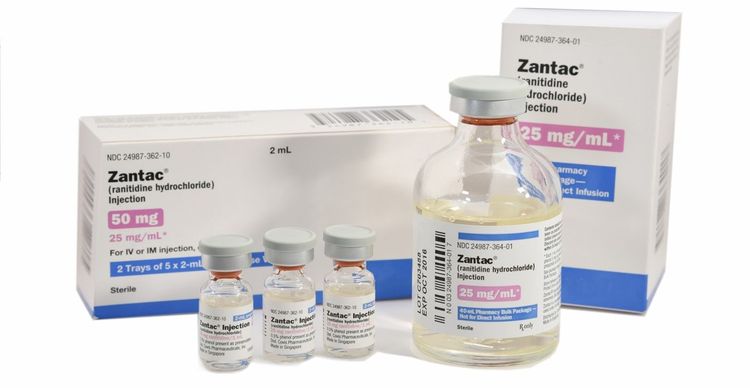
An injection solution is typically used to treat dogs. It is a clear, colorless liquid and is packaged in 2 ml ampoules.
Please note: If the solution from an opened ampoule is not used within 24 hours, it must be discarded.
Compound
Both tablets and injection solutions contain ranitidine as the active ingredient. Tablets contain 150 or 300 mg, while 1 ml of solution contains 25 mg. Different excipients are used in the preparation of regular and effervescent tablets. The exact composition of the medication can be found in the instructions or on the packaging.
The injection solution contains the following auxiliary components:
- sodium chloride;
- nitrogen;
- sodium hydrogen phosphate;
- potassium dihydrogen orthophosphate;
- purified water.
The medication has a pronounced antiulcer effect. It helps reduce gastric acid production, as well as its levels of pepsin, an enzyme responsible for protein breakdown, and hydrochloric acid.
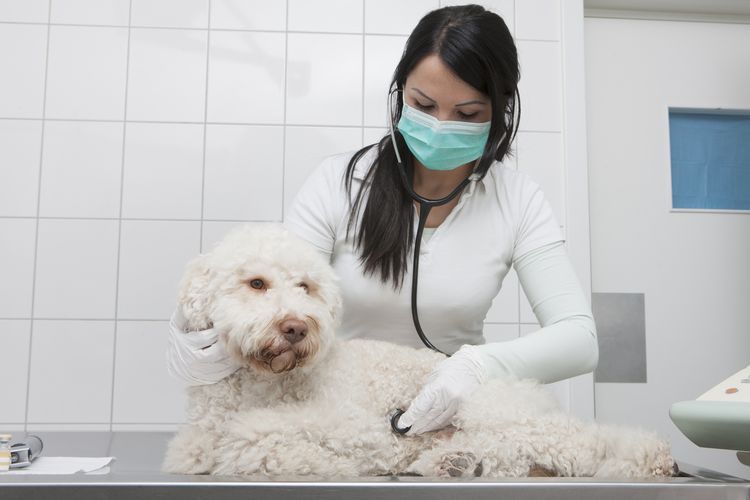
After injection, the medication begins to act within 15 minutes. When taken as tablets, peak blood concentrations of ranitidine are reached after three hours. Regardless of the dosage form, the active ingredient remains effective for 12 hours, so dosing should be repeated twice daily. The medication is metabolized and eliminated from the body through urine and feces.
When is it applied?
The instructions for use of Zantac do not specify when it is used in dogs, although the drug has the same indications as in humans. It is used as monotherapy or in combination therapy for ulcers caused by various factors:
- poor nutrition;
- nonsteroidal anti-inflammatory drugs;
- taking aggressive medications;
- chemical poisoning;
- stress, etc.
Zantac is used in the treatment and prevention of the following pathological conditions:
- duodenal ulcers;
- peptide ulcer;
- postoperative ulcers;
- chronic or acute gastritis;
- gastrointestinal tract lesions caused by Helicobacter pylori bacteria;
- inflammation of the gastric mucosa;
- indigestion.
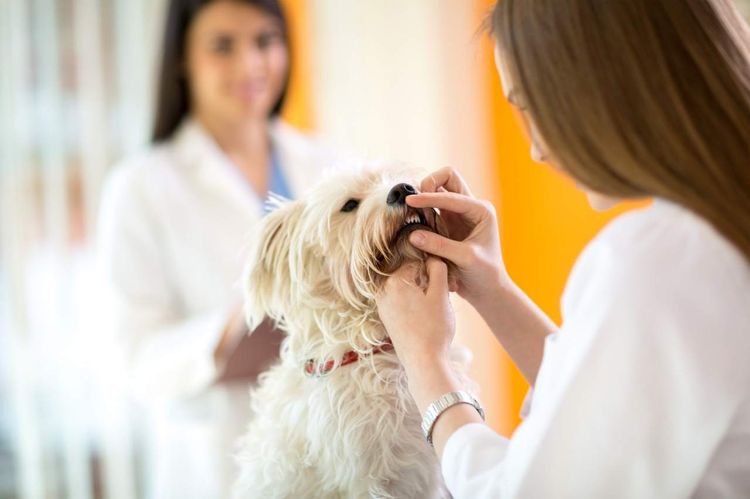
Sometimes the medication is used to prevent recurrent bleeding in the stomach or intestines. This medication should only be used as prescribed by a doctor after an examination and an accurate diagnosis.
How to apply?
According to the instructions for use, Zantac injections are administered to dogs intravenously, or less commonly intramuscularly or subcutaneously. The solution is typically diluted with sodium chloride and administered very slowly (over 2 minutes). If tablets are used, administer them forcefully. Place them on the back of the tongue and ensure the animal swallows.
The dosage depends on weight. 2-3 mg of ranitidine is required per kilogram of body weight. If using a solution, 0.1 ml is required per kilogram. One tablet containing 150 mg of the active ingredient is sufficient for an animal weighing 50-75 kg.
The medication should be taken twice daily, 12 hours apart. The duration of treatment is usually determined by a doctor based on the symptoms and progression of the condition. Excessive use may lead to addiction, which will negatively impact the medication's effectiveness.
Please note! When using this medication, your pet must follow a diet and follow your doctor's recommendations for dietary adjustments. Foods that can irritate the stomach lining should be excluded from the diet.
If the ulcer is caused by Helicobacter, Zantac is used in combination with antibiotics.
Contraindications
Zantac should not be used in dogs with an intolerance to ranitidine or other components of the medication. The medication is also contraindicated:
- for puppies;
- for pregnant bitches;
- for lactating females.
The active substance can penetrate the placenta to the fetus and have a negative impact on its development, so the drug is used during pregnancy only if the risk to the bitch outweighs the risk to the puppies.
For chronic kidney and liver diseases, a doctor's consultation is necessary. Depending on the disease, the medication may be approved, but the dosage may need to be adjusted. Use with caution in weakened animals.
Zantac should not be combined with indirect anticoagulants (medicines that reduce blood clotting) and some other medications, as ranitidine reduces their effectiveness.
Side effects
If you are intolerant to any of the components, Zantac can cause an allergic reaction. This can manifest itself with the following symptoms:
- hives;
- lacrimation;
- itching;
- redness;
- edema, etc.
If such reactions are observed, the animal should be given an antihistamine for allergies and further medication should be discontinued. If these measures are insufficient, symptomatic treatment should be used.
The medicine may cause the following side effects:
- problems with stool (diarrhea or constipation);
- nausea and vomiting;
- heart rhythm disturbance;
- lowering blood pressure;
- irritability and aggression;
- apathetic state;
- rapid fatigue;
- stomach ache;
- drowsiness;
- impaired coordination of movements.

The drug's effects can negatively impact hormonal balance, liver and circulatory system function, and musculoskeletal health. Although most side effects are very rare, caution and close observation of your pet during treatment are essential.
Overdose can cause seizures, irregular heartbeat, and other heart problems. Symptomatic treatment is used in these cases.
Special instructions
The medication does not require any special storage instructions. When storing tablets, it is important to keep the ambient temperature below 30°C, and the solution below 25°C. The medication should not be exposed to direct ultraviolet rays, and heat sources should be kept away from the medication. Keep the medication out of reach of animals and children.
No special precautions are necessary when using Zantac for dogs. The drug may cause an allergic reaction in people with hypersensitivity. In this case, consult a doctor.
Price
A 5-ampule package of Zantac solution costs between 120 and 180 rubles. Twenty 150 mg tablets will cost between 220 and 250 rubles.
You can buy the medication at any nearby pharmacy. There's no need to look for a veterinary pharmacy. A doctor's prescription is not required.
Owner reviews
Yuri, owner of a Jack Russell Terrier:
"After two bouts of severe vomiting, we went to the hospital. The doctors diagnosed gastroenteritis. They prescribed Zantac injections, as well as Smecta and the antispasmodic No-Shpa. We took all the medications as prescribed. By evening, the dog felt better. He became active and started chasing the cat. The medication did not cause any side effects or other unpleasant reactions."
Valentina, owner of a French bulldog:
"When our dog was diagnosed with gastritis with high acidity, we prescribed Zantac along with other medications. Because our pet is severely allergic, a rash, itching, and redness appeared within a few hours, and the vomiting intensified. We had to discontinue the medication. It didn't work for us. It's difficult to assess its effectiveness."
Veterinarian Reviews
Oksana, a veterinarian with 9 years of experience:
"Zantac is an effective medication for treating ulcers and bleeding in the gastrointestinal tract. Like any medication, it can cause side effects. My patients have experienced vomiting, diarrhea, and allergic reactions, but these situations are easily treatable if the animal receives prompt treatment. One advantage of this medication is its low price."
Vladimir, a veterinarian with 12 years of experience:
"Our clinic has long used Zantac to treat animals. Although the drug was originally intended for humans, it also helps dogs cope with gastritis and ulcers. Animals are just as susceptible to these conditions as humans. Most dogs tolerate it without side effects or complications."
Read also:


Add a comment