
A cat's tongue under a microscope
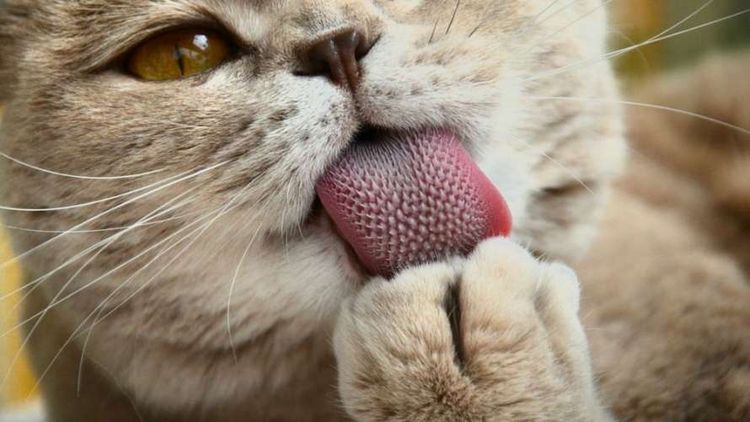
A cat's tongue is often compared to sandpaper or a grater, as its surface is covered with numerous small, sharp papillae. This "roughness" helps the animal groom its fur, remove dirt and parasites, and also helps regulate body temperature. Detailed studies of this organ under a microscope and using MRI have yielded a wealth of interesting information about its structure. This knowledge not only helps better understand the cat's body but also has applications in the creation of useful household items for humans.
Content
Structure and functions of language
A cat's tongue consists of longitudinal and transverse muscles, making it highly flexible and mobile. The animal can extend it, move it in different directions, and curl it into a scoop shape, for example, when drinking. The tongue primarily serves for eating, but it also plays an important role in thermoregulation. Licking itself in hot weather cools the surface of the body, and a protruding tongue can indicate overheating.
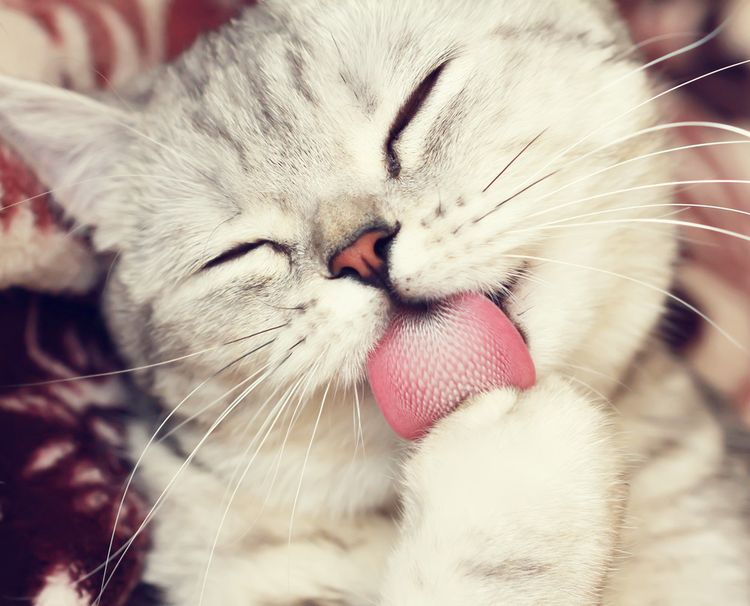
The upper layer of the tongue is covered with special, hard, spine-like papillae. These papillae are essential not only for holding food and drink in the mouth but also for thoroughly cleaning the fur, removing accumulated dirt and large insects. Thanks to this property, cats rarely need to be bathed, unlike dogs. However, cats are unable to remove all the debris (including hair) from the tongue and will swallow it. Therefore, owners should assist their pet with grooming to prevent it from accumulating in the intestines.
Latest research
Until recently, no serious research had been conducted on the structure and function of the cat tongue. In 2018, research fellow Alexis Noel at the Georgia Institute of Technology (Atlanta, USA) initiated a detailed study of the structure of the cat tongue.
The study involved examining tongues from deceased domestic and wild cats (samples were provided by zoos and breeders). The results were therefore evaluated based on samples from six feline species:
- Domestic cats.
- Red lynxes.
- Pumas.
- Snow leopards.
- Tigers.
- Lions.
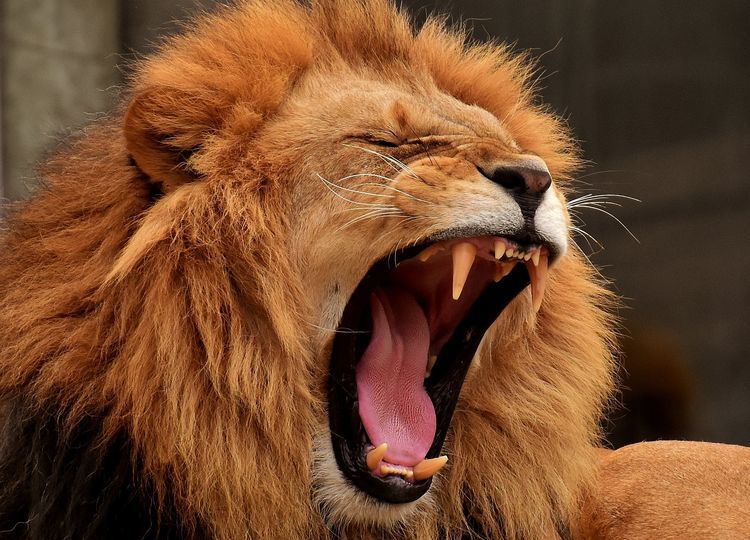
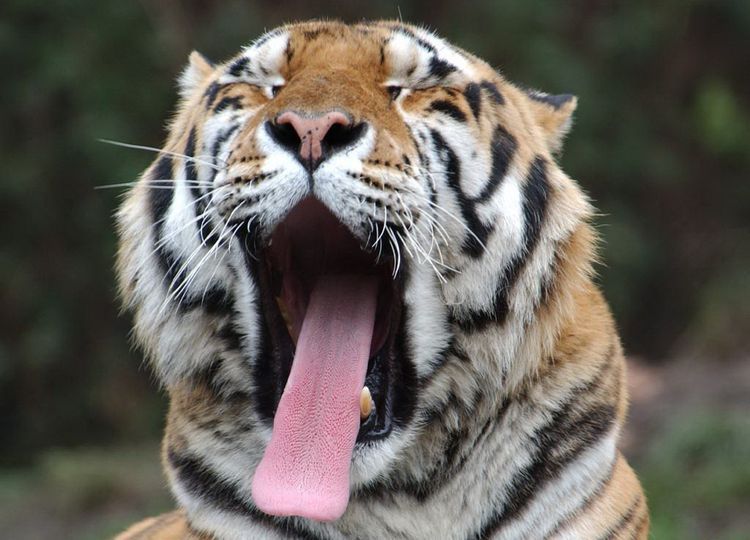
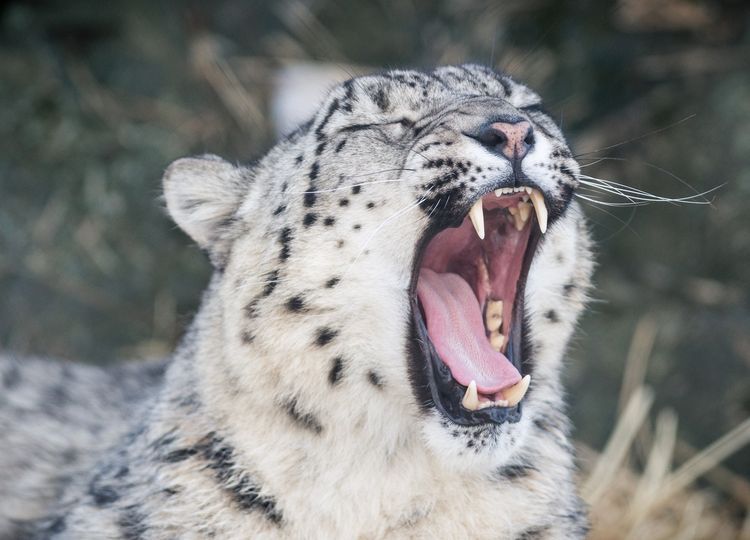
The cats' tongues were examined under a microscope and using an MRI scanner. The photos and videos were then thoroughly analyzed. Based on the data obtained, the scientists reached the following conclusions:
- The rigid papillae are not cone-shaped (as previously assumed), but rather curved claws. This shape allows liquid (saliva or water) to be retained on the tongue using surface tension. This design is quite effective. It keeps liquid on the tongue and prevents it from leaking out of the mouth (a common occurrence in dogs, especially breeds with excessive salivation).
- During licking, the papillae reach the skin, pushing back the layer of hair. With their help, moisture is delivered to the skin. saliva, which provides cooling of the skin and reduces overheating of the body.
- The papillae are mobile. During grooming, they can change direction when they detect obstacles (such as hairballs). This allows them to clean not only the top coat but also the dense undercoat. Thus, almost all cat breeds can easily clean their entire coat. The exception is Persian breeds, which require regular brushing to prevent hairballs. tangles.
Everyday application of research results
Researchers at the Georgia Institute of Technology intend to patent the results of their work for future use in everyday life. This knowledge could be useful for developing new brushes and other cleaning equipment for wool surfaces (carpets, clothing, etc.), as well as for grooming human and animal hair.
According to scientists, the global cleaning product industry has recently been devoting more time to developing new cleaning fluids than upgrading brushes. Cleaning products often contain toxic substances that can directly or indirectly harm health and the environment by settling in water and soil. Meanwhile, brushes, even those made of plastic, have a long lifespan and are less toxic than household chemicals. The unique structure of a cat's tongue could be used to create new cleaning tools for difficult wool or fabric surfaces.
Furthermore, the principle of papillae penetration into the deep layers of the hair coat can be used to develop devices that deliver medications to the skin through thick hair or wool (without shaving the affected area). This could be used in medicine to treat dermatological diseases in both humans and animals.
Alexis Noel and her colleagues have already demonstrated a new product – TIGR (tongue-inspired grooming). It is a brush with two rows of teeth that mimic the papillae of a cat's tongue. The brush was created using a 3D printer. The soft bristles allow for gentle and effortless combing of human hair, even tangled strands. The brush also effectively detangles both synthetic and natural fibers. Therefore, this product could be used, among other things, in the textile industry.
Read also:


Add a comment