
Sores on a cat's body: causes and treatment
An ulcer (ulcus) is a defect in the skin and subcutaneous tissue that resembles a shallow, crusted wound. This condition often causes excruciating itching in cats, and scratching the sores worsens the condition. The appearance of ulcers on a cat's skin can have various causes. Since treatment is necessary, and it will vary from case to case, a correct and timely diagnosis is essential.
Content
Reasons
Ulcers on a cat's body can be round or oval, with edges typically not raised above the skin's surface. However, chronic ulcers may have raised, dense edges. The ulcer base may be clear, bleeding, or purulent, covered with granulation tissue. After healing, small scars with jagged edges form at the site of the ulcers and dry sores.
Ulcers can form as a result of:
- skin damage (mechanical, thermal, chemical),
- development of a secondary bacterial infection,
- insect bites,
- allergic reaction to food or external irritants,
- hormonal imbalances or metabolic disorders,
- diseases of internal organs,
- decreased immunity,
- hypovitaminosis,
- poor conditions of keeping the animal.
But most often, such growths on a cat's body or paws are one of the symptoms of a skin disease. This could be:
- Pyoderma is caused by staphylococci, pseudomonas aeruginosa, or proteus bacteria that enter the body through scratches or wounds on the cat's skin. In this case, scabs and pustules appear alongside hard papules on the cat's skin.
- Natoedrosis, demodicosis, scabies - parasitic diseases caused by the subcutaneous mite. Symptoms include itching, skin inflammation, and the formation of crusted ulcers. The most common site of infection is the animal's head and neck.
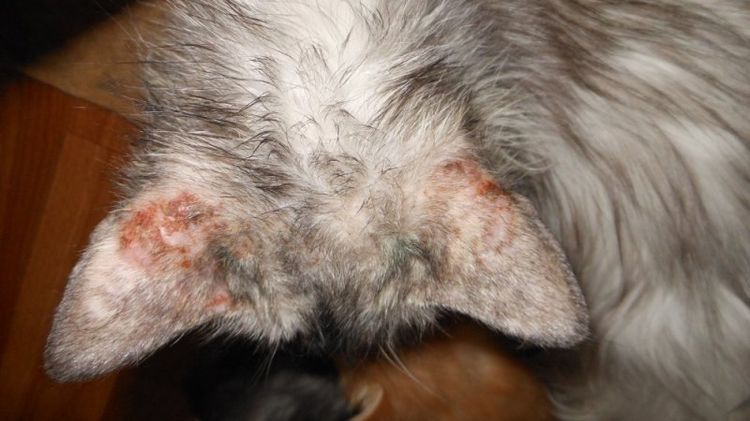
- Eczema caused by allergies. Sometimes, after applying an antiparasitic medication to a cat's withers, irritation and an itchy rash appear on the neck. After scratching, ulcers form in this area, appearing as weeping sores. Hair loss may also occur in the affected area.
- Folliculitis is an inflammatory process affecting the hair follicles and having a microbial or fungal origin.
- Atopic dermatitis An inflammatory disease associated with the body's hyperreaction to certain substances. This chronic condition manifests itself as severe itching, rashes, and purulent ulcers on the cat's neck, head, and lower body.
- Diseases of internal organs.
Caution! Many dermatological diseases are common to both animals and humans. Therefore, if your pet develops skin sores, it should be examined by a veterinarian immediately. Until a diagnosis is made, avoid physical contact with the affected cat and isolate it from other pets.
Diagnostics
Diagnosis of ulcerative dermatoses in cats involves collecting a medical history, performing a visual dermatological examination, performing blood tests to detect inflammation, and performing cytological examination of skin scrapings or fine-needle aspiration samples of the subcutaneous tissue. Urine and fecal samples are also taken. This allows for the detection and identification of pathogens, such as pathogenic microflora, mites, and fungi. If necessary, an ultrasound may be performed to detect internal organ disease.
If it is suspected that the formation of skin ulcers is of an allergic nature, for the purpose of differential diagnosis the cat is transferred to a so-called elimination diet, alternately, for one to two weeks, excluding from the animal's diet products that are potential provocateurs.
Treatment
Therapeutic measures for ulcerative dermatoses depend on the type and severity of the disease; treatment methods are prescribed by a doctor based on the results of diagnostic tests.
Pyoderma
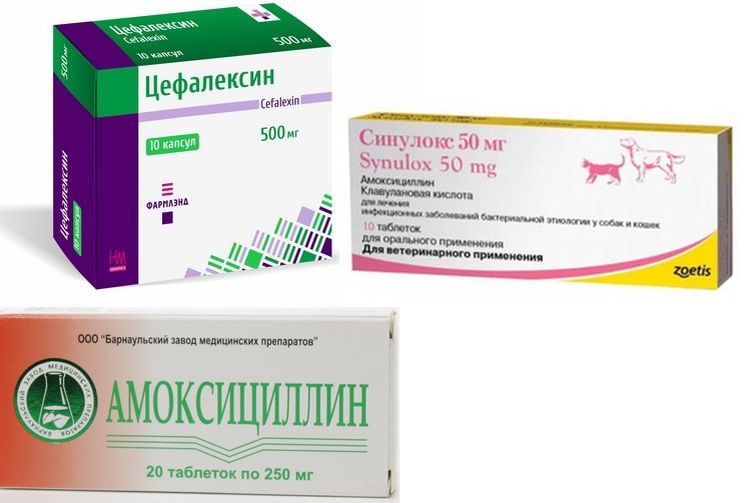
This infectious skin lesion is treated with antibiotics, a course of therapy typically lasting 2 to 4 weeks, even if visible signs of the disease disappear sooner. In addition, topical treatments such as antibacterial ointments and creams are used to heal skin lesions. In veterinary medicine, Amoxicillin, SynuloxCephalexin, administered to the animal twice daily at a dose of 25 mg per kg of body weight. When choosing a medication, the veterinarian considers its effectiveness against the identified microorganism, the speed and duration of action, and the number of potential side effects.
Eczema
This type of dermatosis requires complex treatment, including treating the affected skin areas with antiseptics (usually hydrogen peroxide or alcohol), hormonal ointments, and antipruritic suspensions. The cat is prescribed immunostimulants and vitamins for oral administration, and the diet includes fermented milk products to help restore normal microflora.
Folliculitis
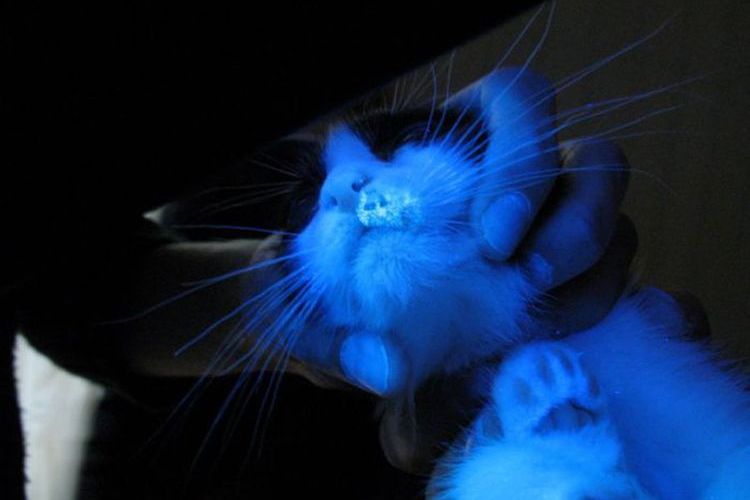
Treatment involves systemic and topical therapy. Affected areas are treated with antiseptics and healing ointments and creams; if necessary, purulent ulcers are lanced. In most cases, cats are prescribed a course of antibiotics with Beytril, Zoetis, Sinulox, or Gentamicin, as well as immune-boosting medications. If a cat is prone to follicular inflammation, veterinarians recommend purchasing a UV lamp and periodically treating the cat to a "home solarium."
Notoedrosis, demodicosis, scabies
Ulcerative dermatoses caused by subcutaneous mites are difficult to treat, and it takes a considerable amount of time for a cat to fully recover. This is because antiparasitic medications only kill the mites, leaving their eggs intact. The final generation hatches in about a week. Consequently, treatment must be repeated, with several days between treatments.
In veterinary medicine, complex topical therapy is used to treat cats with skin diseases such as notoedrosis, scabies, and demodicosis. The following are used:
- Acaricidal (parasite-killing) ointments, creams, suspensions: Demos, Butox, Stronghold, Neostomazan.
- Keratolytic (softening and exfoliating) drugs: Oktolin, Akriderm, Belosalik, Skinoren.
Atopic dermatitis
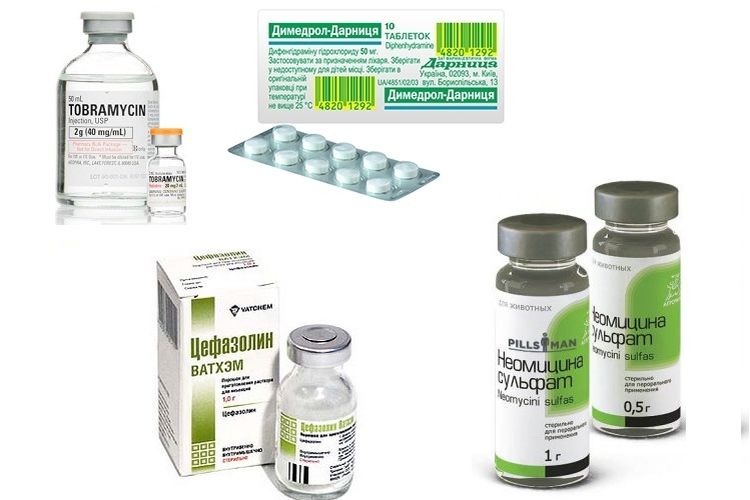
Treatment of atopic dermatitis in cats involves a combination of measures aimed at suppressing the growth of pathogenic microflora and relieving the manifestations of an allergic reaction. Broad-spectrum antibiotics (tobramycin, cefazolin, neomycin) and antihistamines (diphenhydramine, clemastine) are prescribed. Immunosuppressants (e.g., cyclosporine) are used to reduce immune hyperactivity.
INimportant!You should never try to treat your cat's skin sores on your own without consulting a veterinarian. Even if ointments or sprays can alleviate the symptoms to some extent, the underlying cause will remain, and symptoms will recur over time. During this period, the condition can become chronic, making it much more difficult to treat, not to mention the risk of spreading the dermatosis to other pets in the house and to people.
Prevention
To prevent various skin diseases in cats that cause ulcers on their bodies, preventative measures are virtually the same. These include maintaining good hygiene, keeping their bedding clean, providing a balanced diet, and promptly treating your pet with antiparasitic medications.
Read also:
- Why does my cat shed so much hair in the summer?
- Scabs on the neck and head of cats
- Diseases in cats: causes and treatment


Add a comment