
Stomach ulcers in cats
Stomach ulcers in cats are quite common. Not everyone can correctly diagnose this condition, and often pets suffer from it alone. It would seem that she eats on a schedule and doesn't indulge in fast food, so how could this little creature develop this condition? Today, we'll discuss the main causes, symptoms, and treatment of stomach ulcers in cats at home.
Content
Stomach ulcer – what is it?
Let's face it, gastric ulcers in cats are a multifactorial disease, meaning there are numerous causes. And if other contributing factors are added, then, unfortunately, your four-legged friend has a very high risk of developing the disease. Today, we'll tell you about gastric ulcers in detail:
- Features of this disease;
- Main signs and symptoms;
- Treatment and prevention methods (including nutritional recommendations).
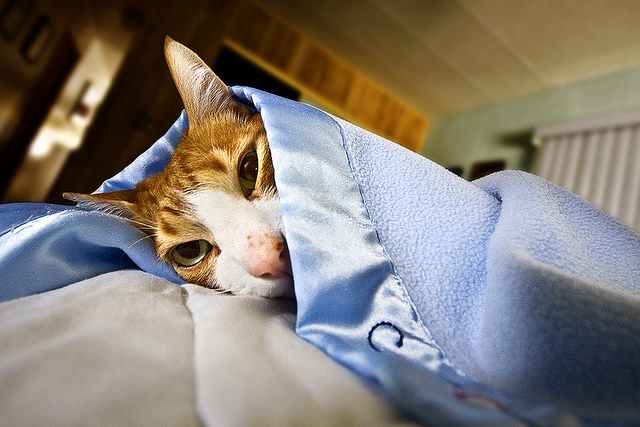
There's gastritis, and there's an ulcer. And you shouldn't confuse these diseases. Both affect the gastric mucosa. Almost everyone already knows what a gastric ulcer is. It's not a superficial lesion of the mucosa, like with gastritis, but deep. Several layers become inflamed. Sometimes, even a through "hole" forms—a penetrating ulcer, which is very dangerous (the pet may die).
Besides penetrating ulcers, there are also progressive and simple ulcers. A simple ulcer, which is not septic, is not particularly dangerous (unless it progresses to another form), so it heals fairly quickly. Progressive ulcers, on the other hand, constantly worsen, then become chronic again, and don't bother the animal for a long time, although they can increase in size. Fortunately, the simple ulcer is the most common type.
Reasons
The causes of gastric ulcers in cats are varied, but let's look at the most common ones:
Poor nutrition
The most common cause is poor nutrition. This includes not only an unbalanced diet but also feeding the animal unhealthy foods (such as sausages) and prohibited foods (fatty, smoked, spicy, spoiled, etc.). Feeding schedules are also crucial. If they are constantly disrupted, the stomach will react sooner or later. The mucous membranes will inevitably become inflamed. Whether the cat develops gastritis or an ulcer is a gamble. In any case, the animal will require veterinary care, treatment, and dietary changes, including a special diet.
Other possible causes of stomach ulcers in cats
| Stress | Don't expect your pet to develop an ulcer immediately after shock. It takes some time for the changes to become noticeable. This is why owners don't always associate the stress their pet has experienced with gastritis or ulcers. |
| Taking medications | Certain medications, especially if given to an animal for a long time (and even incorrectly), can contribute to the development of stomach ulcers in cats. |
| Foreign objects in the stomach | Less often, an ulcer develops as a result of damage to the gastric mucosa by foreign objects (for example, a cat swallowed something hard, bones, sausage skins, film, etc.). |
|
Gastritis |
If a cat with gastritis is left untreated, it can easily develop an ulcer (especially if the underlying cause is not addressed and continues to affect the animal). |
Symptoms
Symptoms of gastric ulcers in cats can sometimes be very similar to those of gastritis. However, this is only at the very beginning; for a more accurate diagnosis, it's necessary to consult a veterinarian who will conduct additional examinations (X-rays, ultrasound, and others).
- The first thing the owner notices is a change in behavior. The cat is very lethargic, barely moving. sleeps a lot.
- Vomiting. When an animal has an ulcer, the vomit often contains streaks of blood.
- Diarrhea or constipation. Digestion is impaired. Less hydrochloric acid and enzymes that break down food in the stomach are produced, making food less digestible. Food either stagnates in the intestines or "transits" through the digestive tract without being absorbed.
- As a result, the cat begins to lose weight rapidly. Its fur also begins to dull, fall out, and become tangled. The animal appears ill.
- The breath smells very unpleasant. The cat may burp (and not necessarily only after eating).
- The stomach area is painful. Sometimes the pet won't even let you hold it because it hurts.
- The color of the mucous membranes changes. They can either turn blue or yellow (this is where bile pigments come into play).
Once you've identified the symptoms of gastritis in cats and received a diagnosis from a vet, it's time to begin treatment!
Cat treatment
Treatment for a cat with a gastric ulcer begins with diagnosis and addressing the underlying causes. Antispasmodics, painkillers, vitamins, and minerals are then prescribed. Syrups/suspensions that coat the stomach lining, thereby protecting it from hydrochloric acid and promoting faster healing, are effective (the most well-known and effective is Almagel A).
Without dietary therapy, positive results won't be achieved quickly. Therefore, a complete dietary overhaul will be necessary.
Nutritional Features
Feeding a cat with a stomach ulcer should be done correctly - it should be put on a special diet.
- It is best to give rice porridge (along with broth, so that this gluten coats the walls of the stomach - Cook the rice thoroughly and don't overdo it with it, as it's very constipating.).
- Give slimy porridges too, for example, oatmeal.
- Broths made from lean meat are very filling.
It is better not to give meat and fatty foods. Also, put off hard-to-digest foods for later. Protect your pet's stomach.
Prevention
Prevention of stomach ulcers in cats includes the following rules:
- Preventing stomach ulcers in cats involves, first and foremost, balancing their diet. No table scraps! No "human" food! Your cat should have its own menu.
- Don't feed bones to your cat. They're waste and can cause intestinal obstruction or perforation.
- Be careful with the temperature of the food you give your pet. It should be room temperature, but not hot (straight from the pan) or cold (straight from the refrigerator).
- Feeding dry food? Don't skimp! Budget-friendly options often lead to various illnesses, including those affecting the digestive tract.
- If you feed your pet natural food, diversify their diet! Don't feed the same thing day after day.
We hope you found this information helpful. Please ask any questions you have about gastric ulcers in cats in the comments.
Any questions? You can ask our website's staff veterinarian in the comments below, who will answer them as quickly as possible.
Read also:


6 comments
Tatiana
Could you please tell me what else I should feed my cat besides rice water? She's lost a lot of weight. I don't know if it's gastritis or something more serious, but how should I treat her? What herbs or medications? I'll say right away that there's no way to take her to the vet. We only have cats in the city, and we're very far from there. And she's not the most tame cat anyway; she wouldn't let anyone touch her, but I really want to save her, she's a beloved family member.
Daria is a veterinarian
Hello! Well, a cat can't survive on rice alone. She needs meat, vegetables, and other grains, too, since you've decided to feed her natural food. Have you treated her for parasites? Before feeding (about 20-30 minutes before), you can give her Almagel A (it coats the stomach lining and relieves pain). As a result, she'll eat more readily because she won't feel pain after eating. But we need to figure out the underlying problem. It could be something more serious than gastritis. A course of antibiotics (followed by a course of probiotics/prebiotics) and vitamins might be needed.
Antonina
Good evening. My cat has a stomach ulcer. She was poisoned by antibiotics. We're on IVs (sodium chloride, glucose), and we're using omeprazole. She was also given a general tonic injection of Catosal and Thiotriazoline (because her liver function tests were elevated, causing bile to leak into her stomach, which triggered the ulcer). Before this, she had a biochemistry panel and a clinical examination. We're still waiting for the final results.
I have a question about feeding. Are super-premium foods suitable for sensitive digestion? (I know about Royal Canin, but my cat won't eat it, either dry or wet.)
Thanks for the answer.
Daria is a veterinarian
Hello! Yes, but only in liquid/soft form, and then observe how your cat feels. Not dry food! Soft (canned) food won't irritate the already inflamed stomach lining as much as dry food. It's easier to digest. If biochemistry confirms liver problems, you'll have to reconsider what food to choose (hepatic may even be an option). Is your cat vomiting now?
Irina
Hello! Will chaga tea help?
Dasha is a veterinarian
Hello! Avoid self-medication for these conditions. Ulcers should be treated not with folk remedies, but with a comprehensive approach—medications under the supervision of a veterinarian—to prevent internal bleeding or complications such as perforation. Change your pet's diet and administer the prescribed medications as prescribed by your veterinarian after an examination.
Add a comment