
Corneal ulcers in dogs and cats
The classification of eye diseases in cats and dogs is extensive. Each of these conditions deserves the attention of not only veterinarians but also pet owners. Knowing the causes and characteristic clinical signs allows for early recognition of pathology in your pet and promptly seeking qualified veterinary care.
Content
What are the dangers of eye diseases for cats and dogs?
Initially, the disease causes discomfort to the pet, and over time, pain. Failure to promptly treat the condition can lead to serious complications and vision loss. When pathogens enter damaged tissue, a bacterial infection often develops.
If a visit to the vet is delayed, the condition is severe, or there are contraindications to surgery, it may be necessary to completely remove the eyeball. Therefore, a visit to a veterinary ophthalmologist is essential for any eye problems in cats and dogs.
Features of the disease
Such a quick response from the owner can help save the cat or dog's vision, and in some cases (when an infection "joins" the inflammation) even their life. Yes, inflammatory processes (especially those caused by bacteria or viruses) very quickly "migrate" to the tissues surrounding the inflamed area. And what's near the eye? The brain. That's why purulent conjunctivitis , keratitis and other ailments first develop into panophthalmitis, and then, via ascending pathways (most often blood vessels), they reach the brain, causing meningitis, encephalitis, and other diseases. Treating your pet becomes significantly more difficult.
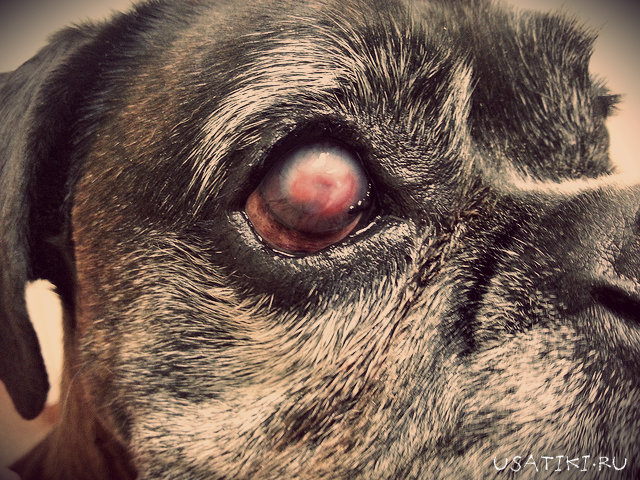
Today, we'll talk about corneal ulcers. What causes them, how to recognize them, and what risks they pose. And most importantly, what treatment does a dog with a corneal ulcer require?
Causes of corneal ulcers in dogs and cats
The most common cause of corneal ulcers in cats and dogs is a raging infection. Normally (in a healthy and strong animal), even a small scratch on the cornea heals fairly quickly due to the accelerated division of specialized cells called keratocytes. However, if bacteria enter the wound and begin to produce toxins, the scratch will only begin to grow, turning into a wound. Keratitis will first develop, which very quickly becomes a corneal ulcer in a dog or cat. But what can trigger such rapid destruction of the cornea?
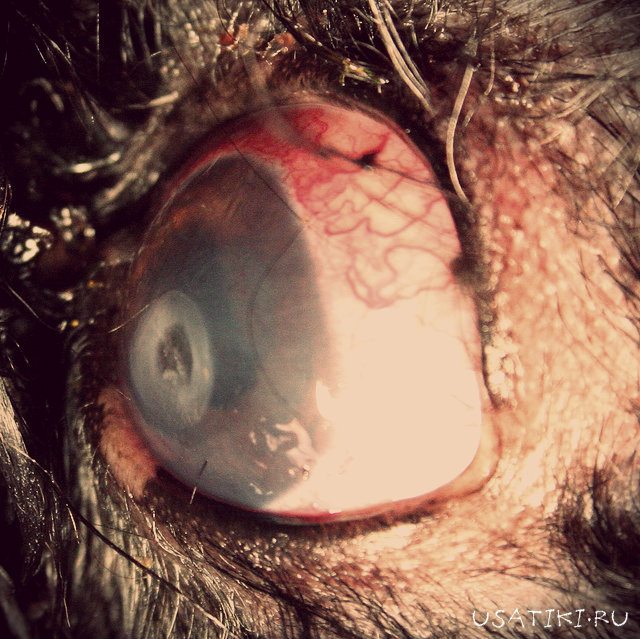
Corneal injuries
It all starts there. A dog or cat doesn't necessarily have to be involved in a fight to get hit in the eye by an opponent's claw or tooth. It's enough to stumble across a dry twig or a tough blade of grass in the bushes. There are plenty of things that can damage an animal's eye.
Prolonged conjunctivitis and keratitis in cats and dogs
When inflammation is prolonged and the animal doesn't receive proper treatment, corneal ulcers in cats develop very quickly. These seemingly harmless conditions shouldn't be ignored, as they can lead to serious consequences. Be sure to consult a veterinarian, even if you think you can handle it yourself.
Infection
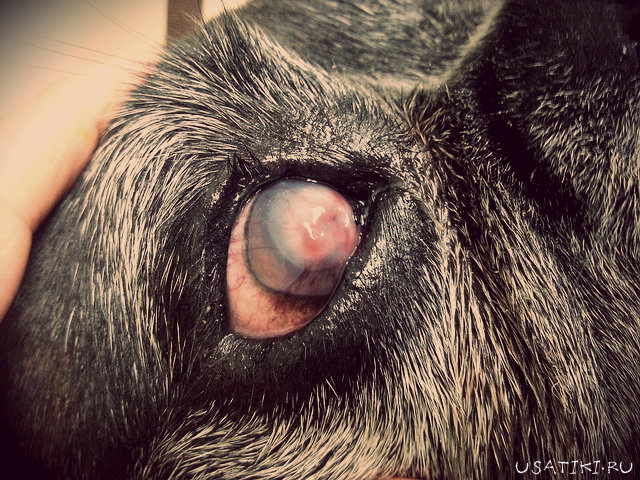
Bacteria and viruses multiply rapidly, initially causing conjunctivitis and keratitis, which then quickly progress to ulcers. The cornea doesn't necessarily need to be injured. Many viral or bacterial diseases lead to inflammation of the cornea or conjunctiva. Therefore, keratoconjunctivitis is merely a symptom of an underlying, serious condition. If left untreated, this inflammatory process worsens, and the dog develops a corneal ulcer (photo below).
Predisposition to corneal ulcers
Pets with short snouts and "bulging eyes" are more likely to suffer from corneal injuries. This occurs because the eyelids don't close completely, making the eye more susceptible to injury. Who is at risk? Pekingese, bulldogs, Persians, pugs, boxers, Chihuahuas, and others.
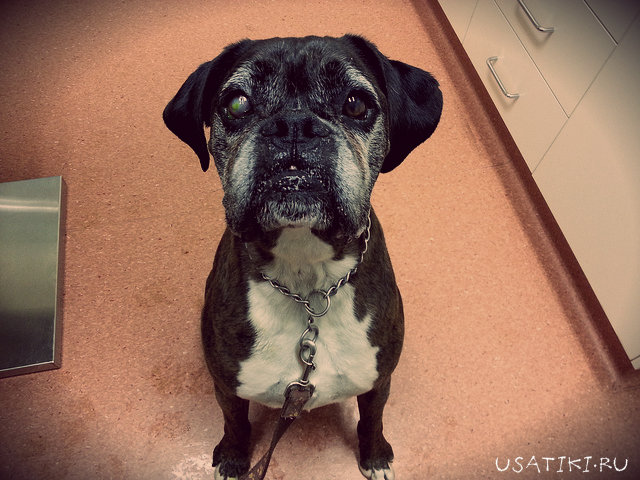
- Eyelid pathology. These include entropion of the eyelids (both congenital and acquired after blepharitis), trichiasis (growth of eyelashes towards the cornea), neoplasm on the eyelids.
Symptoms of corneal ulcers in dogs and cats
You can recognize the symptoms of a corneal ulcer in your dog yourself, but a veterinary examination is a good idea. They will confirm the diagnosis and prescribe treatment for your pet. This condition is also known as ulcerative keratitis.
In the acute stage, the eyes water excessively. Photophobia also occurs. Strabismus may also develop. The conjunctiva becomes very red, and eyelid spasms are observed.
If a dog with a corneal ulcer is left untreated for a long time, the blood vessels begin to grow into the cornea. However, the risk of perforation and leakage of the eye is much greater.
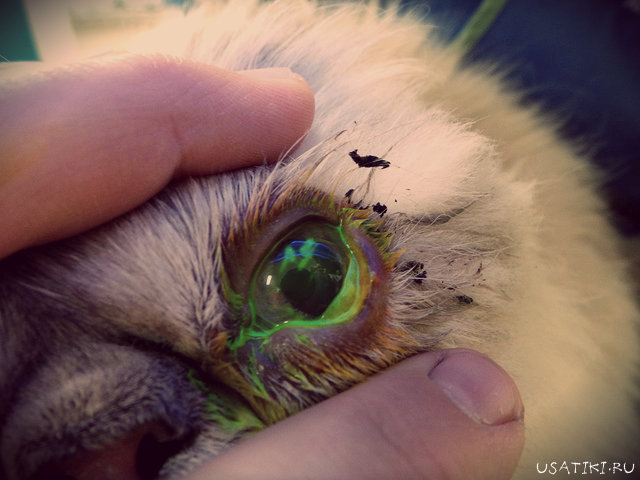
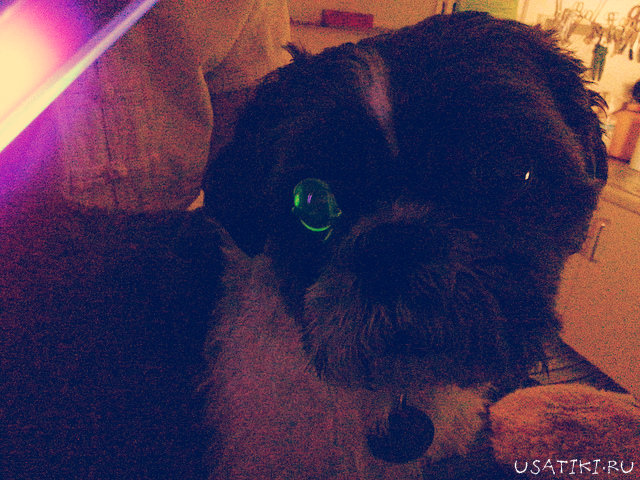
If you look closely at the eye, you'll notice ulcers of varying sizes and diameters on the cornea. However, only a veterinarian can confirm the diagnosis definitively. To do this, they'll apply a special fluorescent solution (it won't cause any pain or discomfort to the already suffering pet) to the cornea. They'll then shine a special lamp onto the eye after turning off the lights in the room. If ulcers are present, their edges will glow green (see photo of a dog's corneal ulcer, detected using a fluorescent solution, below).
Treatment for dogs and cats suffering from corneal ulcers
To prevent further injury to the eye, a dog or cat is fitted with a special collar. Antibacterial ointments are essential for treating a dog with a corneal ulcer. Even if there are no bacteria in the wound at the moment, it's better to prevent their reappearance. Applying ointments every six hours is sufficient. Antibiotic drops should be used every three to four hours. Ointments last longer and should be applied to the conjunctival sac (behind the lower eyelid). The most common medications for treating corneal ulcers in cats include erythromycin, gentamicin, terramycin, tobramycin, and others.
A small amount of 1% atropine is also used, gradually reducing the dosage. A veterinarian will assess the specifics. If herpes is the cause of the dog's corneal ulcer, antiviral medications are prescribed.
To combat the corrosive ulcer, the veterinarian prescribes medications with anti-collagen properties.
However, sometimes a veterinarian decides to perform surgery, removing the damaged cornea and applying a flap of healthy conjunctiva. Over time, the healthy cornea will begin to recover, as long as you follow all your veterinarian's recommendations and visit them regularly.
Preventing Corneal Ulcers in Dogs and Cats
- Keep a close eye on your pet. Don't let them wander through bushes or mown or dry grass. And make sure there are no fights.
- Pay attention to any changes in behavior or condition. If your cat or dog suddenly starts tearing from one eye (or even both at once), consult a veterinarian for an examination. Even if conjunctivitis is the cause, it's better to treat it early than to treat ulcerative keratitis later.
- Vaccinate your pet according to age. Many infectious diseases cause inflammation of the cornea and conjunctiva, which can easily develop into ulcers.
Any questions? You can ask our website's staff veterinarian in the comments below, who will answer them as quickly as possible.
Read also:


Add a comment