
Japanese Spitz
The Japanese Spitz is a friendly and cheerful toy dog with a pleasant personality, striking appearance, and exceptional intelligence. This relatively young breed, originally from the Land of the Rising Sun, has, in the past half century, built a fan base not only in its homeland but also on other continents.
Content
Breed characteristics
The Japanese Spitz is a beautiful, snow-white, medium-sized dog with a cheerful, inquisitive, and kind nature. This pet makes a wonderful friend and companion for the entire family.
|
Original title |
Japanese Spitz |
|
Country of origin |
Japan |
|
Weight |
5-8 kg |
|
Height (at withers) |
28-36 cm |
|
Life expectancy |
10-16 years old |
|
Price of a puppy (with pedigree) |
30,000 – 60,000 rubles |
|
Price of a puppy (without pedigree) |
10,000 – 20,000 rubles |
After analyzing reviews from Japanese Spitz breeders and owners, we compiled a table of characteristics that best describes these dogs:
|
Parameter |
Level |
Points |
|
Size |
|
3 out of 5 |
|
Intelligence |
|
5 out of 5 |
|
Training |
|
5 out of 5 |
|
Noisiness |
|
2 out of 5 |
|
Health |
|
3 out of 5 |
|
Picky eating habits |
|
2 out of 5 |
|
Activity |
|
4 out of 5 |
|
Aggressiveness |
|
1 of 5 |
|
The need for communication |
|
4 out of 5 |
|
Molting |
|
3 out of 5 |
|
Attitude towards children |
|
4 out of 5 |
|
Attitude towards strangers |
|
3 out of 5 |
|
Cost of maintenance |
|
2 out of 5 |





History of origin
The breed emerged in the early 20th century. It might seem like not that long ago, but there's no definitive information about its ancestor. According to one theory, Japanese Spitz dogs were bred from Siberian Laikas. SamoyedsThe history of the breed, described in the standard, states that the founder of the breed was German Spitz A white-colored dog imported from China. Japanese breeders first showed the new breed, called the Japanese Spitz (Nihon Supittsu, 日本スピッツ), at a show in Tokyo in 1921. By 1936, active work was underway to improve the desired traits through crossbreeding, primarily with white Spitz-type dogs imported from Canada, Australia, and the United States.
In Japan, the breed and standard were officially recognized in 1948, after which the snow-white Spitz became very popular in their homeland. They were later exported to Europe and America. The English Kennel Club accepted the Japanese Spitz breed in 1977, and the FCI (Fédération Cynologique Internationale) published a standard in 1964. The American Kennel Club never recognized the Spitz due to its strong resemblance to the American Shepherd Dog, although some associations in the United States did register the breed.
White Spitz dogs first came to Russia thanks to the outstanding circus trainer Nikolai Pavlenko in 1994. Initially, the People's Artist of Russia and State Prize laureate had no intention of engaging in serious breeding work; he needed the dogs for a new act. However, fate took a different turn, and today Pavlenko is one of the most renowned breeders of Japanese Spitz.

Appearance and standards
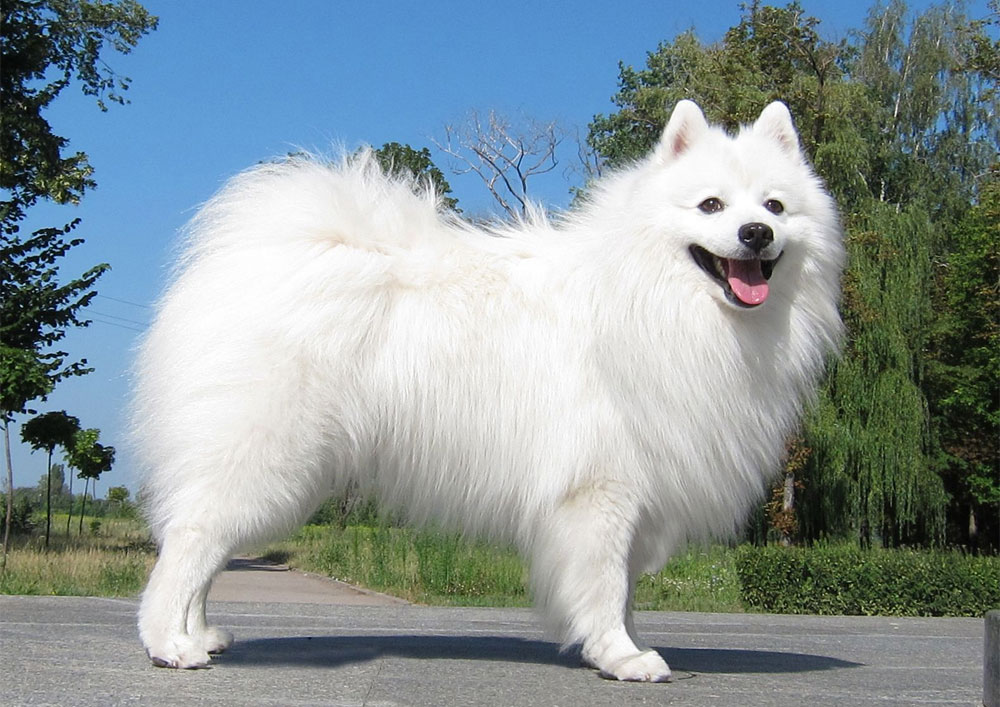
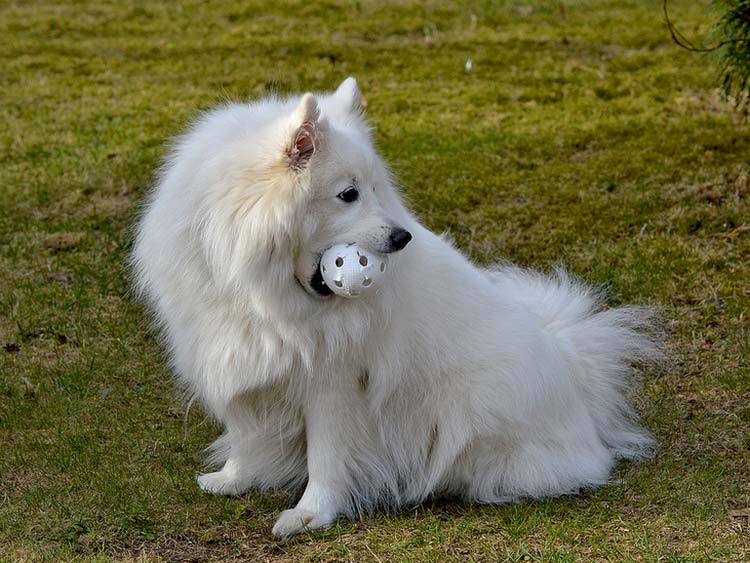
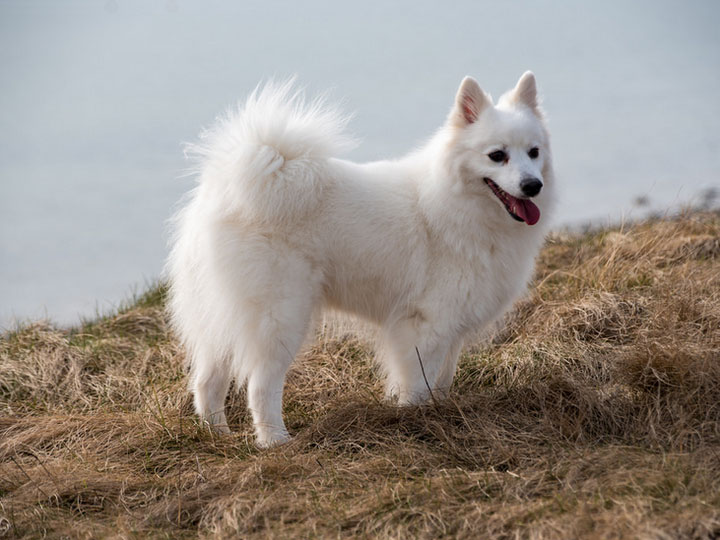
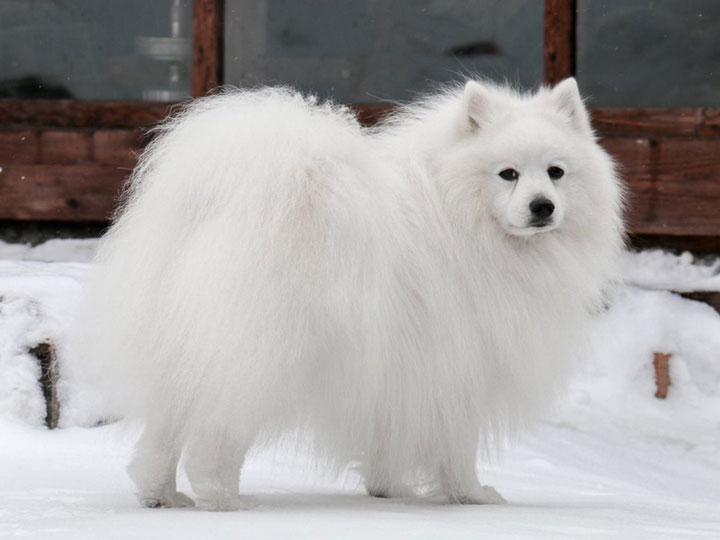
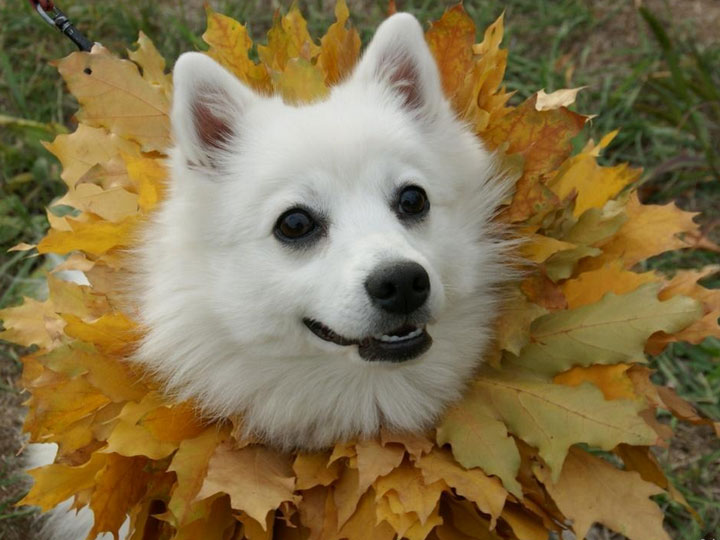
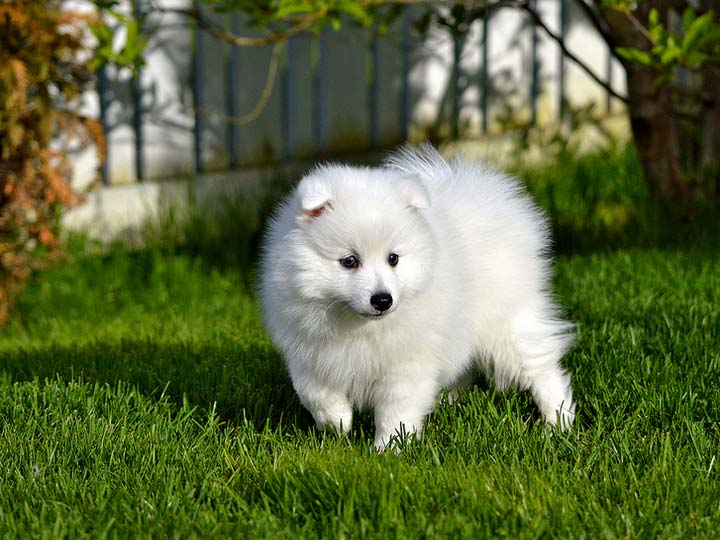
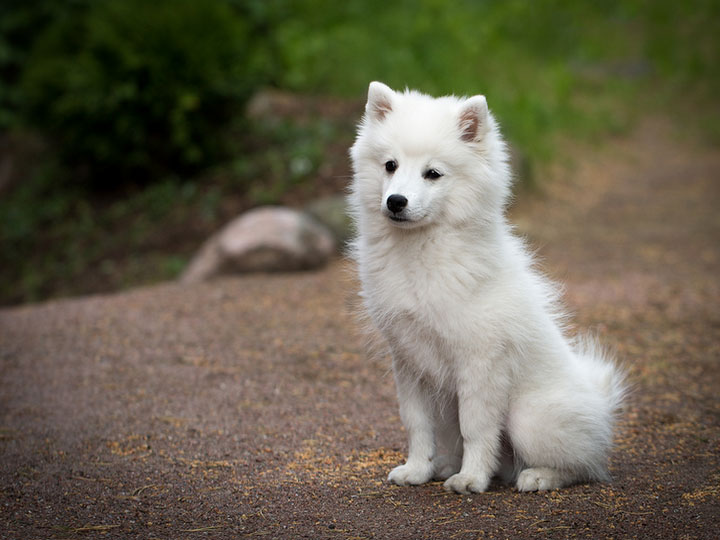
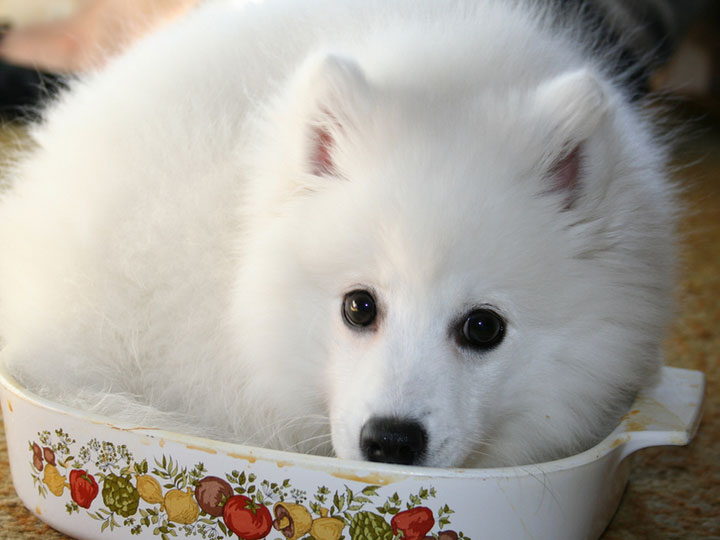
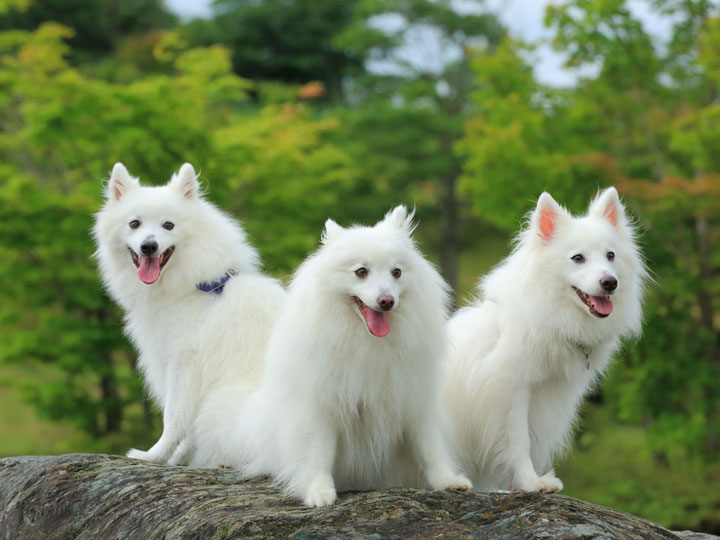
Japanese Spitz have a sharp, fox-like face with black button eyes, a round nose, and a sweet smile that stand out against their fluffy, snow-white coat. They are very beautiful and elegant dogs with a well-balanced, strong build. They are small in size, but not quite dwarf-sized: the average height is 32-38 cm, and the weight is 6-9 kg. Sexual dimorphism is pronounced, with males being larger and having a thicker, longer coat.
Head and muzzle
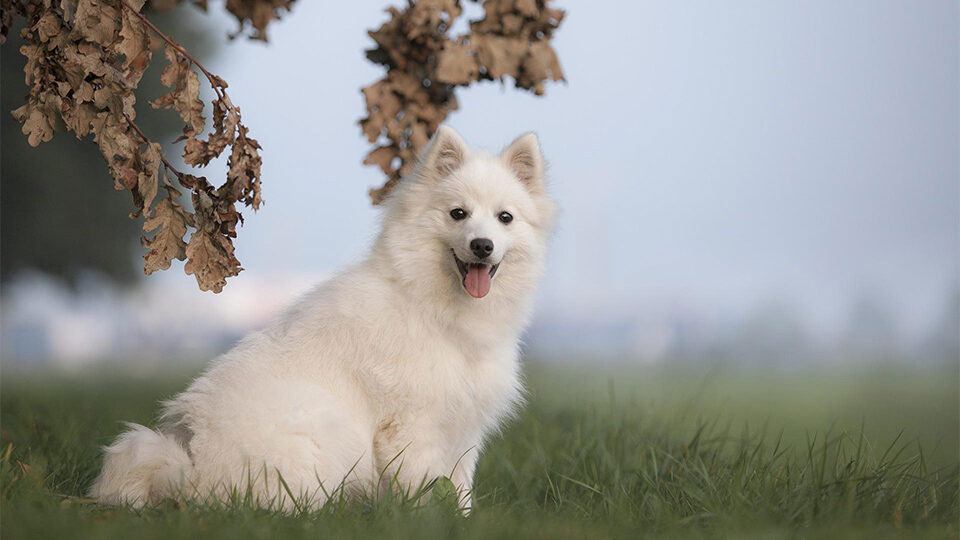
The head is proportionate to the body. The skull is moderately broad, with a rounded forehead. The stop is clearly visible. The muzzle is pointed and wedge-shaped. The nose is small and black. The bite is correct, with a scissor-like shape. The lips are tight, dry, and well pigmented. The eyes are almond-shaped, medium in size, set at a slight angle, and dark in color. The eyelids are black. The ears are small and triangular. They are set high, carried vertically, and point forward.
Frame
The body is strong and square. The chest is broad and fairly deep. The ribs are slightly sprung. The back is short and straight. The belly is tucked up. The tail lies curled over the back, set high and of medium length. The limbs are strong, muscular, and of normal length, proportional to the body, but appear somewhat shorter due to the thick coat. The paws are rounded, and the toes are tight. The pads are thick, as are the claws, which are black. The gait is active and confident.
Coat and colors
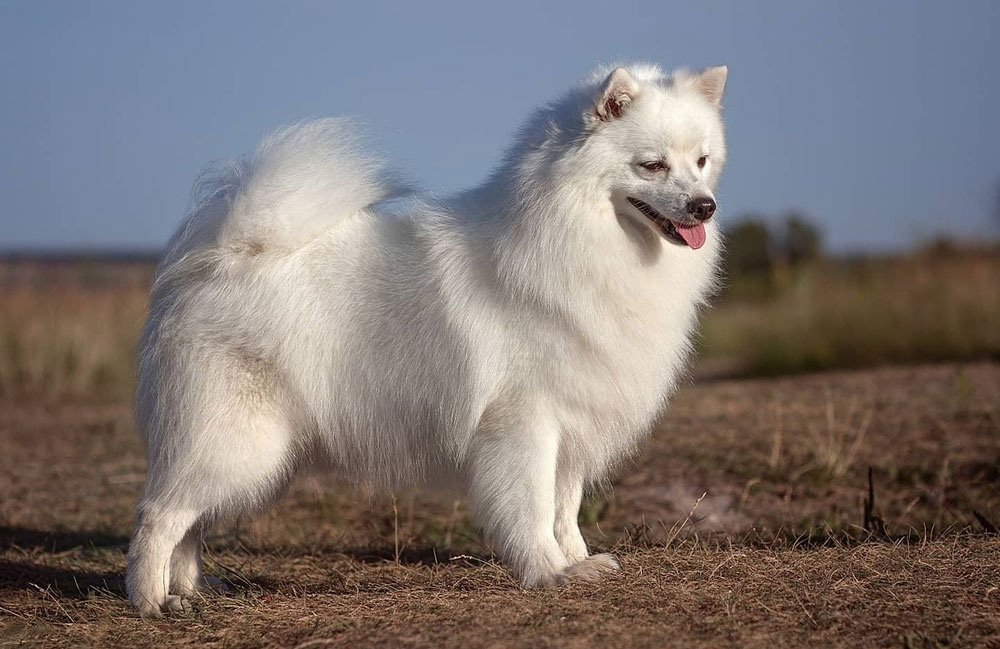
The coat consists of a straight, moderately harsh topcoat that lies loosely on the body, and a thick, short, soft, and fairly dense undercoat. The coat is shorter on the ears, muzzle, and lower legs. Elsewhere, it is longer. Abundant feathering covers the neck, shoulders, and chest, and the tail has abundant fringe. The coat is solid white with a white undercoat.
Character and psychological portrait
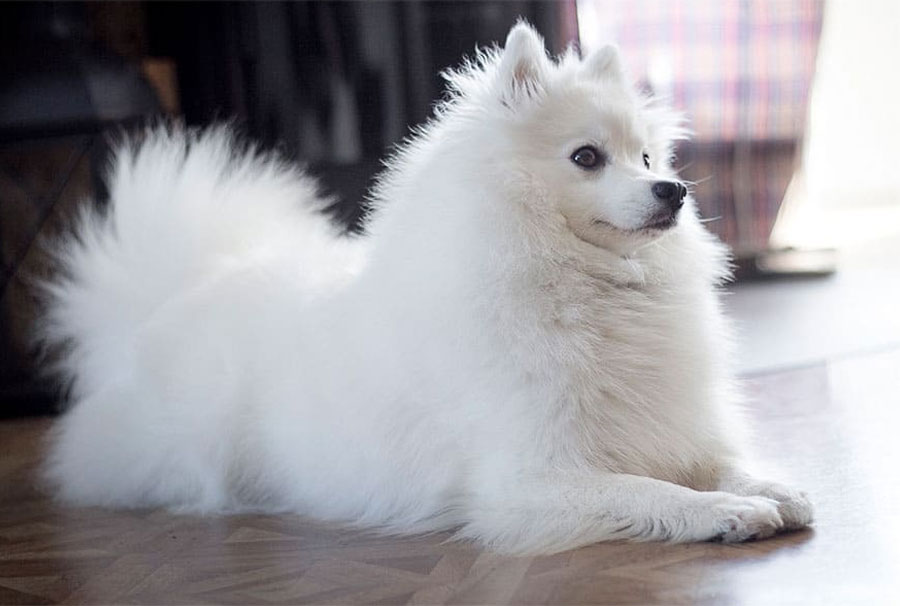
The Japanese Spitz has a pleasant personality in every way. It's bold, cheerful, friendly, and charming. Like other toy breeds, it's very attached to its family, always needs to be involved and at the center of things, and it doesn't handle separation or prolonged loneliness well.
Spitz are obedient, intelligent, and neat, moderately playful, active, and curious. They generally do not conflict with other animals, and only occasionally may display jealousy. With proper training and attention from their owner, they do not destroy things or chew furniture. They are generally wary of strangers, but rarely show aggression. Spitz are renowned for their loyalty and courage; they make excellent companions, loyal companions, and vigilant watchdogs, only barking when necessary.
The beauty of this breed is that it's suitable for absolutely any family, with or without children, singles, and the elderly. For everyone, a Spitz will become a companion, a loyal friend, and an understanding conversationalist.
Education and training
Training and teaching basic commands are fundamental, even for toy breeds. With Spitz, there are usually no problems. As they mature, dogs learn house rules, adapt to the family rhythm, and begin to understand their owners with a half-word or a glance. Harshness, and especially the use of physical force, should be avoided during training. A stern tone will prompt the puppy to draw the necessary conclusions, and correct behavior should be rewarded with treats or praise.
Spitz dogs are easily trained to perform various commands and tricks, and they enjoy being entertained. If the owner has the time and desire, the dog will happily join in with agility or freestyle training.
A Japanese Spitz performing at a freestyle show (dancing with dogs):
Content
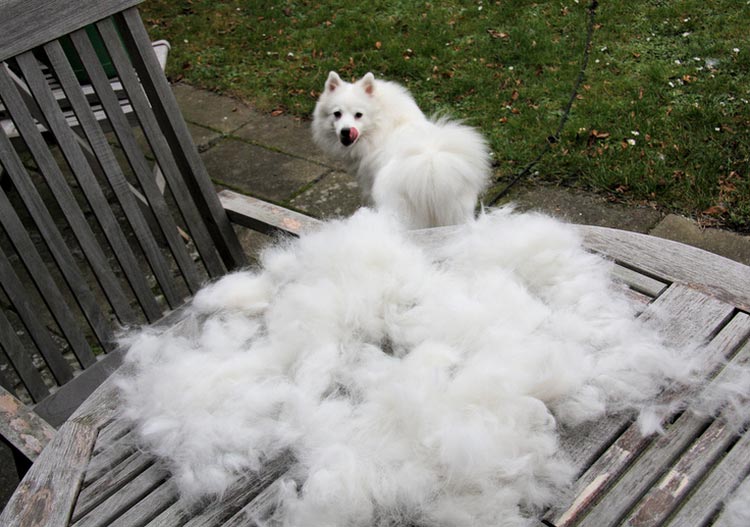
The Japanese Spitz is equally at home in a small apartment or a private house, as long as it's close to people. Playful and energetic outdoors, the Spitz is quiet and unobtrusive at home. Despite its small size, it's known for its cleanliness and neatness, rarely causing problems. Its thick coat sheds and can be found on furniture and other objects, but regular brushing can minimize shedding. Owners sometimes train their pets to use pads for toileting, but this doesn't eliminate the need for regular walks outside.
Exercise should be moderate. Ideally, two walks a day should be included, with at least one game per day. If possible, allow the dog to run off-leash. A Spitz will happily join you on walks and will never refuse a trip to the countryside or the countryside.
Care
The Japanese Spitz requires regular grooming using specialized tools and products. Grooming includes brushing, bathing, clipping, eye, ear, and oral hygiene, and nail trimming.
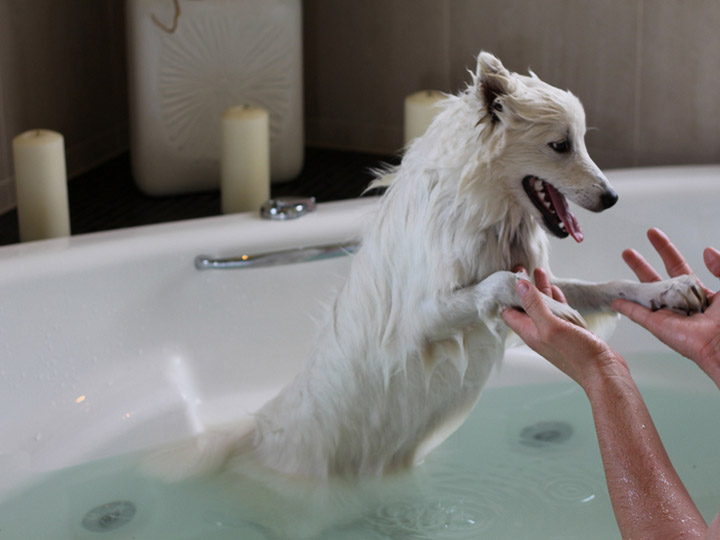
When brushing a Spitz, it's best to use a massage brush with long metal teeth. Slicker brushes are also used during shedding season. Bathe your dog approximately once a month. Washing begins with moisturizing and using a suitable shampoo for long-haired white breeds. Moisturizing balms and conditioners are then applied to prevent tangling. Spitz coats are not prone to matting, except in a few areas: behind the ears, in the groin, and under the arms.
Complex regular grooming is not recommended for this breed; the coat should remain natural. However, owners still perform hygienic treatments around the anus and genitals, as well as trimming the hair between the toes. Before shows, a light trim helps highlight the shape of the ears and the beauty of the feathering.
Many owner reviews indicate that Spitz dogs dislike grooming procedures, particularly hygiene ones, so it's crucial to accustom your puppy to them from an early age.
A Spitz's eyes require special attention. At an early age, between 6 and 12 months, puppies experience excessive tearing, causing the fur in the corners of their eyes to take on a reddish-brown tint. As they get older, provided there are no eye problems, maintaining a white face is much easier. This is achieved by using special whitening cosmetics and, of course, by monitoring the pet's eye health. Ears are regularly inspected and cleaned as needed to remove wax buildup. Nails are trimmed every 3-4 weeks to an optimal length. It is also advisable to accustom your dog to a toothbrush. Preventing tartar buildup will also save owners from unnecessary stress, anesthesia, and ultrasonic cleaning at the veterinarian's office.
Diet
Most Spitz breeders recommend feeding Japanese Spitz dry industrial feed Super-premium or holistic food, selected based on the dog's age, physiological condition, and food preferences. A properly selected diet is indicated by good health and excellent appearance.
If desired, a natural diet can be chosen. It should be based on meat and offal (approximately 20-25 g per kg of body weight); grains (buckwheat, rice) are added. Vegetables should be included in the diet, at least in small quantities, daily. Twice a week, meat should be replaced with lean sea fish fillet, and boiled or raw quail eggs and fermented milk products are given.
Regardless of the type of food, clean drinking water should always be freely available.
For dogs prone to allergic reactions, special foods from the White Dogs series are recommended.

Health and life expectancy
Overall, the breed is considered healthy. Few hereditary diseases are identified (carrier status is now easily determined by genetic testing):
- epilepsy;
- dislocation of the patella;
- hip dysplasia;
- various allergies.
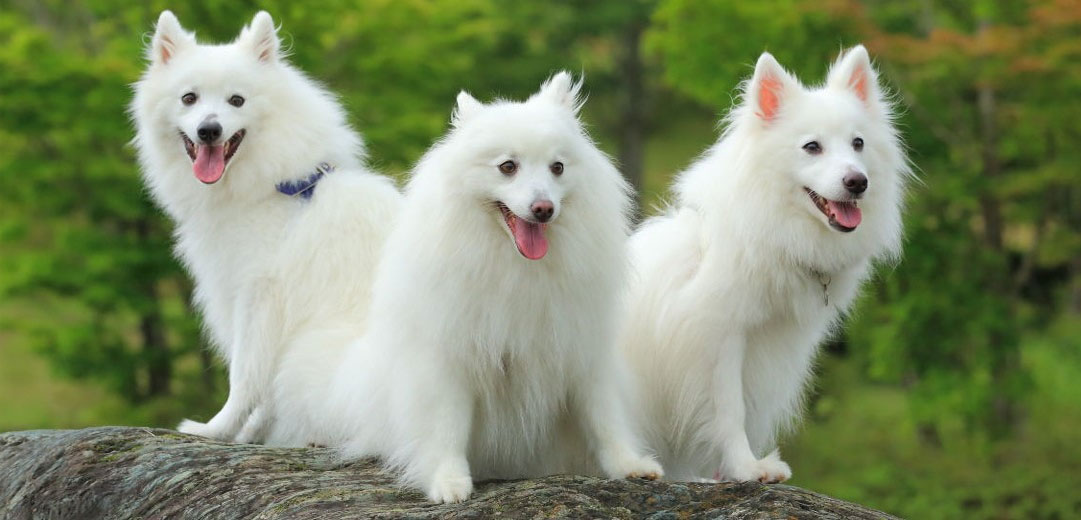
Unlike many other snow-white breeds, Japanese terriers rarely suffer from allergies or congenital deafness. With proper care and maintenance, these dogs can live 14-15 years or more.
Choosing a Japanese Spitz Puppy and Price
When choosing a Japanese Spitz puppy, you should decide on the gender in advance and consider what class of puppy to purchase. Will this be a pet for the soul, not used for breeding, or will the dog be destined for future show success? This will determine the price of the Japanese Spitz.
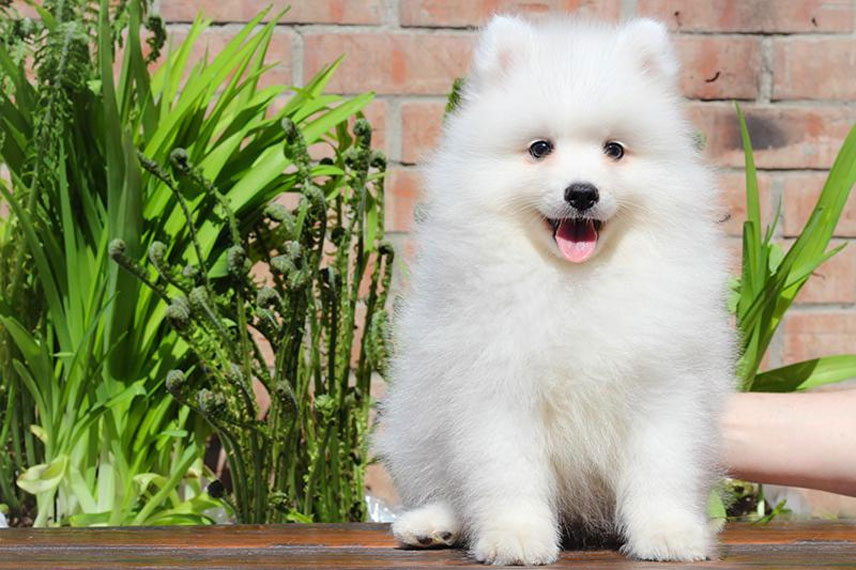
Choosing a kennel or breeder is equally important. If there are no puppies for sale, they can usually be reserved. In addition to meeting the standard, the puppies must be healthy and active, and kept clean. Along with the puppy, the breeder must provide a puppy card, a veterinary passport with deworming and vaccination records, and recommendations on feeding and raising the new family member.
The average cost of a pet-class Japanese Spitz puppy is 20,000-30,000 rubles. Dogs with potential for show or breeding careers can cost significantly more.
Photos
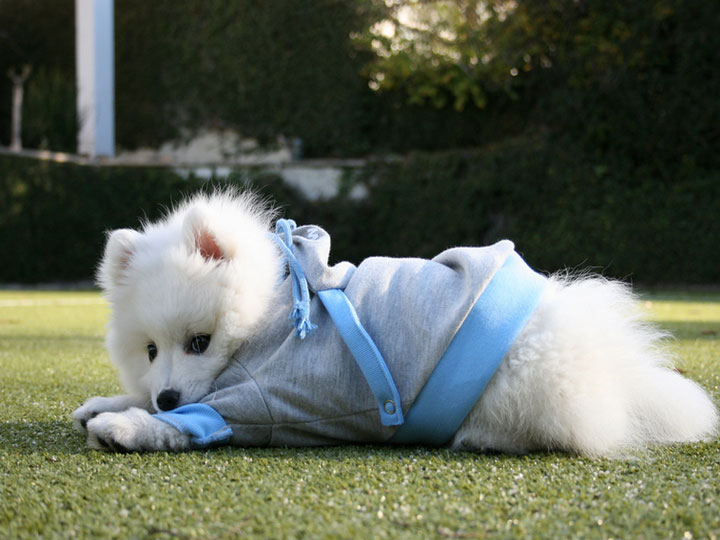
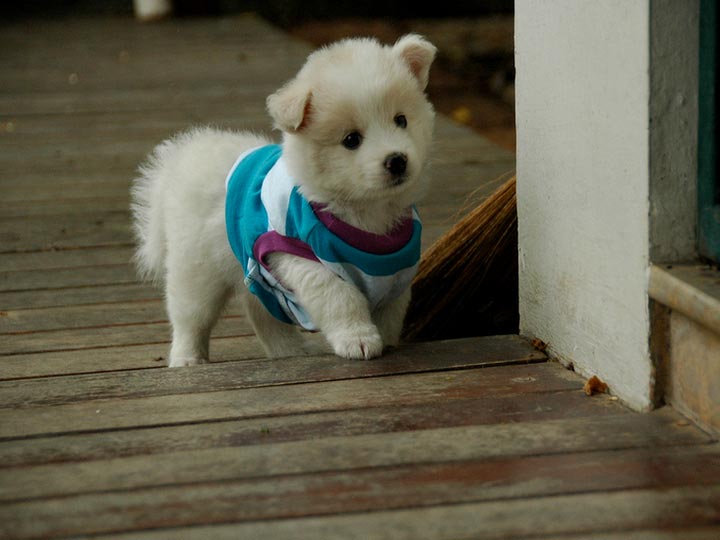
Photos of Japanese Spitz puppies and dogs (Nihon Supitsu):
Video about the breed
Read also:
- Mittelspitz (medium-sized Spitz, German Spitz)
- American Akita (Large Japanese Dog)
- Volpino Italiano (Italian Spitz)


Add a comment