
Japanese dog breeds
Interest in Japanese dog breeds increased after the release of the film "Hachiko" starring Richard Gere. Akita Inu puppies became one of the most popular and desirable pets. However, Akitas are not the only representatives of Asian origin. Breeds are divided into purebred Japanese and those developed domestically by crossing local dogs with imported breeds.
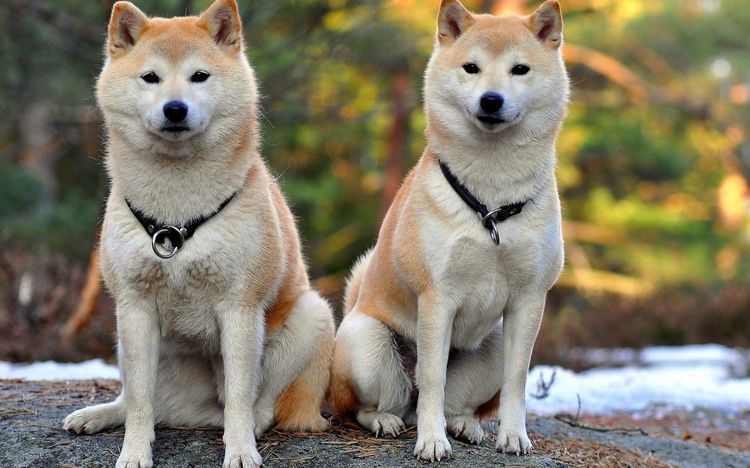
Japanese dogs
The Nippo Canine Organization of Japan (NCON) registers six breeds recognized by the association. We offer descriptions of these native Japanese dogs, complete with photographs. They are all similar in appearance, differing only in height at the withers and coat color.
Akita Inu (Japanese Akita)
Akita Inu — one of the largest representatives. Few people know that this cuddly and playful bear is actually a hunting dog, used to hunt wild boar. According to standards, the height at the withers is 70 cm, and the weight can reach up to 55 kg. The International Cynological Federation (FCI) accepts three colors:
- red with a white mask on the muzzle, a white spot on the chest and paws;
- snow-white;
- brindle and white.
The Akita will protect all family members, but only on its own initiative. It is a devoted dog, loyal to one owner. Despite its dominant nature, it is easily trained.
Puppy price: from 30,000 rubles.
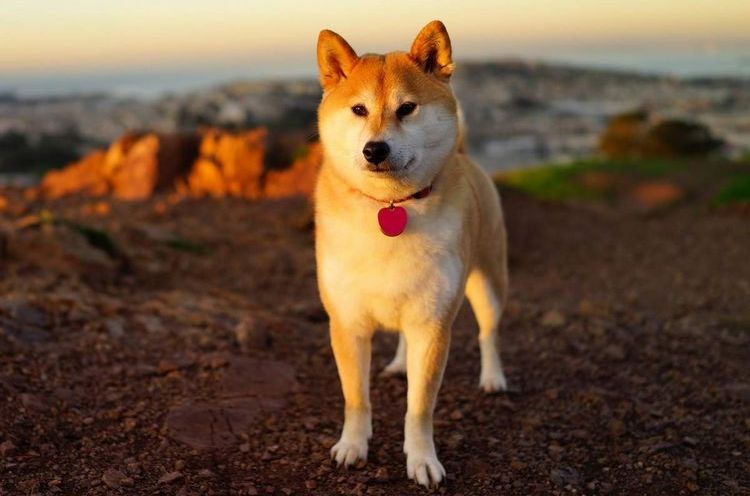
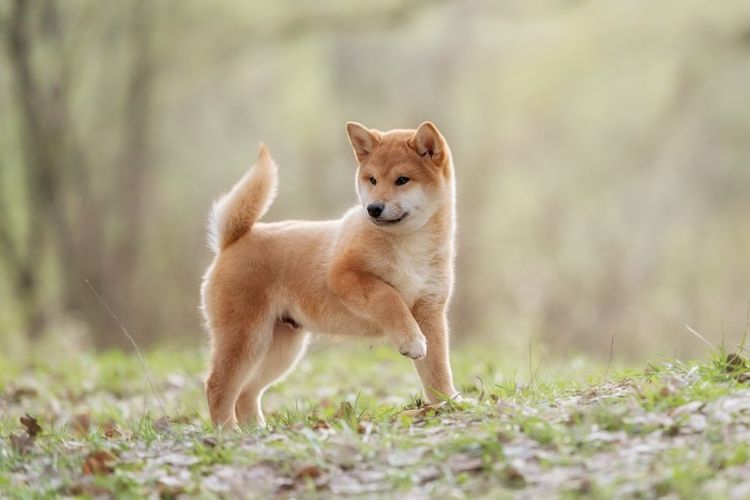
Shiba Inu
Shiba Inu Developed on the island of Honshu and recognized as a national treasure of Japan, this breed is one of the smallest Asian dogs, possessing excellent hunting skills. It is prized for hunting wild birds (pheasants, ducks). Black and tan, red, snow-white, and the so-called "sesame" coloring are recognized.
Shibas need early socialization. It's believed that if a puppy isn't introduced to people by three weeks of age, it will never become accustomed to them. Even well-socialized dogs, despite their devotion to their owners, occasionally demonstrate that they can cope just fine without them. They are intelligent, cunning, and willful. They are alert and curious. Playful and always try to join in with children. However, they prefer to watch other dogs play from the sidelines.
You can buy a puppy “for yourself” for 40,000 to 50,000 rubles, for breeding and exhibitions - from 75,000 rubles.
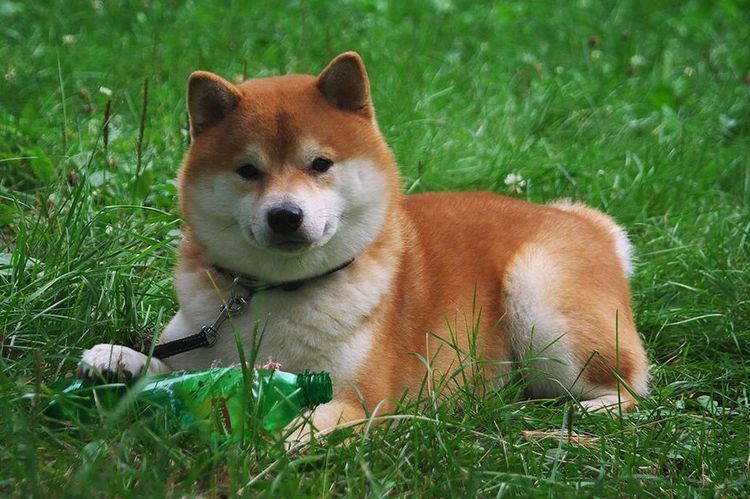
Kai (kai-inu, tora, ryuku)
Kai — a rare, native Japanese breed. It belongs to the Asian Spitz subgroup. It was added to the FCI registry in 1982. It was developed in the northern province of Yambaru for hunting wild boar. The maximum height at the withers is 55 cm for males and 52 cm for females.
The Kai has a coarse, double coat with a soft, dense undercoat. Puppies are born solid-colored, with their coloring developing later. The name means "tiger dog," and photographs show that the dog truly resembles a tiger. The coat can be red-brindle or black-brindle (genetically dominant).
The Tora is a calm, clean dog, an excellent companion, loyal to only one family member. It possesses excellent guarding and protection qualities. Strong-willed, it is capable of making independent decisions in emergency situations. If threatened, it will defend its "leader" even at the cost of its own life.
Working hunting dogs require early socialization and training. They are active and require regular exercise.
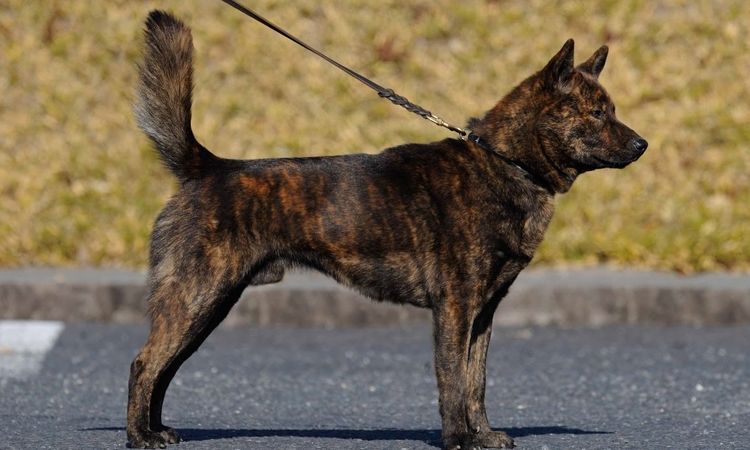
Shikoku (kochi-inu or koti-ken)
Shikoku — a rare breed even in its historical homeland. This ferocious-looking dog, reminiscent of a wolf, was bred in the Middle Ages to hunt wild boar and deer. Leaping and fast, it moves well in the mountains and is known for its excellent guarding qualities. In 1937, the Nippo Canine Organization recognized the breed as a natural monument of Japan, and in 1982, the FCI added the Shikoku to the international registry.
They have a willful nature and can often ignore commands, so the Coti Inu requires an experienced owner with strong leadership skills. They are easily trained, attentive, and hard-working.
Important! Shikokus need a fenced area to avoid escapes. They don't tolerate being kept on a leash.
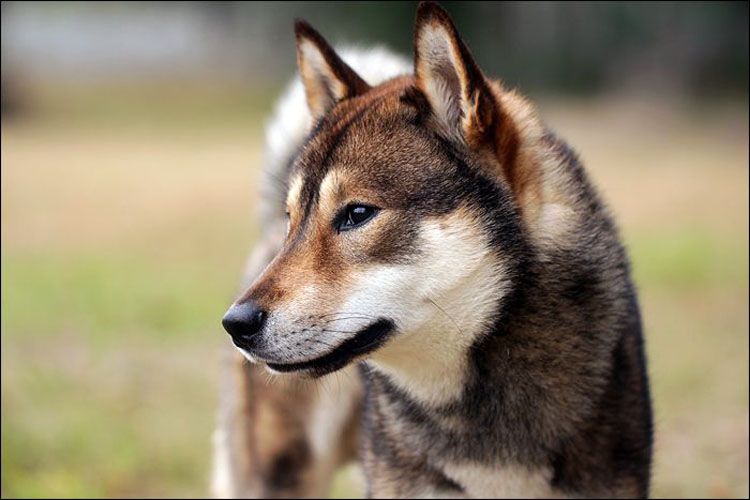
Kishu (kishu, kishu-inu, kishu-ken)
Kisyu — a primitive hunting dog used for hunting wild boar. It has a typical Japanese appearance: a tightly curled, doughnut-shaped tail, a wedge-shaped head, and erect ears.
Interestingly, locals believe that the Kishu-Inu descended from wolves. Long ago, a hunter found a wounded she-wolf in the forest and nursed her back to health, asking for one of her cubs in exchange. The she-wolf kept his promise and gave the man a cub. This cub became the ancestor of all Kishu-Inu.
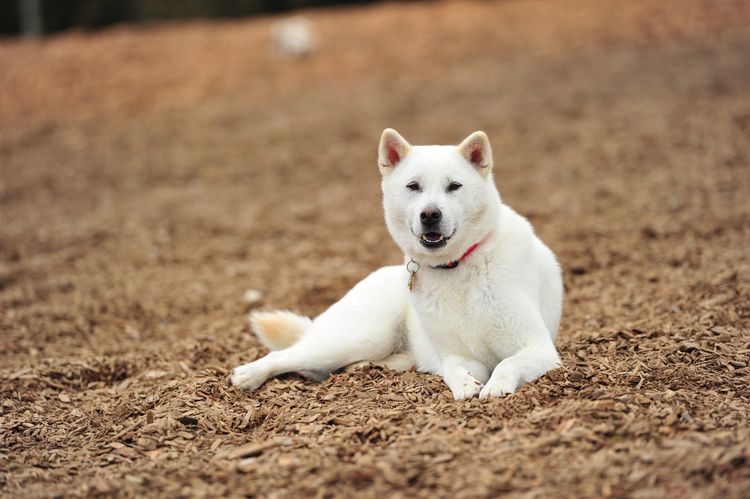
Hokkaido (Ainu-ken or Seta)
The indigenous people of Hokkaido bred them for bear hunting. During World War II Ainu-ken They were trained and used as scout dogs. Seths were used to locate enemy camps and relay information to headquarters.
They have a very strong hunting instinct, capable of taking on animals tens of times their own weight. Their thick, coarse fur makes them well-adapted to snowy winters.
These noble, intelligent, and hardy animals are prone to destructive behavior and therefore require constant exercise.
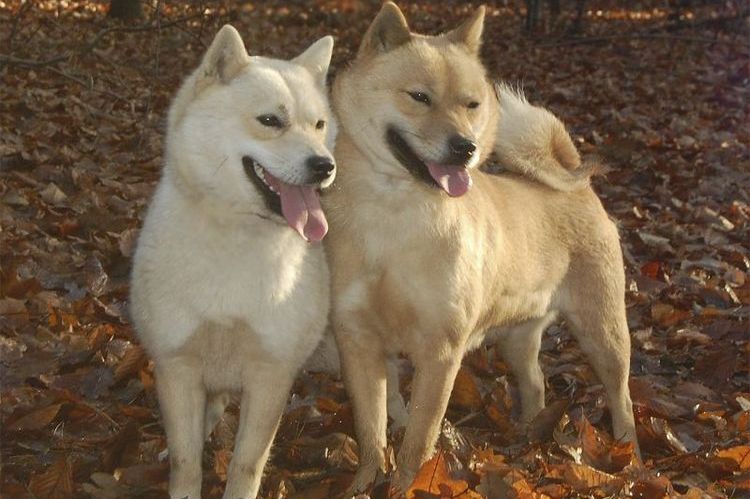
Recognized by Japan
These breeds were developed in the country and have received international recognition from the FCI and local cynological associations, but are not considered to be originally Japanese.
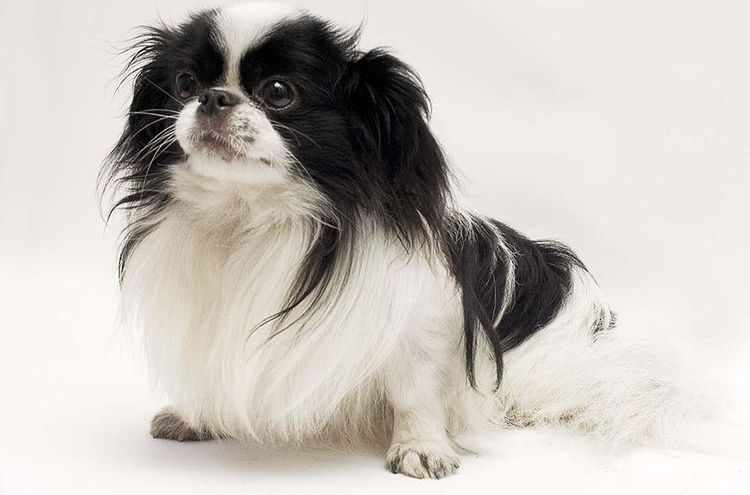
Hin
Pekingese are considered their ancestors, but there are also breeds descended from spaniels. They are small and graceful, with a broad muzzle. They are covered with long, silky, straight hair with a sparsely developed undercoat.
Hin – an ideal companion, easily adapting to any owner's lifestyle. They are gentle and friendly, but do not tolerate familiarity from strangers. They are easily trained if given constant encouragement.
Tip: Chins are considered food-training dogs, meaning they learn with treats. However, this is a misconception. In fact, this breed strongly dislikes training for food, and this often leads to misunderstandings between pet and owner.
Ideal for apartment living and rarely barks. Gets along well with other animals and is tolerant of children.
You can buy a Chin puppy for 25,000 rubles or more.
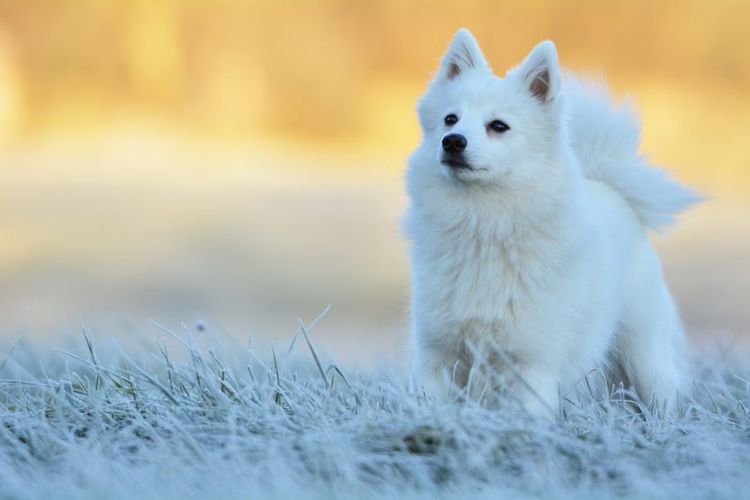
Japanese Spitz
Japanese Spitz The Japanese Spitz is a small, elegant dog, standing 30-38 cm at the withers. It was developed in the 1920s by crossing different Spitz breeds. Japanese Spitz have a thick, snow-white coat with a dense undercoat.
These are active, playful, and energetic pets, known for their courage and loyalty. They are suitable for apartments because they are low-maintenance, rarely bark, and lack a characteristic "doggie" odor. They are sociable and thrive on affection and attention. They love children and enjoy playing with them.
The price of a Spitz starts from 30,000 rubles.
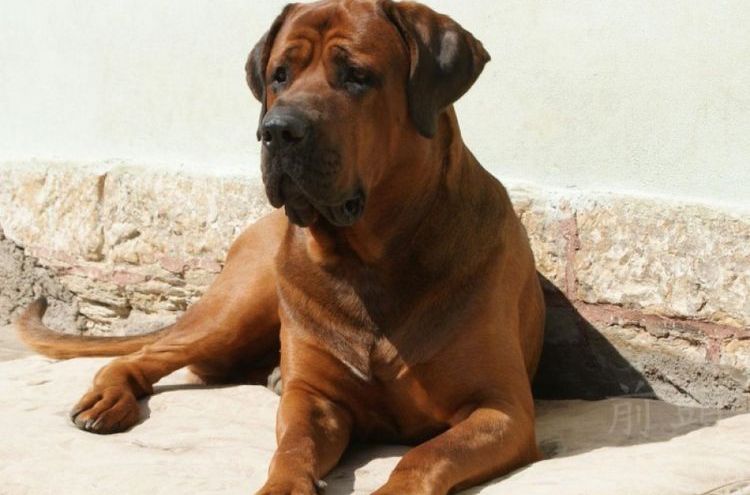
Tosa Inu (Japanese Mastiff)
Tosa Inu They were developed by crossing local breeds with European mastiffs, Great Danes, St. Bernards, and bulldogs. The goal was to produce dogs for the popular dog fighting in the Land of the Rising Sun—sturdy, strong, silent, powerful, resilient, and vicious.
Japanese Mastiffs are a serious fighting breed. They don't get along with other pets, have difficulty accepting human leadership, and are stubborn, making them unsuitable for novice dog owners. Only experienced breeders with strong leadership skills can handle the Tosa Inu.
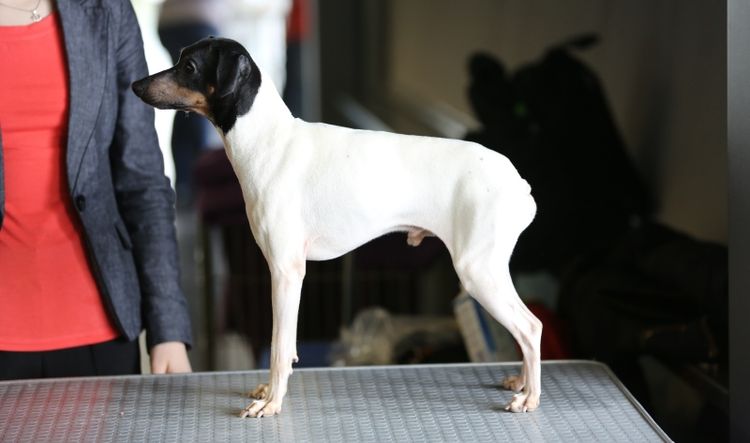
Japanese Terrier (Mikado Terrier, Kobe Terrier)
Japanese Terrier — a rare breed even in its historical homeland. A sensitive, kind companion. This small dog (30 to 38 cm at the withers) is very cautious, quick, and energetic. It dislikes being shouted at. It has excellent hearing, making it a good guard dog despite its size.
Jomon-shiba
Virtually unknown abroad. Jomon-shiba They are not recognized by the Nippo Association. They resemble a small wolf in appearance and possess the same unrivaled hunting instinct. They are independent, so dog trainers recommend socializing them as early as possible.
Read also:
Read also:
- Which dog is better for an apartment or a country home?
- The most popular dog breeds
- The World's Tallest Dogs: Top 10


Add a comment