
Yakutian Laika
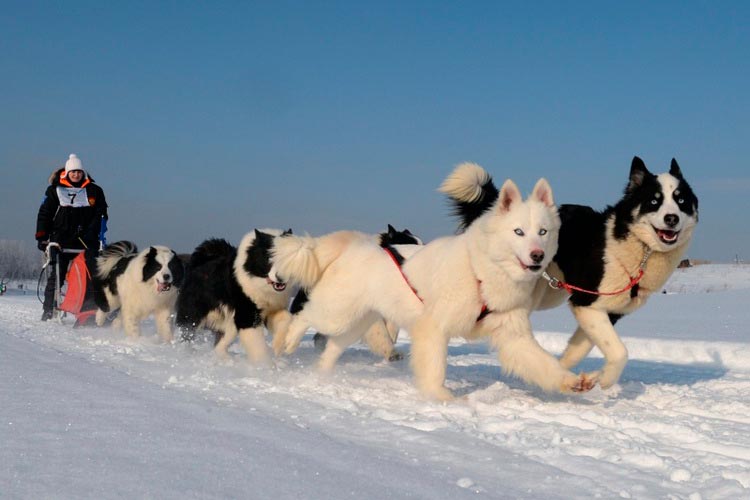
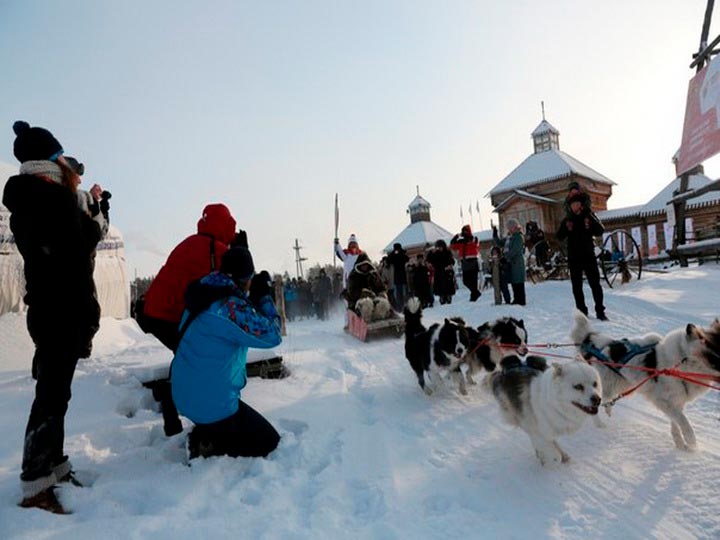
When most people hear the word "Laika," they picture a fluffy, pointed-eared hunting dog with a curled tail. The Yakutian Laika is somewhat of an exception. While it possesses hunting qualities, which vary in different individuals, it is primarily a sled dog. The breed is relatively young, and breeders face a challenging task: increasing the Yakutian Laika population, making them more widely known and popular without losing their working characteristics and innate talents.
Content
History of origin
In the territory of modern-day Yakutia, dogs have been used for hunting and sledding for a very long time. There were no other animals suitable for this purpose in the Arctic. Furthermore, it was possible to store food for the dogs for the long winter. Ethnographers note that from ancient times to the present day, sled dogs have been a versatile tool for the peoples of the Far East and North: they were used for transportation, guarding, and hunting; they were eaten, and their skins were used for clothing.
The first written mention of dogs in Yakutia dates back to 1633. During this time, several Cossack expeditions led to the settlement of new lands and the discovery of rivers. The first description of Laikas was compiled by Professor V.G. Gorlov in 1849. He wrote that the Yakuts use dogs for sledding and hauling loads year-round. The animals live outdoors, digging holes in the ground in summer and in the snow in winter, covering their muzzles with their fluffy tails.
At the end of the 19th century, the Geographical Society organized a Siberian expedition, in which Vladimir Ilyich Yokhelson participated. In his work, the explorer paid close attention to the Yakutian Laika. He wrote a detailed description of the dogs, noting that they were not only used for sled dogs but also for hunting. They are kept on a leash year-round, but left to their own devices during the warmer months, which forces them to hunt small animals. In packs, they can kill deer. When riding, they become ferocious and can be dangerous to oncoming humans. They are useless for hunting birds, as they interfere with and scatter birds.
At different times, different researchers described the Yakut Laika under different names: Alazeya, Arctic, Verkhoyansk, Kalymo-Indigir, Omolon, Okhotsk, Polar, Susuman, North-Eastern Sled Dog, Tungus, Even, North-Eastern Sled Dog, Yakut.
In 1911, M.G. Dimitrieva-Sulema wrote that Yakutian dogs, which had been used as draft dogs for several centuries, retained their hunting instincts. A minority are suitable for hunting large game; almost all bark at squirrels and catch sable. Until the 1960s and 1970s, Yakutian Laikas were the only form of winter transport in many northern regions of Russia. They were used not only by local residents but also by government agencies. The spread of snowmobiles and the decline of the fur trade led to the near-extinction of these northern dogs. In 1998, enthusiasts began actively reviving the breed. In 2004, a standard was developed and approved. In 2005, the Russian Kennel Federation (RKF) officially recognized the breed group under the name Yakutian Laika.
On September 26, 2019, the Yakutian Laika was provisionally recognized by the FCI. It is now part of the nomenclature of the leading international organization, and it has its own Standard No. 365.
Video about the Yakutian Laika dog breed:
Appearance
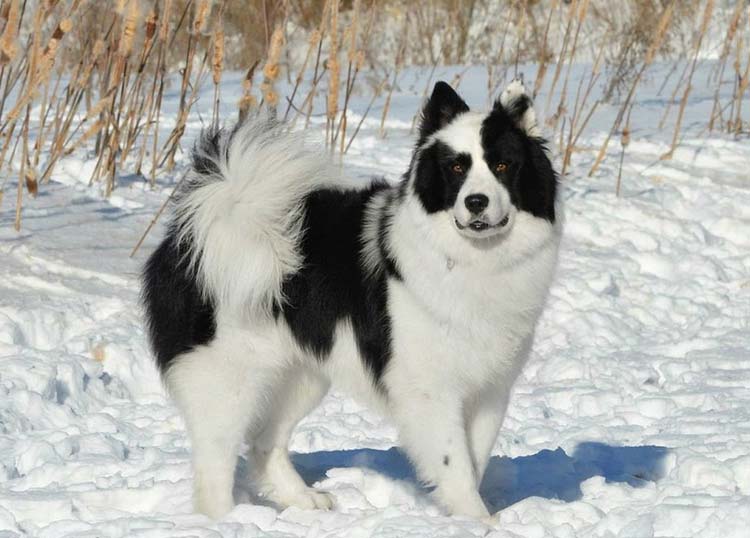
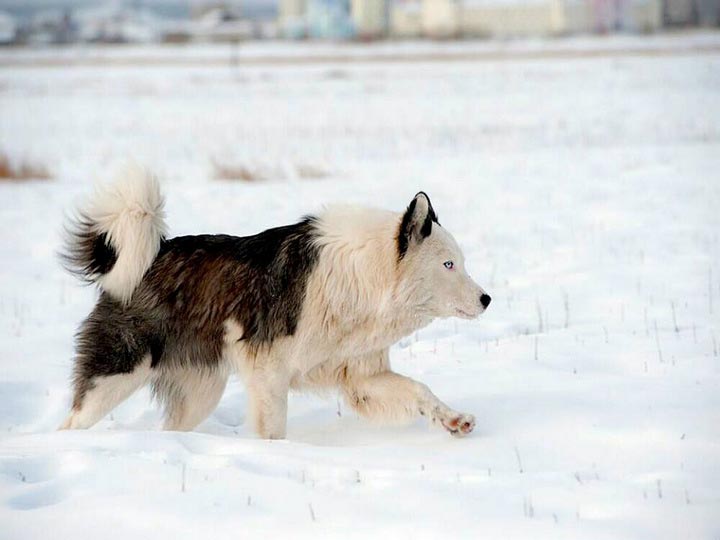
Yakutian Laikas are strong, compact, medium-sized dogs with moderately long legs, well-developed muscles, and thick, but not coarse, skin. Sexual dimorphism is moderate. The desired height for males is 55-59 cm, and for females, 53-57 cm.
The standard highlights several important proportions:
- The length of the body is 10-15% greater than the height;
- The length of the muzzle is 38-40% of the length of the head;
- The length of the front leg is 52-54% of the height.
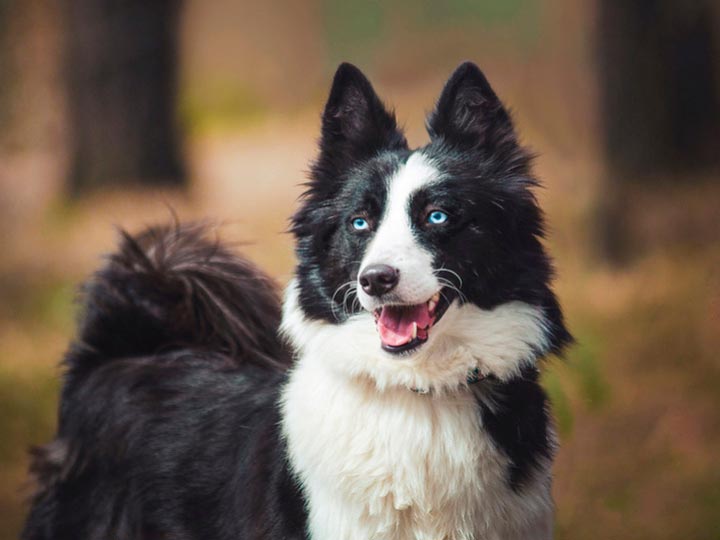
The head is a moderately pointed wedge and proportionate. The skull is slightly rounded with a high forehead. The cheekbones are moderately prominent. The nose is large, black or brown. The muzzle is well filled and wedge-shaped. The lips are dry and pigmented. The teeth are strong and white and complete. After 3 years, a tight undershot bite is permitted. The eyes are set wide apart and straight, shallowly set, and almond-shaped. Any eye color is possible, but blue is common; heterochromia is possible. The eyelids are dry, close-fitting, and pigmented as is the nose. The ears are set high, wide at the base, erect or semi-erect, and triangular in shape. They are well furred and fold back when moving.
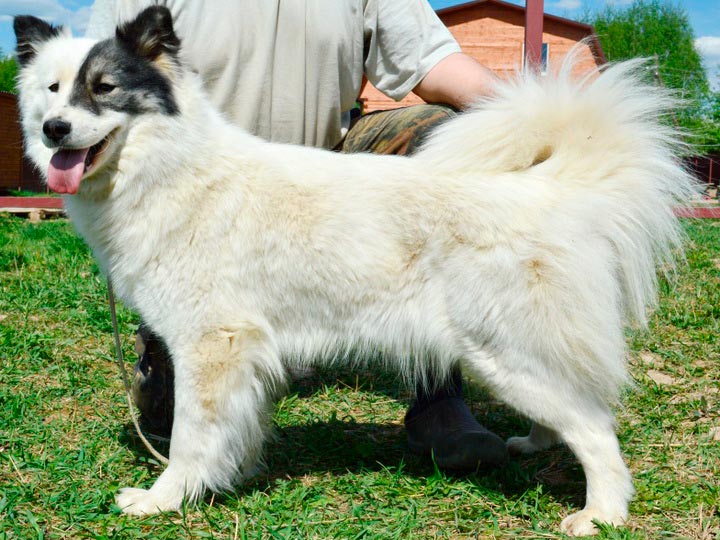
The neck is long and medium set. The body is strong, with a topline sloping slightly from the withers to the set of the tail. The back is straight. The loin is short. The croup is wide, long, rounded, and almost horizontal. The chest is fairly long, broad, rounded in cross-section, and moderately deep. The tail is set high, very well furred, and curled over the back in a semicircle. The limbs are strong, straight, and parallel. The paws have very hard pads and dense fur between the toes, arched, and the hind paws are slightly larger than the front ones.
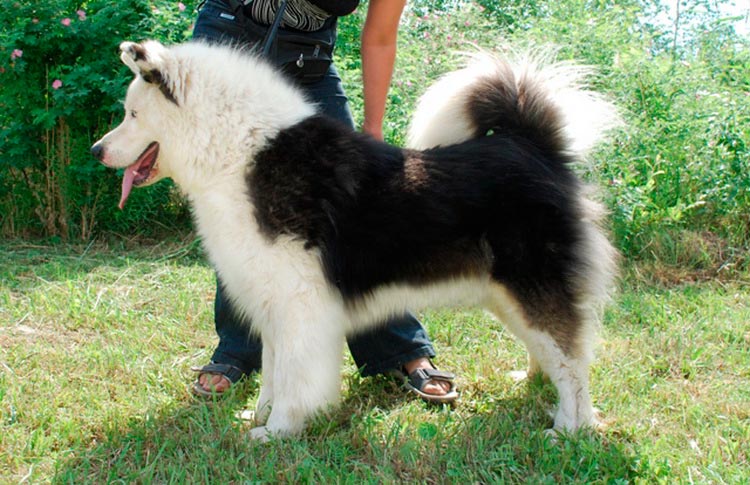
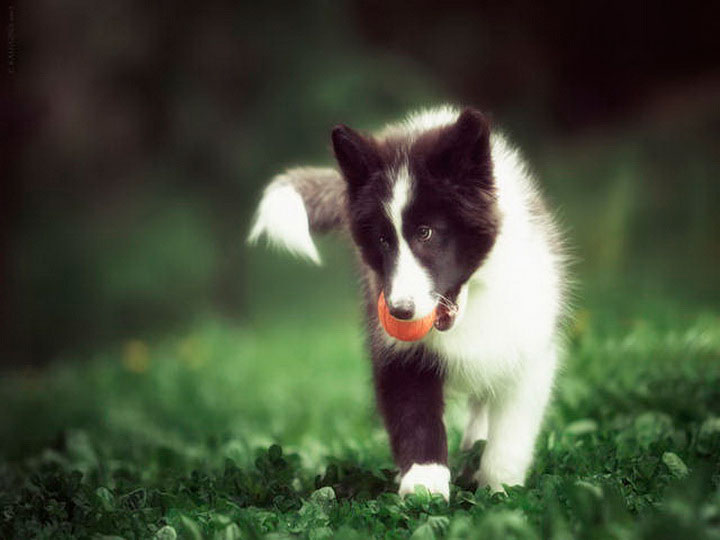
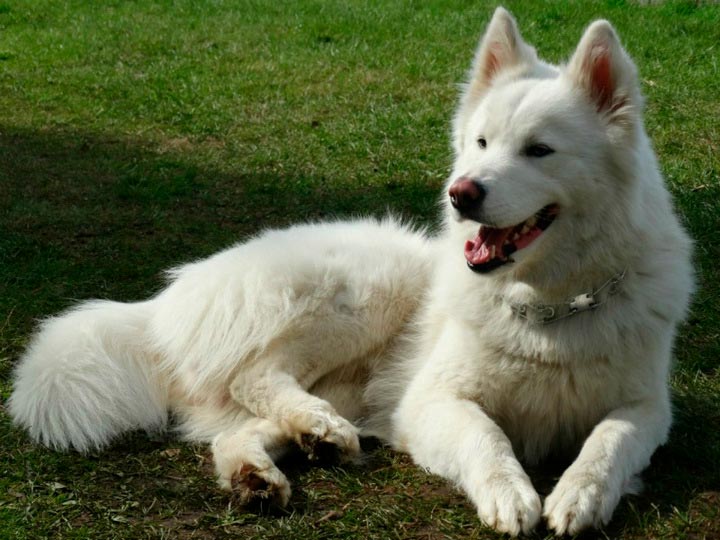
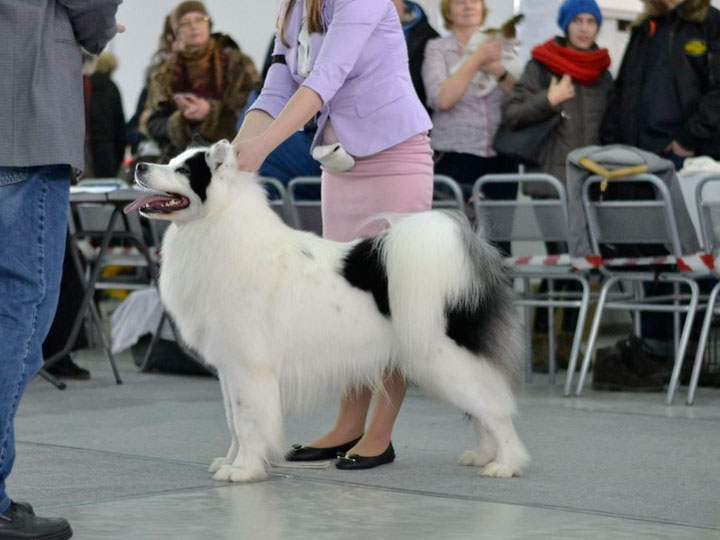
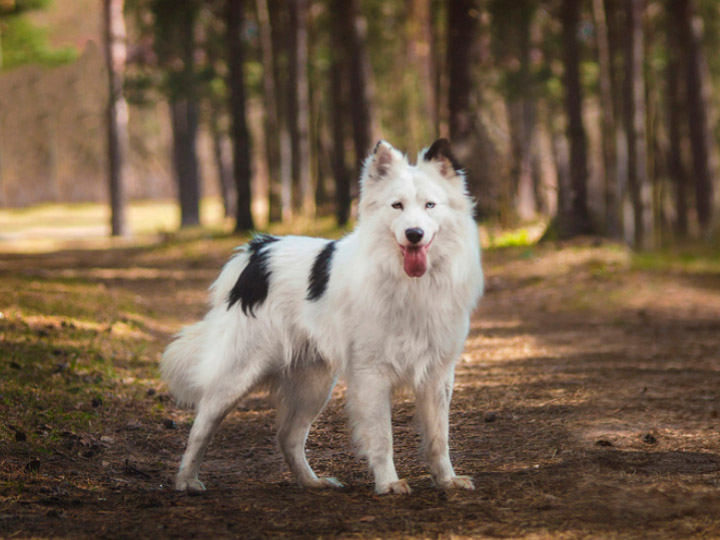
The coat is very thick, straight, and shiny. It feels coarse to the touch. The hair is medium in length, usually about 10 cm. The undercoat is dense and well-developed. The hair on the neck forms a mane, the back of the legs are thickly feathered, and the tail has a slight fringe. The hair is shorter on the muzzle, head, and front of the legs. The coat is white and any spotted pattern, bicolor or tricolor.
Character and behavior
Yakutian Laikas have a calm, even temperament. They are self-assured, wary of strangers, but not aggressive. They don't mind the company of strangers, but they don't rush to lick everyone they meet. They are very affectionate with family members. Laikas can warn of intruders and drive away wild animals, but they are not responsible for the safety of their owner or property.
Yakuts have a very strong pack instinct. Typically, the musher controlled the team through the leader. Sometimes in a pack sled dogs There were several pack leaders, each with their own functions. One was better at finding their way, another could navigate thin ice, and a third—the "human resources manager"—ensured that all the dogs worked to their full potential and obeyed their owner. The pack leader was often chosen by the owner and trained for at least eighteen months to two years. They were the owner's special treasure and pride, a mediator between them and the other staff.
Yakutian Laikas are often spoken of warmly and affectionately by their owners, who describe them as sunny, very optimistic, and cheerful dogs, moderately temperamental, and a bit cunning. They are noted for their sociability and obedience; rarely does a male attempt to dominate, but they can be stubborn and independent in certain situations. Yakutian Laikas are good with children, caring for them as if they were their own puppies, allowing a child a great deal, and retreating from their sight when their boundaries are crossed.
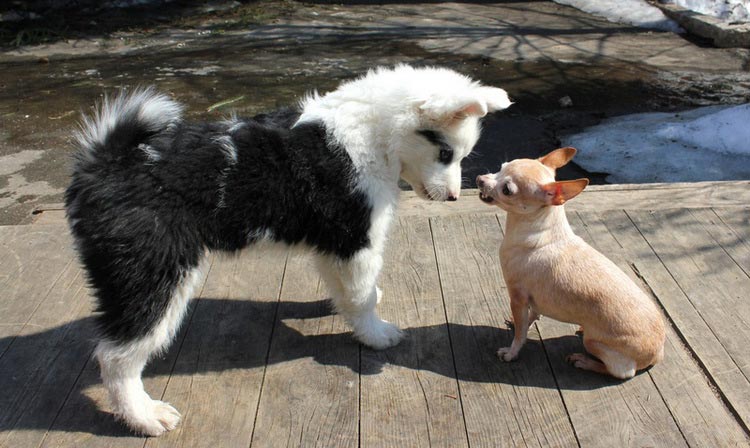
Yakutian Laikas get along well with other pets, including cats and dogs, but not without minor conflicts with members of the same sex. They are partial to small animals and birds, and they utilize their hunting instincts, eager to bark and catch. Incidentally, Yakutian Laikas are very vocal, accompanying many of their actions with barking and other sounds.
Education and training
Yakutian Laikas are highly trainable. They are very intelligent and quick-witted dogs who love to learn new things, are people-oriented, and eager to please. Of course, the dog should also find the training engaging and appropriate to its talents and interests. Obedience issues can arise if the dog is uninterested in following commands during walks or if the relationship with its owner is not ideal.
It's safe to say that the Yakutian Laika is a sled dog to the core. It belongs to the second-speed category. It's easily trained and understands why it's in harness. As for other talents, they undoubtedly exist, but the degree of expression varies from individual to individual.
The Yakutian Laika is an aboriginal dog that was not bred for a specific purpose. It was used in a variety of ways. Northern peoples needed a dog that could read, reap, and play the pipe, carry burdens, hunt, and guard the home from intruders. The breed standard classifies the Yakutian Laika as a conditionally hunting dog. Some representatives of the breed demonstrate exceptional results, while others lack innate talent, but can hunt with proper training and persistent development of their instincts in forests and fields.
Content Features
Outdoor housing in northern latitudes is ideal for the Yakutian Laika. In Yakutia, sled dogs are traditionally kept on a leash, arranged in the same order as they are harnessed. On damp soils, a plank floor is used; only neutered, pregnant, and pregnant females are kept untethered. In a private home, it's best to keep the dog in a pen, given its freedom-loving nature and tendency to escape.
It's worth noting that, contrary to popular belief, likes are increasingly becoming residents of city apartments and adapting to such conditions.
The Yakutian Laika is a very energetic and athletic dog. It requires long walks and exercise, and its favorite season is winter. For those who crave comfort and warmth, the Yakutian Laika is not the best companion. The Yakutian Laika's primary sports are sled dog racing and dryland (dog sled racing on snow-free, hard surfaces). This breed is a good alternative in regions where winters are relatively short and often snowless. However, it should be noted that a well-coated Yakutian Laika can suffer from heatstroke if actively working in too hot weather. Yakuts are also excellent for Frisbee and agility.
It's best to walk a Yakutian Laika on a leash. The exception is walks in fields or forests, where there are no cars or other hazards and where there's little room to escape. Furthermore, a dog that loves its owner will ensure they remain within sight. Puppies and young dogs are prone to escape, and some continue to wander into adulthood. Yakutian Laikas with good hunting instincts can run far.
Breeders from the northern regions of the country believe that to preserve the Laika's working qualities, it must be kept in the same conditions in which it has lived for centuries. A Brazilian traveler who once visited Yakutia was shocked by the conditions in which the dogs were kept and posted a video on YouTube expressing her sincere outrage, calling this treatment of animals a crime. However, it's important to understand that northern dogs are adapted to this lifestyle. They don't go into their kennels in winter because they don't want to. Changing this would mean losing many of the qualities that distinguish the breed from others.
Care
Grooming a Yakutian Laika varies depending on whether it's a show dog or a pet, or a hobby dog. In the former case, a lot of time and attention will be devoted to the condition of the coat. In the latter case, the Laika is brushed during shedding season and occasionally brushed during the rest of the year. Bathing frequency varies depending on the season and how quickly the coat gets greasy. Yakuts shed very heavily.
Nutrition
Yakutian Laikas retain a predominantly protein-fat digestive system. They are not suited to the feeding standards adopted in service dog breeding, nor to diets created according to generally accepted guidelines, as they digest carbohydrates poorly. Sled dogs in Chukotka are fed moderately, as it is believed that overfed animals perform less efficiently and take longer to regain their fitness. When not in use, they are fed every other day, and daily before bedtime during work. During periods of intense, heavy physical exertion and in extreme cold, the food is cooked with flour and grains, increasing the fat content. On average, an adult Laika consumes approximately 800 grams of meat, fat, and offal. Yakutian Laikas are more accustomed to fish, seafood, and their by-products, which contain higher levels of trace elements, vitamins, and protein than ungulate meat. Typically, this is fat and meat of walruses, whales, and dried backbone, fermented in earthen pits.
It's worth noting that modern Laikas are increasingly being forced to adapt to eating commercially prepared foods, which are selected on an individual basis.
Health and life expectancy
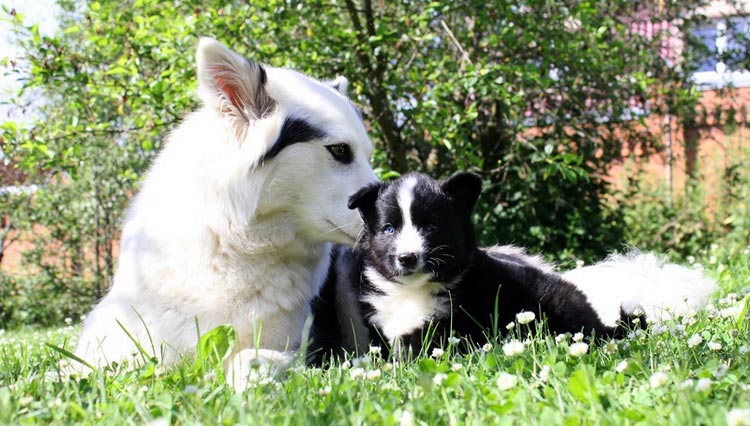
Yakutian Laikas have excellent health. This is confirmed by the fact that for a long time, their breeding was entirely done not by humans, but by nature itself, which rigorously culled the weak and sick. Despite their exceptional endurance and strong immunity, modern dogs are routinely vaccinated against major infectious diseases according to standard schedules and regularly treated for fleas and ticks.
Choosing and pricing a Yakutian Laika puppy
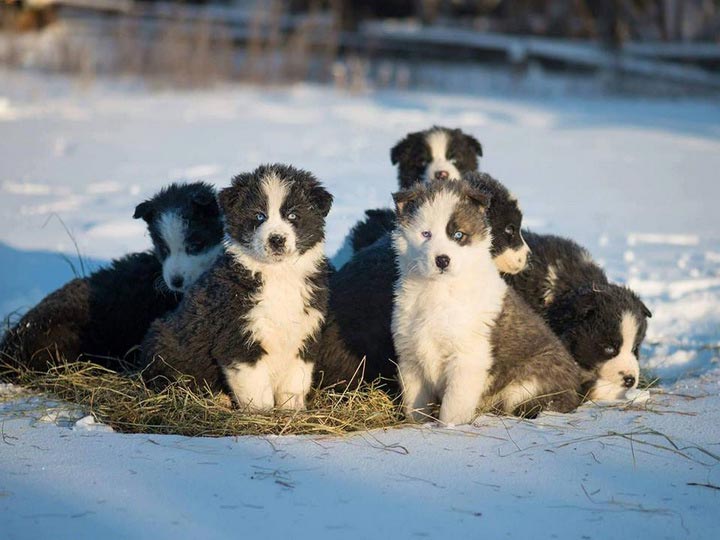
Yakutian Laikas are bred primarily in northern Russia. Many kennels have recently been registered in Moscow, and a few exist in Ukraine, Germany, France, Canada, and the United States. There are approximately 50 kennels in total. When choosing a Yakutian Laika puppy, they adhere to the general rules for choosing a healthy dog. They look for a reputable kennel or a responsible breeder. They check for documents and vaccinations, evaluate the dogs' living conditions, and ensure the puppies are not shy, are sociable, and do not show aggression. They also ensure they are healthy in appearance, with a thick, beautiful coat.
There's a Yakutian Laika database where you can look up the puppies' parents and assess the degree of inbreeding and its reasonableness. The breed is young, and its breeding began with just a dozen dogs. Inbreeding is common.
Price
Yakutian Laika puppies with documents confirming their origin cost 20,000-35,000 rubles. Yakutian Laika puppies without documents sell for 5,000-10,000 rubles.
Photos
Photos of Yakutian Laika puppies and adult dogs are collected in the gallery.
Read also:
- Karelo-Finnish Laika (Finnish Spitz)
- Nenets Laika (reindeer herding Laika, Nenets Spitz)
- Chukchi sled dog


Add a comment