
Will a cat get along with a small child in the house?
A cat and a child—how does their relationship develop and is it possible to somehow regulate it?
Cat owners' attitudes toward having a small child in the house with their pet vary, but are often negative. There are many reasons for this. Many, for example, believe that a cat's habit of sleeping on a person could cause irreparable harm to the child. Naturally, such owners prefer not to take any risks and, in such a situation, get rid of their furry pet.
However, if a cat owner exercises prudence and keeps the pet with the family, they will ultimately benefit. After all, a cat, by nature, does not intentionally seek to harm a child, and they are quite capable of peacefully coexisting. To achieve this, it's enough to supervise the newborn more closely and never leave it alone with the cat.
Frankly, leaving a newborn baby alone for long periods of time is not recommended, even if there's no cat in the house. A growing baby always requires close attention from its parents. So, if parents have basic common sense, there's nothing wrong with having a cat around their baby.
A child up to the age of 7 will intensively explore the world around him, with little idea of what can and cannot be done.
And all this time, parents should care for them, gradually accustoming them to independent living. If there's a cat in the house, the young child should be introduced to it, teaching them to coexist peacefully.
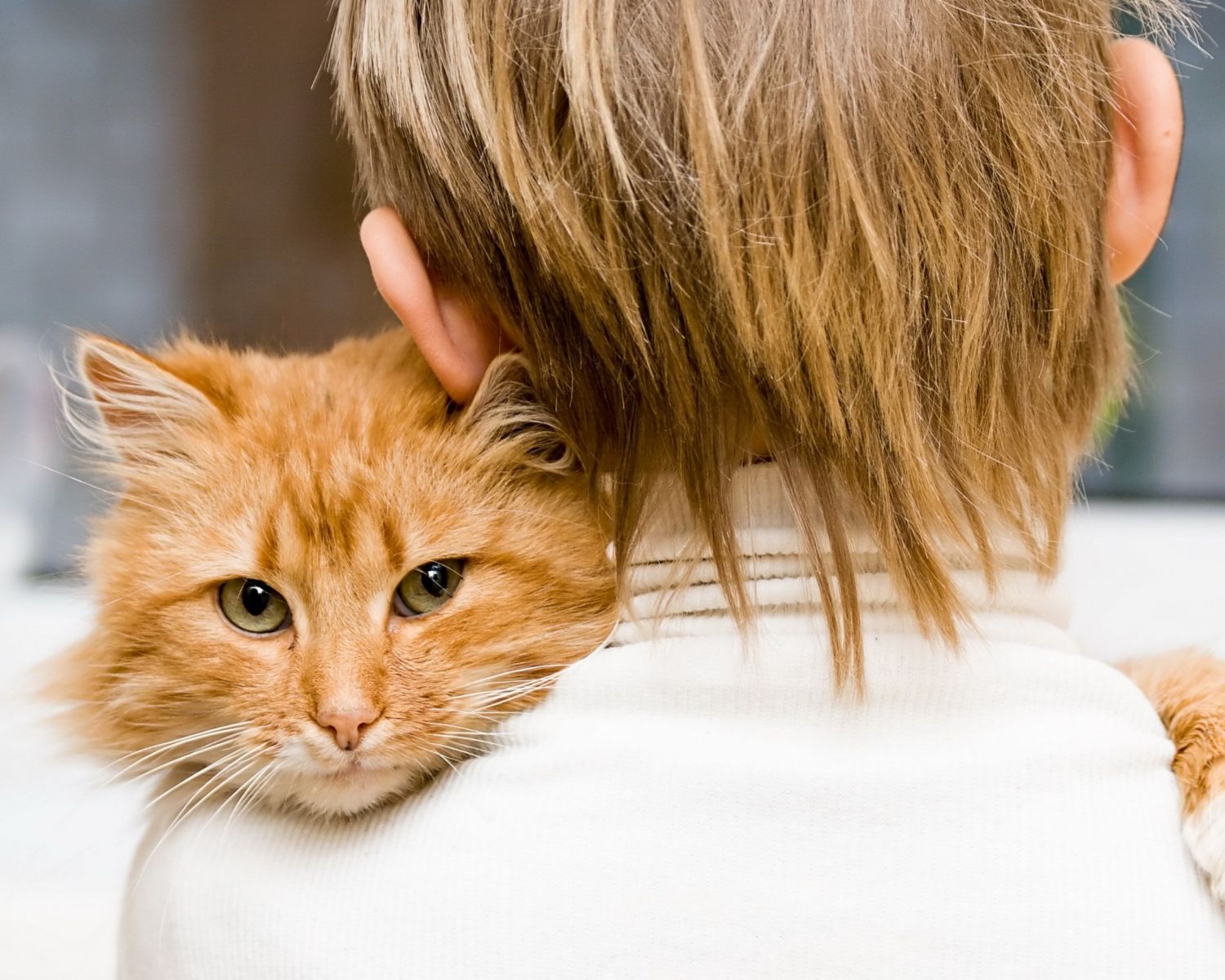
Content
If you got a cat after the birth of a child
Sometimes the decision to get a cat comes after the birth of a child. In this case, it's important to understand that sooner or later the baby will have to be introduced to the pet.
Incidentally, such a situation can be considered ideal, since by the time a cat appears in the family, the basic principles will have been established and reinforced, and the pet will be able to quickly get used to the rules of behavior, and will also take seriously not only the owner but also all members of the family, including small children.
How does a cat or an older cat get used to a child?
It's much more difficult for an older cat to adapt. After all, with the arrival of a new baby, the owners can no longer give their pet the attention they once did. This can lead the cat to believe its rights are being violated, and that the baby is to blame. The cat is unable to perceive the baby as its owner, considering itself the oldest resident in the household. In this case, it will be extremely difficult to avoid aggressive outbursts.
Preparing a cat for a new baby
In short, the arrival of a baby or a cat in the home should be taken seriously and, if possible, planned in advance. It's important to remember that the first steps in introducing a child to a cat will largely determine their future relationship.
Even before the newborn arrives, the cat should be taken to the veterinarian for a full examination. The owner must be absolutely certain the animal is healthy. Only then can the cat and baby be introduced to each other.
The introduction process shouldn't be rushed. First, you can pick up your pet and let him sniff your child's personal belongings in a relaxed atmosphere. The key is to take your time. Let the cat gradually get used to the unfamiliar smells in a comfortable environment.
Introducing a cat to a child
Then you can move on to a personal introduction. Let the cat sniff the baby. Naturally, it's essential to strictly monitor the pet's every movement, ensuring the baby is safe from potential harm. The parents' job is to make the cat understand that the baby isn't competition and poses no threat. If this is successful, the cat won't do any harm. mark territory, signaling to those around her that this was her home.
A rather unpleasant situation can develop in the home if a cat begins to view a child as a rival. Parents should try to nip this development in the bud. Cats have individual personalities. Some only allow attention when they feel like it. Others may avoid their owners altogether. But there are also pets that desperately need their owner's attention and care. It's this group of pets that can cause trouble. Don't put your child at risk by provoking jealousy in your pet's heart.
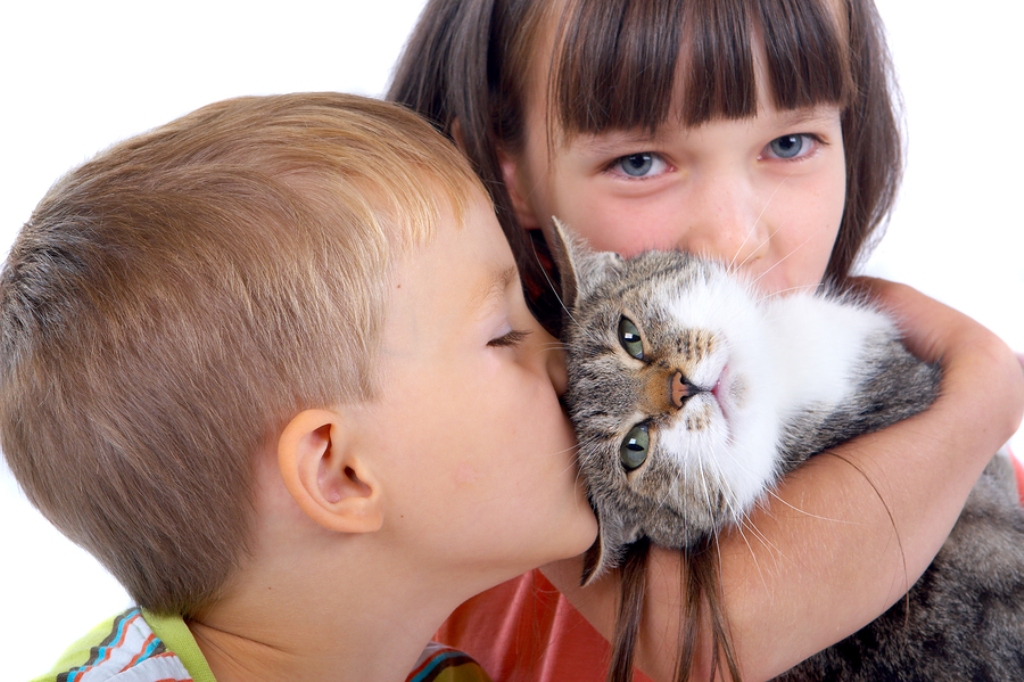
Begin preparing for the introduction early. Avoid responding to your pet's affection and attention long before the newborn arrives. Let the cat understand that you are not her property and that she is free to respond to her affection as she sees fit. Only then will the cat be able to respond appropriately to the baby's arrival, as it will be less painful.
Earrings for every sister
If the above isn't enough, you can try another trick. After interacting with the child, give the cat some affection. This way, the pet will quickly understand that the owner-child relationship is essential for developing affection for the cat. This way, the pet will properly develop respect for the child, as the cat will value the child's status in the family hierarchy above its own.
Avoid feeding a child and a cat at the same time or in the same place. The smell of food can trigger aggression in your pet, which can have serious consequences. It's important to remember that cats are unable to distinguish between their own food and their owner's, so feeding can easily trigger inappropriate behavior. Add jealousy to the mix, and the situation can easily spiral out of control.
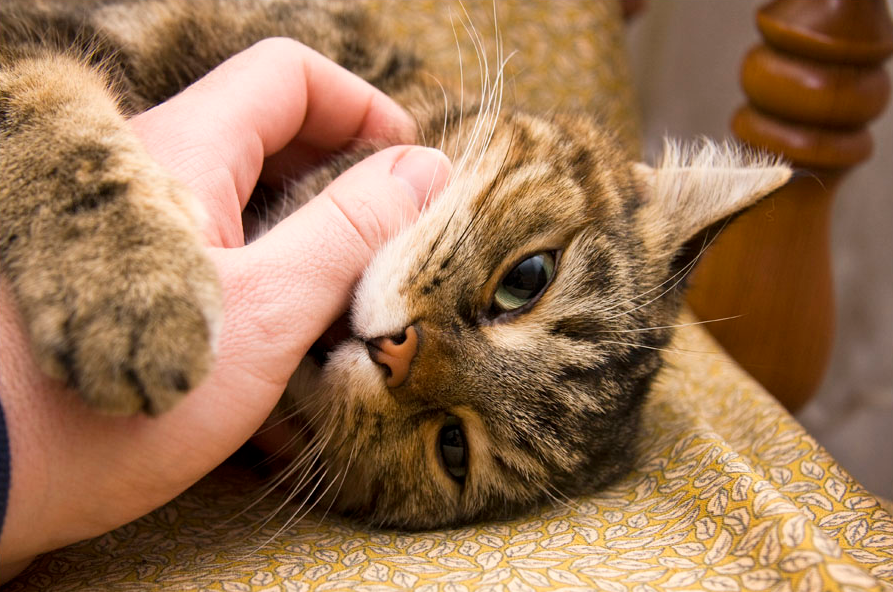
As mentioned earlier, if a cat makes territorial claims, it can easily start marking the area. This can damage the child's belongings. If this happens, it means mistakes were made during the introduction, and the procedure should be repeated. Sooner or later, everything will fall into place, the cat will recognize the child as a family member and become affectionate and docile again. Unfortunately, this will only be temporary, until the child grows a little.
When the child grows up
A growing child makes its own adjustments to the relationship with a cat. Now the pet itself can easily become the victim of excessive attention from the child, who is torn by curiosity about everything around him. Naturally, he won't be able to remain indifferent to a cat lounging on the sofa.
It's a good thing if the pet has an angelic nature and patience. In this case, it can simply climb to a higher place where the child won't disturb it. A windowsill, a cabinet, or a shelf is usually such a place. It's best if the owner ensures the cat has a resting place, protected from attacks by the child. It's even better if there are several such places.
Playing with the cat, under close parental supervision, has a beneficial effect on the relationship between the cat and the child. The child should be taught to treat the cat affectionately. Let them pet it. During such moments, the child begins to understand that animals should not be harmed. The cat itself will also become accustomed to the child's touch. After some time, parental presence during such interactions will no longer be necessary, as the child will learn how to interact with the cat properly, without being frightened or hurting it.
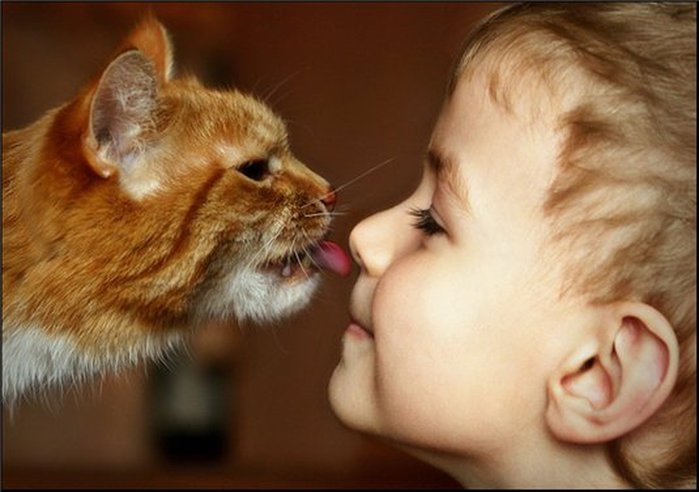
Hygiene
Hygiene is a top priority for parents with a cat and a child. Small children taste everything they can get their hands on. And there's no guarantee that a toy they pick up on the floor hasn't previously been in the cat's litter box.
However, problems can be avoided if you know and follow simple rules.
- First of all, after every contact with an animal, the child must wash his hands.
- It's also best to buy toys that are easy to clean. Naturally, avoid leaving toys scattered throughout the house to limit your pet's access.
- The same applies to the cat litter box, which should be kept elevated, or better yet, use a lid.
Make it a rule to regularly deworm your pet. Visiting your veterinarian for a health checkup should be equally frequent. After all, cats and children come into contact, and the animal can infect the child.
After reading this article, many cat owners may think that the challenges of having a cat in the house with a newborn baby are too great and untimely. Therefore, it's best to get rid of their four-legged friend. Of course, this is a mistake. The baby will soon grow up and become more aware of its actions. And over time, the cat will likely come to love the baby even more than other family members.
All the dangers that once threatened the child will be a thing of the past. Instead, they will be replaced by a genuine feeling of love and mutual understanding between human and animal. Your little one will cherish this friendship. Moreover, gradually, through feeding and caring for the pet, the child will learn to be responsible for the life and destiny of another.
Read also:
- How to care for a kitten
- What kind of dog should I get for a child in an apartment?
- How to Cope with the Death of a Cat


Add a comment