
Extinct dog breeds
Today, the category "extinct dog breeds" includes over 60 species. After domesticating wild animals, and through natural evolution and selective breeding, humans developed numerous new breeds, but some of them disappeared over time for various reasons. Little information remains about many of these lost breeds, but some have been described in sufficient detail by scientists, and photographs of these unusual animals can even be found in archives.
Let's look at 10 of the most interesting breeds that Russian Wikipedia won't tell you about.
Content
Techichi
|
Habitat |
the territory of modern Mexico |
|
Size |
slightly larger than a Chihuahua |
|
Purpose |
were used as food and in religious rites |
|
Period of extinction |
16th century |
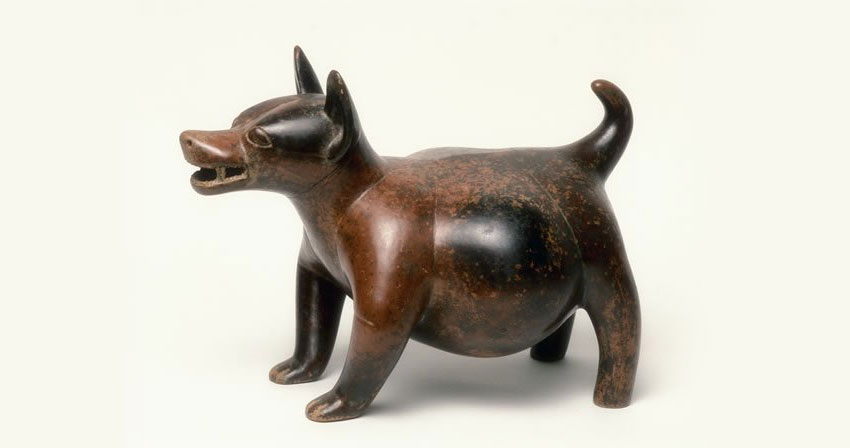
No actual images of the extinct Techichi breed survive. Scientists have reconstructed the breed's history from numerous photographs and traveler descriptions. The Mayans, Aztecs, and Toltecs ascribed supernatural powers to these dogs.
The direct descendants of Techichi dogs are miniature Chihuahua and extravagant Mexican Hairless Dogs.
Tesem
|
Habitat |
Egypt |
|
Size |
height – up to 56 cm. weight – up to 30 kg |
|
Purpose |
hunting |
|
Period of extinction |
1650–1550 BC |
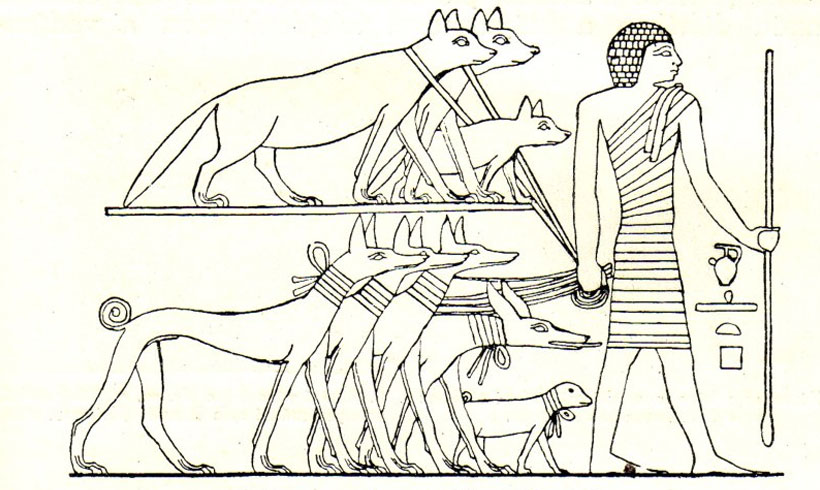
Images of graceful, pointed-eared dogs with curled tails, reminiscent of hounds in build, can often be seen on ancient Egyptian frescoes alongside Onubis and other gods.
The direct descendants of the Egyptian Tesem dogs are still alive today. Pharaoh Hounds.
Toy Bulldog
|
Habitat |
England |
|
Size |
weight up to 20 pounds (9 kg) |
|
Purpose |
companion |
|
Period of extinction |
19th century |
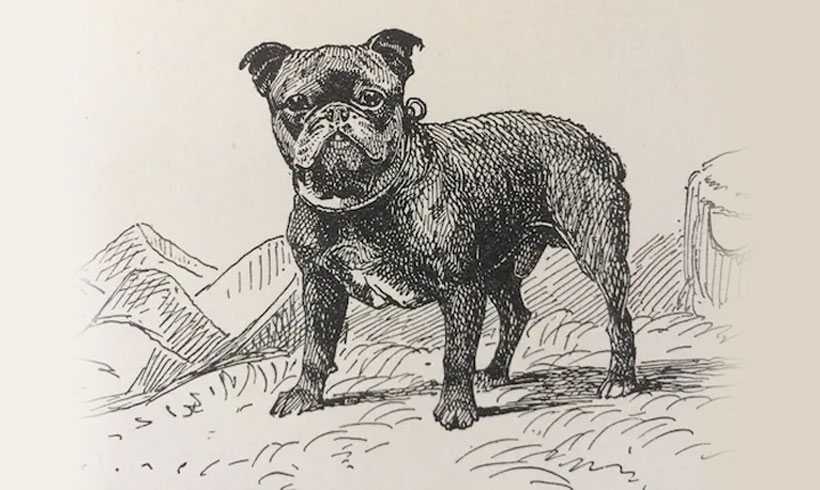
English breeders worked hard to develop a miniature version of the French Bulldog, striving to minimize the population's weight. Despite the incredible popularity of these little dogs, the breed failed to gain a foothold and eventually disappeared completely (the last recorded mention of the breed dates back to 1914). The reason for this is believed to be the exceptional sickliness of these small bulldogs and their inability to produce healthy offspring.
However, even today, among the classics French Bulldogs Sometimes you can find miniature representatives of the breed weighing 8-9 kg.
Medelyan dog (Russian mastiff)
|
Habitat |
Russia |
|
Size |
height – up to 78-90 cm weight – up to 112-120 kg |
|
Purpose |
hunting |
|
Period of extinction |
19th century |
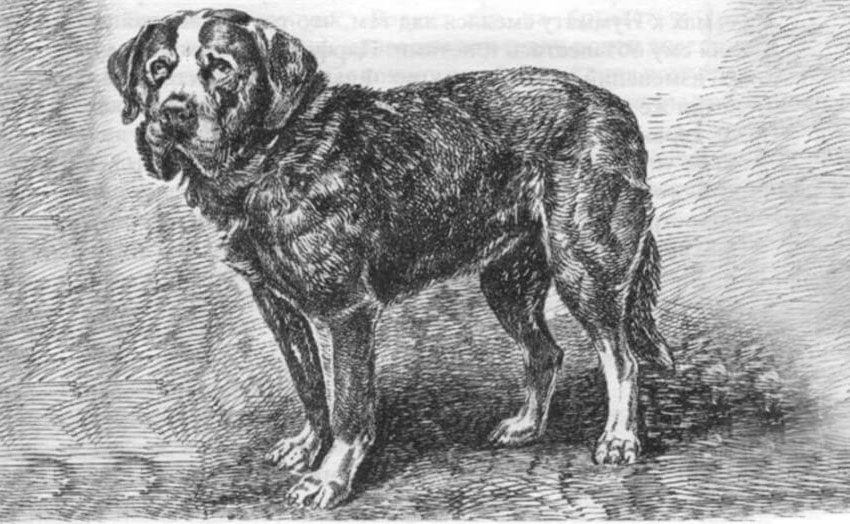
The ancestors of the Russian giants are believed to be Molossoid breeds, once imported from Ialia. The breed was named after the city of Mediolanum (Milan). The first mentions of the ancient Russian Mediolanum date back to the 15th century.
Descriptions of the incredibly large dogs kept by Russian princes and tsars for hunting wild animals are found in many historical accounts. These incredibly powerful giants are known to have emerged victorious from fights with bears on more than one occasion.
Following the ban on hunting wild animals, the Russian Mastiff lost its popularity and gradually became considered an "extinct dog breed." It is believed that its incredibly large ancient ancestor lives on in the bloodlines of three domestic breeds:
- Orlov Pointer;
- Marklovskaya pointer;
- Courland pointer.
Rotary (kitchen) dog
|
Habitat |
England |
|
Size |
average (no exact data) |
|
Purpose |
spit rotation |
|
Period of extinction |
early 20th century |

Around the 16th century, small dogs became popular in taverns and wealthy homes in England (and later France). They were trained from an early age to run in a special wooden wheel, thus turning the spit on which cooks roasted various types of meat. This is why the breed was called a "chef's" or "kitchen" dog. Although initially any dog could be used for this purpose, over time, people realized that such a kitchen assistant needed to be standardized, and a specific breed for turning spits emerged. These dogs were described in detail in the works of Charles Darwin.
The standard wheel used in kitchens ranged from 78 to 143 cm in diameter, but was quite narrow, only 20 to 30 cm. This suggests that the breed was small in size, but strong and resilient. Two dogs were typically kept in the kitchen, working alternately or even together if a very large carcass needed to be turned on the spit.
St. John's Water Dog
|
Habitat |
England, Ireland |
|
Size |
height – up to 60 cm weight – up to 40 kg |
|
Purpose |
assistance to fishermen and sailors |
|
Period of extinction |
in the 1980s |
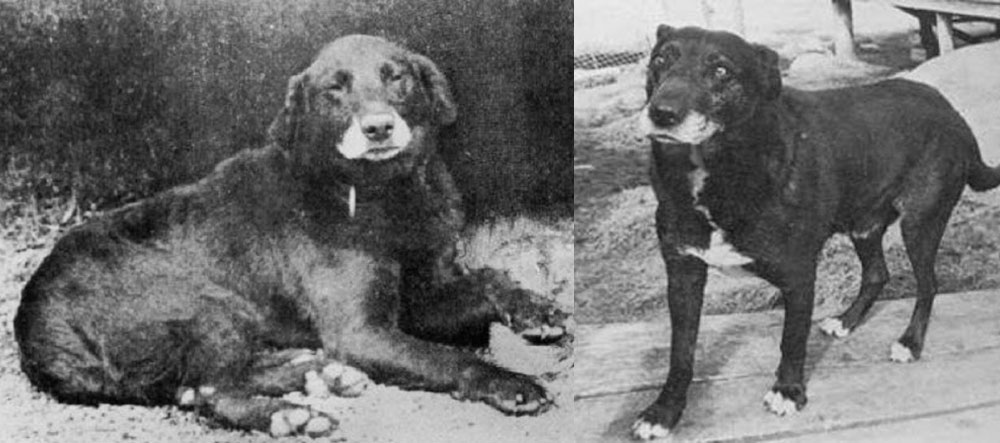
This ancient breed was the faithful companion of English sailors for centuries. It is believed that the hardy working breeds of England, Ireland, and Portugal contributed to the development of these water dogs. For centuries, these dogs assisted fishermen, and during long expeditions, they were used by sailors as messengers between ships.
Although the breed officially ceased to exist after the UK authorities imposed a large tax on the import and ownership of imported dogs, it continues to live on in the incredibly popular today Labrador Retrievers.
Sahtu Dog (Indian Dog)
|
Habitat |
the territory of present-day Canada |
|
Size |
medium size (like a coyote) |
|
Purpose |
hunting |
|
Period of extinction |
19th century |
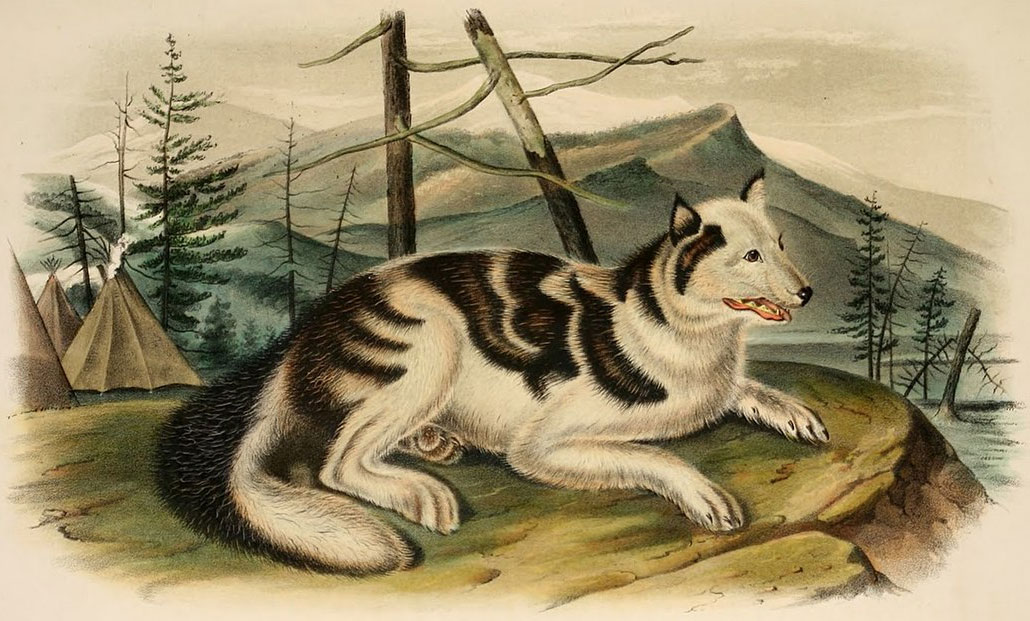
The breed is also known as the Coydog, as it was developed by crossing domesticated dogs with wild coyotes. These extinct dogs were companions of the Sahtu Indians and, according to travelers who described the breed, were "silent killers," as they rarely made any sound.
Paisley Terrier
|
Habitat |
Scotland |
|
Size |
height – up to 26 cm weight – up to 7 kg |
|
Purpose |
companion |
|
Period of extinction |
20th century |
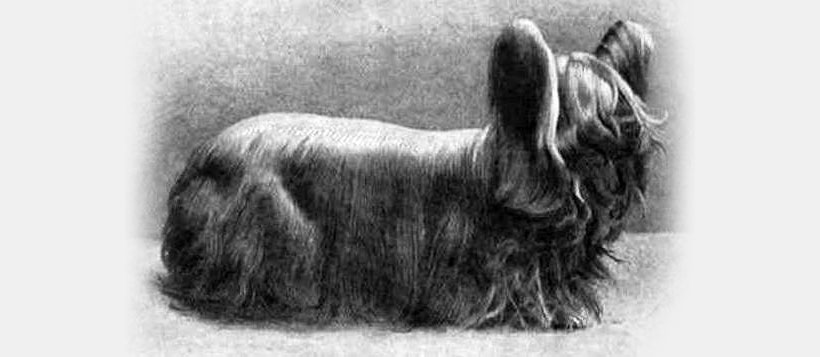
The breed originated as an elite show lineage of the popular Skye Terrier. Breeders selectively bred the dog to make it smaller and achieve a shorter, stockier body. As a result, the Paisley Terrier's weight dropped to 7 kg, and its coat became soft and flowing, replacing the wiry coat typical of the Skye Terrier.
The breed gradually faded into history after the breeds developed on its basis came into fashion. Yorkshire And Silky Terriers. At the same time Skye Terriers, which are the ancestors of the Pesli, are successfully bred even today.
Talbot
|
Habitat |
England |
|
Size |
average |
|
Purpose |
hunting |
|
Period of extinction |
late 18th – early 19th century |
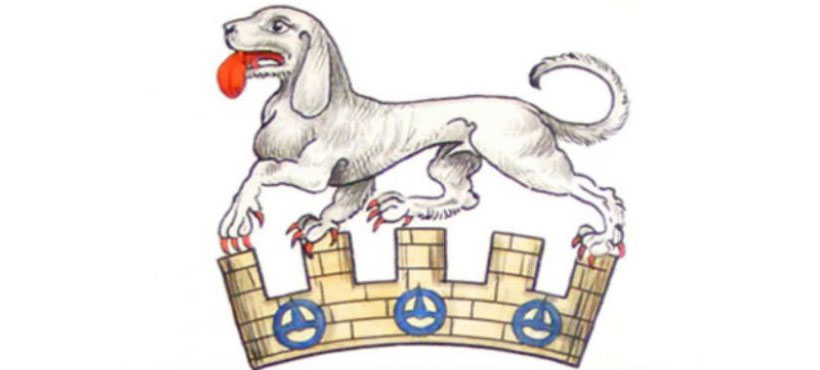
Medieval illustrations and heraldry, which also feature Talbots, provide insight into the breed's appearance. Most often, these images depict a medium-sized white dog with short, powerful legs, long, drooping ears, and a well-developed sickle-shaped tail.
The modern ancestor of the extinct English breed inherited parameters close to Talbot’s description – Beagle, as well as its close relative, the Blackhound.
Abyssinian Sand Terrier
|
Habitat |
Southern regions of Africa |
|
Size |
average |
|
Purpose |
medicine |
|
Period of extinction |
20th century |
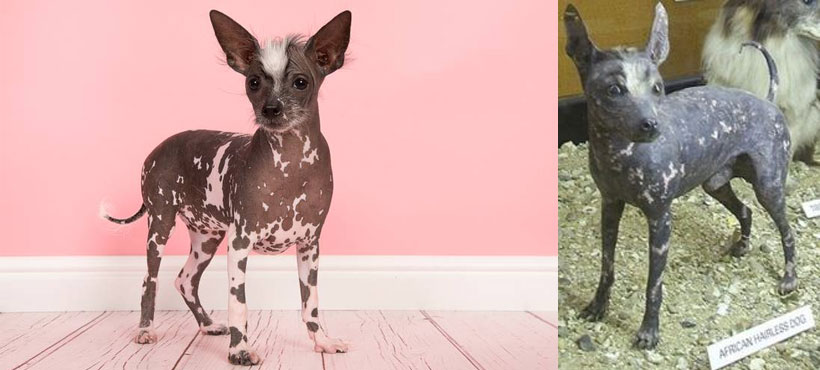
The dog belongs to four officially recognized hairless breedsFor a long time, sand terriers lived among African tribes. They were prized as healers. It was believed that the sand terrier's body heat could cure various ailments.
Although the breed is officially listed as extinct, some scientists believe that such traditional dogs may still exist in some uncontacted tribes.
The closest relative of the Abyssinian Sand Terrier is the African Hairless Dog.
Read also:
- Merle color in dogs
- Aliment puppy: what does it mean?
- Where did cats come from and how did they appear?


Add a comment