
Basic rules and features of dog mating
Many people ponder this question when they're first considering getting a puppy and choosing the gender. It's important to know that not all male dogs are suitable for breeding. If you're considering a male, you need to understand that a pedigree is only a small part of the requirements for your dog to qualify as a breeding dog. Mating dogs is a serious matter.
First, he must have an exceptional exterior. Second, they look at the level of your dog's pedigree for the given series of females. Next in importance is a list of titles from various high-ranking shows (and maintaining such a list requires considerable effort and expense). Then they check the dog's mental state (it must be perfect). All of the dog's close relatives and their offspring are examined for defects or flaws.
And this isn't a complete list of requirements for applicants. Only a small percentage of dogs meet such high standards. Finding females for unscheduled matings is also difficult, as owners of purebred females only provide them for unique males. And your personal concerns about your dog's life as a "boy" are completely unfounded – in the wild, only the strongest individuals have the right to reproduce; the rest are content to live like monks.
Content
The need for knitting
The owner's sincere belief in the necessity of mating their pet is also considered absurd. After the first mating, your dog will see bitches in heat everywhere, and walks will become a living hell. An unmated dog shows interest in members of the opposite sex only until he's two years old; after that, the instinct weakens. If you can't provide your pet with regular mating, it's best not to breed him at all.
Myths about mating a female dog should also be dispelled: there is no need to mate a dog, supposedly for her own benefit - this is not true. False pregnancy A dog can recover after mating only if a real one occurs, which leads to a restructuring of the hormonal background. And if at the next in heat If you don't mate the bitch, false pregnancy will occur again, because this is an absolutely normal process in the dog's body.
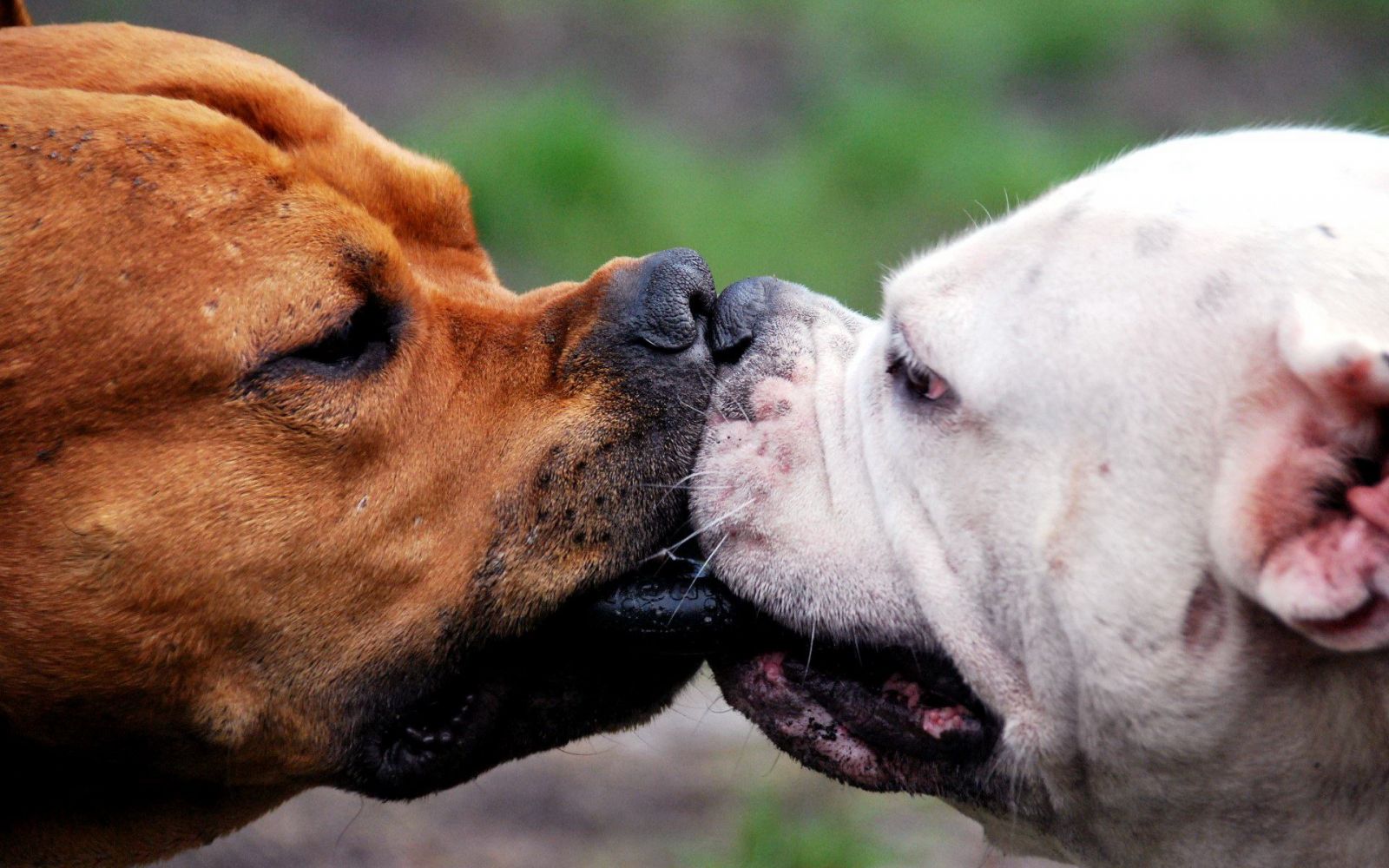
The Pros and Cons of Dog Mating
To make a decision, it is necessary to weigh all the positive and negative arguments.
Positive arguments:
- Your pet has an ideal exterior, wonderful character, unique ancestors and pure blood.
- You see yourself surrounded by beautiful puppies.
- You only have potential buyers for puppies from your dog.
Read also about: How long does pregnancy last in dogs? on our website.
Negative arguments:
- Small space.
- Puppies of this breed are not popular.
- Your dog has crossed the age threshold of 4 years.
- Lack of financial resources to adequately feed and care for your dog and her puppies.
- Be sure to factor in additional costs: veterinary, mating, puppy card preparation and branding, advertising – all of this will be very expensive.
First mating
If you've decided to breed and this will be your pet's first time, ideally you should have a rough idea of when ovulation will occur based on observations of your dog's previous heat cycles. Occasionally, the timing shifts, but it always remains within a certain range.
The reproductive function of the body is greatly influenced by many factors: housing, nutrition, and various stresses, including exhibitions and travel.
Video review: determining a dog's readiness for mating
How can you tell if your dog is ready to mate?
Signs that a dog is ready for mating may include the following:
- The loop volume decreases and becomes softer.
- The discharge becomes creamy in color.
- When stroking the back, the tail area freezes, the tail is removed, and when touching the perineum, the loop rises up.
- Ovulation typically occurs 1-3 days after the onset of estrus (but these timings are approximate). Folliculation occurs within 24 hours, and the eggs themselves are ready for fertilization only after 3 days. A healthy male dog's sperm can remain alive (and capable of fertilizing an egg) in the female for almost a week.
The best time for mating for most breeds is 8-18 days from the start of estrus.
Video about dog mating
Example of dog mating
Ovulation in a dog
Methods for determining the onset of ovulation in a dog:
- Vaginal smear (it is better to contact a veterinary clinic)
- Blood hormone levels (similar)
- Using Uriglyuk indicator strips to determine progesterone levels (not always reliable, but simple – apply vaginal discharge to the test strip; if the indicator turns green, it’s time to mate)
A more accurate and cost-effective way to determine this is to monitor the behavior of the female and male dog. If your female dog doesn't allow the male dog to approach, it's not time yet. If you don't know the exact timing of ovulation, you should knit on the 11th day, and the control mating of dogs should be 2 days later.
It's best to mate in the morning, before feeding, and after a vigorous walk for both partners. It's best to bring the female to the male—this will boost his confidence. For the first mating, it's a good idea to invite a trained instructor, as a failure could render the dog unfit for breeding. A test mating should be performed the following day to reinforce the bond.
A comprehensive overview of the video presentation "Basics of Reproduction or How to Determine When to Properly Breed a Dog" (video > hours)


-550x450.jpg)


Add a comment