
Is dry food harmful to cats?
The debate over whether dry cat food is harmful has raged for decades. Despite widespread stories of animals dying painfully after eating only dried kibble for years, the range of commercially available food is only growing. So, is it worth feeding your pet potentially dangerous food, or are the stories circulating online nothing more than myths?
Content
What does pelleted feed consist of?
Cats are very adaptable to their environment. In the wild, they can eat raw fish, small animals (including skins and bones), and even grass. However, domesticated cats are unable to regulate their own diet. It's the owner's responsibility to ensure a balanced diet.
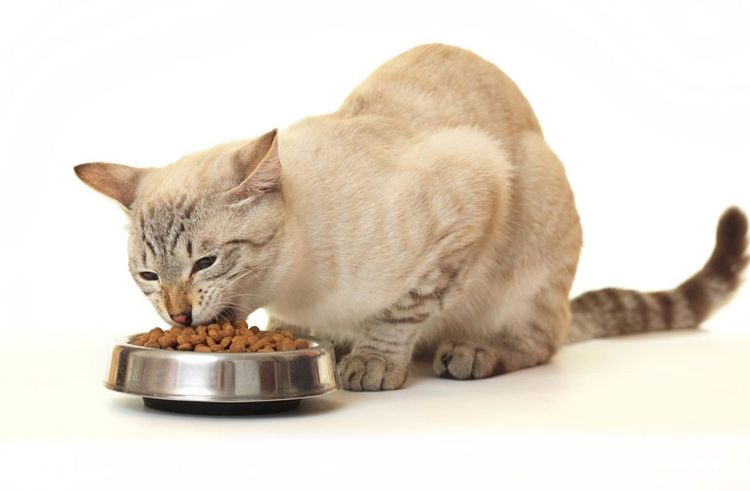
Prepared dry foods are attractive because they contain all the necessary vitamins, minerals, and trace elements. Some people may think that kibble is simply ground and highly compressed by-products. However, truly high-quality foods (usually considered super-premium) are made from all-natural meat, which is dried and ground into powder. Dried vegetables, herbs, grains, and legumes are usually used as additional supplements. However, budget food from unscrupulous manufacturers may consist of:
- offal;
- flavorings;
- flavor enhancers;
- gluten from cheap grain crops.
Numerous veterinarians who collect statistics report that thousands of cats fed high-quality dry food live full, healthy lives. Similarly, thousands of cats fed low-quality canned food or leftovers from their owners' tables suffer from gastrointestinal and bladder problems.
Important! When reading negative reviews from veterinarians about dry food, it's important to understand that in most cases, they're referring specifically to budget brands.
In fact, healthy cats respond well to both canned and dry food (provided the main ingredients are of equal quality).
Diseases associated with the consumption of dry food
The myth that dry cat food is harmful arose due to the high number of associated illnesses. Sometimes, even pets that have been fed only high-quality kibble for years require veterinary care. The most common illnesses diagnosed in cats include:
- chronic renal failure;
- stones or sand in the bladder;
- diabetes;
- obesity.
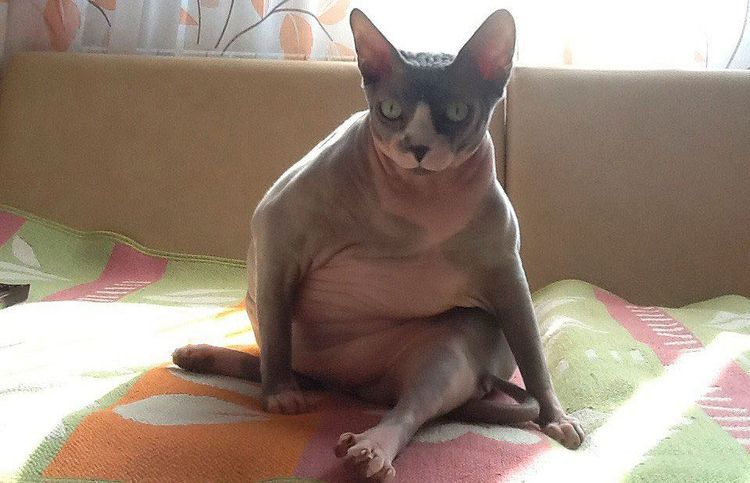
But in most cases, the above problems arise not from the food itself, but from insufficient water intake. The fact is that ready-made canned food They themselves contain a fairly large amount of liquid. Even if the cat does not have access to drinking bowl (we advise you to read about automatic drinkers)There's no need to worry about severe dehydration. However, even with high-quality pellets, your pet will constantly need water. Failure to provide constant access to a water bottle will significantly increase the risk of developing the aforementioned diseases.
Advice! If you decide to switch your cat to pelleted food, it's essential to purchase an automatic waterer or provide your cat with water yourself at a rate of 200 ml per 5 kg of body weight per day. In hot weather, you should increase the amount by approximately 30%.
The Link Between Pelleted Feeds and Dental Disease
Dry food advocates actively promote the myth that hard kibble is essential for daily dental cleaning. However, veterinarians claim that the percentage of canned pets suffering from dental problems is only slightly higher than that of those fed only dry kibble. This is because cats are carnivores, and their teeth are designed to tear food rather than chew it thoroughly. Therefore, most kibble is simply swallowed or crushed by the molars.
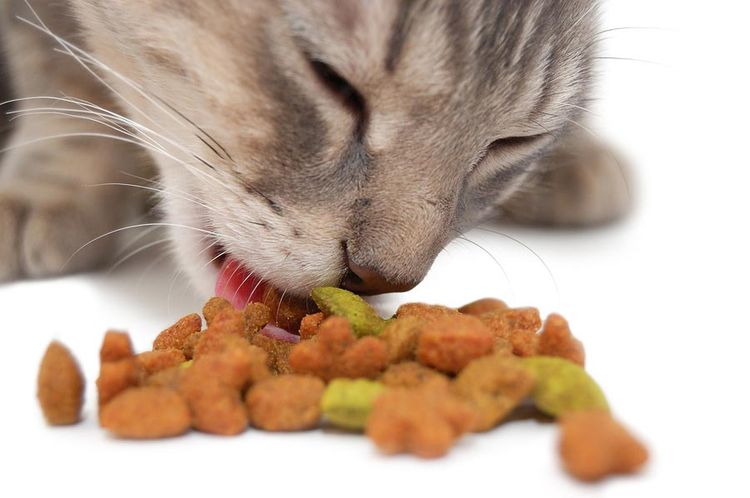
Regular consumption of cheap, carbohydrate-rich kibble leads to the formation of a starchy film in a cat's mouth. If the pet's teeth aren't brushed regularly, bacteria will begin to grow under this film, potentially leading to cavities and even gingivitis.
Interesting to know! Dry foods labeled "for healthy teeth and gums" really do help prevent dental problems. However, this healing isn't due to the hard kibble structure, but to the low carbohydrate content and the presence of polyphosphates.
Veterinarians' opinions on dry food
Most doctors agree that cheap liquid canned food, unbalanced natural diets, and budget dry food are equally harmful to cats. However, super-premium kibble can be fed to your pet for many years without any risk of complications (as long as they are given enough fluids). Don't cut corners on your pet's food. After all, the money saved on daily nutrition usually has to be spent on treating acquired illnesses. If you can't afford premium food, it's best to focus on creating a diet based on natural ingredients.
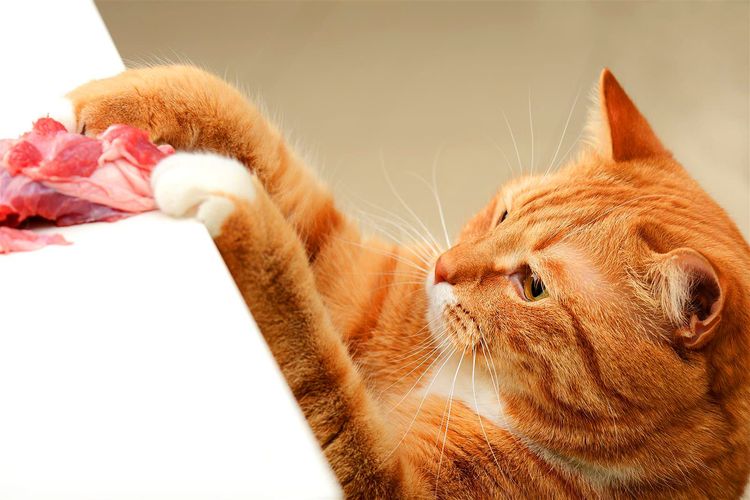
Feeding recommendations
Veterinarians recommend following certain rules when feeding dry food to cats to ensure it does not harm the animal's health:
- You can combine dry and wet food, but only one manufacturer.
- It's advisable to choose and stick to one feeding option: dry food only, wet food, a mix of both, a combination of commercial and homemade food, and so on. The key is to avoid changing the option too often, as the body adapts, establishes enzyme production, and transitioning to a new diet can be difficult.
If the owner decides to cook for the cat themselves, the food should not contain bones, raw offal should be treated with boiling water, milk and fish should be reduced or eliminated from the diet, as well as fatty meats.
Fact! Properly prepared food at home extends your pet's life by 30%.

How do you calculate how many times a day to feed a cat and how much food it requires? The following procedure should be followed:
- An adult cat is fed 2 times a day.
- If the cat is pregnant, the number of meals increases to 4-6.
- If your pet eats wet food or natural food, calculate the water requirement as follows: 20 to 30 ml per kilogram of body weight. If the diet consists of dry food, multiply the resulting figure by 3.
- The cat needs to be fed daily based on the following formula: 30-60 g per 1 kg of weight.
- The cat should finish the given portion within 15-20 minutes, after which it should be removed. If the pet eats slowly and lazily, this is a sign of overeating.
Interesting! Cats don't like their whiskers touching the edge of their bowl. So their water bowl needs to be wide enough.
When choosing dry food, you should pay attention to the ingredients listed on the packaging. The best foods are made from animal meat and ocean fish. Cheaper food manufacturers often add colorings and flavorings to make their products more appealing to their pets.
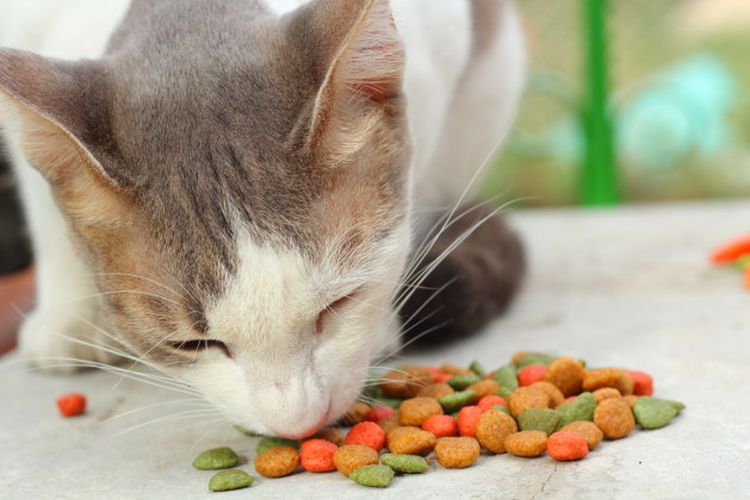
Feeding cats food that lacks plant fiber can be harmful to their health. Although in the wild, carnivorous cats feed exclusively on meat, the stomachs of their prey contain sufficient amounts of processed plant fiber, essential for digestion. Therefore, it's important to look for plant fiber in commercial foods as well.
Preference should be given to foods in the medium, premium, and super-premium segments. These can be found in the Royal Canin, Hills, Innova, Acana, Eukanuba, and other brands. It's important to choose the right food based on your pet's age, health, and lifestyle. Be sure to check the expiration date on the packaging.
What are the different classes of food actually made of? video
Read also:
- How to properly transition a cat to dry food
- How much water should cats drink per day?
- How many times a day should I feed my cat?


Add a comment