
Tips for raising a kitten
Today we've prepared some tips for raising a kitten at home. If you've brought a meowing little one into your home, in addition to creating a cozy corner for them, you need to seriously consider their proper training. While cats may be stubborn and difficult to train, you must teach them proper behavior. Otherwise, your home will be a chaotic place.
Don't delay the training process too long. Correct behavior should be instilled from the very first day you bring your pet home. Kittens as young as six weeks understand what you want them to do. So don't worry that your little one is too young to train. However, there are a number of mistakes that can not only ruin the entire process but also turn a sweet kitten into a vindictive and disobedient "monster."
Let's look at all the steps to raising a kitten.
Separation from family
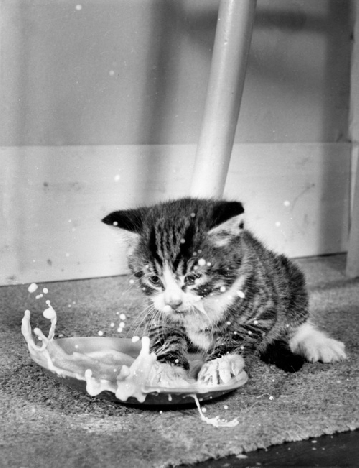
The most important thing is not to separate a kitten from its mother too early. Some people give up their kittens as early as a month old, but kittens aren't yet ready to leave their family. The optimal age for weaning is 2-3 months. At this age, kittens are ready for independent life. As soon as a kitten can plan its own day, rather than following its mother around, it's ready to move to a new family.
Try not to drag out the training process. The first six months of life lay the foundation upon which your pet's entire behavior is based.
Mode
A routine isn't just necessary for children. Kittens need it too. Feed at the same time, in a specific place, and from a separate bowl. Don't let your kitten eat in different corners of the apartment. If there's a designated feeding area, it should only eat there. Don't feed from the table. Your kitten will quickly get used to it. Then, it'll start climbing onto the table and taking what it wants, regardless of your protests.
Feeding
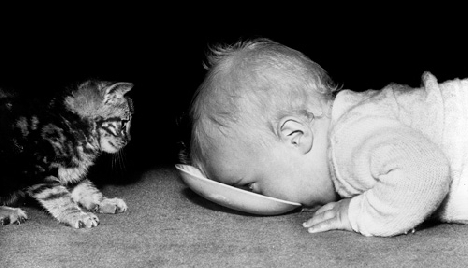
Don't indulge their culinary whims. Of course, the food should be complete, balanced, and nutritious. But if your kitten starts nagging you and you immediately replace it with something they love, don't be surprised if they start manipulating you. They understand that if they snort and don't touch, say, their porridge, they'll immediately swap it for their favorite meat or food. This is where their excessive pickiness comes from. It will be almost impossible to overcome this in the future. And it will cause you a lot of inconvenience.
Litter training
One aspect of training a kitten is litter box training. It's not an instant process, but try to achieve complete obedience. Even a single "trip" past the litter box should trigger a reaction from you. The only thing is to punish the cat as quickly as possible. If you do it after a few hours, the animal won't understand why. And it will seek revenge.
Don't forget to change the litter regularly. Cats are very clean creatures. If the litter box is full, even the most well-behaved kitten won't go in it. Furthermore, if the sides of the litter box are too high, the kitten may use anything but the designated area for the toilet. This will ruin the entire training process.
Scratching post
It shouldn't frighten your pet. Start acclimating your kitten to the scratching post from puppyhood. Otherwise, your furniture and wallpaper will be in trouble. You can buy a wall-mounted one that attaches to a vertical surface. Or you can use a thick vertical "stick" tied with thick twine and secured to a sturdy stand. Or you can make your own. To do this, take a piece of board or plywood. Use a furniture stapler to attach a piece of carpet or very thick fabric. As soon as the scratching post becomes tangled, replace it. Otherwise, your pet will move onto your furniture.
Playing with a kitten
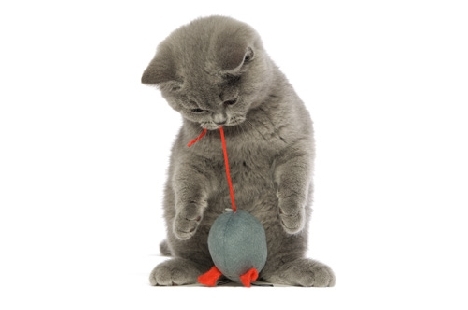
Don't use your hands or feet while playing. Otherwise, your kitten might attack you with its claws in the future, not intentionally, but while playing. Therefore, invest in special toys, brooms, or even a simple piece of string and paper. Believe it or not, animals get wildly excited when playing with a rustling bag.
Play is very important. On the one hand, it helps your pet learn about the world around them and their body's capabilities. On the other hand, it's an excellent opportunity to get to know you better, become friends, and establish a connection. Spending fun time together will help build a bond. Your pet will feel loved and will listen to you.
Punishment
Not sure how to properly discipline a kitten? A simple, quick, light flick on the nose is an excellent punishment. No need to hit, yell, throw, or drag the poor pet by the scruff of the neck.
Hand training
Some kittens don't know human affection. Therefore, your hands may be frightening to them. They'll scratch, hiss, and snort. As a result, they'll become frightened and wild. Start slowly. Hold them for a few seconds and then let them go. Gradually increase the amount of time you spend in physical contact with the kitten. Over time, they'll lose their fear of you and understand that you pose no threat. And in just a couple of weeks, they'll happily run into your arms for affection.
A place to sleep
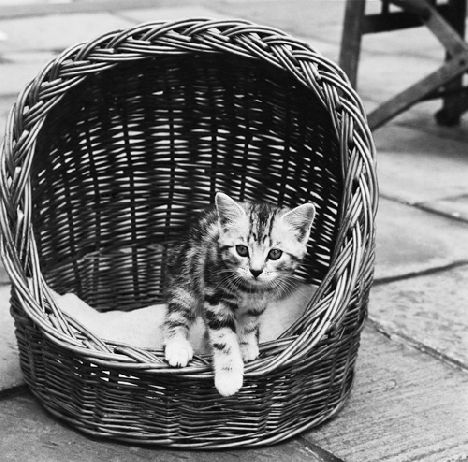
Many kittens naturally gravitate toward body heat. Therefore, they may want to sleep near you. Provide a separate sleeping area. This can be a store-bought soft bed (though some cats don't like it at all) or a simple cardboard box with bedding. Once the kitten falls asleep, carefully move it. Let it sleep in its own place. Over time, the little one will get used to it and will then go to its bed on its own.
Mistakes in raising a kitten
What are the most common mistakes owners make when raising a kitten?
Having multiple kittens from the same litter
Of course, having multiple animals will be more fun. While you're away, the animals will play with each other, and they won't have time to get into mischief. However, if you adopt siblings from the same litter, you may have trouble adjusting to a new owner. You could end up with a pair of feral kittens who stick together all the time, and training them will be nearly impossible. If you really want to have multiple animals, start with one. Then find a friend for it. This usually takes about a year. The second kitten will follow the example of the one you trained the first one.
Allowing you to sleep on your bed
Allowing your cat to sleep on your bed? Your authority will be lost. The fact is that the greatest concentration of your scent accumulates on your bed. If your cat sleeps with you, it equates itself with you—the leader. If you chase the cat away, you're reserving dominance. Be firm and consistent. If you give in even once and allow it to sleep with you, your next attempt to chase it away will be perceived as an insult. This could lead to aggression and disobedience. However, only the cat that brazenly tries to climb into your bed every time is truly a leader. If the cat has gone to sleep elsewhere and you call it to you, there's no change of heart. However, try to be consistent in training your kitten.
Excessive cruelty in education should not be present.
Yes, you should punish your kitten for misbehavior, but don't hit or yell at it. Cats are quite vindictive animals. And if you treat a kitten too harshly from puppyhood, you could raise an aggressive cat.
Don't let the kitten steal food.
There's a bowl, so let him eat from it. Otherwise, one day you'll find a fish head or something like that on your bed.
Spend time with your little purr
A lack of attention can cause a kitten to become wild, resentful, and unresponsive. They may even intentionally misbehave to get your attention. Don't be pushy. Your kitten will let you know when it wants to run, play, or sit in your arms.
Read also:


Add a comment