
Inflammation of the glands in dogs: symptoms and treatment
In dogs, the term "anal cystitis" refers to a condition associated with dysfunction of the anal glands. These are specialized exocrine organs that produce a specific secretion with a distinctive odor, which serves as an individual "identification" for the animal.
The excretory ducts of these glands open into the lumen of the rectum near the anus, and the glands themselves are small hollow structures located on either side of the anus. Normally, the secreted substance accumulates within and is naturally eliminated with feces during defecation.
However, when the outflow of secretions is disrupted, for example due to blocked ducts, the contents begin to stagnate. As a result, the glands gradually increase in size, their walls stretch, and then an inflammatory process develops, causing significant discomfort to the animal and potentially leading to complications.

Signs
The course of the disease occurs in several stages:
- First, the outflow of secretion stops, the glandular sacs become overflowing, and the internal contents thicken;
- inflammation of the glands develops, causing the dog to experience painful itching under the tail, and if left untreated, the animal injures the skin with its teeth, causing infection with secondary microflora;
- Internal inflammatory processes are intensified by external ones, which ends in suppuration with the formation of an abscess.
Over time, the abscess breaks through and a cyst forms in the gland at this location. hole (fistula)All these processes are accompanied by an increase in body temperature.
Caution! Inflammation of the gland under a dog's tail can progress to an abscess only through complete neglect or improper treatment. Therefore, it is crucial not only to promptly diagnose the condition but also to have it treated by a qualified veterinarian.
The following signs are characteristic symptoms of inflammation of the glands in a dog:
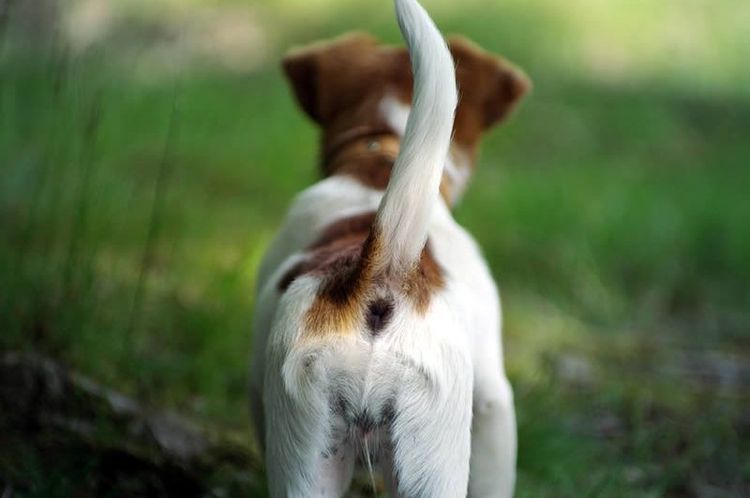
- the area under the tail near the anus swells, turns red and becomes covered with a rash, the hair around the anus gets wet and falls out;
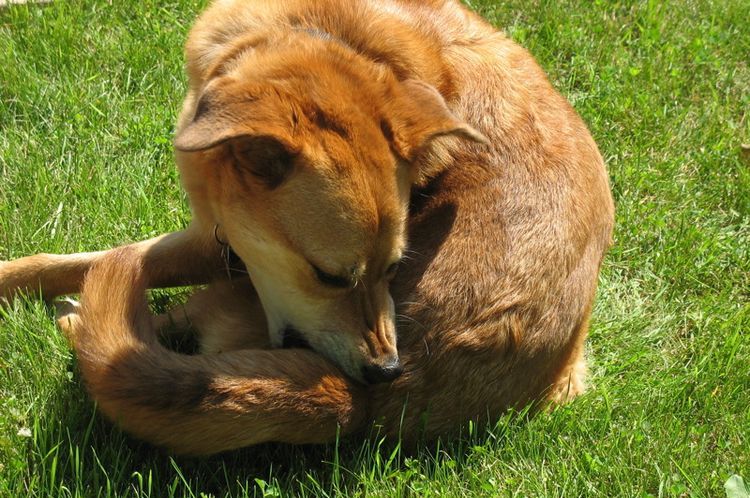
- the animal becomes restless, often rubs her butt on the floor, jumps up sharply, “chases” the tail, bites the itchy areas;
- The pet emits an unpleasant odor, the source of which is the area under the tail.
The symptoms of gland inflammation are very similar to those of a perineal hernia, helminthic infestation, or allergic reactions. Therefore, self-medication is strictly prohibited. Furthermore, all veterinary clinics in Moscow professionally treat gland inflammation in dogs. Failure to treat or delay in seeking professional help can be fatal. If gland inflammation recurred repeatedly, it was recommended to have the glands removed.
Reasons
The development of pathological processes in the glandular sacs is directly related to impaired secretion flow, which in turn depends directly on the condition of the feces and proper defecation. Therefore, inflammation of the gland under the tail in dogs can be caused by a variety of factors, the main ones being:
- chronic constipation or regular diarrhea, which leads to the fact that the secretion cannot be normally squeezed out of the glandular cavities by feces;
- a sedentary lifestyle, which aggravates problems with both defecation and the functioning of the digestive tract, disrupting intestinal peristalsis;
- Untimely walking, which causes the pet to delay the process of emptying and, accordingly, slow down the removal of secretions from the glands.
Dogs with a proper daily routine, a healthy diet, and regular vigorous exercise are virtually immune to this condition. This condition primarily develops in sedentary pets with digestive problems and infrequent walks. Even one of these factors is enough to cause glandular inflammation in a dog, and when combined, they significantly increase the risk of this condition.
There are also a number of other causes that contribute to inflammation:
- genetic predisposition – small breeds are most susceptible to the disease;
- being overweight or obesity;
- decreased immune protection;
- injuries under the tail with infection;
- regular feeding of bones, excess of protein or too fatty (especially fried) food;
- violation of hygiene rules;
- too active mating and frequent pregnancies in females;
- lack of control over the pet's condition by the owner.
Important! If your dog is at risk for any of the above factors, it's crucial to regularly check the glands under its tail. Prevention is much simpler and more beneficial than even the most effective treatment.
Treatment
Diagnosing and treating inflammation of the gland under the tail in dogs is not particularly difficult for a qualified specialist. A professional examination and identification of symptoms are sufficient to identify the pathology and prescribe appropriate treatment. In advanced stages of the disease, additional tests may be performed to identify complications and provide additional treatment. With timely veterinary attention, inflammation of the glands in dogs can be treated quickly, effectively, and affordably. However, there is a risk of relapse, which typically occurs every six months.
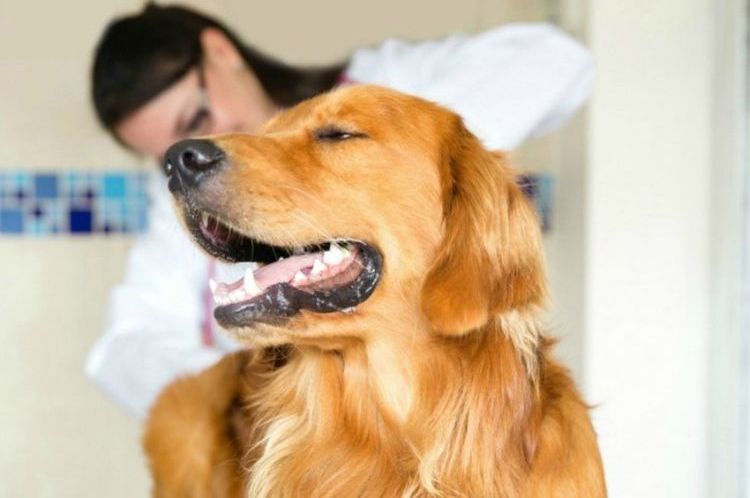
The primary treatment option for uncomplicated cases is mechanical cleaning. A single procedure is sufficient to stabilize the animal's condition. If necessary, additional treatments are prescribed:
- rinsing of glandular cavities with aseptic liquids;
- novocaine blockade to relieve pain;
- administration of antibiotics to neutralize purulent microflora.
In extremely severe situations or with frequent recurrence of inflammation, complete removal of the glands is used.
In any case, the decision must be made by a veterinarian. Self-medication or cleaning of the glands under the pet's tail when inflammation is already present is unacceptable. It's also important to remember that once the condition has appeared, it's impossible to completely eliminate it. To prevent further development of the disease, preventative cleanings should be performed every 3-6 months. If the glands become inflamed more frequently, it's best to remove them. The removal procedure is quite simple and allows the animal to return to normal activities within a day.
Diagnostics
Diagnosis begins with a detailed interview with the owner and a clinical examination of the dog by a veterinarian. If the inflammation is localized and in its early stages, a simple visual examination and palpation of the affected area are often sufficient.
In more severe or advanced cases of the disease, additional tests may be required to identify possible complications or the underlying cause of the condition. In such cases, the following are typically prescribed:
-
general clinical blood test;
-
biochemical blood test;
-
ultrasound diagnostics of the abdominal organs and reproductive system;
-
endoscopic examination of the rectum.
It's important to remember that without the necessary experience, owners may not always be able to recognize the problem on their own, especially if they haven't previously encountered a similar condition in their pet. Therefore, at the first sign of suspicious symptoms, it's recommended to consult a specialist.
Prevention
With proper care and attention to your dog's condition, inflammation of the gland under the tail can easily be avoided. To prevent the disease from developing, follow these recommendations:
- provide proper nutrition and active walking at least twice a day;
- prevent your pet from becoming overweight or becoming obese;
- carry out regular cleaning once every six months, and if there is a tendency to inflammation - every 3 months or as prescribed by a doctor;
- treat any intestinal disorders, helminthic infestations or infectious diseases promptly;
- Regularly perform hygiene procedures, checking the condition of the glands.
Important! If there is no inflammation, preventative cleaning of a dog's glands can be performed at home. However, please note that this procedure is associated with discomfort for both the animal and the owner, so if you are unsure, it is best to consult a veterinarian.
Furthermore, if all recommended preventative measures are followed correctly and regularly, this procedure may not be necessary at all. The key is to pay due attention to your pet and ensure an active lifestyle with proper nutrition and a strict daily routine.
Read also:
- Hookworm in Dogs: Symptoms and Treatment
- Urolithiasis in dogs: symptoms and treatment
- Vestibular syndrome in dogs: symptoms and treatment


Add a comment