
Inflammation of the salivary glands in dogs: symptoms and treatment
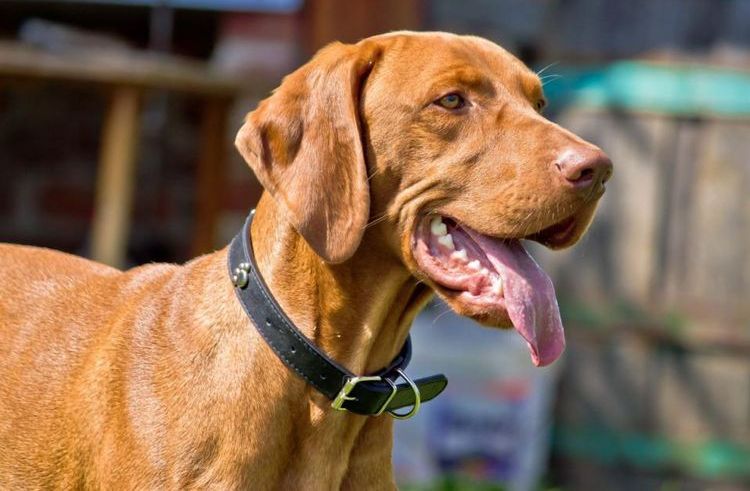
The salivary glands are several pairs of organs that produce a secretion essential for digestion, containing approximately 90% water and a variety of organic and inorganic compounds. There are sublingual, submandibular, parotid, and malar glands. Inflammation of the salivary glands in dogs can be non-infectious (a condition called sialoadenitis) or caused by bacteria, viruses, or fungi (mumps). The type of treatment required—medication or surgery—depends on the underlying cause.
Content
Reasons for development
Inflammation of the salivary glands of a dog can be caused by:
- Injuries to the gland;
- Penetration of pathogenic microorganisms into the gland tissue against the background of a decrease in the resistance (resistance) of the dog’s body;
- Spread of an infectious agent from other organs;
- Salivary duct stones that form when calcium metabolism or water-salt balance in the dog’s body is disrupted;
- Dental diseases (stomatitis, gingivitis, tooth root abscess);
- The presence of tartar blocking the salivary duct;
- Malignant or benign tumors of the salivary glands;
- Congenital or acquired anatomical anomalies of the organ;
- Frequent hypothermia of the animal.
According to dog breeders, some dog breeds have a genetic predisposition to developing this condition. German Shepherds are at risk. boxers, dachshunds, poodles, and greyhounds. Regarding the types of disease, sialadenitis is more common in young animals, while mumps is more common in dogs over 6 years of age.
Symptoms
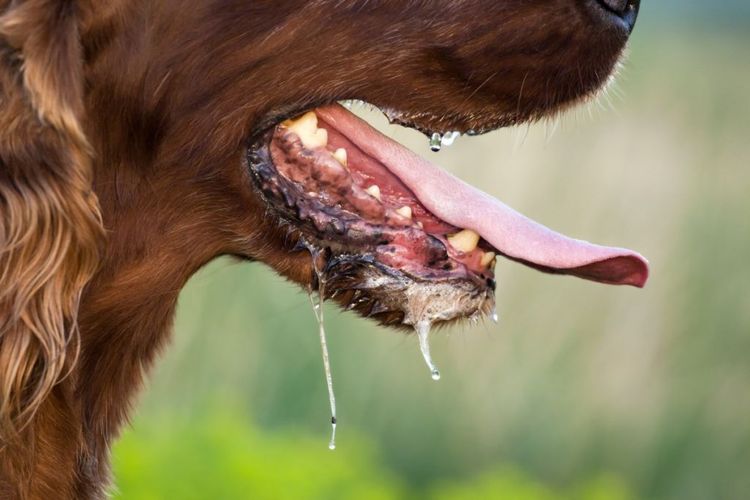
The clinical manifestations of the disease are quite characteristic and easy to detect. The most typical sign is excessive salivation. Other symptoms of inflammation of the salivary glands in dogs may include:
- Difficulty in eating - due to pain, the animal has difficulty swallowing.
- Swelling of the tissues under the jaw or below the ears causes swelling.
- The pain syndrome makes the dog avoid touching the head and neck.
- With infectious mumps, a local increase in temperature is often observed.
Caution! If an abscess forms on the inflamed area of the gland, it doesn't always burst on its own. A mature abscess causes severe pain, causing the dog to become restless and stop eating. A foul odor is released from the dog's constantly open mouth, and stringy saliva flows. If you notice these signs in your pet, take your dog to the veterinarian immediately: a salivary gland abscess can have very unpleasant consequences.
Diagnostics
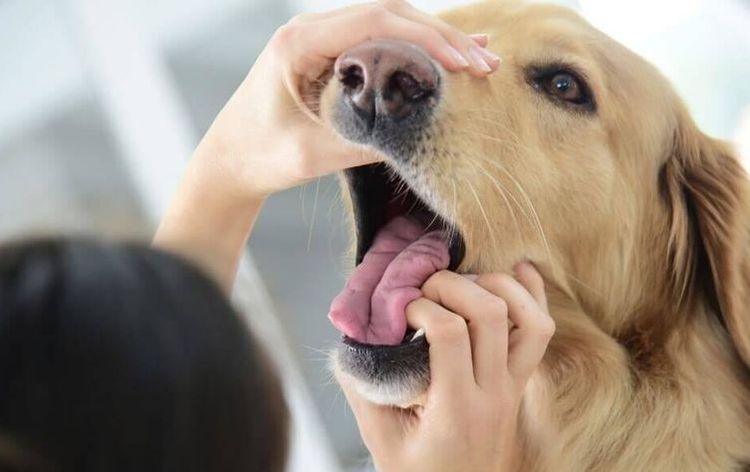
An experienced veterinarian can make a preliminary diagnosis by examining the dog and palpating the glands. To determine the cause of the salivary gland inflammation, the following will be required:
- blood test (if there is an inflammatory process in the body, the level of leukocytes in the blood will be elevated);
- Biopsy (such a study is necessary to exclude an oncological cause of the disease and to identify the type of pathogen if the pathology is of an infectious nature);
- X-ray or fluoroscopy of the skull (this allows us to detect such causes of the disease as the presence of a tumor, anatomical abnormalities in the structure of the organ, or salt conglomerates blocking the lumen of the gland ducts).
Treatment
The veterinarian's choice of treatment method for salivary gland inflammation in dogs depends on the underlying cause of the condition, and can be either conservative or surgical.
Drug therapy
Conservative treatment is usually used for the infectious form of the disease, mumps. The dog is prescribed antibacterial medications, the course of treatment lasting approximately two weeks. Before starting antibiotics, a sensitivity test is performed on the pathogen.
Symptomatic treatment includes the use of analgesics (Analgin, Baralgin, Revalgin, Spazgan). To relieve inflammation and pain, the animal may also be prescribed nonsteroidal anti-inflammatory drugs (Ibuprofen, Dexamethasone, Carprofen, Prednisolone). When an abscess forms on the gland, external medications with analgesic and anti-inflammatory effects are used (Vishnevsky liniment, Ichthyol ointment).
To improve the dog’s immunity, immunomodulators (Anfluron, Roncoleukin, Gamavitforte) and vitamins are prescribed.
Surgical treatment
Indications for surgery on the salivary gland are:
- penetrating wound,
- anatomical anomaly of the organ,
- a neoplasm or stone that narrows or blocks the ducts of the gland.
The operations are performed under general anesthesia, and in the postoperative period the dog is usually prescribed a course of antibiotic therapy.
Dog care recommendations
When treating salivary gland inflammation at home, keep your pet warm and completely restful. Your vet may recommend applying warm alcohol compresses and periodically applying heat to the inflamed area with a blue lamp (Minin reflector). To make swallowing easier, your dog's food should be lukewarm and semi-liquid.
Prevention
You can reduce the risk of developing an inflammatory process in the salivary glands of a dog by following a number of simple recommendations:
- try to prevent head injuries to the animal;
- avoid frequent hypothermia;
- timely remove tartar from a dog's tartar and treat dental diseases.
A standard preventative measure for any disease is regular visits to a veterinary clinic for preventive examinations.
Read also:
- Viral papillomatosis in dogs: symptoms and treatment
- Inflammation of the glands in dogs: symptoms and treatment
- Ultrasonic teeth cleaning for dogs


Add a comment