
Pneumonia in dogs: symptoms and treatment
Pneumonia (inflammation of the lungs) in dogs is a serious respiratory condition that requires immediate treatment. At the first sign of illness, it's essential to take your pet to a veterinarian immediately. A specialist will advise you on the most effective treatment options to minimize damage to your pet's health and reduce the risk of complications.
Content
- 1 Description of the disease
- 2 Symptoms
- 3 Pulmonary edema as a complication of pneumonia
- 4 Pleurisy is a common complication of pneumonia.
- 5 Lung abscess and gangrene: serious consequences
- 6 Additional causes of inflammation: fungal and parasitic
- 7 Diagnostic standards and monitoring
- 8 Diagnostics
- 9 Treatment
- 10 Table: Prognosis depending on the type of pneumonia
- 11 How to help your dog at home during treatment
Description of the disease
Pneumonia affects the lower respiratory tract, causing swelling, infiltration, and impaired gas exchange. Pneumonia negatively impacts the entire body, as every cell suffers from oxygen deprivation. The disease causes severe intoxication and can lead to exhaustion.
There are several main types of pneumonia, which differ depending on the pathogen:
- fungal - most often caused by fungi from the blastomycetes, histoplasma and aspergillus groups;
- viral – is a consequence of the parasitic effect of a viral infection (for example, viral plague of carnivores);
- parasitic – occurs as a result of the vital activity of helminths and some roundworms;
- bacterial – caused by bacterial agents of various kinds.
The most common type of pneumonia is bacterial. The following bacteria can cause it:
- Bordetella bronchiseptica;
- Escherichia coli (Escherichia coli);
- Klebsiella pneumoniae;
- Pseudomonas (Pseudomonas aeruginosa);
- Staphylococcus;
- Streptococcus pneumoniae.
Half of cases occur in young dogs under one year of age. Male dogs are statistically more likely to be affected. A genetic predisposition to respiratory diseases, including pneumonia, has been found in sporting breeds (such as hounds).
Infection can reach the lungs through inhalation of an infectious agent, aspiration (inhalation of stomach contents), or as a result of a weakened immune system. Causes of pneumonia include the following:
- severe course of an infectious disease;
- coma;
- transferred anesthesia;
- vomit;
- metabolic disorders (diabetes mellitus);
- immunodeficiencies;
- chest injury or surgery.
As a result of the formation of a microbial focus, the natural functions of the respiratory tract are disrupted. Pathological exudate begins to accumulate in the affected area. Metabolic disturbances occur in cells. Severe cases of the disease lead to necrosis of the lung tissue.
Symptoms
Pneumonia in dogs is characterized by several signs that can help owners quickly suspect the illness and seek help. When the first symptoms appear, a visit to the vet should not be delayed, as the infection can progress very quickly, leading to fatal consequences.
The main symptoms of pneumonia include:
- CoughThis is a leading sign of respiratory distress. It may indicate pneumonia, other conditions (bronchotracheitis, tonsillitis, chronic sinusitis), or a foreign body entering the bronchi. A cough requires a mandatory examination at a veterinary clinic.
- Fever. This indicates the active phase of the inflammatory process.
- Intoxication – lethargy, weakness, loss of appetite.
- Heavy breathing, shortness of breath.
- Vomit.
- Weight loss.
- Rapid pulse.
As the disease progresses, it's important to monitor the animal's condition over time. Detailed descriptions of behavioral changes should be provided to the veterinarian. This is necessary so the doctor can fully assess the situation and choose the most appropriate treatment strategy.
Pulmonary edema as a complication of pneumonia
One of the serious but rarely disclosed complications ispulmonary edema, in which fluid accumulates in the alveoli, interfering with gas exchange. The causes can vary, including severe infection, chest trauma, and heart failure. It's important for the owner to recognize:
-
that breathing becomes rapid, shallow, with gurgling sounds when exhaling;
-
cyanosis of the mucous membranes or wet rales during auscultation are possible;
-
the condition is rapidly deteriorating - urgent assistance and emergency hospital treatment are required.
X-rays, blood gas analysis, and chest ultrasound can help detect edema. Emergency administration of oxygen, diuretics, and cardiac stress relief are effective.
Pleurisy is a common complication of pneumonia.
Pleurisy— inflammation of the pleural sheets, accompanied by the accumulation of exudate in the pleural cavity. This is not a separate disease, but a common accompaniment to pneumonia or lung injury. There are several types:
-
dry (fibrinous);
-
exudative (serous, purulent, hemorrhagic).
Symptoms: shallow abdominal breathing, chest tenderness, fever, decreased appetite and activity. Auscultation reveals dullness, and percussion reveals increased coughing pain. Laboratory findings include leukocytosis and an elevated ESR.
Treatment includes fluid removal (thoracentesis), broad-spectrum antibiotics, physiotherapy (inhalation, drainage), immune and nutritional support.
Lung abscess and gangrene: serious consequences
With prolonged inflammation, development is possiblelung abscess— a limited cavity with pus, surrounded by an infiltrate. Often the causative agent is Staphylococcus aureus. It can develop into pulmonary gangrene if the abscess remains unopened.
The diagnosis is confirmed by X-ray (a darkened area with a fluid level appears), bronchoscopy, and blood tests. Treatment includes:
-
drainage (percussion, puncture, bronchoscopy),
-
high-dose antibiotics,
-
stimulation of immunity, nutrition, hemosorption, plasmapheresis,
-
if ineffective, surgical intervention.
If therapy is started in a timely manner, the prognosis is favorable.

Additional causes of inflammation: fungal and parasitic
Bacteria aren't always to blame. In rare, but not uncommon, cases of pneumonia in dogs are caused by:
-
mushrooms: Aspergillus, Cryptococcus, Histoplasma, Blastomyces. Fungal pneumonia requires long-term treatment with antifungal drugs.
-
parasites, especially lungworms—Oslerus osleri, Crenosoma vulpis, Paragonimus, and Angiostrongylus. Symptoms include a chronic wet cough, weight loss, and apathy. Diagnosis requires stool analysis, bronchoalveolar lavage, and fecal imaging.
Diagnostic standards and monitoring
Reliable diagnostics are the key to successful therapy:
-
X-ray examination— assessment of the lobar structure, presence of fluid, darkening;
-
biochemical and general blood analysis- signs of inflammation, toxicosis, causes;
-
pulse oximetry and blood gas analysis— assessment of oxygen saturation and respiratory function;
-
lavage, bronchoscopy and culture— allow you to identify the pathogen and select an antibiotic based on its sensitivity;
-
if necessary -CT or MRI of the chestto more accurately determine the affected areas.
Diagnostics
Diagnosis of the disease will include laboratory and instrumental examination methods. Also, in certain cases, differential diagnostics will be required to rule out other pathologies with similar symptoms.
During a physical examination, the veterinarian will take the dog's temperature, evaluate breathing, cough, and the presence of sputum. Auscultation will reveal wet rales.
To determine the disease, the doctor may prescribe the following tests:
- Chest X-ray is one of the main diagnostic methods. The image clearly shows the site of inflammation, its boundaries, and its extent. Depending on the extent of the lesion, the infection may involve a specific section of the bronchopulmonary tree or a lung lobe.
- Blood test. An elevated white blood cell count, elevated erythrocyte sedimentation rate (ESR), and a left lobular shift indicate an inflammatory process.
- Sputum culture and bronchoalveolar lavage analysis are necessary to determine the type of pathogen, which is essential for effective treatment.
- Stool analysis for parasites.
- Other types of diagnostics, such as bronchoscopy and puncture of the affected area, are performed in complex or non-standard cases.
Treatment
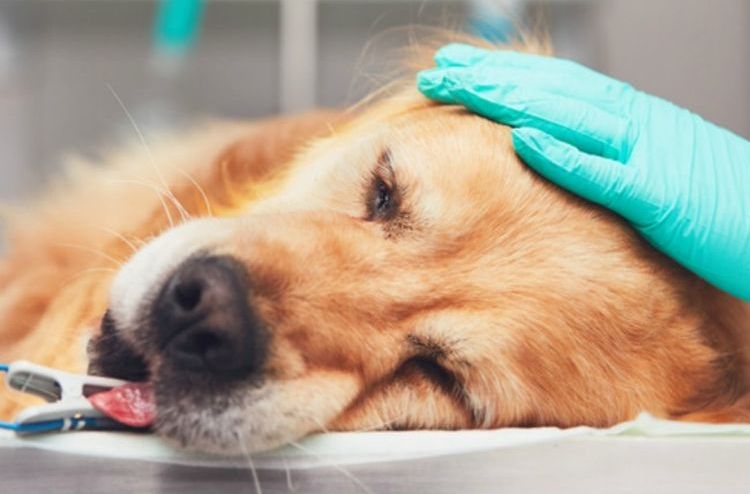
A dog can be treated for pneumonia at home or in a hospital. A veterinarian will assess the animal's condition, and if it is not life-threatening, the owner will be given further care recommendations. Inpatient treatment is aimed at stabilizing the animal's condition so that further treatment can be carried out at home until full recovery.
Any form of pneumonia treatment will include conservative medication and physical therapy. Surgery may be required in severe cases involving an abscess, necrosis, or the presence of a foreign body surrounding the inflammation.
Conservative therapy will include:
- Antibiotics. Initially, treatment begins with broad-spectrum antibiotics. This is because bacterial cultures that identify the pathogen will be ready in 3-5 days, depending on laboratory performance. However, treatment must be started immediately, as the risk of rapid progression of the inflammatory process is too high. Subsequently, based on the bacterial culture results and a dynamic assessment of the dog's condition, antibiotic therapy can be adjusted. Antibiotics can be prescribed as tablets or injections, depending on the dog's condition.
- Antiviral medications. These are prescribed for viral infections. However, the use of antibiotics is not excluded, as secondary bacterial infections are quite common.
- Antifungal drugs (in case of fungal pneumonia).
- Mucolytics are expectorants that stimulate the removal of phlegm from the lungs.
Physiotherapy will include a special massage performed by tapping the chest. This is necessary to more quickly remove mucus from the lungs. It should be performed 3-4 times a day. Light physical activity will also be helpful.
Your pet's diet should be high in protein and easily digestible. If your pet is severely undernourished, infusion therapy may be recommended (administered in a hospital setting).
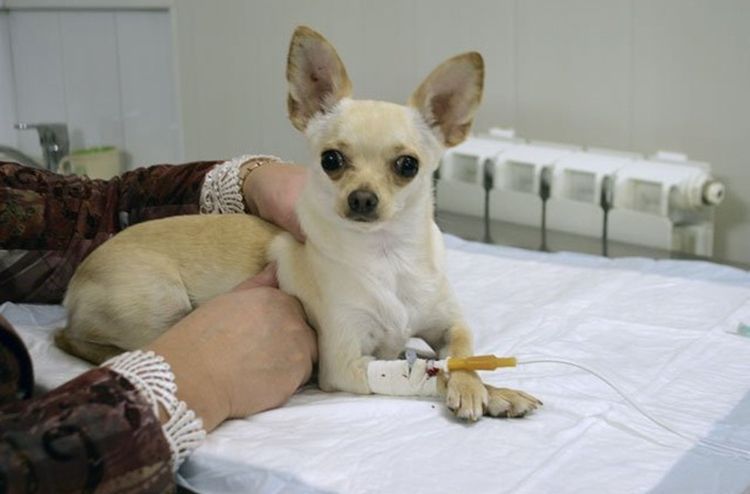
In particularly severe cases of respiratory failure, oxygen therapy and artificial ventilation may be required.
Table: Prognosis depending on the type of pneumonia
| Type of inflammation | Features of the flow | Prognosis with treatment |
|---|---|---|
| Acute bacterial | It begins acutely, has bright symptoms, and often regenerates. | Good with timely treatment |
| Aspiration | Rapid degradation, risk of abscess and edema | Average, depends on the cause and treatment |
| Fungal | A protracted chronic process that requires long-term treatment | Severe, requires long-term therapy |
| Obstructive (parasitic) | Frequent relapses, complicated by bronchoexudate | Moderate, depending on parasite control |
| With edema or pleurisy | Worsens the condition of the respiratory system | Complex, resuscitation measures are possible |
| Lung abscess | Limited purulent process, risk of gangrene | Moderate, with treatment availability |
How to help your dog at home during treatment
After the clinic, it is important for the owner to ensure:
-
rest and limitation of physical activity;
-
moist, warm air (use a home humidifier or a nearby sauna shower);
-
plenty of fluids and food - if necessary, add appetite suppressant tablets or a feeding tube;
-
maintaining hygiene (changing bedding, clean water, wet wipes);
-
regular monitoring of temperature, respiration and activity;
-
timely repetition of tests and x-rays to monitor the dynamics.
Treatment for pneumonia in dogs can take several weeks. During this time, it is essential to strictly follow your doctor's recommendations. Periodic laboratory and radiographic examinations will be required to monitor the effectiveness of the treatment.
Read also:
- Kennel cough in dogs: symptoms and treatment
- Why a dog loses consciousness: reasons and what to do
- Why does a dog scratch itself?


Add a comment