
DIY cat collar
Barrier therapy is a key factor in a pet's rapid recovery post-surgery. This involves using a protective collar to prevent scratching and licking of wounds. Let's take a closer look at what a cat collar should look like and how to make one yourself.
Content
What should an Elizabethan collar look like?
The Elizabethan collar is a cone-shaped design with the brim forming a barrier around the head.
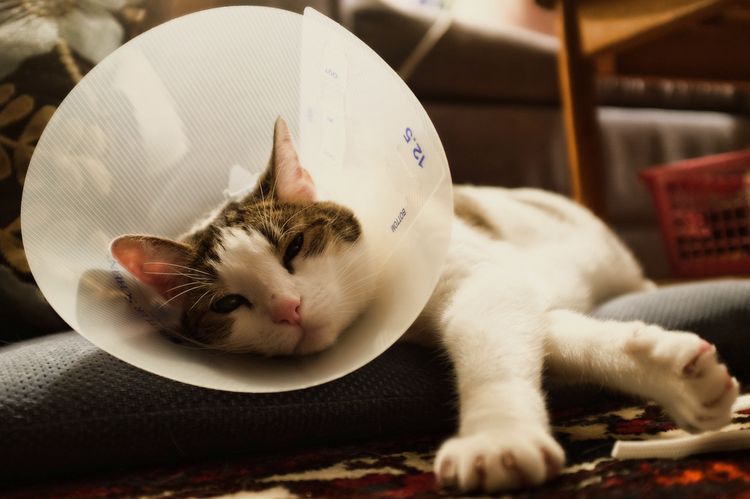
It's very helpful during the post-operative period, when it's necessary to protect the animal's wounds from scratching, chewing, and licking. Some owners also use it when treating their pet's fur with antiparasitic medications containing toxic components or hormonal agents.
A protective collar for cats can be purchased at a veterinary clinic or made at home. Regardless of the design, the most important requirement is that it be as comfortable as possible for the animal. The collar, when wrapped around the head, should not rub the neck or interfere with breathing.
Made of thick fabric
This soft protective collar for cats after surgery offers exceptional comfort. It's ideal for delicate kitties who don't like being restrained. The collar is lightweight and comfortable, making it ideal for sleeping.
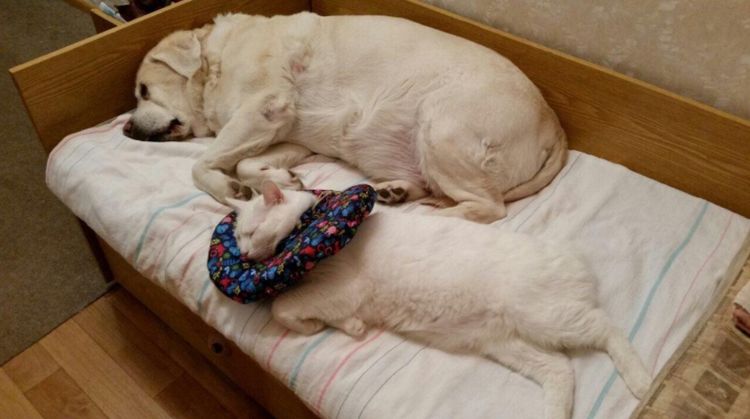
Sewing this collar for a spayed or neutered cat doesn't require any advanced sewing skills. The product consists of just two identical pieces made from natural fabrics. Between them, a thicker fabric or multi-layer lining is used as a layer, reinforced with diamond stitching. To give the collar the desired shape, the opposite edges are lined with strips of Velcro.
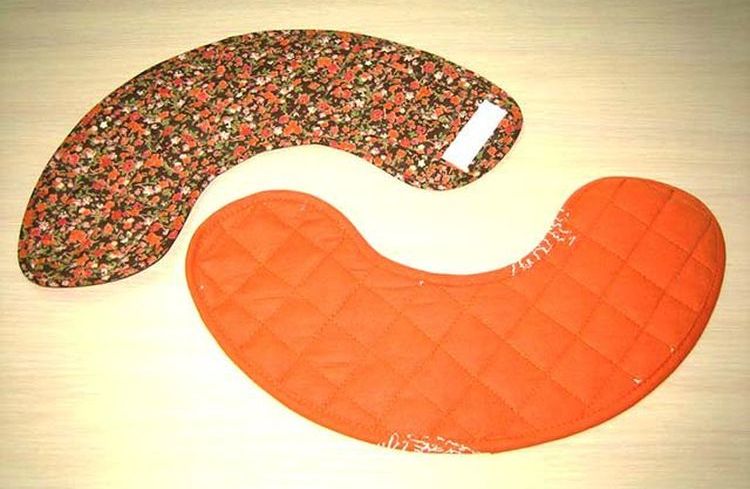
The pattern resembles the letter "C" in shape. The length and width are selected depending on the cat's size.
To correctly draw up a pattern, take 2 measurements:
- neck circumference - it will correspond to the length of the inner semicircle;
- The length of the neck from the point where the garment is placed to the tip of the nose is the width of the future collar
Draw a semicircle corresponding to the inside of the garment on paper or directly onto the fabric. Then, mark off the specified width and duplicate the line, creating an outer semicircle. Cut out the pieces, remembering to allow for seam allowances. Place the pieces right sides out, sandwiching a thick layer of fabric between them. Stitch the pieces together. To increase the rigidity of the garment, stitch a piping made of a thick material along the outer edge.
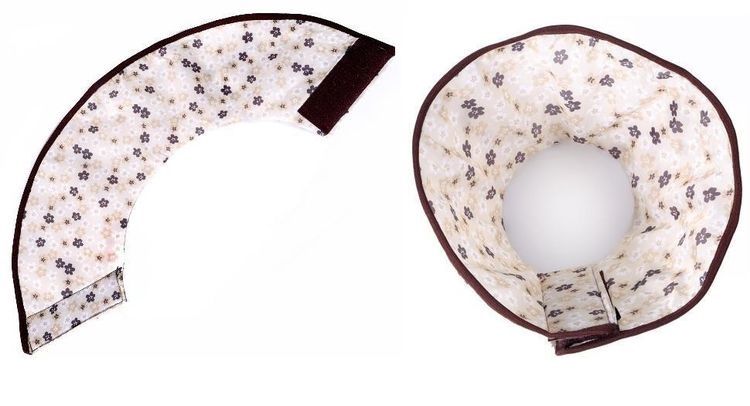
Despite the simplicity of execution, this option is convenient in that it has an aesthetic appearance and at the same time copes well with the task assigned to it.
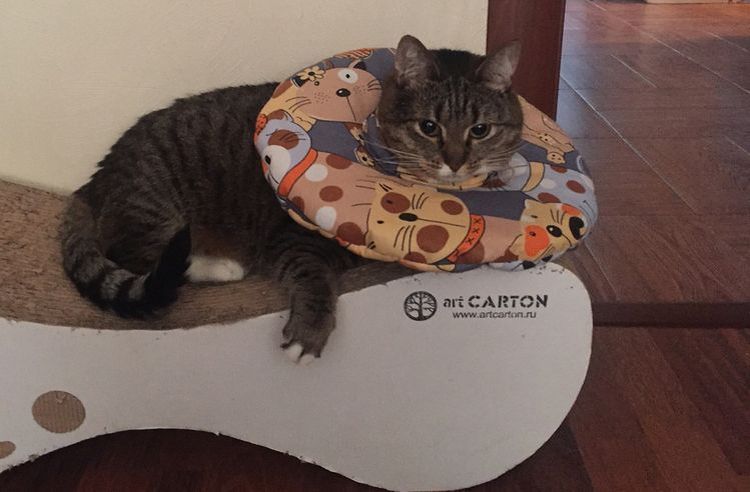
However, it's not suitable for active pets, as regular protests and attempts to tear the collar off will cause it to deform and not provide adequate protection. The only solution is to observe your pet's behavior and, if necessary, replace the soft collar with a more rigid one.
Plastic cone
If your cat is restless and persistent, it's best to use a more rigid collar during the post-surgery period. To make a rigid collar for your cat after neutering, it's best to use flexible plastic.
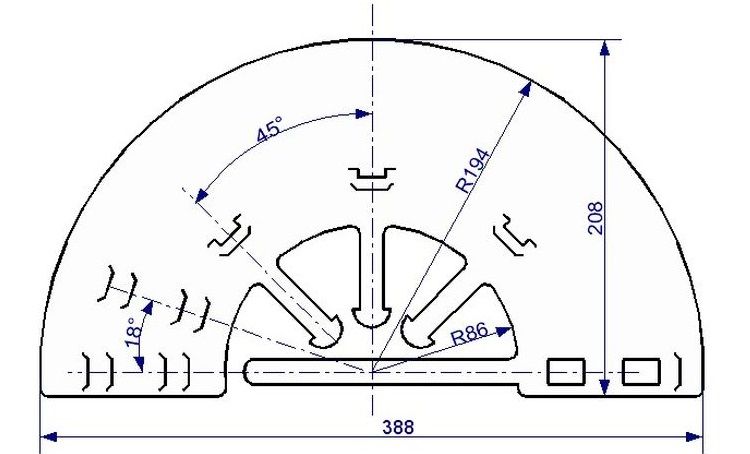
To make things easier, use this pattern as a basis. It's best to print it out first and then transfer it to the plastic.
If you have a large bottle with smooth walls, you might be able to create the desired piece from it. Simply place the printed pattern on the surface and trace around the outline.
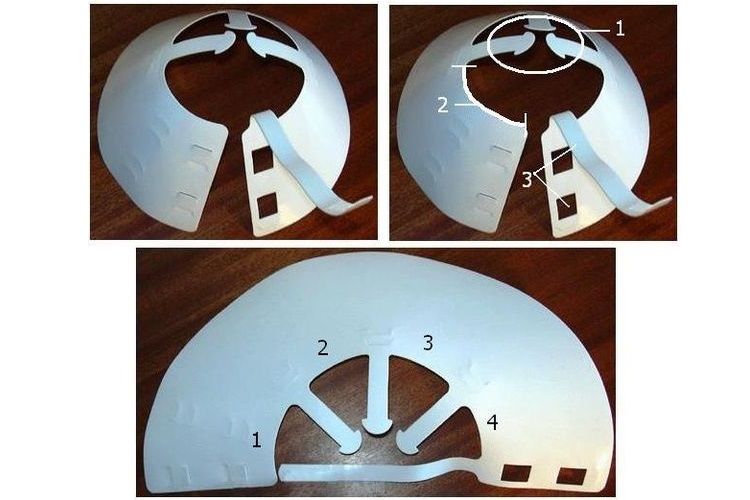
The numbers in the photo indicate: 1 – straps for wrapping around the collar, 2 and 4 – places of sharp edges of the product, 3 – clasp.
To assemble the structure, all that's left to do is fold the three radial strips in half. Then, thread the collar through them. harnessThe longest strip is used to connect the edges. Simply thread it through the slits.
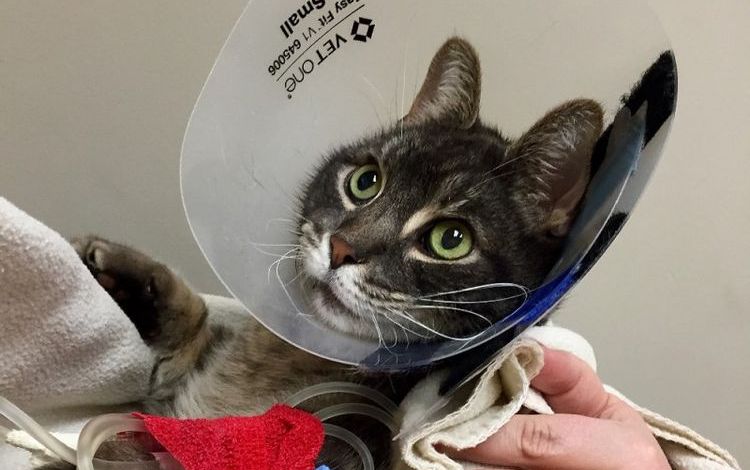
Important! The main consideration when creating a collar like this is to minimize the risk of injury. The edges shouldn't be sharp, otherwise they'll cut or chafe the cat's delicate fur. It's best to secure them with tape or a strip of fabric.
Another interesting, yet quite simple to make, option based on a stationery folder is described in detail in the video:
If you wish, you can limit yourself to the option of making a collar for cats, which is easy to make with your own hands from a bottle.
The base of the device was a plastic bottle. The top was cut off, and the sharp edges were taped. Holes were made in four equally spaced places, through which strings were threaded to secure it to the collar.
Please note! To prevent chafing, there should be a finger-width gap between the collar and your pet's neck. Too much of a gap is bad, as it can easily allow your cat to remove the collar with its hind legs.
Even if your pet has a calm disposition, securing the collar is essential. As an alternative to taping, sharp edges can be melted. A visual inspection will help determine whether additional insulation is needed in areas adjacent to the fur. Redness may begin to appear within 20-40 minutes of putting the collar on.
Made of cardboard
As a temporary solution, you can use a cardboard collar for your cat, which is easy to make yourself.
It's best to use thick packaging cardboard for this purpose. Old boxes and crates are good options. Some people opt for corrugated cardboard, but it's not as easy to work with and carry.
To create a pattern, draw a semicircle on cardboard. The key is to base all calculations on the measurements you've taken beforehand.
Fold the piece to the desired shape and try it on your cat. Border all cut lines with piping. You can choose any closure: a strap system or lacing.
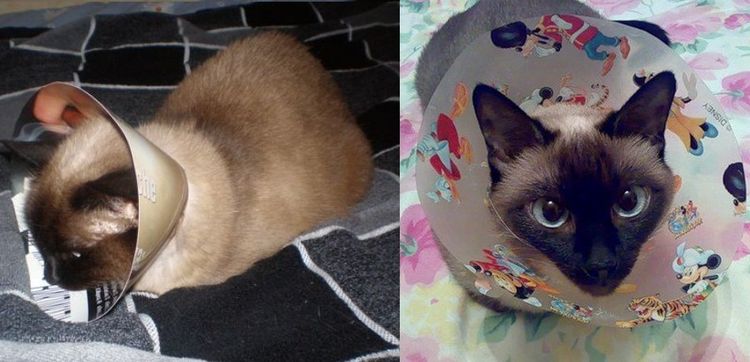
Be prepared for the fact that, regardless of the design, your pet won't be particularly thrilled with the collar. Therefore, be patient and try to make your pet's life as comfortable as possible while wearing the restraining device.
How to make a protective collar for a cat: video
Read also:
- DIY Cat Bed: How to Make It
- How to make a cat collar yourself
- DIY cat blanket for post-operative use


Add a comment