
What kind of animal is a wombat?
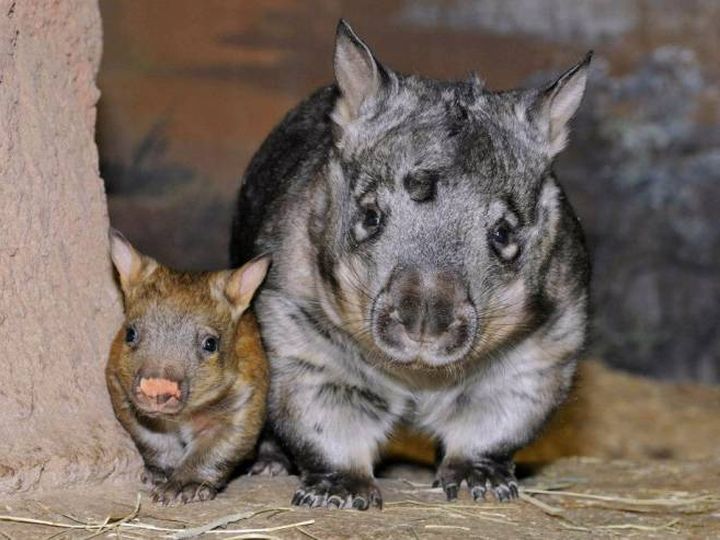
Wombats have been on Earth for 18 million years and are now found only in Australia. They are the largest of all burrowing mammals, and their family includes three species: Lasiorhunus latifrons (long-haired wombats), Vombatus ursinus (short-haired wombats), and Lasiorhunus krefftii (Queensland wombats).
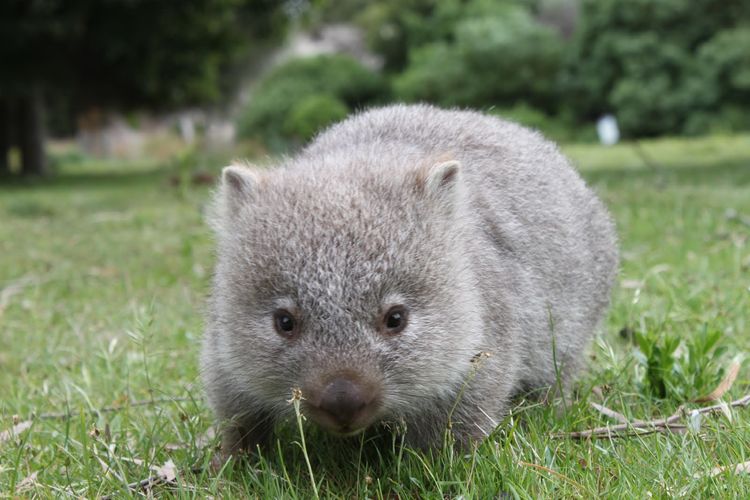
Appearance and lifestyle
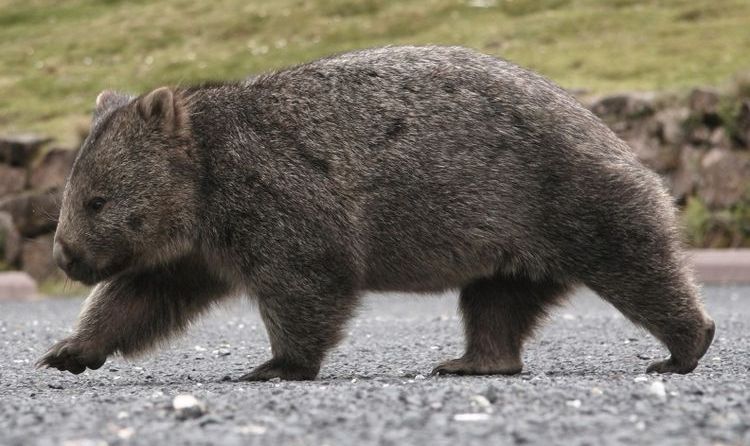
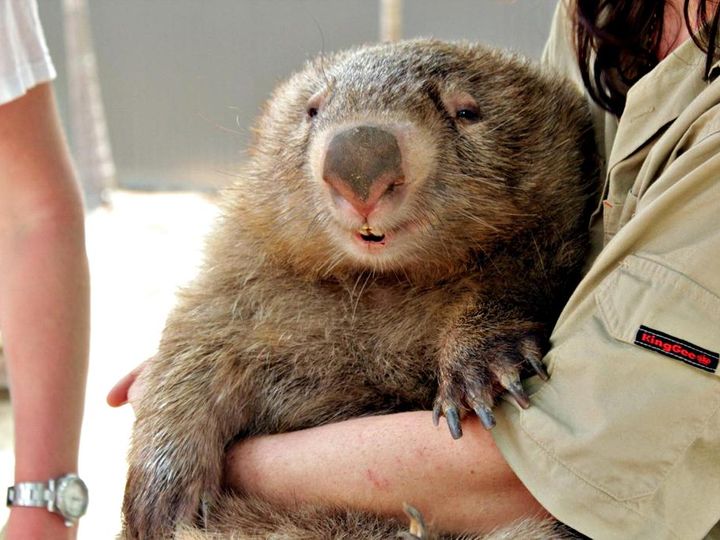
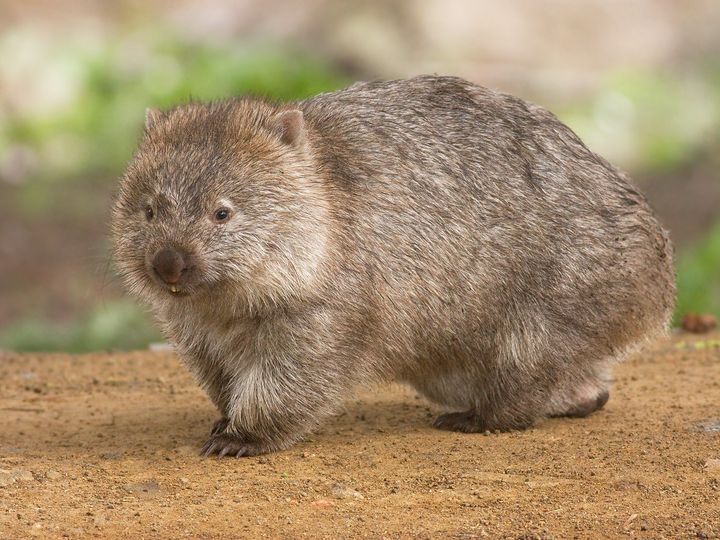
An adult wombat is the size of a small bear cub (0.7–1.2 m in length and weighing 20–40 kg). These animals have an incredibly attractive appearance: a plump body covered in thick, coarse fur, short, club-footed legs, and round, button-like eyes make them irresistible.
Nature has equipped this marsupial with excellent entrenching tools: its paws are equipped with large, strong claws that are perfect for digging. Therefore, the wombat spends most of its day underground, emerging for a few hours to feed and sunbathe. Its habitat is a multi-room burrow-apartment, connected by underground passages.
Interestingly, legend has it that Australia's copper deposits were discovered thanks to wombats—people found pieces of metal near their burrows. Apparently in gratitude, residents of South Wales named a village "Wombat," and astronomers have given this name to a Main Belt asteroid.
The tunnels and corridors dug by wombats reach 20 meters in length and 3.5 meters in depth, and their home ranges can cover up to 25 hectares. These marsupials do not live in packs, but the burrows of neighboring families are usually located close to each other. Often, the tunnels belonging to different families intersect, and the animals then share them.
The wombat is a rather slow animal by nature, but in a critical situation it can run as fast as a car—up to 60 km/h—and can swim and climb trees. However, when threatened, it usually rushes to its burrow, burrows its upper body, and "plugs" the entrance with its thick rear. If an enemy does manage to penetrate the burrow, the owner can simply strangle it by pinning it to the wall with its powerful, hard rear. In fact, the wombat has virtually no natural enemies, with the exception of the dingo, the bane of all Australian marsupials.
The wombat is a herbivore, feeding on grass, plant roots, berries, and mushrooms. It has only 12 teeth, but its divided upper lip allows it to "cut" grass almost to ground level. Wombats have a very efficient, and therefore slow, metabolism. It takes them almost two weeks to digest their food. This animal drinks very little water, only 22 ml per kilogram of body weight per day, second only to the camel in water efficiency.
Interesting fact: The wombat's digestive tract is very unusual. Its intestines are lined with horizontal grooves, which form the wombat's feces into cubes. This digging marsupial produces 80 to 100 dry, compact "bricks" per day. These cube-shaped feces don't roll off the surface of rocks or logs, allowing the animal to use them as a means of marking its territory.
Raising offspring
The average lifespan of a Vombatus is 15-18 years, reaching sexual maturity at age 3. A female gestation period lasts just under a month, resulting in the birth of one, or rarely two, young weighing approximately 0.5 kg.
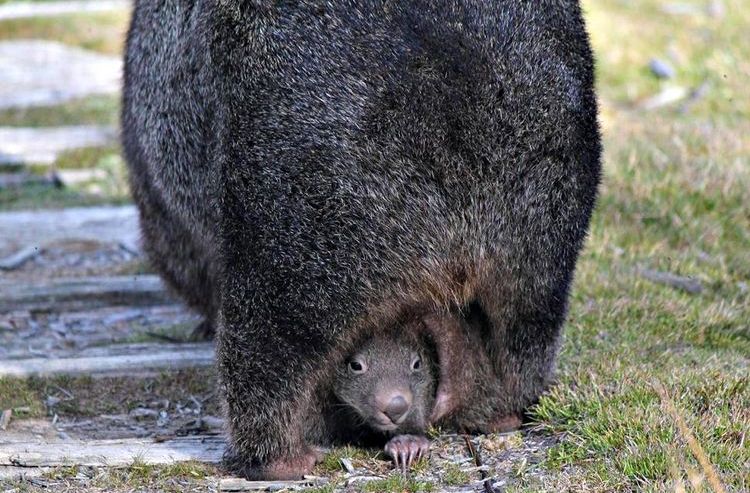
The offspring spends more than six months in the mother's pouch, where they are provided with warmth, food, and protection. The wombat's pouch has two nipples, and the opening faces backward. This allows the mother to engage in digging while her offspring is "at home."
Once the cub is old enough to feed itself, it moves to a burrow, where the mother brings it grass and roots, crushing them with her teeth. The period of raising the offspring lasts about a year, after which the young wombat goes freelance.
Domestication and captivity
Wombats are peaceful and only display aggression in situations they perceive as dangerous. Australians often keep these marsupials as pets. Tame animals become attached to their owners and follow them around like devoted dogs. City apartments are not suitable for them; the best habitat is a large garden plot where they can dig burrows and hide.
Funny wombat quirks: Pet wombats often develop a taste for foods unavailable to them in the wild. In his book "The Animal World," the English naturalist Charles Cornish described a true story of a wombat addicted to milk, constantly searching the house for the coveted beverage, drinking as much as he could, and then bathing in the leftovers.
Vombats are prohibited from being exported from Australia. Only reputable zoos that guarantee proper living conditions can purchase them with a special permit. In their native land, an adult wombat can be purchased for $500-$1,000.
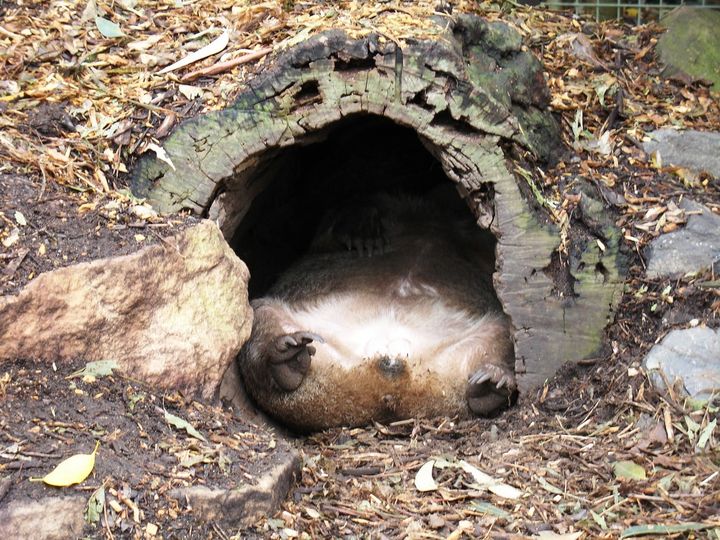
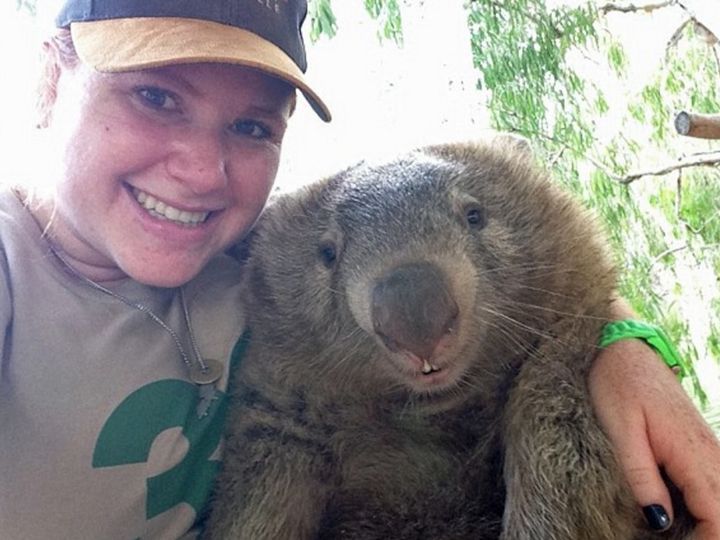
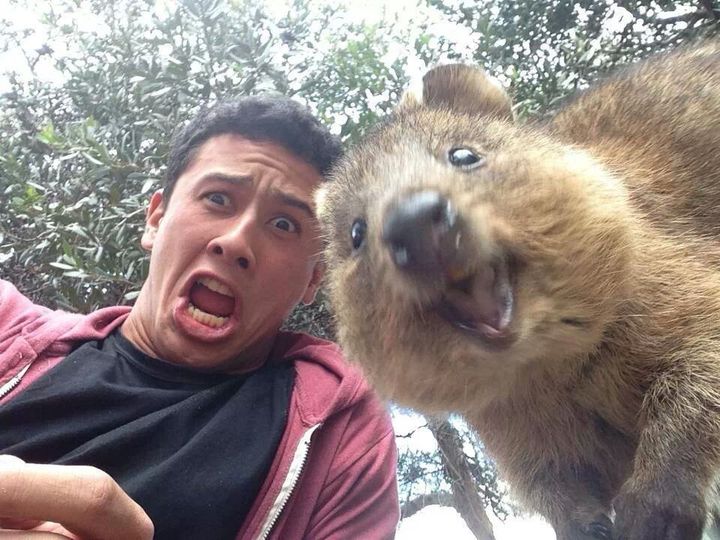
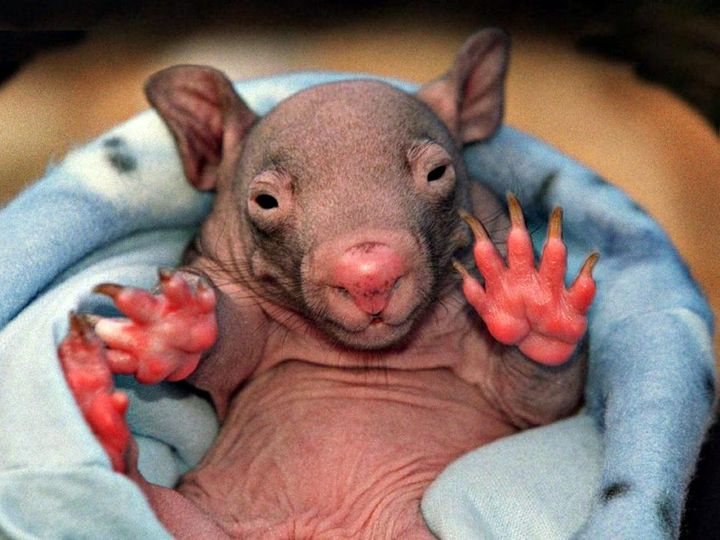
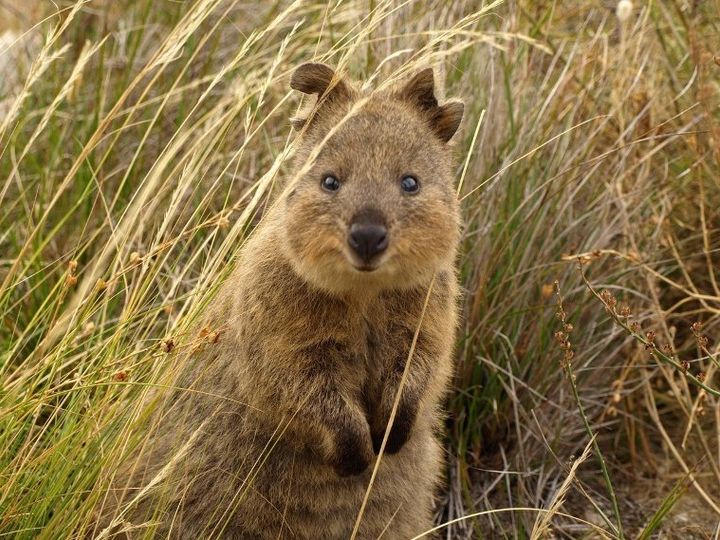
More funny wombats in our photo gallery:
Read also:


Add a comment