
Wolfdogs - characteristics of the dog breed
Several breeds created by crossing wolves and dogs are officially recognized worldwide. The Russian wolfdog is not registered internationally, but is a striking example of a hybrid breed, combining characteristics of both its parents—wild animal and domestic pet. Its resemblance to the predator is confirmed by numerous photos posted by owners online. The price of wolfdog puppies in Russia remains stable at around 50,000-100,000 rubles.
Content
Story
The Russian wolfdog is a descendant of Naida, a domesticated purebred she-wolf. The name is a contraction of the words "wolf" and "dog." Breeding was carried out by the military, with an emphasis on the qualities required of service dogs. Therefore, domestic wolfdogs are not suitable for domestic use.
In 2003, V. Kasimov, a professor in the Department of Cynology, mated a female predator with a male German Shepherd. The female produced viable offspring with the mother's appearance. As the puppies matured, it was discovered that they had inherited their father's receptivity to training. Selection continued in Perm, at the Institute of Internal Troops.
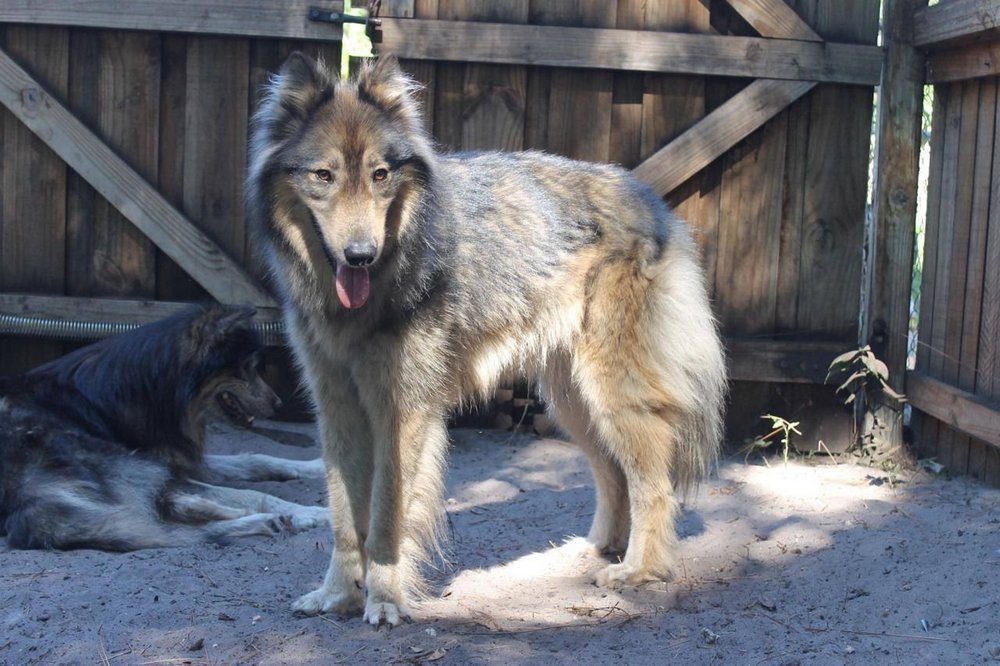
Further crossbreeding was carried out using purebred predators and German shepherds. Cynologists sought to develop the offspring with the abilities necessary for dogs serving on the border, in the Ministry of Internal Affairs, and in military units. This practice is not new in cynology. Natural crossbreeding between the two species periodically occurs in nature, and artificial hybrid breeding has been practiced in other countries.
In China, crossbreeding with wild animals was used to develop the Kulmin Shepherd Dog, in the Netherlands SarlosaIn Czechoslovakia – wolf dog.
Description
There are no strict criteria for the wolfdog breed, as it is not recognized by the International Cynological Federation. Therefore, when purchasing a puppy, people are guided by accepted international standards.
Main characteristics:
- Volokosoby dogs have strong bones and a lean build.
- The height at the withers reaches 60-70 cm.
- Weight ranges from 30 to 50 kg, with large individuals weighing 65-70 kg.
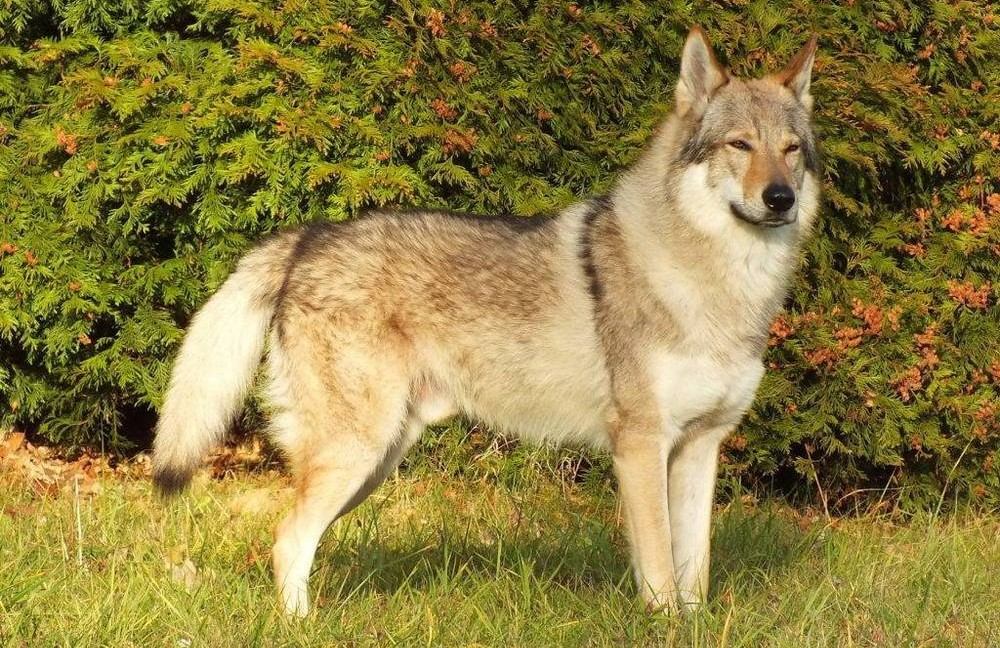
The exterior is as close to that of a wolf as possible:
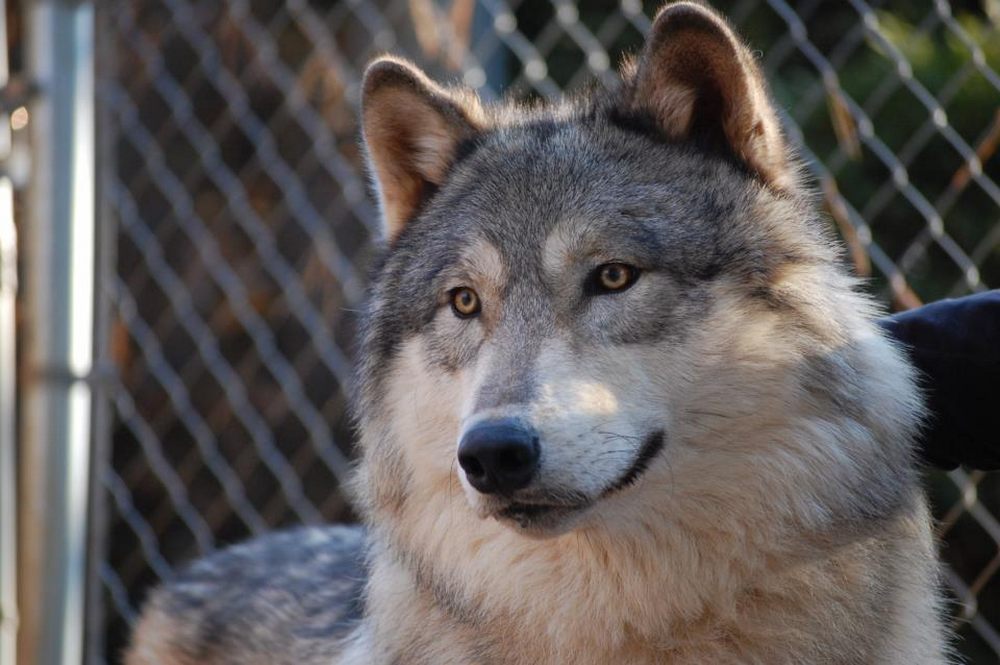
- A strong, dry neck, a large head with a broad forehead, and an elongated muzzle with a large nasal lobe.
- The erect, medium-sized ears are set high.
- The eyes are almond-shaped and medium in size. The iris is amber or brown. The gaze is intense, searching, and alert.
- Symmetrical jaws, pincer-like bite, typical of wolves. Canines are large and very sharp.
- A straight back looks powerful. The chest doesn't reach the elbows and has a well-developed, muscular core.
- The legs are straight and close together. The tail is long and thick, with a high base.
- The wiry, straight coat of medium length lies close to the body. The undercoat is thick and dense.
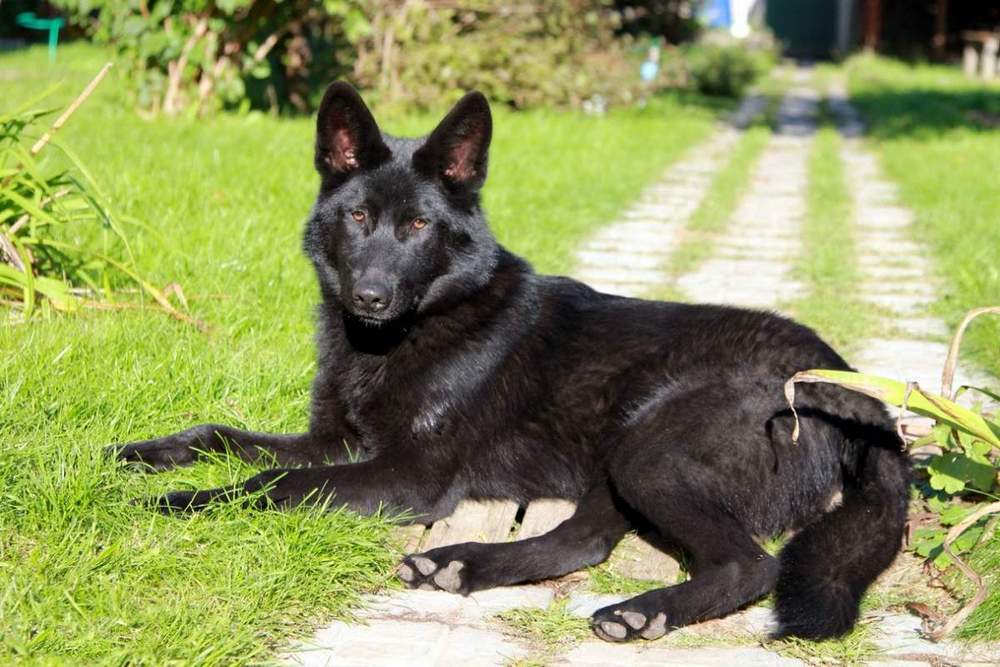
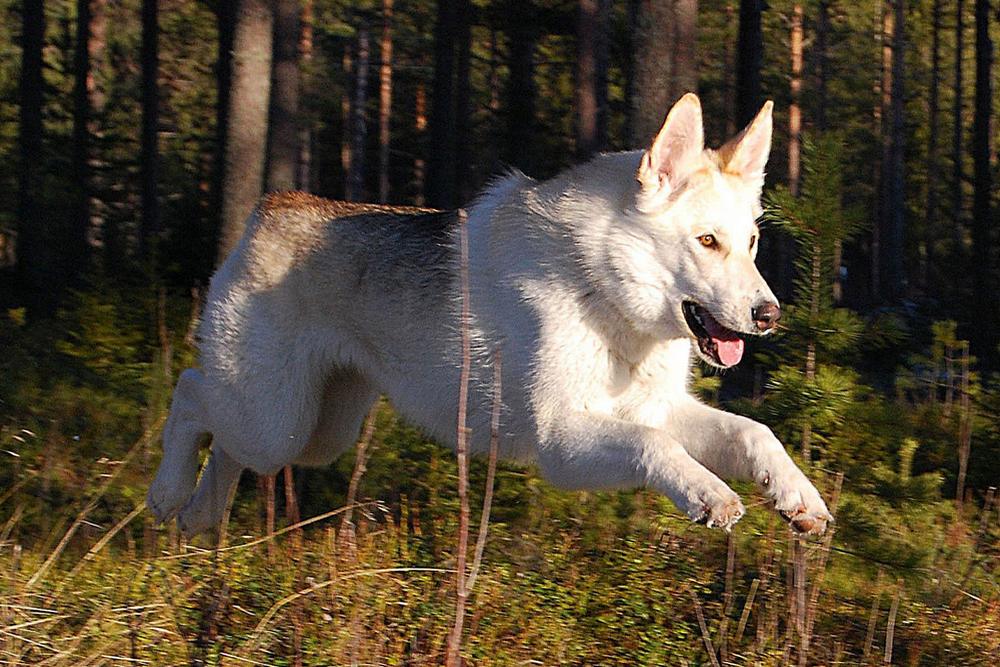
- The color depends on the color of the four-legged friend that participated V matingThe main options are gray, off-white, black, and a mixture of several shades.
- The crossbreeds are smaller than the purebred predator, have good intelligence, high sense of smell and endurance.
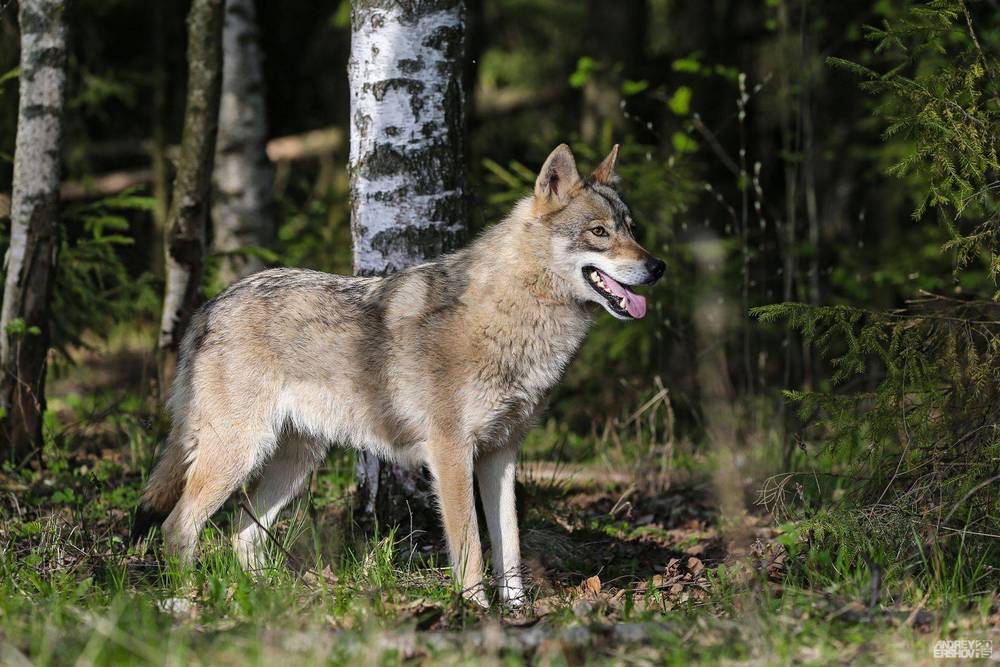
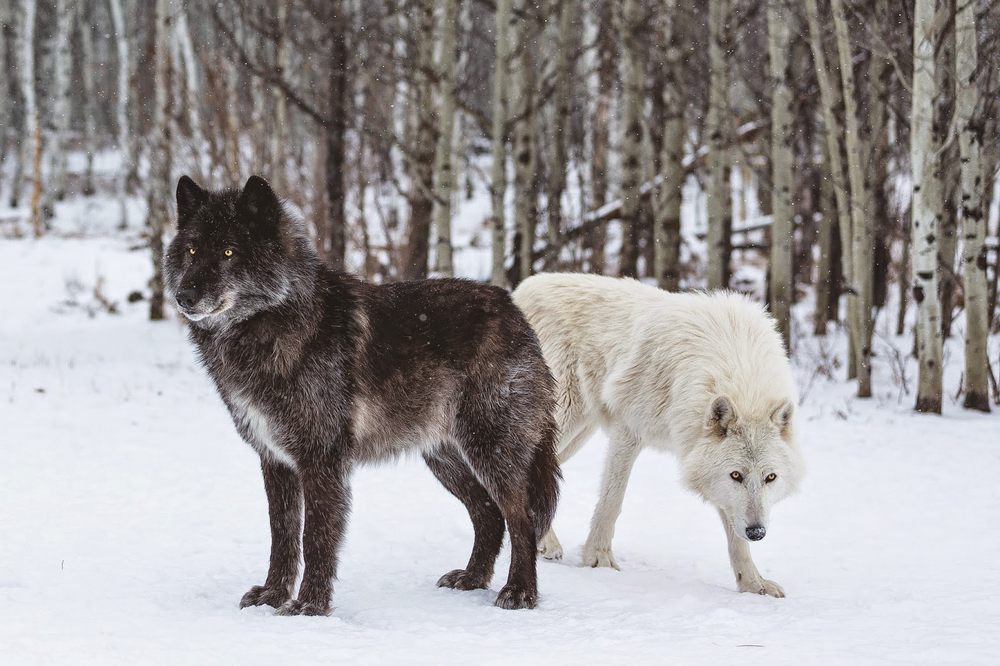
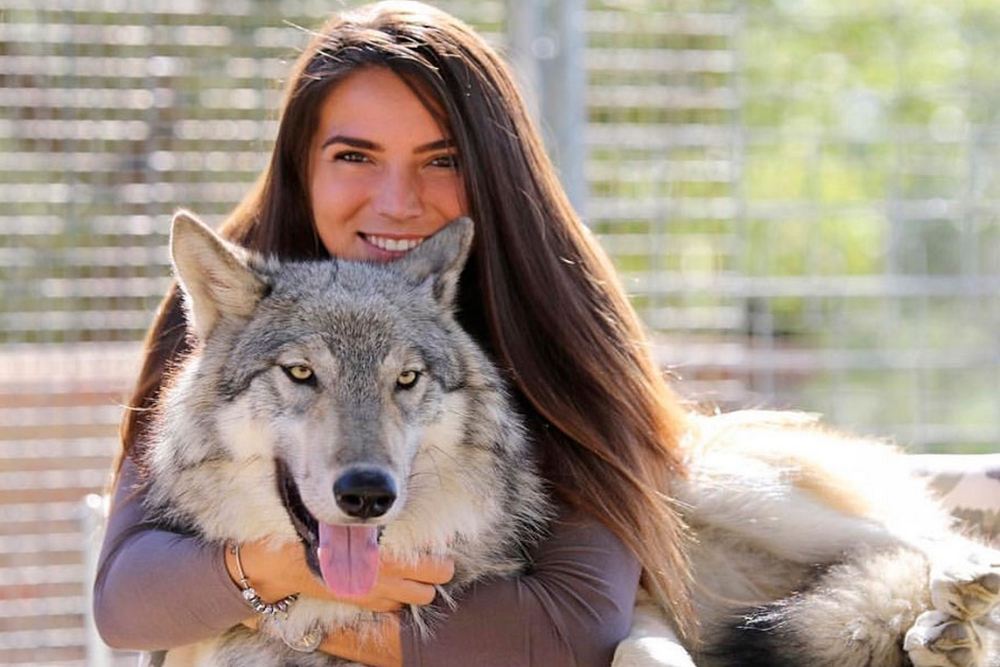
The resemblance to a wolf is so great that people often confuse photographs of the wild animal and the hybrid offspring.
Character
Wolfdogs are highly trainable and make excellent watchdogs. However, breeding hybrids into affectionate domestic dogs is impossible, as their wolf-like nature will emerge. The animal rarely bonds with humans and is reluctant to be around people when the wild-type gene content exceeds 20%.
Wolfdog puppies need to be trained from an early age, otherwise the mixed breed will try to establish leadership. With proper training, the dog will become a worthy guard dog, capable of becoming not a subordinate, but a true friend. To achieve this, it's important to promptly nip any attempts at dominance.
It is not recommended to keep this breed in homes with small children or other animals, as there is a high risk of aggression towards those the dog perceives as inferior. However, it is important to note that most attacks are provoked by irresponsible human behavior.
One of the inconveniences caused to owners by a wolf-dog is the call of the wild. The hybrid cannot bark, but at night it diligently howls at the moon.
Content
It's not advisable to get a mixed breed if you only have a cramped city apartment. Large dogs need freedom of movement. In a spacious enclosure with insulated boothWith a few toys and obstacles for active pastime, hybrids tolerate cold and heat well, as well as prolonged rainfall. It's advisable to equip the enclosure with a tent to protect the animal from direct sunlight. The kennel should not be located in a draft.
Keeping a leash on a chain is dangerous. It can damage the dog's character and make it prone to rebellion. Even a non-aggressive dog on a leash can be a real pain, relieving boredom by howling day and night. Allowing a leash outside is only permitted with a high fence, otherwise the dog may behave inappropriately toward passersby. It likes to dig holes, so the fence should be buried 40-50 cm into the ground. Fences should be high, as this mixed breed can easily jump over obstacles several times its height.
Long daily walks are essential for maintaining physical fitness. Exercise and jogging outdoors should be at least an hour twice a day. Since this breed is descended from a carnivore, it is most active at night. Therefore, the longest walk should take place in the evening—the later, the better.
Care
Carry out the same procedures as you would for a regular pet. Breeders recommend following these guidelines:
- Brushing the fur once a week, daily during shedding periods.
- Bathing twice a year.
- Teeth cleaning involves chewing on special teething bones, which are available through veterinary pharmacies. Using toothbrushes is not recommended, as most dogs react negatively to the procedure.
- Cleaning eyes as needed after daily examination.
- Cleaning ears 1-2 times a week.
- There is no need to trim the claws; they wear down naturally on the road surface.
To avoid problems with caring for an adult, they are taught hygiene procedures from the first months of life.
Nutrition
Mixed breeds happily include small game they catch in their diet. However, it's important not to indulge their pet's appetites, as this type of hunting exacerbates their predatory instincts. Dry food is not suitable for digestion. Therefore, the best diet is a natural one, which is often preferred by pet dogs.
The staple diet is cooked meat, occasionally raw. Meat, fish, and offal are mixed with cooked grains and soups prepared with water or broth. Although mixed breeds are not picky eaters, their diet should be higher in protein than carbohydrates. Fermented milk products are occasionally added to the menu.

The babies are fed 5-6 times a day, gradually changing to once or twice a day with increasing portion sizes. Feeding more frequently will cause the pet to rapidly gain excess weight. A fresh water container is always provided in the enclosure.
Health
It's impossible to say exactly how long a wolf's lifespan is—it all depends on the conditions they're kept in. On average, it's 12-15 years. With proper care and a balanced diet, they can live up to 17-20 years. These individuals are characterized by robust health, comparable to wild wolves. In rare cases, medical problems may arise:
- hip or elbow dysplasia with severe pain and risk of immobilization;
- cataracts, which can lead to blindness;
- gastrointestinal diseases;
- malformed bite;
- hereditary cryptorchidism, in which 1-2 testicles do not descend into the scrotum.
Annual checkups are performed, deworming medications are administered, and protection against skin parasites is used. As with other pets, routine vaccinations are given. However, rabies vaccination is not very effective, so it is not advisable to allow your dog near other animals or strays while out walking.
Interesting facts
In terms of danger level, this animal is comparable to aggressive breeds such as pit bulls and bull terriers. Therefore, several countries have introduced restrictions on wolf-dog hybrids:
- In 2019, a decree was issued banning the sale, breeding, and keeping of hybrids in Finland. The reason for this is the aggressiveness of these hybrids and the protection of the wild wolf population.
- Organizations that regularly capture stray animals in the US and Canada are prohibited from housing wolf-mix dogs in the same enclosures with other dogs or rehoming them. As a result, the hybrids are subject to euthanization.
Despite a number of prohibitions, there is interest in the crossbreeding of wild and domestic animals in society – a documentary about wolfdogs was even made, entitled “Special Purpose Dogs.”
It takes a German shepherd 4 to 5 minutes to search for a person in a confined space. A wolf-dog crossbreed can do the search in 20 seconds.
Is it possible to buy a puppy in Russia?
There are no official domestic nurseries specializing in breeding and selling hybrid puppies. All Russian specimens are imported by their owners from abroad or obtained from breeders who breed illegally and therefore cannot document their compliance with standards.
The Perm project lasted 16 years and was closed—the offspring were not offered for sale, and pedigrees were not released. The cynology department staff raised 46 individuals across five generations. All puppies underwent the required training, and the adult specimens were donated to army units, border guards, and special services. Some of the offspring were actively used to guard the Mongolian and Chinese borders.
The high price and rarity of offers for sale are due to the difficulty of breeding. For targeted mating, it is necessary to have an adult, domesticated wolf or she-wolf with large, purebred dogs. The wild animal must be raised alongside the domesticated wolf, otherwise, attempting to mate will result in tragedy.
Photos
If you've decided to buy a wolfdog puppy, we offer photos of what an adult dog that meets the accepted standard will look like.
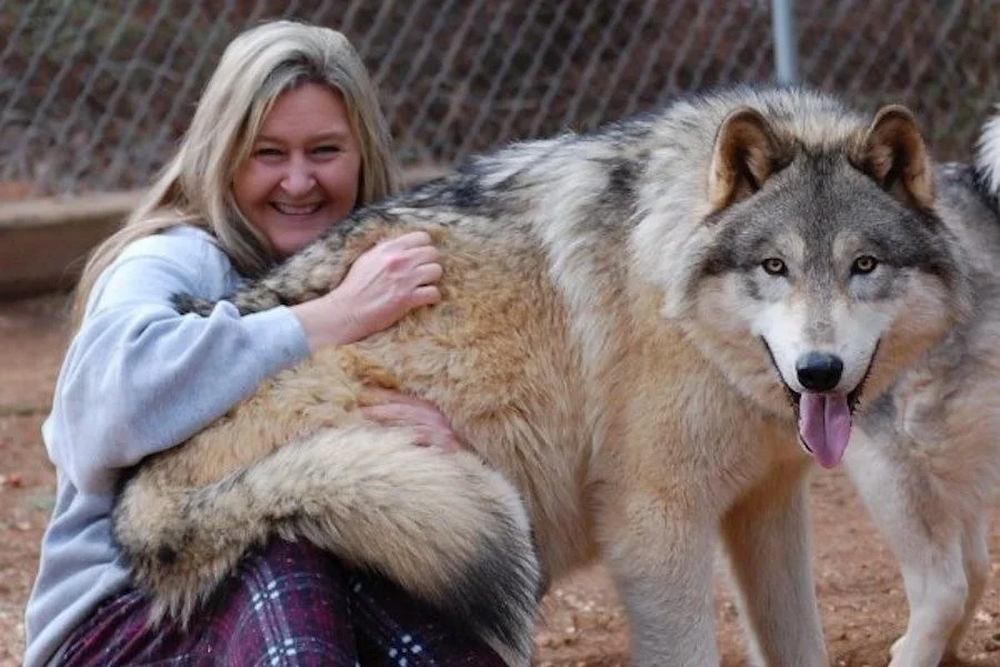
In the spring, ads for hybrid puppies for sale appear on classified ads. When responding to these ads, it's important to understand that a wolfdog is a dangerous breed, and only a strong-willed person can handle it. Only puppies whose character is still immature can be trained, so their leadership potential can be suppressed. An adult wolfdog is difficult to handle; the animal will perceive its owner as a stranger and be wary of them. A frightened predator has no control over its behavior and is capable of causing serious injury.
Read also:


Add a comment