
Saarloos wolfdog
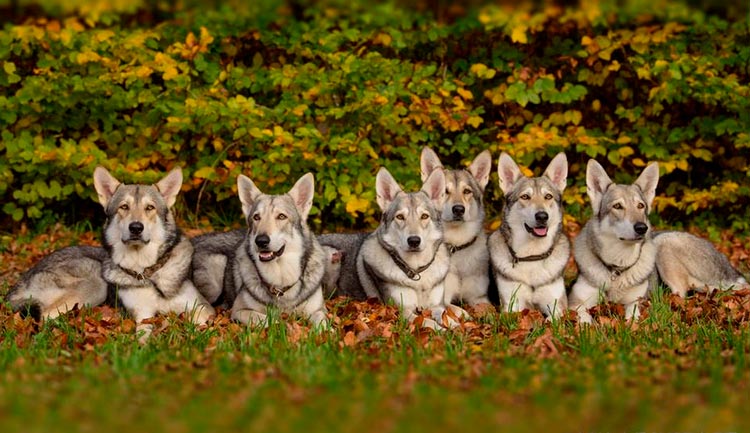
The Saarloos Wolfdog is a companion and sporting dog, unsuited for guard duty or bodyguard work. It is an affectionate and loyal companion with a wild animal-like appearance. It makes a good companion for an active lifestyle, is suitable for families with children, is highly trainable, and excels in obedience competitions and active sports.
Content
History of origin
The breed owes its origin to the Dutchman Linder Sarloos (1884-1969), who lived in Dordrecht with his wife and daughter, Marijke. He was a cook by trade. He worked as a ship's cook for several years, but growing deafness forced him to return to shore, where this lover of nature and animals found his calling in breeding.
Saarloos was a great fan of German Shepherds, but he believed the breed had lost many important qualities, including health. He believed the only way to restore them was to breed with a wild relative. He crossed his German Shepherd, Gerard, from a renowned Prussian line (a descendant of rescue dogs used during the First World War), with a European wolf named Fleur (Saarloos gave all his female wolves the same name—Fleur). In 1936, Fleur gave birth, but all the puppies died of distemper. A year later, the female gave birth to three more puppies. The male died, but two females survived. They became the foundation of the future breed and the mothers of Gerard's offspring. During his career, Saarloos owned six female wolves, but it is impossible to say for sure whether all of them were used for breeding.
In the early 1940s, Saarloos made his first attempts to officially register his Dutch wolfhounds, as he called them at the time, but they were unsuccessful. Only six years after Saarloos's death was the breed recognized by the Dutch Kennel Association and named in honor of its founder—the Saarloos Wolfdog. In 1981, the breed was also recognized by the International Cynological Association (FCI) and given the official name Saarloswolfhond. The breed is virtually unknown in Russia and is not listed in the breeding regulations.
Video review of the Saarloos wolfdog breed:
Appearance
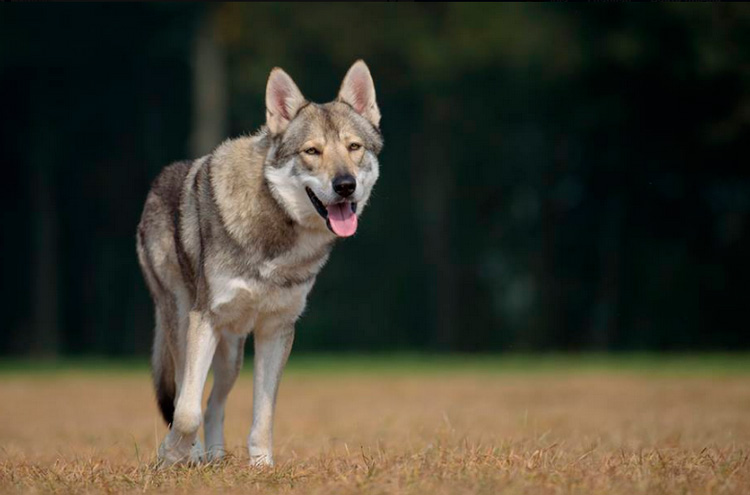
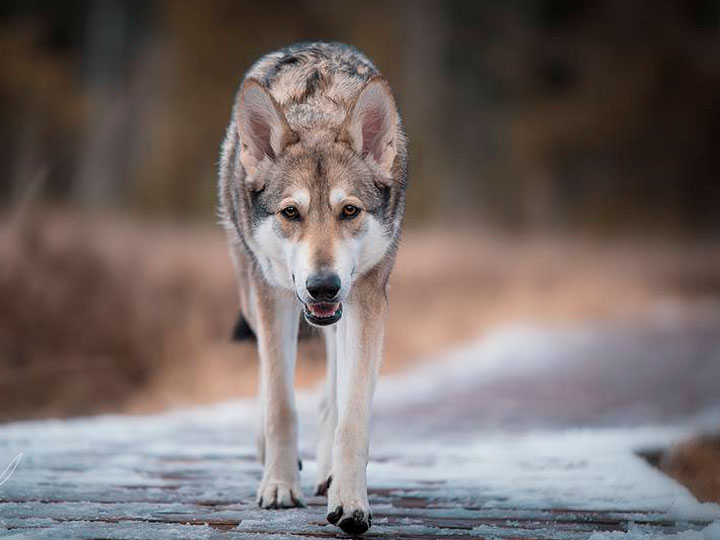
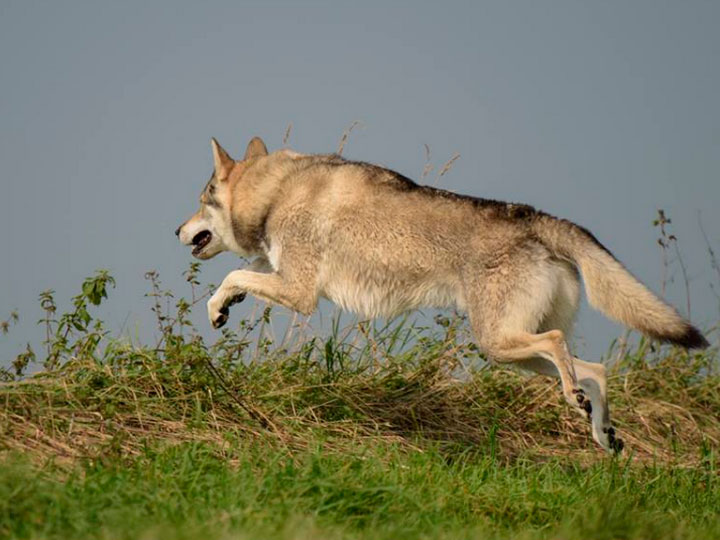
Saarloos dogs are robust, strong, and long-legged, with a well-proportioned build and a lean, elongated frame. Sexual dimorphism is well-defined. Males stand 65-75 cm at the withers, and females 60-70 cm, weighing approximately 36 kg. Both in appearance and character, Saarloos dogs are very different from other hybrid breeds: Czechoslovakian Wolfdog, Russian wolfdog And lupo italiano.
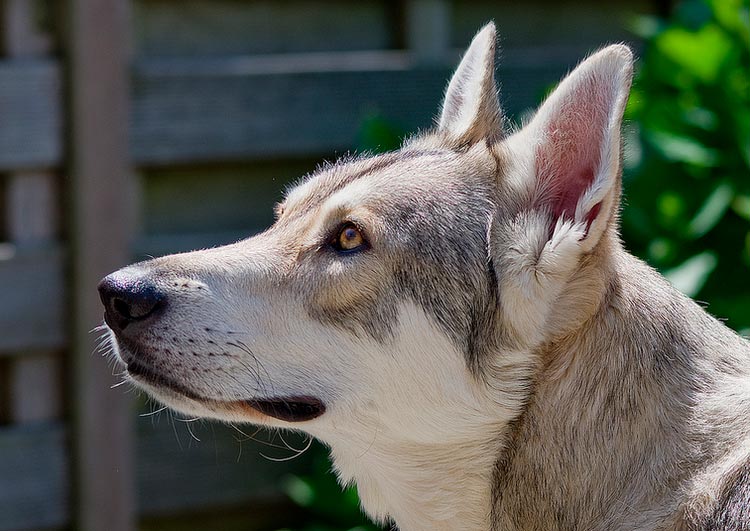
The head is shaped like a wolf's. The skull is broad across the forehead and tapers slightly toward the eyes. The cheekbones are flat. The crown and muzzle are of equal length. The nose is large, wide, and black or brown. The lips are tight and dry. The teeth are very strong and white. The bite is scissor-shaped. The eyes are almond-shaped, yellow, and medium in size. The ears are medium in size, wide at the base, erect, and point slightly to the side.
The neck is strong and dry. The chest is moderately broad, not reaching below the elbows. The back is straight and strong. The topline is level. The loin is muscular. The circle is slightly sloping. The tail is set low, not too mobile, and usually carried low. The limbs are slender. The paws are slightly turned outward, oval in shape, the toes are slightly arched, and the pads are very strong.
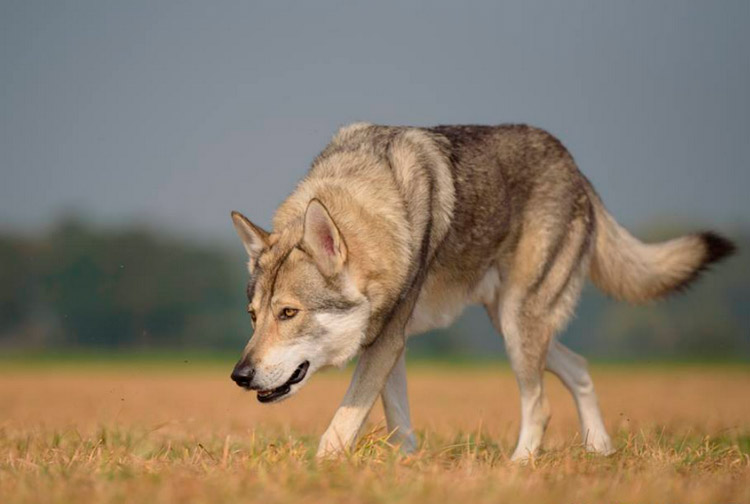
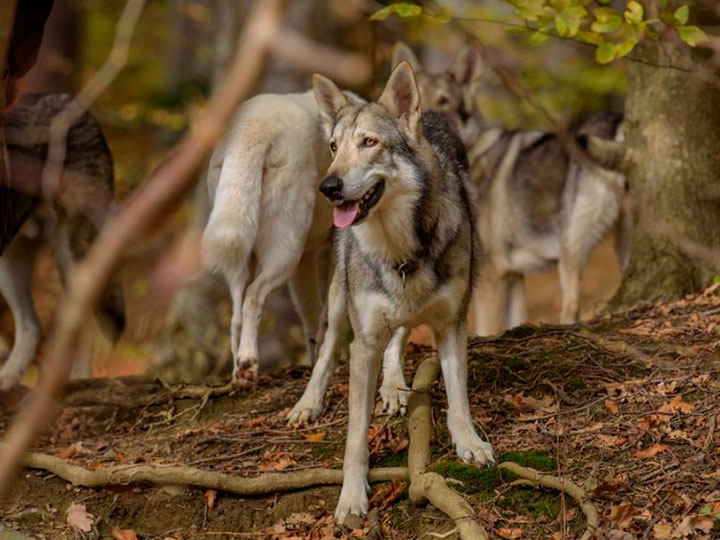
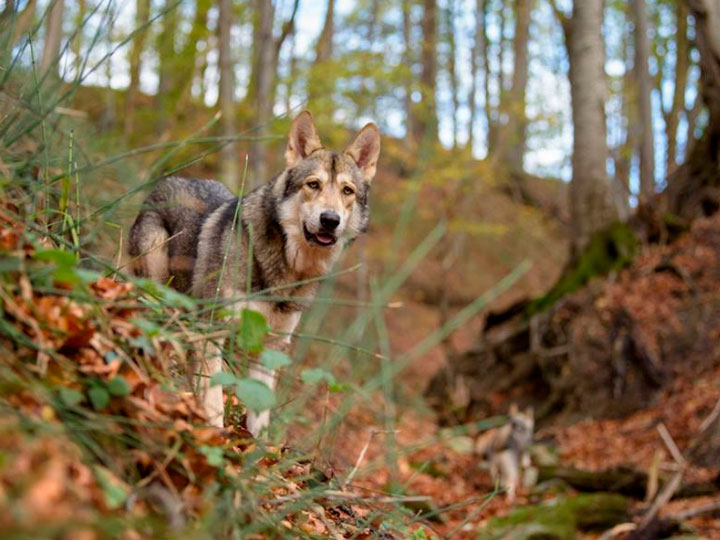
The coat is dense, consisting of a coarse guard hair and a soft undercoat. The hair lies flat and straight. The color is wolf-like, zonate, dark gray or brownish.
Character and behavior
In a sense, Sarloos achieved his goal; his dogs differ from many other breeds in their more natural behavior, but this greatly limits their potential for use and obliges a person who is going to take a puppy of this breed to study the character and habits of wolfdogs.
One of the breed's typical traits is reserve and timidity toward strangers. Often, a forced or unwanted approach from strangers evokes only one desire: to flee. For this reason, Saarloos dogs are completely unsuitable for the role of bodyguards, watchdogs, and especially guard dogs. Furthermore, they almost never bark, and if they do, it's more like a muffled, short howl. Saarloos dogs will avoid conflict at all costs. They don't attack another dog or person without provocation, and they don't display cowardly aggression. However, depending on the situation, their behavior can fluctuate from calm to suddenly aggressive.
The relationship between a person and a Sarloos dog should be likened to that of a pack leader and a follower. These dogs are very sensitive to moods and will obey only a leader with a balanced, firm disposition.
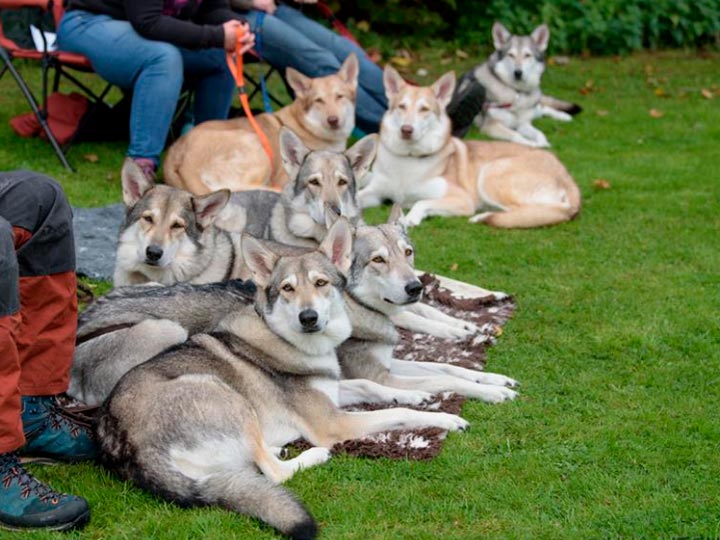
Saarloos dogs are very social with highly developed pack instincts. They require a lot of human attention, but even a loving owner can't replace a dog's four-legged companion. Therefore, it's recommended to keep Saarloos dogs in groups of several individuals or with other dogs similar in size and temperament. Saarloos dogs do not tolerate loneliness very well. A bored dog will start making repairs and checking out what's hidden under the sofa. If left alone outdoors for long periods, their most harmless bad habit is excessive howling. Saarloos dogs form very strong bonds with their owners, but without proper human attention, they quickly become feral.
Many wolfdogs exhibit predatory tendencies and a penchant for chasing small game. Even a well-socialized dog raised with small pets will occasionally give in to instincts, such as chasing neighbors' cats around the yard, and when free-ranging, they can follow a scent trail for long distances. Saarloos dogs are excellent pack hunters. They use their excellent sense of smell to pursue game, but they are not used as gundogs.
Education and training
The key to success and rapport with this dog is a commitment to extensive socialization and positive reinforcement training. Given the wolfdog's independence and self-reliance, a great deal of patience is required from the owner. Only this, along with consistent, persistent work, will help raise an obedient, easy-to-maintain dog.
Sarloos dogs are highly trainable and show good results in agility, obedience, and other agility and obedience competitions.
Sarloos dogs are considered service dogs. However, they are very rarely used by government agencies. Linder Sarloos once successfully trained his own wolfdogs Guide dogs. Some have been used for search and rescue work, but only a few are suitable for such service. Their timidity and reserved fearfulness toward strangers limit their usefulness.
Content Features
The ideal environment for keeping Saarloos dogs is in the yard of a private home. Typically, a pen with ample exercise areas is built for them. If the yard is well fenced, they can be kept outdoors freely. In the yard, dogs can clean, carry objects as they see fit, dig holes, and chase animals. They are also fairly clean dogs that can quickly learn to relieve themselves in a designated area. Saarloos dogs are not designed to be kept on a chain. They do well in an apartment, provided the owner provides them with adequate exercise and is willing to tolerate the occasional loss of items due to their young teeth.
The Saarloos dog is a very active and energetic breed that requires plenty of exercise. A regular, quiet walk is complemented by games and training. At least once a week, a trip out of town is recommended, where they can run freely.
Both the appearance and physical appearance of Saarloos dogs closely resemble their wild counterparts. They mature very late. Females begin to come into heat only after 1.5-2 years, and sometimes as early as 3 years. Males reach sexual maturity after one year of age.
Care
Grooming for Saarloos dogs is no different from that for other short-haired breeds. To reduce hair loss, especially if the dog is kept in an apartment, regular brushing is essential. During the shedding season, daily brushing is recommended. Bathing is recommended as needed, usually once every two to three months, or no more than once a month if kept in an apartment. Stray dogs are not bathed during cold weather. Eyes and ears are also kept clean. Teeth generally require no special care, and their thick nails wear down on their own with regular exercise.
Nutrition
The fact that Saarloos dogs have a recent wolf ancestry doesn't mean they should be fed live rabbits. Owners and breeders often prefer high-quality dry food with a high protein content. When determining portions, they follow the recommendations on the packaging and adjust them individually to meet each dog's needs. If desired, wolf dogs can be fed a natural diet. At least 60-70% of the diet should consist of meat and high-protein by-products. Most of the meat is fed at night. Fasting days are scheduled once every 1-2 weeks.
Health and life expectancy
Saarloos wolfdogs are generally hardy and healthy, with naturally strong immune systems and are easy to care for. However, the breed is known to be susceptible to certain hereditary health problems. Breeders are required to conduct health screenings before accepting a dog into the breeding program.
- Elbow and hip dysplasia;
- Degenerative myelopathy;
- Pituitary dwarfism syndrome;
- Eye diseases (hereditary cataract, glaucoma, progressive retinal atrophy).
Saarloos dogs typically live 12 to 15 years. In terms of veterinary and preventative care, they are no different from other breeds. They require regular vaccinations against major infectious diseases and treatment for external and internal parasites. If not properly cared for, fed, or kept in poor conditions, they are susceptible to the same diseases as other dogs.
Choosing and pricing a Saarloos wolfdog puppy
Saarlooswolfdogs are virtually unknown outside the Netherlands, with only a few exported to other countries. In Russia and the CIS, Czechoslovakian Wolfdogs are more popular and readily available. Saarlooswolfdogs are not bred for several reasons. The breed is not commercially available, requires significant upkeep, and lacks the personality traits most people desire.
Despite its large size, the dog will never be a good guard dog. With its coloring, which evokes the aggressiveness of a wolf, it exhibits timidity when meeting strangers. Furthermore, raising and training a Saarloos dog is beyond the capabilities of even the most experienced dog owner. about newcomers.
Those looking to buy a Saarloos should consider looking for a puppy in its home country, the Netherlands. Finding a good-quality puppy there shouldn't be a problem. Prices vary widely, averaging €800.
Photos
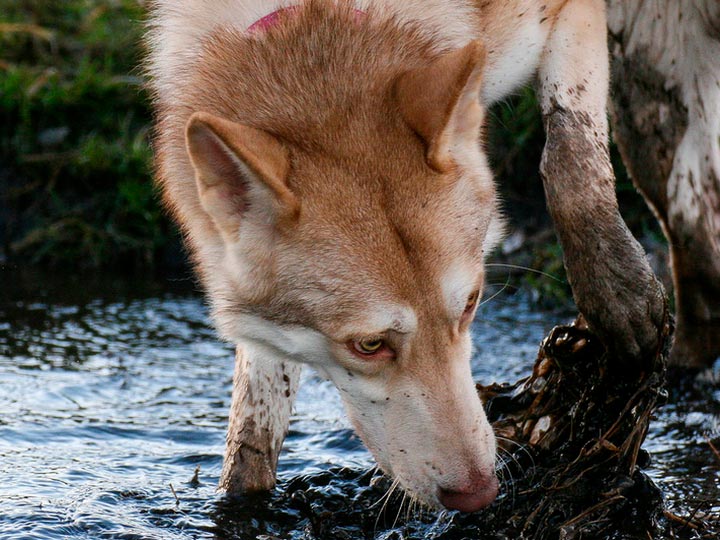
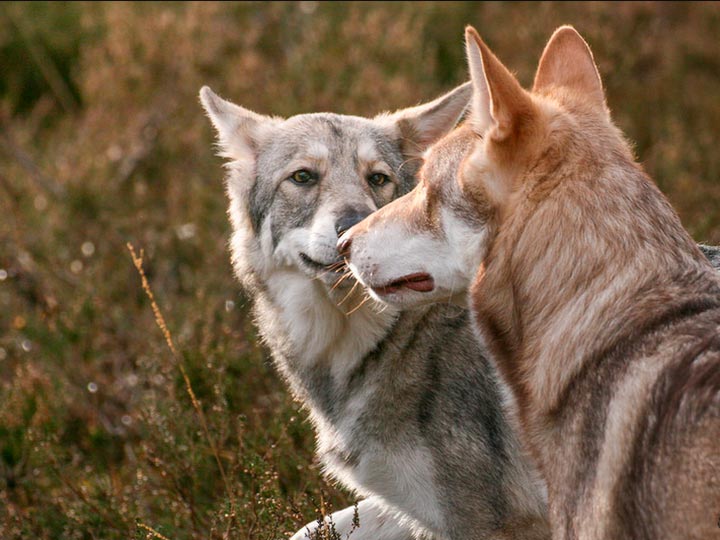
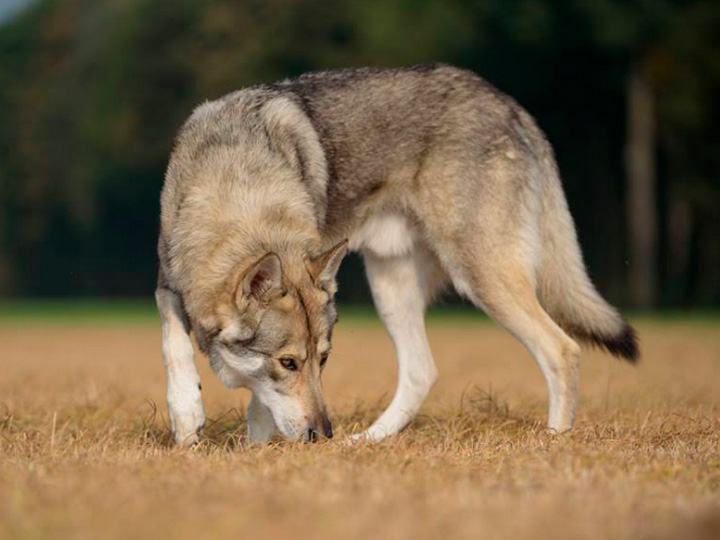
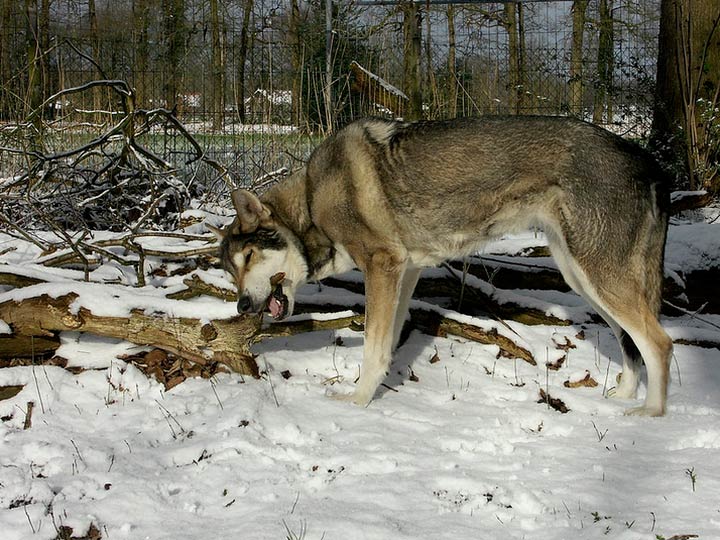
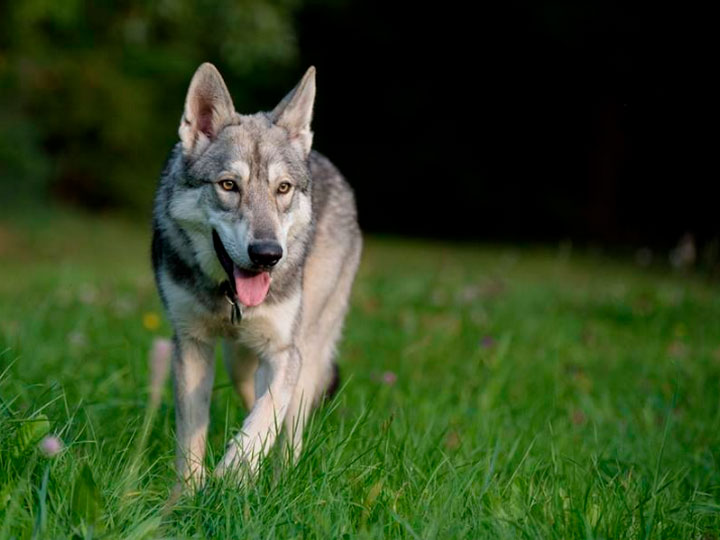
The gallery contains photos of puppies and adult dogs of the Saarloos wolfdog breed (Saarlovolfhund).
Read also:
- Utonagan (Wolfdog) is a dog breed
- A dog breed that resembles a wolf
- Who is stronger: a wolf or a dog?


Add a comment