
Lupus in dogs: symptoms and treatment
Lupus in dogs is a rare autoimmune disease that affects the skin and, in severe cases, internal organs and vital body systems.
Content
Features of autoimmune diseases
Autoimmune diseases are one of the least studied areas. They arise when an animal's immune system begins to actively produce various types of autoantibodies that perceive the host's cells as "enemies."
Depending on the nature of the lesions, a distinction is made between:
- organ-specific autoimmune diseases – affecting the tissues of a specific organ;
- systemic autoimmune diseases – in which various body systems are affected).
Important! Lupus is a systemic disease. Although initially symptoms most often manifest as skin lesions, as the disease progresses, it can also affect the animal's internal organs.

Scientists currently don't know what causes the immune system to malfunction. Among the most likely lupus triggers, scientists identify:
- hereditary factors;
- complications after infectious diseases;
- disruptions in the functioning of the hormonal system;
- chronic stress;
- radiation exposure.
Important! All forms of lupus are not contagious. Pets suffering from this disease pose no danger to other animals in the home or to their caregivers.
Types and symptoms of lupus
Because the symptoms of autoimmune diseases in dogs often mimic a wide variety of illnesses, there are certain difficulties in diagnosing this group of diseases.
Systemic lupus erythematosus
Although systemic lupus erythematosus is more common in cats, dogs can also suffer from this disease. According to veterinary statistics, only 2-3% of all visits involve skin problems.
Systemic lupus erythematosus in dogs presents with chronic or recurring symptoms, including:
- red spots (erythema) and ulcers on the skin;
- itching and soreness of the affected areas;
- peeling skin;
- alopecia;
- enlarged lymph nodes;
- cough (if lung tissue is affected);
- lameness (if the disease affects the joints or causes muscle inflammation);
- disorders of the urinary system;
- cardiac dysfunction.
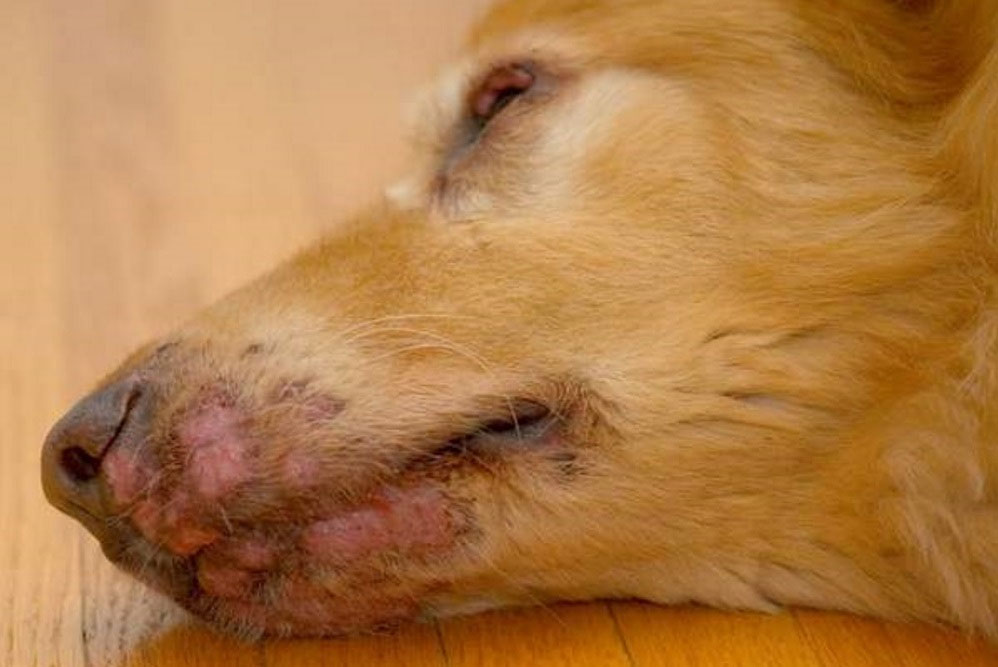
Lupus erythematosus in dogs develops very slowly. It often takes several months (sometimes up to 2 years) from the onset of the disease to the first visit to the doctor. Typically, the first symptoms appear on the face, ears, and paws, but over time, the affected areas cover the entire body (can develop into cancer). Test results usually reveal kidney dysfunction.
According to statistics, symptoms of a disease such as lupus erythematosus most often occur in dogs belonging to the following breeds: Shih Tzu, Chinese Crested, Miniature Poodle, Labrador (and their crossbreeds).
Systemic lupus erythematosus is statistically much more common in cats than in dogs.
Lupus of the mucocutaneous zones
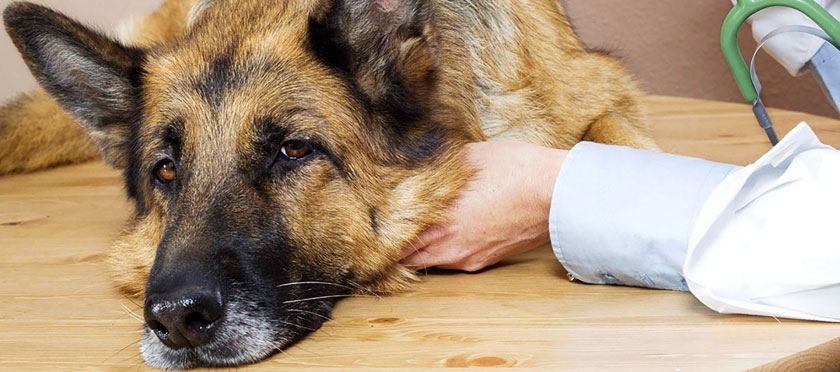
The main symptom of this rare disease is the lesion of only the mucocutaneous zones in the area of the lips and eyes (without spreading to other parts of the body).
It is worth noting that, to date, symptoms of lupus of the mucocutaneous zones have been recorded exclusively in German Shepherd dogs.
Diagnosis and treatment
The list of symptoms is so extensive and varied that the diagnosis of lupus is based on the exclusion of all differential diagnoses, which requires a comprehensive, detailed examination of the animal.
A veterinarian may diagnose systemic lupus erythematosus if dogs are diagnosed with:
- thrombocytopenia, anemia, leukopenia or leukocytosis;
- proteinuria;
- polyarthritis;
- positive ANA titers;
- positive lupus cell test result.
Veterinarians note that both false-positive and false-negative results are very common in many skin biopsy tests.

Treatment depends on the symptoms, the extent of skin damage and the general condition of the animal and may include:
- use of special dermatological shampoos;
- local application of steroid-containing drugs;
- immunosuppressive therapy;
- anti-inflammatory drugs;
- long-term antibiotic therapy (4 weeks or more);
- systemic use of glucocorticoids;
- chemotherapy (in case of development of malignant processes).
Prognosis for systemic lupus erythematosus
The prognosis largely depends on the animal's condition at the time of diagnosis and the body's response to treatment.
According to statistics, 40% of animals with hemolytic anemia, thrombocytopenia, or glomerulonephritis at the start of treatment died within a year. In the overwhelming majority of cases, the cause of death was renal failure or secondary infection.
If the body responds well to therapy, the prognosis is favorable in 50% of cases (remission can be maintained for many years). However, even animals that achieve stable remission require constant monitoring and adjustment of drug dosages throughout their lives.
Read also:


Add a comment