
Lice in dogs: signs and treatment
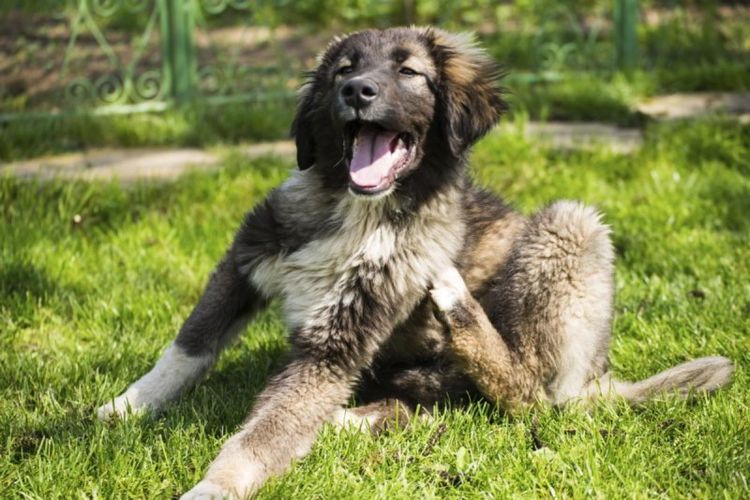
Trichodectosis is a parasitic disease in dogs caused by small insects called lice (skin and lice). Unlike fleas and ticks, which are active in the summer and spring, lice are active year-round. A characteristic sign of the parasite is the presence of light-colored, live grains resembling dandruff on the fur. Treatment is based on medical prescriptions and the severity of the infestation.
Content
Characteristics of parasites and conditions of infection
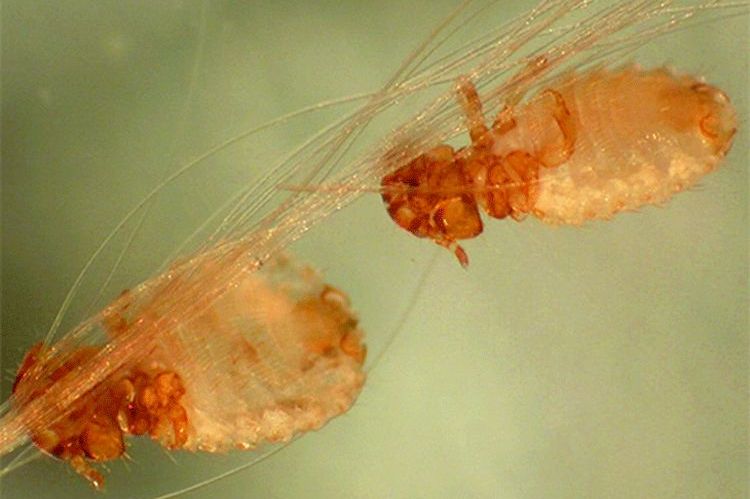
Lice are wingless insects similar in appearance to lice. The average adult specimen (as seen in the enlarged photo) measures no more than 2-2.5 mm. Their body is covered with a thick chitinous shell and has a flattened shape. Their mouth is designed for gnawing, and their head is approximately one and a half times wider than their body. Their coloration is pale brown or beige, allowing them to virtually blend in with the skin of other animals.
Belong to the category ectoparasitesThey live exclusively on the bodies of living creatures, actively reproducing on their skin. Female lice lay eggs on the root zone of hairs, and after 6-10 days, the larvae hatch and enter the next stage of development. The maturation stage takes about 4 weeks. Then, the sexually mature parasites are ready to reproduce again.
Infection occurs from a sick dog, most often in places with large concentrations of animals—kennels, shelters, dog parks, and so on. The risk of contracting the disease is especially high in damp areas that do not meet standard sanitary and hygienic standards.
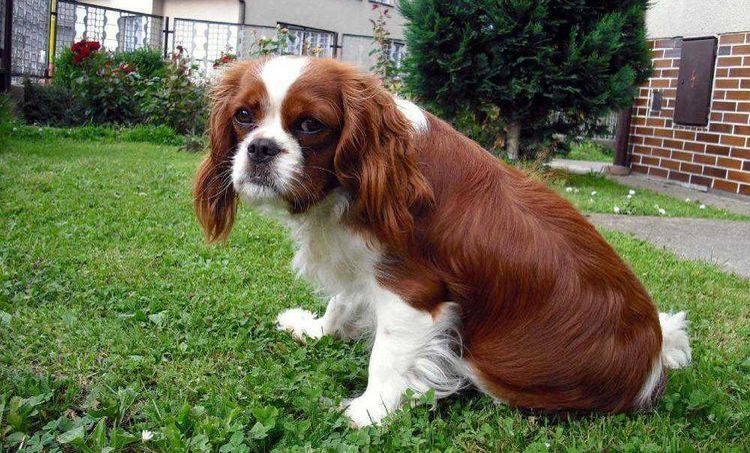
Important: A dog's vulnerability to trichodectosis increases if it is kept in unsanitary conditions, is poorly fed, and has a weakened immune system.
The nutrient medium for lice mites are particles of skin epidermis and dried blood, hairs, sebum secretions and lymph discharge from wounds.
The risk of infection for humans is minimal; however, if bitten by a dog carrying the virus, the larvae can enter the bloodstream and cause subcutaneous infection. In this scenario, medical attention may be required.
Symptoms
Once on the skin, lice quickly begin to "settle in," actively laying eggs and leaving their waste products on the fur. Signs of parasite presence are easy to spot:
- The dog constantly scratches itself, whines, and shows anxiety.
- Characteristic bald spots appear in the area of the neck, hips, tail and ears, and the skin in problem areas becomes inflamed and red.
- Scratches turn into wounds, which in turn turn into scabs and poorly healing crusts.
- the fur becomes dull, unkempt, and tangled.
- The animal suffers from insomnia, loses appetite and experiences constant thirst.
Delayed treatment or lack of treatment can lead to various complications, including dermatitis, allergies, fungal infections, and more. The most dangerous risk for an animal if the disease progresses unfavorably is the development of leptospirosis. In such cases, the risk of death is high, especially in puppies or young dogs.
Diagnostics
Diagnosis of trichodectosis is limited to a visual examination of the dog. Since lice are very heat-loving, they can be easily "fooled" into coming out in two ways:
- Place your dog in direct sunlight for a while to allow its fur to warm up. Alternatively, replace the sunbathing with a regular lamp.
- Cover the animal's body with a thick, well-heated, dark-colored cloth. The steam bath will encourage the parasites to rise to the surface, closer to the warmth, and become visible.
The larvae are also quite easy to spot. Visually, they resemble dandruff, but unlike seborrhea, they are difficult to remove from the hairs. Sometimes, it feels as if the hair is covered in fine sand.
Treatment
Treating a dog's trichodectosis is not very difficult; the key is to choose the right insecticides for body treatment and follow a specific application schedule. Since the parasite's life cycle is approximately four weeks, the treatment should be repeated several times, every two weeks, until the lice and their larvae are completely gone.
Treatment options:
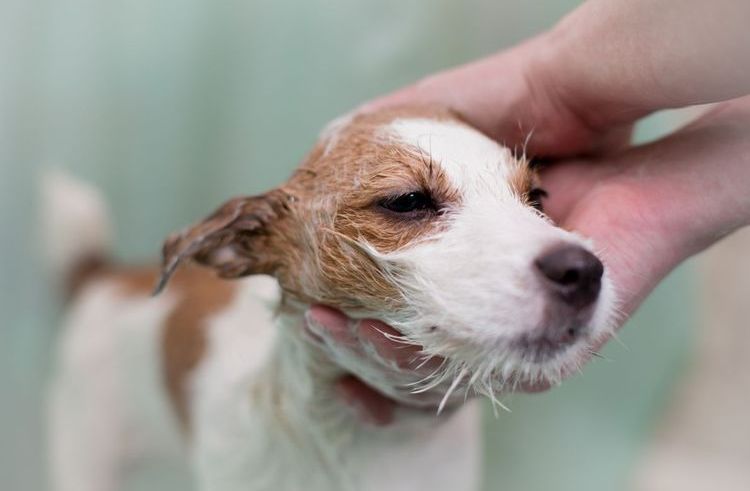
- Shampoos. Apply to damp fur and rinse with plenty of water after 5-7 minutes. Afterwards, comb the fur with a wide-tooth comb or brush, then a fine-tooth comb. Suitable for all breeds of dogs, both adults and puppies. Options: Lugovoy, Fitoelita, Lysgard, Demos-Lux.
- Drops. Apply to the withers. Dosage is calculated based on the animal's weight. Contains toxic active ingredients that quickly and effectively kill parasites. Options: Dana, In-Up, Irbis, Leopard.
- Sprays. Their composition is generally identical to drops, differing only in the application method. These products are sprayed onto the affected areas (abdomen, ears, tail, back), avoiding mucous membranes. Options: Frontline, Akrodex, Decor-1, Defendog.
- A collar. Placed around the neck for continuous wear. Effective only in the early stages of the disease, as well as for prevention and protection against infection. Options: Doctor Zoo, Strong Hall.
No special diet is prescribed during treatment. The only exception is complications or exacerbation of chronic diseases. To support immunity, it is recommended to include vitamin and mineral complexes for dogs.

Important: If you have any wounds or scratches on your skin, pre-treat the affected areas with an antiseptic, such as hydrogen peroxide or brilliant green. Stop-Itch spray can help relieve itching.
Folk remedies
Without medical treatment, hoping for the effectiveness of folk remedies is pointless. The following methods can help alleviate your pet's condition and partially rid it of parasites:
- Bathing in a string herb infusion or a herbal infusion of chamomile and wormwood. The classic method for preparing the solution is 1 tablespoon of the herb per 150 g of water.
- Tar soap. Thoroughly lather the wool, wait 5-10 minutes, and rinse with plenty of water.
Particular attention should be paid to treating the dog's sleeping area. Treat the bedding with a turpentine or kerosene solution at a rate of 3-4 tablespoons per bucket of water.
Prevention
Preventive measures primarily focus on keeping pets away from stray dogs and cats, which can potentially carry parasites. Regular sanitization of the pet's living space and regular washing of its bedding are also essential.
Although lice do not live outside the dog's host, it is recommended to disinfect dishes, furniture, and all surfaces that the dog comes into contact with during treatment. Regular veterinary checkups are essential.
Lice in dogs: video
Read also:


Add a comment