
Do cats need vitamins?
Often, owners of cats, while stopping at the veterinarian for a little something, also buy vitamins for their kitty. Just in case, so to speak. They stuff their pet with tasty vitamins, without even considering whether cats need vitamins or not. Let's try to figure out whether cats need vitamins, and if so, which ones, and when they should be given.
Content
In what cases are they needed, in what cases are they not?
The answer to the question of whether cats need vitamins is clear. Of course they do; otherwise, why would so many manufacturers be creating new vitamin complexes? But... that doesn't mean every cat needs them in every situation.
Let's give a couple of examples. Let's imagine our cat is eating carefully selected premium or even extra-class dry food. She's not currently experiencing any stress, pregnancy, or anything out of the ordinary. The question is, does she need vitamins right now?
Answer: Definitely not. Otherwise, not only will there be no benefit, but on the contrary, your cat could develop hypervitaminosis, which is much more difficult to get rid of than from vitamin deficiency.
Let's go further. Let's imagine our cat eats food from our table, not super-premium food. So, we eat soup, she eats soup; we eat a cutlet, she eats a cutlet. So, in this case, the cat needs vitamins. And don't reassure yourself that cats have always eaten this way. It's not true. They've eaten something completely different. Because, historically, food has been organic, without any dyes, flavor enhancers, or other junk.
And even if you eat only food from your own garden, it doesn't change anything. Because there really are few truly ecologically clean places left on earth, and how likely is it that your garden is located in such a place? I think the answer is obvious. Therefore, both you and your furry friends will need vitamins.
Now let's talk about which vitamins are best to give. I'll point out right away that a veterinarian can prescribe a customized complex for each individual case, but it's best to be at least a little knowledgeable about this. This will make it much easier for you and the veterinarian to collaborate. So, what kinds of vitamins are there? There are currently three main groups of vitamins available.
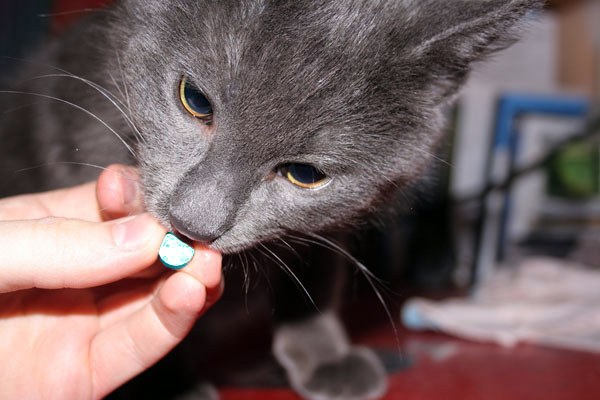
General strengthening vitamins
Find out which vitamins your cat should regularly include in their diet in our detailed overview. We'll describe each vitamin, including which are essential for their coat and which for overall health.
The name speaks for itself. This isn't some specialized complex. It contains the vitamins a cat needs every day, in small doses. Good foods usually have these added, so cats don't need additional vitamin supplements. Typically, this group of vitamins includes:
- B vitamins: essential for strengthening the nervous system, improving digestion, and developing and strengthening muscles. Vitamin B2 also improves the healing of wounds, cuts, and microcracks in the skin. It also reduces inflammation. B5 promotes healthy metabolism, while B12 promotes healthy liver function.
- Vitamin A: in the right dose, it promotes healthy kidney function, maintains visual acuity, and will help your pet's coat grow thick and silky. Unless it's a Sphynx, of course.
- Vitamin C: strengthens the immune system and normalizes metabolism.
- Vitamin E: Essential for pregnant cats. A deficiency can cause problems with the nervous system and normal muscle function.
- Vitamin D is essential for young kittens. Everyone's familiar with rickety kittens with big bellies and small, crooked legs. This is a clear example of vitamin D deficiency.
- Vitamin K: promotes good blood clotting and prevents the development of hemorrhagic diathesis.
Corrective vitamins
I think most owners are well aware of the challenges of an aging cat, a spayed cat, a poor coat, or a lack of mobility. Hairballs in the digestive tract, etc. So, corrective vitamin complexes are produced to gently address these issues. Regarding good cat foods, there are also specialized lines that include these vitamin complexes for cats.
Emergency vitamins
What are they for? These complexes can be called vitamin bombs, and while they're certainly not suitable for daily use, they can be a lifesaver if your cat is severely stressed, or if you need urgent preventative treatment for infectious diseases (if necessary).
Any questions? You can ask our website's staff veterinarian in the comments below, who will answer them as quickly as possible.
Read also:


17 comments
Sergey
You won't find many places that mention vitamins A, D, and so on. They usually mention taurine, yeast, and the like. I give mine the Veda supplement—she eats it, is happy, and smells like fish.
Lika
Hello! My cat is 2 years old, recently spayed, and has long hair. She sheds quite a bit. I feed her Brit Care Missy dry food for spayed cats. I occasionally give her a little wet food as a treat. Does she need any additional vitamins? If so, which ones do you recommend, and how often?
Daria is a veterinarian
Hello! Have you had your pet examined? Have you ruled out endocrine problems? How are the deworming and anti-parasitic treatments going? Is there any itching? Is the wet food from the same brand? You could get a blood test done to see what's going on with the body, what's missing. Vitamin and mineral supplements wouldn't hurt. Make sure they include biotin (vitamin H), B vitamins, A, D, E, and minerals (zinc, manganese, cobalt). I don't know what's available at your local veterinary pharmacies. Check out European ones.
Alina
Hello, two kittens (4 months old) have inherited nervous system problems from their parents. Each had a stroke, but they recovered. Perhaps it would be worth giving them some kind of nervous system support vitamins, as a preventative measure, to prevent this from happening again?
Daria is a veterinarian
Hello! A stroke is not a disease of the nervous system. It is a disruption of adequate blood supply to the brain, which in turn LEADS to severe and persistent neurological disorders. This means that problems with the nervous system are a consequence of a stroke. If a stroke occurs and assistance is not provided in the first hours, the consequences last a lifetime (a section of the brain dies due to oxygen starvation due to the interruption of blood supply and does not recover). Are you sure that neurological disorders do not include epileptic seizures? Treatment for these pathologies varies. For stroke prevention: cautiously (under medical supervision and with constant monitoring of blood clotting) use anticoagulants, neuroleptics, sedatives/anxiety medications, and anticonvulsants (if seizures occur). Ensure adequate nutrition and rest. Vitamins include B vitamins for calming and magnesium. Monitor potassium levels (too much is bad for the cardiovascular system, increasing the risk of blood clots and, as a result, stroke/heart attack), but a deficiency is also dangerous – the heart will fail. Pets should have a checkup every six months (blood, urine, ultrasound, ECG, and ideally an EEG, but few clinics offer this).
Natalia
My cat developed a red spot on her neck. I applied Triderm and it went away, but another one appeared nearby. The vet said it looked like eczema and prescribed a course of B vitamins, but we feed her dry hypoallergenic food and packets. They have plenty of vitamins. Could it get worse? Especially since she's prone to allergies. She also prescribed Levomekol ointment.
Daria is a veterinarian
Hello! To avoid making things worse, at least get a scraping done at the clinic! Rule out mites and ringworm. What kind of food is it? If it's something like Whiskas, Friskies, Darling, or other cheap junk, replace it with high-quality food. Vitamins will also be necessary. There are a lot of vitamins in the B group, and many are incompatible with each other, so they should be given spacing out. But first, you need a definitive diagnosis.
Nastya
Hello.
Our cat doesn't eat cat food at all, only recently was she able to eat dry food.
But recently, we noticed that her urine had become a deep red color. Although she feels fine, eats well, drinks water, and is active.
We removed dry food from her diet and started giving her chicken and meat. Her urine became lighter.
But you can't feed them only this.
Maybe I need to buy some vitamins?
Dasha is a veterinarian
Hello! You can't feed your cat only meat! It's putting a huge strain on the kidneys. The animal needs to be examined. Red urine... Doesn't it seem abnormal to you? If someone had red urine, they'd probably rush to the doctor and get tested. It's important to understand: is this a problem with the kidneys themselves or with the bladder? Vitamins won't help. A diagnosis is urgent!
Elena
Hello!
Our neutered cat eats natural food. I cook his own meals (beef and chicken breast—all cooked in a second broth without salt. He always drinks the broth with relish, but never touches water). His diet is fairly monotonous. He doesn't like offal. We rarely give him fish, only as a treat. His fur started matting over time, and it became unsightly, so we started giving him Veda Fitomins for neutered cats. We gave him this for four months without a break. Now he looks wonderful. Now the main question: CAN PHYTOMINS FOR NEUTERED CATS BE GIVED CONTINUOUSLY OR ARE BREAKS NECESSARY? THE INSTRUCTIONS SAY "GIVE SYSTEMATICALLY." PLEASE EXPLAIN WHAT "SYSTEMATICALLY" MEANS IN THIS CASE.
Dasha is a veterinarian
Hello! "Systematically" means giving it a month and then a month off. Vary your cat's diet. The fur is matting because the diet you've chosen is unbalanced. Cook porridge and vegetables. A monotonous diet like this will lead to kidney stones. Protein foods are hard on the kidneys, so be sure to give other foods in addition to meat. Broth isn't a drink, it's food. So, remove the broth and replace it with water! Clean, filtered water, fresh every day. Get a larger water bowl; my cat didn't drink from hers. I noticed she was drinking from the aquarium or my mug, so I gave her a dog bowl. She drinks from it happily now.
Zinaida
Hello. My cat eats natural food. What vitamins would you recommend? We gave him Beaphar, but we were soon told it was just a treat.
Dasha is a veterinarian
Hello! Injectables are best. Pills and supplements are mostly placebos and are practically ineffective. A course of injections is better; it provides more benefit.
Marina Yudina
If the cat is indoors and never goes outside and has started eating poorly, should it be given vitamins?
Dasha is a veterinarian
Hello! It's not a matter of whether your cat is going outside or not. It all depends on what you feed your pet and how regularly you perform mandatory preventative treatments (deworming, vaccinations). What are you feeding her? Maybe the food is unbalanced; changing it will eliminate the need for vitamins. But more interesting: when was the last deworming done, and with what? Start with that. Or maybe she doesn't like the taste of the food. My cat will eat one food every half hour, a few balls at a time, while another can sit in her bowl for a day, but I know it's balanced. She'll be fussy, but she'll eat it =))
Vera_2016
Anyone with any knowledge? I recently neutered my cat. It's probably a side effect, but after that, everything changed—he became completely psychotic. What vitamin supplements are there for restoring the nervous system?
Natalia Ermolaeva
My cat was really weak and barely eating. We went to the vet, and he said he was healthy, but just didn't have enough vitamins. We bought him Radostin vitamins (the vet recommended them), and within a couple of days he was feeling much better. Now he's jumping all over the apartment. We give him these vitamins periodically to prevent vitamin deficiency.
Add a comment