
Feline immunodeficiency virus
Cats have lived alongside us for 5,000 years, yet they continue to amaze us with their phenomenal abilities—fearlessness, amazing intuition, and remarkable resilience. A cat can survive falls from great heights and temperatures as low as -80°C without significant ill effects. However, despite the popular belief that "cats have nine lives," these animals are susceptible to many diseases, including infectious ones. One of the most dangerous and highly lethal is FIV (feline immunodeficiency virus). A loving owner, caring for their pet's health, should understand the signs of this disease and its treatment methods.
Content
- 1 What is FIV and how can a cat become infected?
- 2 Phases of infection and clinical course
- 3 Symptoms of FIV
- 4 Diagnosis of FIV
- 5 FIV treatment, caring for a sick cat
- 6 Life expectancy for FIV
- 7 Prevention of HIV
- 8 A Practical Guide for Owners: Living with an FIV-Positive Cat
- 9 Table: Comparative presentation of some characteristics of FIV
What is FIV and how can a cat become infected?
The human immunodeficiency virus (HIV) is a bloodborne infection transmitted through contaminated bodily fluids. FIV is caused by a microorganism approximately 100 nm in size, the feline immunodeficiency virus (FIV), a retrovirus belonging to the Retroviridae family of RNA-containing viruses. It remains viable for up to 4 days at room temperature, but dies within 30 minutes at 60°C (140°F). Antiseptics (alcohol, ether) inactivate the virus within 5-10 minutes.
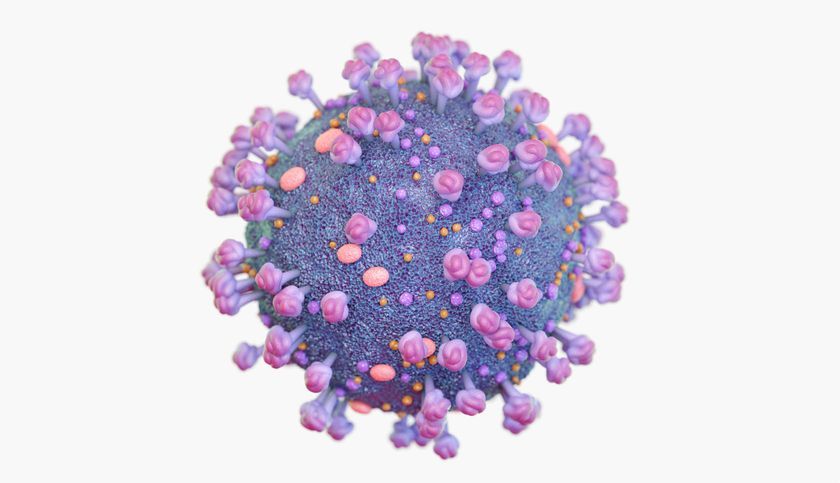
This pathogen destroys T-lymphocytes responsible for immunity, macrophages capable of engulfing bacteria, and monocytes, which are part of macrophages. Therefore, the presence of Feline Immunodeficiency Virus in a cat leads to a complete immunodeficiency, which makes the animal easily susceptible to other infections. According to felinologists, the prevalence of FIV in cats is approximately 10%; the disease most often affects unneutered, middle-aged and older cats that roam freely.
FIV is transmitted through saliva and blood, with bites and scratches being the primary routes of transmission. Kittens can be infected from their mothers in utero or through milk, as well as through a transfusion of infected blood. Once a cat is infected with FIV, it remains a carrier for life. FIV is species-specific, and despite its similar structure to human HIV, it is not infectious to humans.
Phases of infection and clinical course
After infection with the immunodeficiency virus, cats go through several stages, each with its own characteristics:
-
Acute phase— approximately during the first 1–2 weeks after infection. Temporary fever, lymphadenopathy, loss of appetite, and general malaise are possible. Often, the symptoms disappear, and the cat enters the latent stage.
-
Latent or asymptomatic stage— can last for months or even years. During this stage, the cat may appear healthy, although its immune system is gradually being damaged.
-
Stage of immunodeficiency manifestation (AIDS-like syndrome)— when the immune defense is weakened to such an extent that secondary infections, tumors, stomatitis, damage to internal organs, and neurological symptoms appear.
One marker of infection progression is an inversion of the CD4:CD8 ratio (a decrease in the number of CD4+ T lymphocytes). Studies have shown that infected cats maintain this ratio at a consistently low level over a long period of time.
A study involving cats from different environments found that those kept in less stressful conditions (separately, not in overcrowded groups) showed slower disease progression compared to cats living in more competitive environments.
The study also noted a correlation between viral load and the likelihood of severe clinical manifestations—the higher the viral load, the more often deterioration in the condition was observed, although it is difficult to prove causation.
Symptoms of FIV
Feline immunodeficiency virus (FIV) develops slowly in cats and may be asymptomatic for the first 1-2 months. A slight fever, weakness, and weakness may then occur. After this, the cat's condition returns to normal, and for an indefinite period, sometimes several years, the FIV may not cause any symptoms other than slight enlargement of the lymph nodes.
However, viral replication and suppression of B- and T-lymphocyte function in the cat's body continue. Gradually suppressing the immune system, within a year or two, the virus causes disruptions in many organs and systems. Polymorphic, nonspecific symptoms are then observed, depending on the degree of immune system damage and the presence of secondary infections.
Among the symptoms of immunodeficiency in cats that develop against the background of decreased immunity, the following are noted:
- loss of appetite;
- weight loss, anorexia;
- lethargy, apathy;
- chronic diarrhea;
- periodic increase in body temperature.
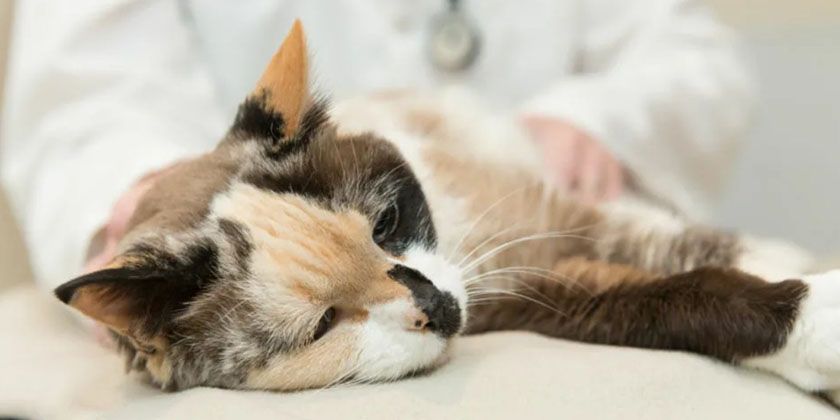
Cats with acquired immunodeficiency syndrome are prone to frequent illnesses that are more difficult to treat than usual:
- respiratory;
- ENT organs (otitis);
- oral cavity (stomatitis, purulent and ulcerative gingivitis);
- gastrointestinal tract;
- urinary system (bacterial cystitis);
- respiratory organs (bacterial pneumonia);
- ocular (uveitis, conjunctivitis, keratitis);
- bacterial and fungal skin diseases (demodicosis, dermatitis, notoedrosis, ringworm, alopecia).
Feline immunodeficiency virus (FIV) increases the risk of developing benign and malignant tumors, systemic blood diseases, including deficiency anemia, hemophilia, and leukemia.
Diagnosis of FIV
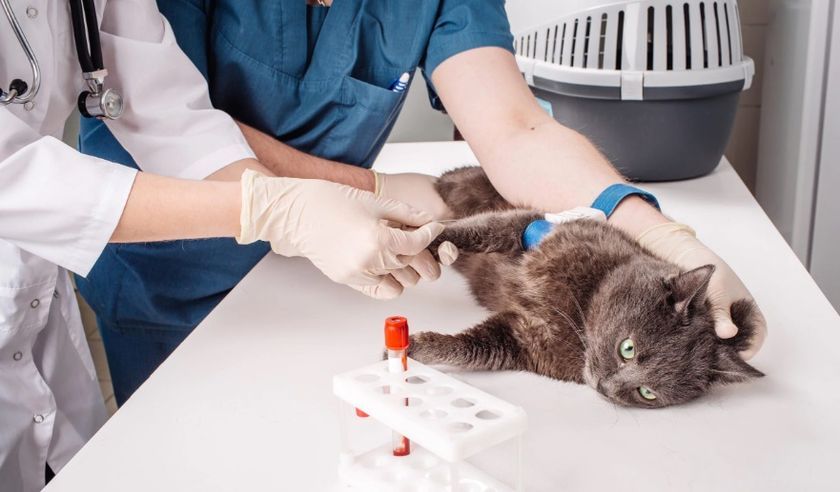
If immunodeficiency virus (IV) is suspected, the veterinarian will first order a blood test. If FIV is present, a complete blood count will reveal decreased red blood cell counts and total white blood cell counts, including lymphocytes and neutrophils.
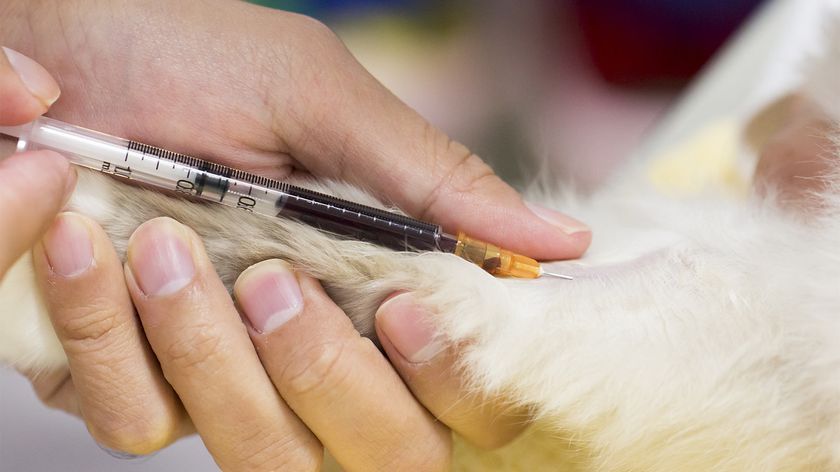
A screening test for antibodies produced against the virus is considered the key to the differential diagnosis of FIV. Testing is performed using ELISA (enzyme-linked immunosorbent assay). The ELISA test is recommended for cats over 6 months old: kittens that have received specific antibodies through their mother's milk may have a false-positive result.
Polymerase chain reaction (PCR) is also widely used to detect viral DNA in blood. The diagnostic advantage of this method is its ability to detect the virus in cats already infected but not yet producing antibodies, and to detect the disease at the stage of intense viremia, when the pathogen is actively replicating.
To diagnose FIV in veterinary medicine, a chemical rapid diagnostic method called ICA is also used. It is based on chromatography and displays the reaction between an antigen and its antibody in biological material. The antigen is detected in the animal's blood two weeks after infection. Qualitative immunochromatographic analysis (ICA) is performed using test kits and is highly reliable, allowing for 95% detection of the immunodeficiency virus in cats.
FIV treatment, caring for a sick cat
Unfortunately, acquired immunodeficiency syndrome cannot be cured with medication. This applies to both human and feline AIDS. Treatment of this retroviral disease is symptomatic, aimed at strengthening the immune system and combating associated pathologies, which must be timely and potent.
Antibiotic therapy is used to combat infections that develop due to a weakened immune system. Medications are selected depending on the type of pathogen and the animal's condition. In cases of prolonged, persistent hyperthermia (elevated body temperature), corticosteroids may be used; however, these hormones are generally not prescribed for long-term use because they can suppress the immune system.
As supportive therapy, the cat may be prescribed blood transfusions, intramuscular or intravenous medications, multivitamin supplements, and, in the case of significant weight loss, anabolic agents that accelerate cell tissue renewal.
Cats with viral immunodeficiency are usually prescribed, along with symptomatic therapy Feliferon - a drug containing species-specific (feline) interferon.
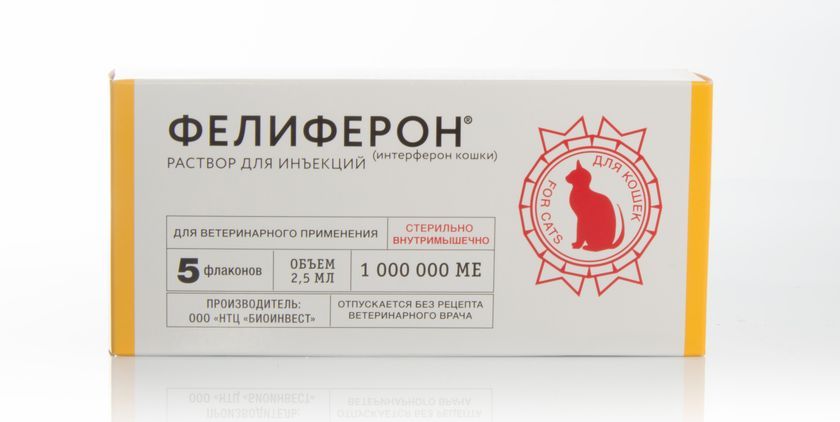
It has immunostimulating and antiviral effects:
- suppresses the processes of viral reproduction by disrupting the structure of their RNA and membrane protein tetherin;
- increases the body's resistance to viruses.
Life expectancy for FIV
With proper care and an adequate response to symptomatic and supportive therapy, your cat can live for many years.
To do this you need to:
- Maintain a comfortable standard of living for her and keep the room where she lives clean.
- To feed your cat properly, the diet should be varied, high in calories, and contain all the necessary nutrients, vitamins, and minerals.
- Since immune system dysfunction is aggravated by stress (change of residence, frequent travel by transport, the appearance of new animals in the house, abrupt changes in diet), it is necessary to protect the animal from them.
- It is vital for a cat diagnosed with FIV to prevent infection with ectoparasites (ticks, fleas, worms), as they transmit many diseases. If possible, it is advisable to keep a cat with FIV indoors and away from other animals.
Prevention of HIV
Vaccination is typically the primary preventative measure against infectious and parasitic diseases. These include vaccines against feline herpesvirus (fHV) and feline calicivirus (fHV and FCV), as well as feline panleukopenia virus and feline leukemia virus (FPV and FeLV). In 2002, a vaccine against feline immunodeficiency virus (FIV) was introduced in the United States. However, it is not considered a core vaccine and is not required for use. This vaccine is not licensed in Europe because its effectiveness has not been proven.
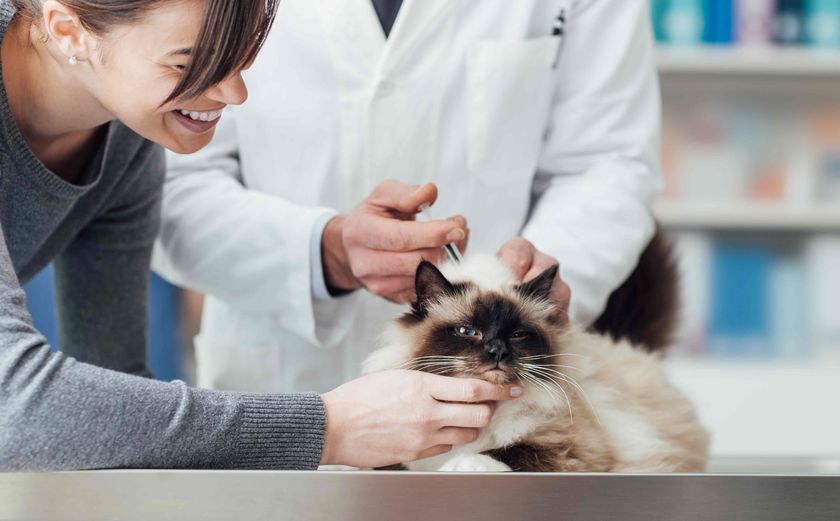
The FIV vaccination consists of three injections, 2-3 weeks apart. Cats are considered protected against the Feline Immunodeficiency Virus after the third injection. Booster vaccinations are required annually.
The generally accepted and accessible methods of HIV prevention today are:
- timely vaccination with essential vaccines;
- undergoing a routine medical examination;
- timely treatment of infectious diseases;
- mandatory examination of all animals entering a shelter or nursery;
- placing animals suspected of having FIV in quarantine until laboratory diagnostics are obtained.

If you have a cat, try to avoid its contact with stray animals. If you bring a new pet into your home, especially one adopted from the street, be sure to screen it for FIV and repeat the test in two months. Neutering or spaying your cat can reduce its tendency to interact with other cats, fight, and wander.
A Practical Guide for Owners: Living with an FIV-Positive Cat
Below are recommendations based on current research and guidelines:
-
Keep your cat indoors and limit contact with stray cats, especially fights and bites, which are the main routes of transmission.
-
If you have other cats in the house, have them tested for FIV and consider separating them to avoid transmission.
-
Regular preventive examinations and maintaining oral hygiene (teeth cleaning, professional dentistry) are important, as gum inflammation often complicates the course of infection.
-
A balanced diet, avoiding stress, and prompt treatment of any infections are key measures to slow the progression of the disease.
-
If needed, you can discuss with your veterinarian the use of antiviral therapy or participation in clinical trials if they are available in your area.
-
Monitoring blood counts and immune status (cellular counts, CD4/CD8, viral load if possible) can help assess the condition and tailor the treatment approach.
Table: Comparative presentation of some characteristics of FIV
| Parameter | Typical range/features |
|---|---|
| Prevalence | from 1% to 30%, depending on the region and conditions of detention |
| The main route of transmission | bites, saliva, contact with blood |
| Typical duration of the latent period | months - years |
| Key laboratory changes | CD4:CD8 inversion, decrease in CD4+ cells |
| Possible concomitant diseases | stomatitis, skin infections, urogenital infections, lymphomas |
| Possible therapeutic agents | AZT, cART, experimental protease inhibitors |
Read also:


Add a comment