
Vikasol for dogs
Vikasol is a medication used in dogs for bleeding, poisoning, and liver disease. Initially marketed for humans, the medication has found successful use in veterinary medicine. It belongs to a group of coagulants—medications that increase blood clotting.
Content
General description
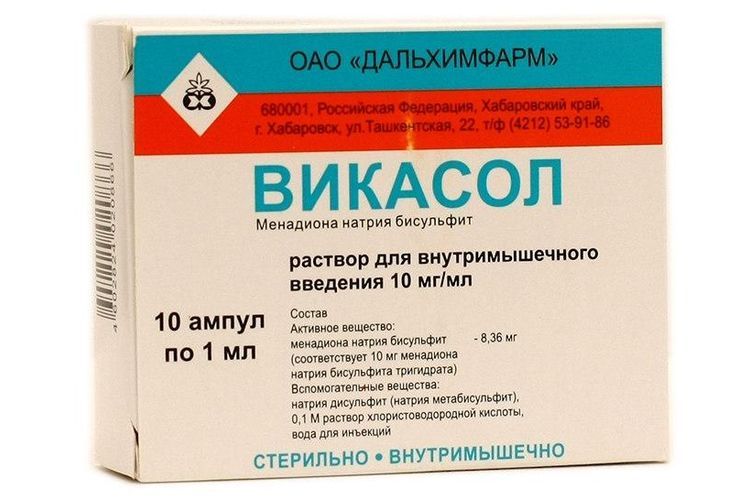
The medication is available in pharmacies in two forms: tablets and an injection solution. Small tablets are packaged in blisters or glass jars containing 30 tablets. The injection solution (a clear, oily liquid) is packaged in glass ampoules of 1 or 2 ml. The ampoules are placed in plastic containers and packed in cardboard boxes.
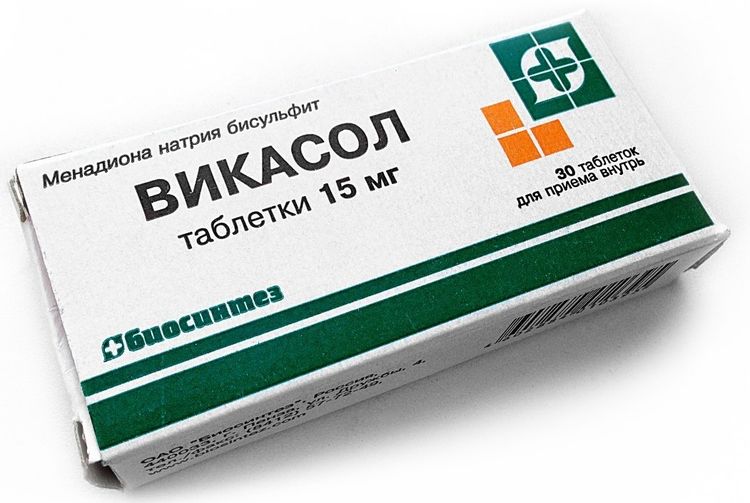
Vikasol is a synthetic analogue of fat-soluble vitamin K. Its active ingredient is menadione sodium bisulfite. Each tablet contains 15 mg, and 1 ml of solution contains 10 mg. The drug is based on a substance obtained through chemical synthesis, although it can influence important biological processes in the animal's body.
Vikasol should only be used on dogs after consultation with a doctor. While the medication is generally considered safe, it is incompatible with certain medications, and exceeding the recommended dose may result in adverse health effects.
How does it work and how is it used?
Vitamin K promotes the liver's production of substances that improve blood clotting. A deficiency of this vitamin in the body leads to the following consequences:
- bleeding increases and blood clotting decreases;
- capillary fragility increases;
- biological processes occurring in the liver are disrupted.
A critical vitamin K deficiency can have fatal consequences. Such symptoms often manifest themselves in case of poisoning with rat poison and zoocoumarin. Vikasol has pronounced hemostatic properties, meaning it improves blood clotting. It also promotes protein production, ensures the delivery of nutrients throughout the body at the cellular level, strengthens bones, participates in the synthesis of cellular and cartilaginous tissue, and improves liver function.
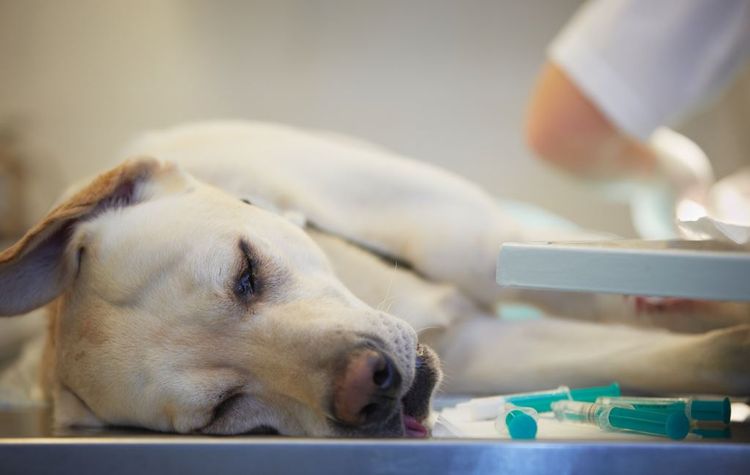
Vikasol is used for dogs for the following pathologies:
- in case of capillary bleeding;
- for internal bleeding caused by various factors;
- in case of bleeding in the stomach caused by peptic ulcer;
- for hepatitis;
- with liver cirrhosis;
- in other severe liver diseases.
The drug can also be used in females with uterine bleeding and acts as a hemostatic agent. It can also be used for injuries accompanied by severe bleeding and after surgery. In these cases, the coagulant stops or prevents bleeding and accelerates wound healing.
Vikasol is also prescribed to dogs for vitamin K deficiency. This may be indicated by vascular fragility, prolonged diarrhea, and other symptoms. A comprehensive medical examination and consultation with a doctor are required before administering the medication in this case.
Important! Vikasol is often used as an antidote for zoocoumarin or rat poisoning. Since the medication doesn't take effect immediately, it is combined with gastric lavage and other medications.
The medicine begins to act only 7-12 hours after administration, and the therapeutic effect lasts for 18 hours.
Price
Compared to foreign vitamin K alternatives, Vikasol is inexpensive. A pack of 20 tablets costs 20-30 rubles, and 10 ampoules of solution cost 50-80 rubles. The drug is manufactured by several Russian pharmaceutical companies. Therefore, it is available in all pharmacies. You can buy it at your local pharmacy or online.
How to use?
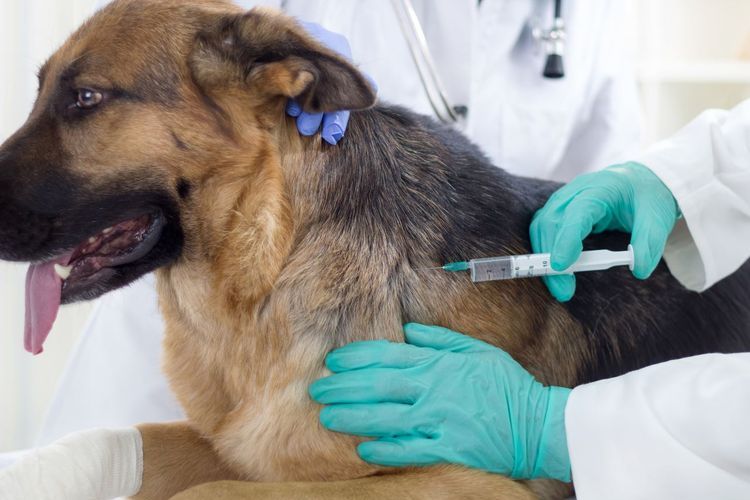
If an injection solution is used for treatment, it administered intramuscularlyBecause of the pain of injections, tablets are often preferred, but in cases of vomiting or poisoning, injections should be used. To reduce pain, warm the ampoule of medication in your hands before drawing the contents into the syringe.
Pills can be given to your dog either forcefully or with food. The method should be tailored to your dog's needs. Some pets can detect medication in their food and therefore refuse it. If trickery fails, apply the pills to the back of the tongue. It's best to use a special device for this purpose, especially if you have a large or aggressive dog.
You won't find dosage information for dogs in the Vikasol instructions, as they're written for humans. The average single dose is 1-2 mg of active ingredient per 1 kg of body weight, but the exact dosage should be determined by a veterinarian. When calculating the dosage, the doctor will consider a number of factors:
- type of pathology (poisoning, liver disease, bleeding);
- symptoms;
- general health;
- age and weight of the animal;
- other variables that may have an impact.
Self-medication of animals with this medication is not recommended. In cases of bleeding, a coagulant alone may not be sufficient. Other medications may be required. The duration of treatment is determined by the veterinarian, but the medication is typically administered for 3-5 days.

Important! In cases of poisoning, Vikasol must be combined with other medications. Don't wait for the medication to take effect; seek medical attention immediately if your pet shows symptoms of poisoning.
Restrictions
Do not use the medicine for dogs with the following health problems:
- with increased blood clotting;
- with thromboembolism;
- in case of hypersensitivity to the components;
- in case of liver failure.
It is not recommended to use this medication on pregnant females. A decision regarding its use should only be made by a physician after weighing all pros and cons.

If a coagulant is used in combination with antibiotics, a dosage adjustment may be necessary, as antibacterial agents inhibit its effectiveness. The medication should not be used with anticoagulants (blood thinners), as it impairs their effectiveness. A doctor should prescribe a combination treatment.
Side effects and consequences of overdose
If the animal is intolerant to the components of the drug, the following symptoms may occur:
- skin rash;
- redness;
- bronchospasm;
- itching;
- other allergic reactions.
Animals generally tolerate the drug without problems or complications. When using the injection solution, a painful swelling may occur at the injection site, which resolves on its own over time. No additional measures are necessary.
The instructions for use do not list any symptoms of Vikasol overdose. However, this does not mean that you can exceed the dose prescribed by your veterinarian.

Owner reviews
Svetlana, owner of two dogs:
"Vikasol was a lifesaver for my dogs. They ate poison on the street. I immediately took them to the clinic, but they just shrugged their shoulders and said there was nothing they could do. I live in a small town, and the vet was young and inexperienced. I had to scour the internet and quickly treat the dogs. I found information about this product and bought it at the pharmacy. It costs pennies. I also used Enterosgel and Smecta. The medication proved very effective; we managed to overcome the poisoning. Now the dogs are active and healthy, but the medication is always available at the pharmacy."
Nadezhda, owner of a German Shepherd:
"We used Vikasol for toxic liver damage in combination with other medications. After we started using this medication, the dog began to improve visibly. She administered the subcutaneous injections herself. I know there are other options available in pill form, but we used injections because at first the dog refused all food."
Veterinarian Reviews
Olga, a veterinarian with 13 years of experience:
"An excellent, albeit inexpensive, remedy. It's an essential first aid for bleeding in animals. Vikasol has helped me save several animals from rat poisoning, but self-medication in such cases is not recommended. It's best to seek professional help, as delay could cost the animal its life."
Nikolay, a veterinarian with 8 years of experience:
"I specialize in animal surgeries, so I often use this drug in my practice. For example, I recently had to perform emergency surgery on a dachshund with a uterine tumor. The entire organ had to be removed to save the life of the three-year-old beauty. The surgery was successful, but internal bleeding began shortly afterward. Vikasol injections prevented fatal consequences. This is just one of many cases I've encountered. The only drawback is the pain of the injections. I haven't noticed any other side effects."
Read also:


Add a comment