
Vestibular syndrome in dogs: symptoms and treatment
A pathological disorder of the nervous system in dogs associated with dysfunction of the vestibular system and impaired motor coordination is called vestibular syndrome. Early detection of symptoms allows for timely treatment and prevents the disease from progressing, which is especially dangerous for older animals.
Content
Forms of the disease
The vestibular system is made up of multiple structures located in the middle and inner ear and the brain, which together maintain posture and overall body alignment. Depending on the location of the lesion, veterinarians conventionally distinguish two types of the disease:
- Peripheral vestibular syndrome is a relatively rare type associated with damage to the peripheral nervous system and dysfunction of the inner ear.
- Central vestibular syndrome is a more severe pathology of the central nervous system, in which dysfunctions of the vestibular apparatus itself and other systems occur, fraught with disability of the animal and even death.
In addition, there are inflammatory, traumatic, toxic, metabolic, and idiopathic forms of the pathology. The latter can be congenital or age-related and develop without specific causes. Other names are formed according to the causes that led to the disorder.
Provoking factors
Among the causes that provoke the development of vestibular syndrome in dogs are:
- previous severe traumatic brain injuries;
- inflammation of the middle or inner ear;
- hormone synthesis disorders (thiamine deficiency);
- uncontrolled use of aminoglycoside-based antibiotics (amikacin, neomycin, geomycin, which some dog owners use for self-medication due to their low price);
- meningoencephalitis;
- neoplasms of the inner ear (cysts, polyps, tumors);
- excessive use of ear cleaning products;
- autoimmune processes due to which the body “attacks” its own nervous tissue.
Note! The disease can develop in dogs of any gender, age, and breed. However, Dobermans, Cocker Spaniels, Beagles, German Shepherds, Fox Terriers, and Tibetan Terriers are most commonly diagnosed.
Symptoms of pathology
The symptoms of peripheral and central vestibular syndromes are identical. The defining characteristics are:
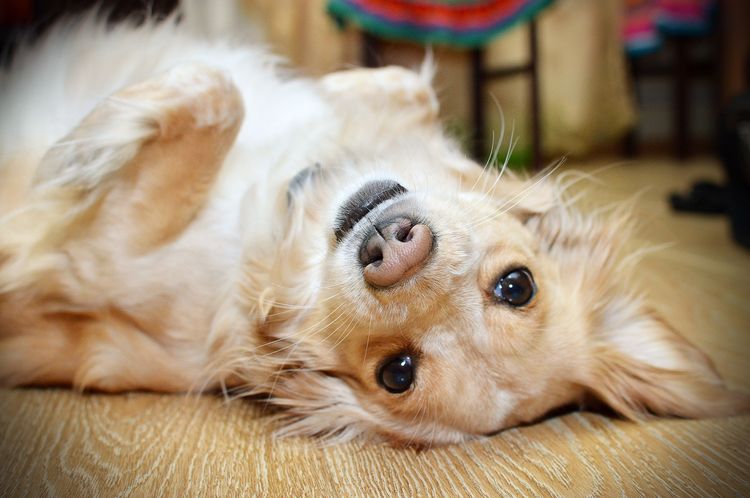
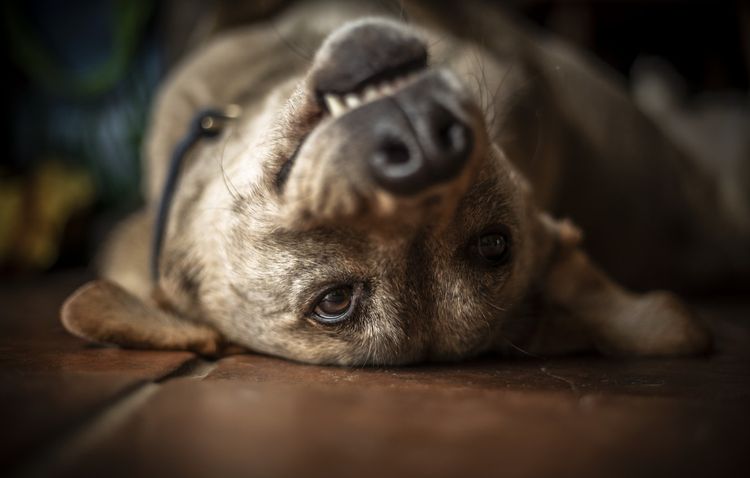
- impaired coordination of movements (disorientation, stumbling and falling on level ground, floundering on the floor, uncontrollable walking in circles)
- an unexplained visible tilt of the head in the direction of the lesion (when the pathology develops on one side);
- twitching of the eyeballs (vertical nystagmus).
Important! Dog owners may interpret some of these behaviors as an invitation to play and may hesitate to conduct an examination. This is a serious misconception that could cost the pet its life.
Other symptoms may include:
- dizziness, which is especially intense in older animals, who stand up with great difficulty or are unable to do so at all;
- partial hearing loss (no response to commands);
- the appearance of convulsions, profuse salivation, vomiting;
- facial muscle paralysis;
- lack of interest in food, self-defence (in advanced stages).
Methods of diagnosis and treatment
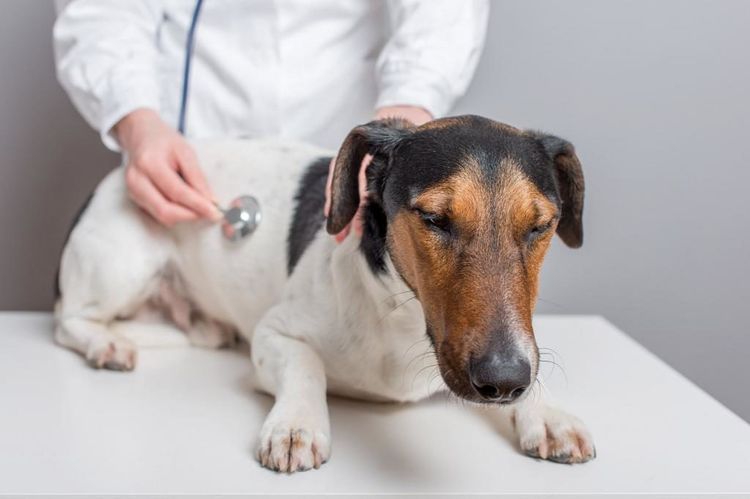
At the first sign of symptoms, it's important to take your pet to a qualified veterinarian. A proper diagnosis will require the dog's medical history and a series of diagnostic tests:
- urine and blood tests;
- X-ray diagnostics to assess the condition of the middle and inner ear;
- MRI, CT to investigate the presence of structural changes in the brain;
- tests to determine the response of the nervous system to stimuli;
- ear scraping;
- Ultrasound diagnostics of internal organs;
Treatment for vestibular syndrome is determined based on the underlying causes. Specific treatment for the idiopathic form (congenital or geriatric) has not yet been developed. A veterinarian can only prescribe medications to alleviate the animal's condition. Symptoms often subside within 72 hours of onset, and within a week, the dog can move independently, but recurrence remains a possibility.
Depending on other causes, the following treatment options may be used:
- For inflammatory processes associated with infections, broad-spectrum antibiotics are used.
Important! If your dog has otitis, do not use ototoxic medications containing aminoglycosides (antibiotics, chlorhexidine).
- If oncological pathologies are detected, surgical intervention or a course of chemotherapy is prescribed.
- In case of endocrine disorders (hypothyroidism etc.) substitution therapy is used.
- Physiotherapy procedures are used as an additional supportive measure.
A timely diagnosis and appropriate treatment can stabilize a dog's condition within 2-3 days, and significantly improve the head tilt within 14 days. To prevent relapse, treatment should not be discontinued at the first visible improvement. The degree and time of recovery can vary from several weeks to several months, and some animals may retain a slight head tilt for life.
Recovery forecast
A positive prognosis for a full recovery applies only to young puppies with an immature vestibular system that can still adapt to life. For adults, residual effects of the disease are highly likely to persist for life, requiring the owner to provide constant care, especially in the later stages, when the dog remains immobile for most of the time. In the most severe cases (especially the central form of the disease), when the animal is practically reduced to a "vegetable," the veterinarian will recommend evaluating the feasibility of treatment and possibly euthanasia as a means of ending this life.

Preventive measures
A balanced diet, proper care, and careful monitoring of even the slightest changes in your pet's behavior will help protect your pet from this dangerous disease. Furthermore, it's important to fully treat all illnesses under the supervision of a veterinarian, especially otitis and neuritis, which can lead to serious health complications.
Read also:
- Discopathy in Dogs: Symptoms and Treatment
- Broken front and back legs in dogs: symptoms and treatment
- Lumps on a dog's hind legs: causes and treatment


Add a comment