
West Highland White Terrier
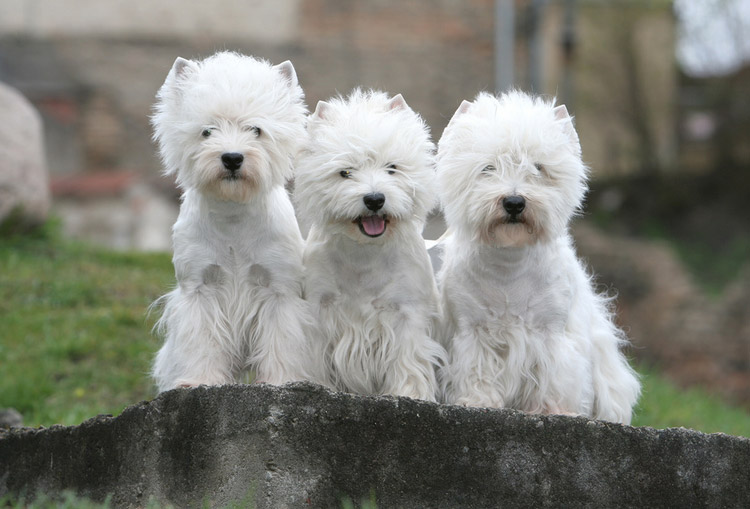
The West Highland White Terrier, or simply Westie, is a small dog breed originally bred in Scotland to hunt foxes and badgers. Today, they have successfully mastered the role of family dogs and companions, but are not considered to be toy dogs. According to the FCI classification, the breed belongs to Group 3 – Terriers, Section 2 – Small Terriers (without working trials). The breed became especially popular after the release of the film Asterix and Obelix.
Content
History of origin
All Scottish terriers—Cairns, Scotches, Skyes, and, of course, the West Highland White—are branches of the same tree. In harsh, rocky terrain, small, short-legged dogs were used to hunt game like foxes, badgers, and wildcats. They deftly found and entered dens between rocks, navigating in complete darkness solely by scent. The terrier's job was to enter the animal's den, corner it, and hold it until the hunter arrived, or, if necessary, engage in combat. The word "terrier" comes from the Latin word "terra," meaning "earth," which is why terriers are sometimes called "earth terriers."
The first mention of small, white, wire-coated terriers dates back to the 13th century, but targeted breeding only began in the 19th century. The most popular breeds at that time were the Cairn, Scotch, and Aberdeen Terriers. It is believed that the West Highland Terrier was created through systematic crossbreeding between these breeds.
The breed's name translates as "Western Highland White Terrier."
Colonel Edward Donald Malcolm (1837-1930) of Argyllshire can rightfully be considered the breed's founder and the author of its name. He had a veritable kennel of miniature white dogs. This color was not chosen by chance. Hunters often made the tragic mistake of mistaking their brown terriers for wild animals, and white coats are easily visible in tall grass and mountains. Three families bred white terriers simultaneously, each line bearing the name of its holdings: Poltalloch, Roseneath, and Pittenweem Terriers. These lines later became the basis for the development of a unified type.
In 1904, the West Highland White Terrier breed was recognized by the English Kennel Club. Just a year later, two breed clubs were established in Scotland and England, followed by another – the North Highland White Terrier Club – which became the favorite. The combined efforts of these three organizations helped consolidate the breed type and create a stable lineage.
Video review of the West Highland White Terrier breed:
Appearance and standards
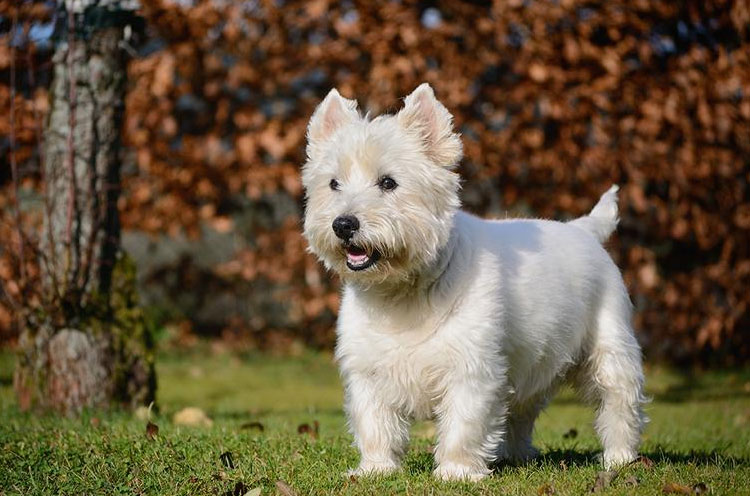
Westies are compact, sturdily built dogs with a deep chest and well-developed muscles. Their appearance perfectly exudes a combination of strength and energy. Their weight ranges from 6-10 kg, and their height ranges from 23-30 cm. Males are slightly larger and more powerful. Westies move freely, easily, and directly in any direction.
Head and muzzle
The skull is slightly convex, with a smooth contour and a slight taper from the base of the ears to the eyes. The distance from the eye sockets to the occipital protuberance slightly exceeds the length of the muzzle. The head is positioned at approximately a right angle to the axis of the neck. A clearly defined stop is formed by well-developed superciliary ridges and a slight depression between the eyes, but the muzzle is well filled in this area. The jaws are level and strong. The nose is fairly large, with a black nose lobe that does not protrude. The eyes are medium-sized, dark, and set wide apart. The small ears are erect. The teeth are fairly large in relation to the overall size of the mouth, and the bite is correct.
Body, paws, tail
The body is compact. The backline is level. The loin is broad. The chest is deep. The neck is fairly long, thickening toward the base. The limbs are short, strong, and well-muscled. The front paws are rounded and larger than the hind paws. The claws and paw pads are preferably black. The tail is 10-15 cm long, covered with wiry hair, carried straight, and does not curl or hang below the back.
Coat and colors
The coat is double, consisting of a stiff, uncurled guard hair 5-7 cm long and a softer, shorter undercoat that lies close to the body. The hair on the head and legs is longer than on the body. The coat is exclusively white, although a slight wheaten tint is permitted.
Character and psychological portrait
They say that if you own a Westie, you don't need a big dog, because the terrier thinks he's a big dog. The Westie is very versatile: hardy, cunning, energetic, and optimistic, he can be playful or quiet depending on his mood and surroundings. He's sociable and very intelligent. He has a small personality and loves being the center of attention. Westies are ideal for families with older children, as they rarely tolerate the antics of small children and are unlikely to accept being treated as a stuffed animal.
It's very difficult to predict how they will coexist with other animals. Terriers are often jealous, which can lead to conflicts. Keeping a hunter and potential prey—a small animal or bird—in the same apartment isn't ideal. They rarely get along with cats, but peaceful cohabitation is possible.
Despite their size, West Whites are not decorative dogs.
Small terriers are self-sufficient and independent, especially when outdoors. They are also quite friendly and rarely initiate conflict. They are always cheerful, curious, and exceptionally brave. Their protective qualities don't correspond to their size, but as a watchdog, the Westie is unmatched, warning of the slightest danger with a loud, ringing bark. Highland Terriers' favorite activities include tracking, barking, and digging. These habits are particularly difficult to break. Overall, they are smart and intelligent dogs, and with proper training, they rarely cause problems.
Education and training
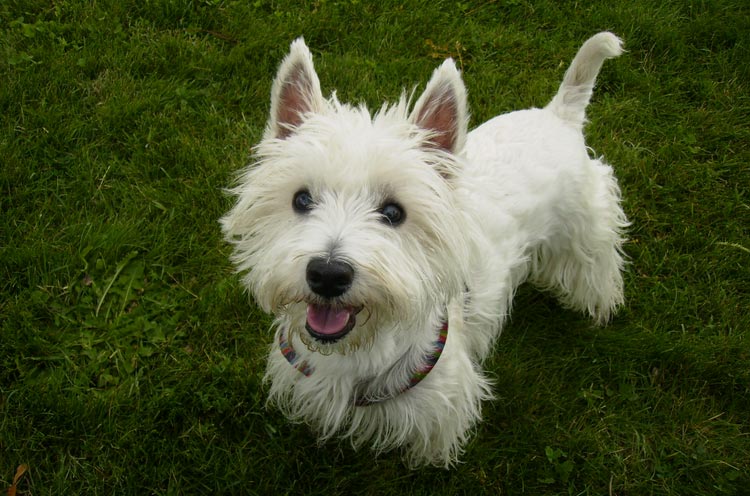
Highland Shepherds require proper training and education. They are fairly easy to learn and quite manageable. At the beginning of the owner-dog relationship, they may be disobedient and stubborn, but as they mature, they will follow the lead of the owner who establishes authority. Patience and the ability to engage the pet will help in training wayward dogs. They should enjoy training, receive praise, and encouragement.
Basic skills every dog needs:
- Walking close to you on or off leash;
- Indifference to the muzzle, the food offered, and hygiene procedures;
- Approach to the owner on request;
- Stopping unwanted actions on command;
- Ignoring loud sounds and noises.
Fulfilling at least these basic obligations without fail will help avoid unpleasant incidents and make living together and walking with your dog more comfortable.
Physical activity
The West White is a true bundle of energy who requires plenty of exercise. Leash walks in the park won't be enough for him. This agile hunter needs occasional opportunities to romp, chase pigeons and cats, and play with other dogs.
Content
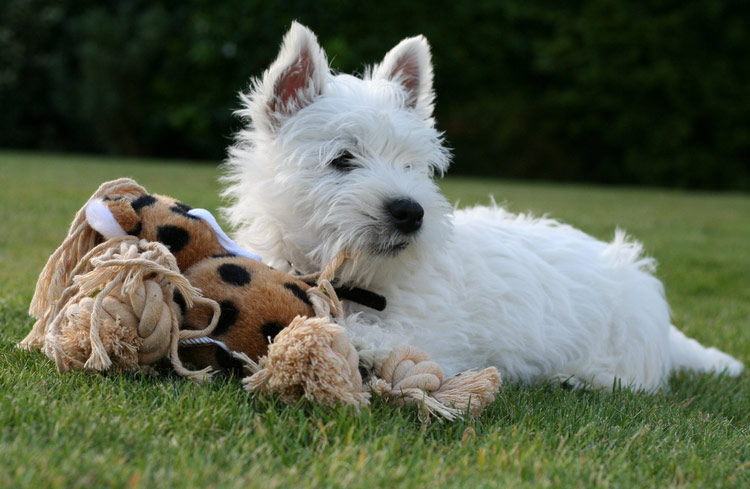
Westies are increasingly being kept as lap dogs, and they can indeed thrive in apartments, but only with regular, vigorous exercise. Important advantages include the fact that Highland Terriers shed virtually nothing and are odorless, provided they are regularly groomed and bathed, but their loud, unrestrained barking may be displeasing to neighbors. If kept in a private home, a terrier will immediately "cleanse" the area of neighbors' cats and start digging holes in flower beds.
Care
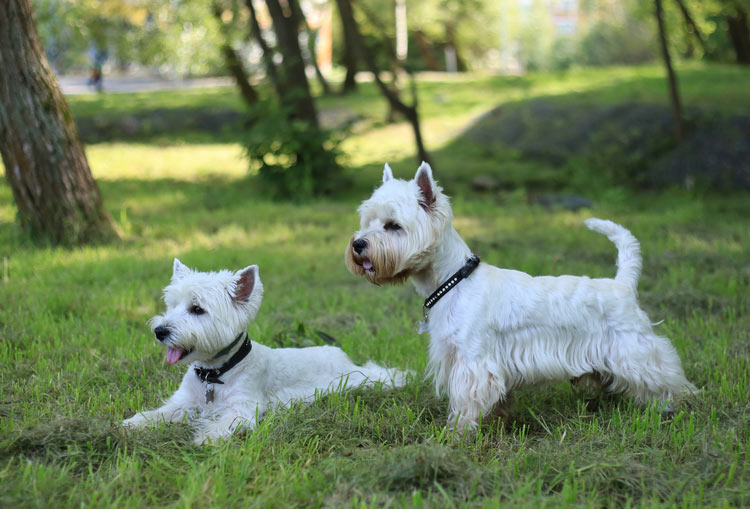
Grooming a Westie is quite complex, especially if you want the dog to look its best. It involves regular brushing (about once a week), trimming and clipping (every two to three months), and bathing with professional grooming products (once a month).
Regularly inspect the ears and clean them as needed. Make sure hair doesn't get into the eyes and irritate the cornea. Teeth should be brushed once or twice a week to prevent plaque and tartar buildup.
Trimming or haircut
Trimming is a regular procedure that involves plucking hair from almost the entire body and is done every 1.5-2 months.
Owners are often offered clipping as an alternative, but this is not the best option for breeds with a wiry coat.
A puppy's first trimming occurs at 4-4.5 months of age. If done correctly and promptly, the coat will prevent matting, protect the dog from rain, cold, and heat, and will have self-cleaning properties, making the pet look cleaner and more valuable. After repeated trimming, the coat becomes softer, thinner, and provides little warmth. The animal quickly becomes wet and dirty, and frequent washing can cause the coat to take on a reddish-brown tint in certain areas, increasing the risk of skin diseases.
Diet
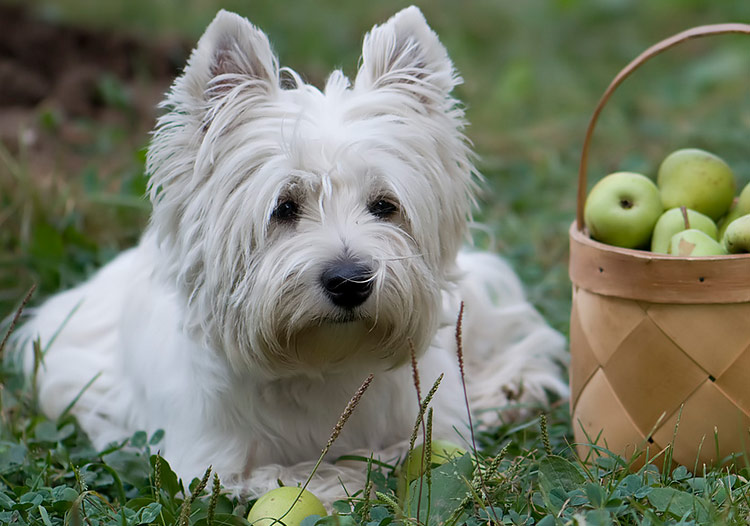
Westies are generally not picky eaters, and the main problem is their predisposition to allergies. Feeding your dog natural or commercially prepared foods is a personal decision. Both options have their pros and cons.
Each age has its own nuances and feeding rules, which an experienced breeder or veterinarian can advise on.
It's important to understand that natural feeding is nothing like what you'd find on a regular table, and not all commercial foods are equally nutritious. The food should be at least super-premium grade; only such diets can meet all the body's needs without harming health.
Health, disease and life expectancy
Highland Shepherds rarely have health problems. They are fairly strong, resilient dogs with strong immune systems. However, they do have their share of hereditary health issues and predisposition to a number of ailments.
Westies are prone to allergies, most often to food, various dermatological diseases, and are sensitive to parasite bites. They often suffer from tartar, oral diseases, and ophthalmological problems.
Hereditary diseases include:
- Pulmonary fibrosis;
- cardiomyopathy;
- Diabetes mellitus;
- Congenital deafness.
- Legg-Perthes disease (necrosis of the femoral head);
- Hip dysplasia;
Prevention is an important health issue: timely vaccinations, deworming, and treatment for external parasites. The average lifespan of Westies is 14-15 years.
Choosing a puppy and price
Westies aren't the easiest choice for new dog owners, families with small children, busy working people, lazy people, or the elderly. They require regular grooming, good nutrition, active walks, and attention. Furthermore, they are quite expensive to maintain.
If you've decided on a small terrier, approach the purchase and selection process responsibly. Here are some key factors to consider when choosing a puppy:
- In the future, the dog will look like its parents;
- Availability of a pedigree, veterinary passport and vaccinations according to age;
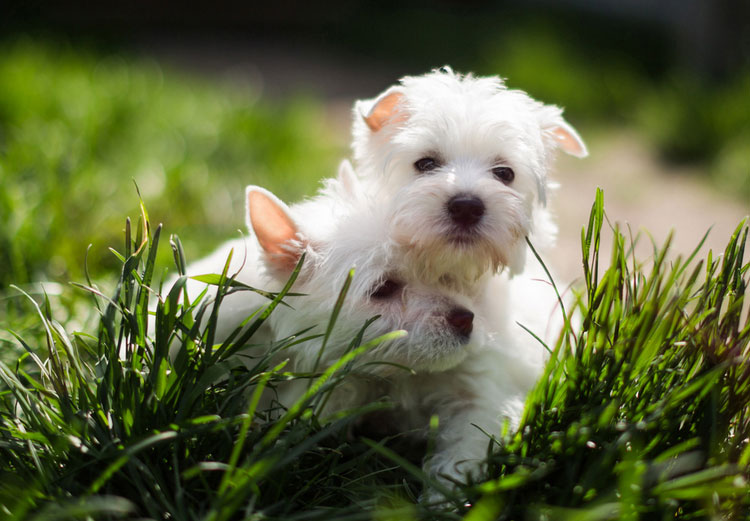
- The puppy must meet the standard: compact and proportional build, short, correct position, presence of all milk teeth, scissor bite, smooth, hard white coat, claws, paw pads, eyelids and lips of black color, eyes - dark brown.
- Healthy appearance;
- Good conditions of detention.
Price of a puppy
The cost of West White puppies in Russia depends on the puppy's class and prospects, the merits of its parents, and the location of the kennel:
- Pet class (domestic pets) – 350-400 USD;
- Breed (for breeding) – 400-500 USD;
- Show class – from $600.
You can find Westies for sale online for much less, but that raises a logical question: why? Most likely, these puppies are from a bitch bred "for health" or financial gain, possibly crossbreeds. In no case is there any mention of the pedigree, quality, or health of the puppies in the litter.
Photos
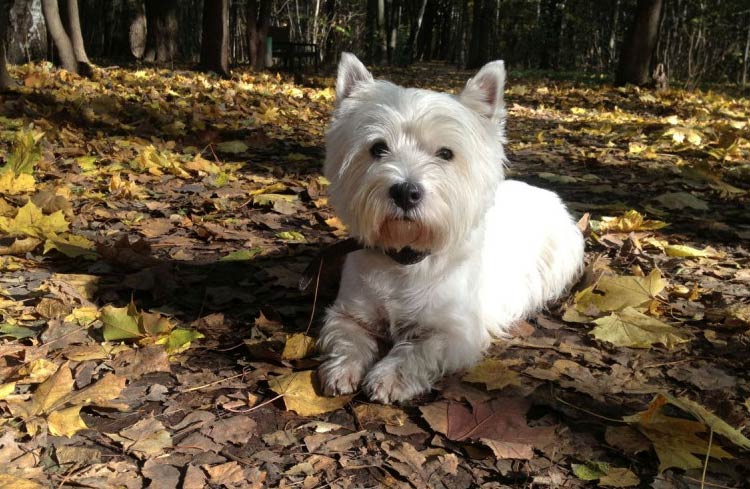
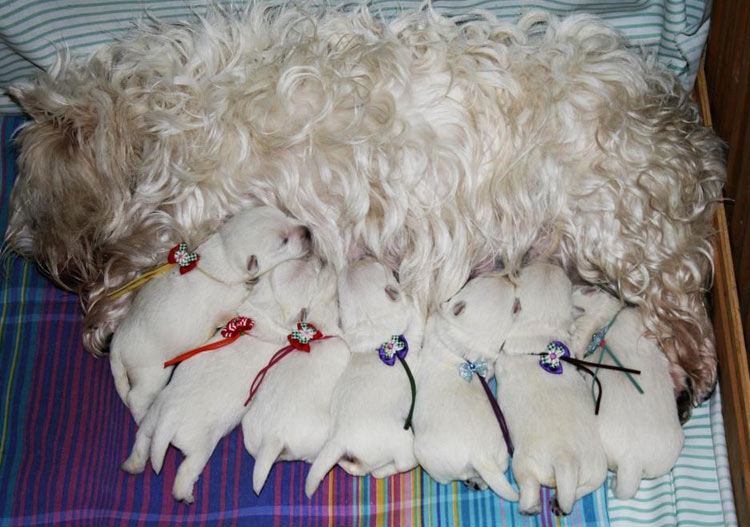
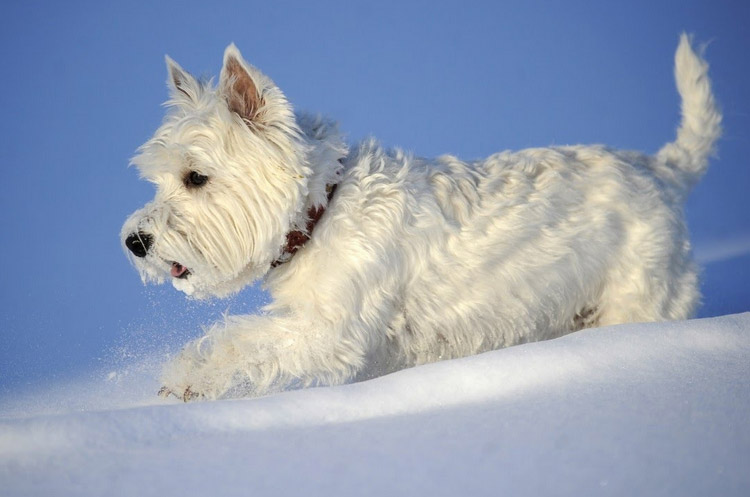
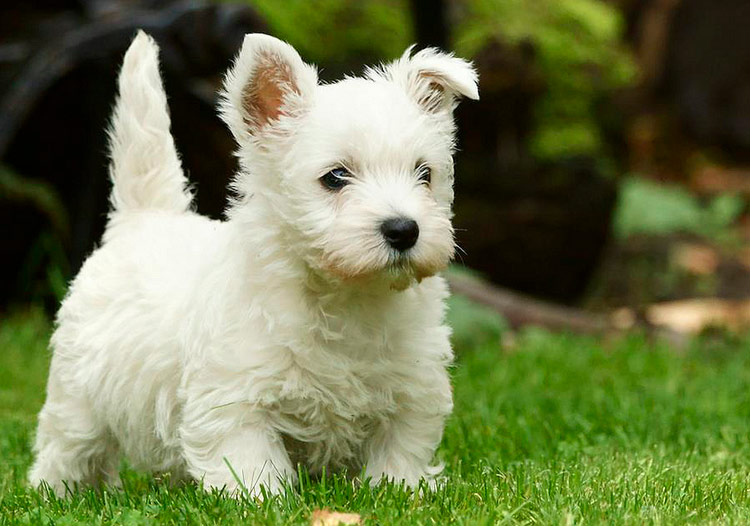
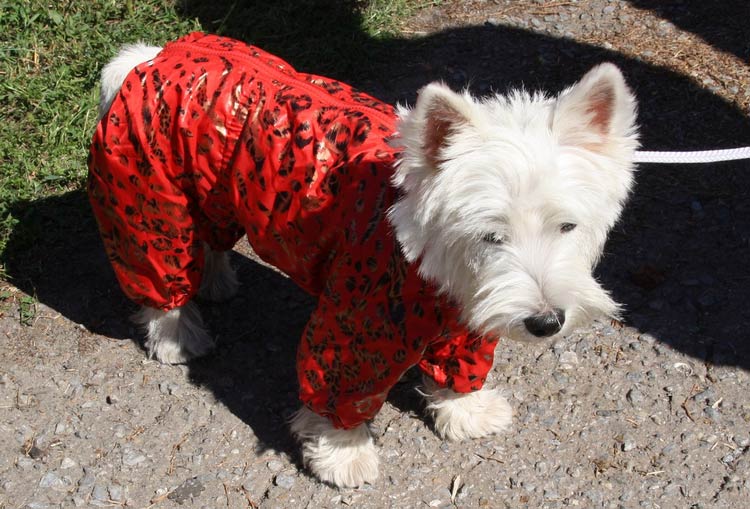
Photos of West Highland White Terrier puppies and adult dogs
Read also:


Add a comment