
Cardigan Welsh Corgi
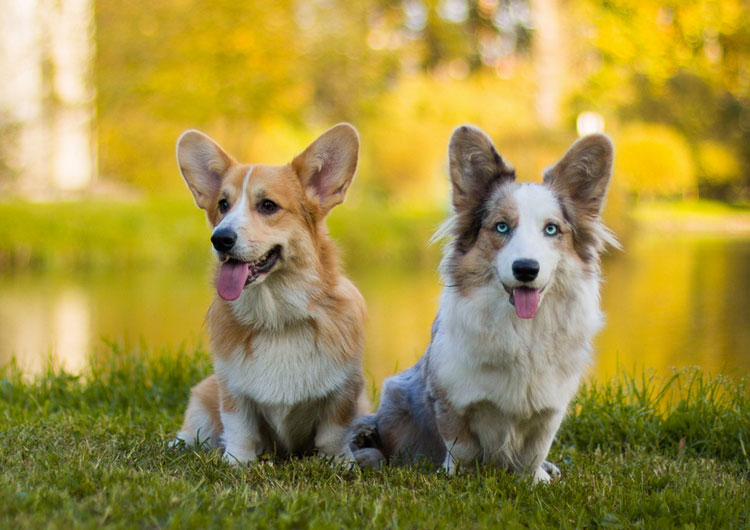
Cardigan Welsh Corgis are striking representatives of the herding family. These small dogs with a playful personality and distinctive appearance have also proven themselves to be excellent companions.
Content
History of origin
The Cardigan Welsh Corgi descended from short-legged dogs bred by Welsh farmers. This is where the name "corgi" comes from, from the Welsh word cor, "dwarf" and ci – "dog." Corgis performed many jobs: herding livestock, alerting larger dogs to the presence of predators or strangers, and hunting rodents, protecting food supplies.
The targeted development of the breed began in the late 19th century. During this period, the historical role of many breeds began to wane. Corgis ceased to be herders, but their playful nature, playfulness, and good nature made them excellent companions.
In 1925, corgis were registered with the Kennel Club of Great Britain. At first, the association did not share Pembrokes and Cardigans, which allowed them to overlap and caused much controversy. Although similar in appearance, both breeds developed independently: Cardigans in an isolated area of Carmanthenshire, and Pembrokes in Pembrokeshire. In 1934, the club finally corrected the error and separated the breeds.
In 1931, the first Cardigans from England were imported to the United States. Just five years later, the breed was recognized by the American Kennel Club, and a standard was approved. The Cardigan Corgi is like a small sports car: fast, maneuverable, and low-slung.
Video review of the Cardigan Welsh Corgi dog breed:
Appearance and standards
A dog a yard long—that's how the English affectionately joke about the corgi. And long ago, before a yard became a meter, the Welsh Corgi measured 36 inches from nose to tail.
It would seem that long-legged shepherds would be better suited for this type of work than short ones, but this is highly debatable. It's no coincidence that Cardigans are short. Welsh farmers noticed that short-legged dogs easily avoided the kicks of cows' hooves, which would be driven mad by their loud barks and nipping at their heels. However, the cattle would wave their legs overhead without causing harm to the dwarf. Furthermore, many farms were located on marshy plains and in the mountains, and their strong, short legs with well-developed tufts were well suited to life and work in harsh terrain. The Cardigan's proper double coat made it resistant to any weather and allowed it to easily shed mud and water.
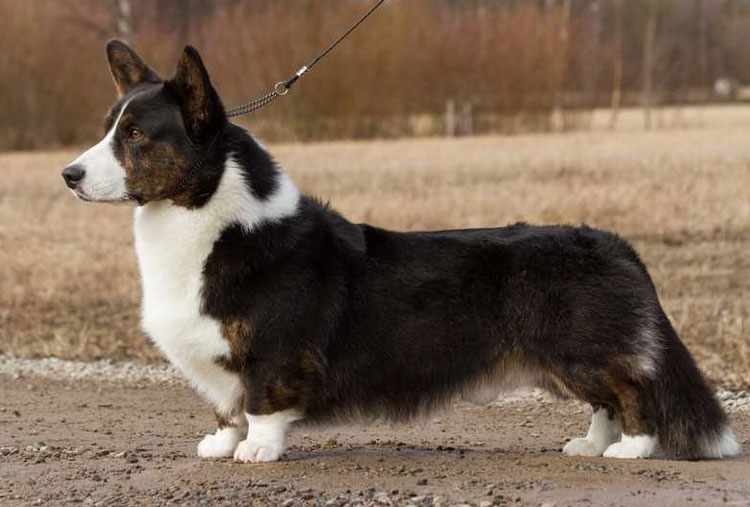
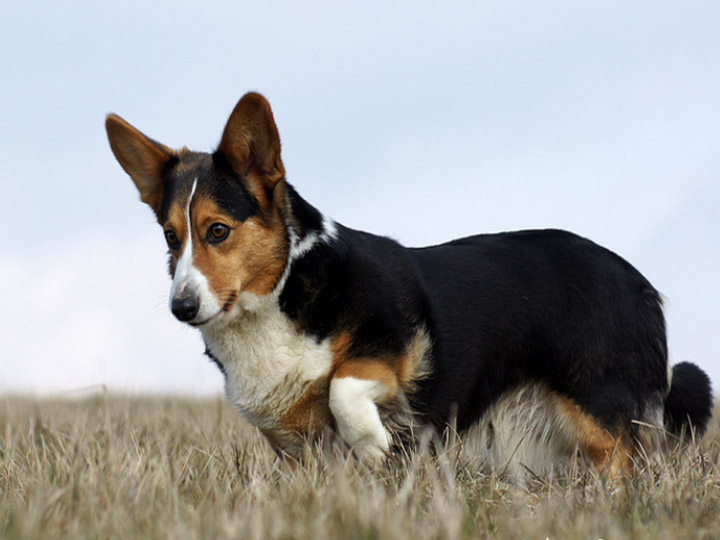
Welsh Corgi Cardigans are sturdy, small dogs with a long body, short legs, and a fluffy coat like foxes, tail. The ideal height at the withers is 30 cm, and the weight is 10-14 kg.
Head and muzzle
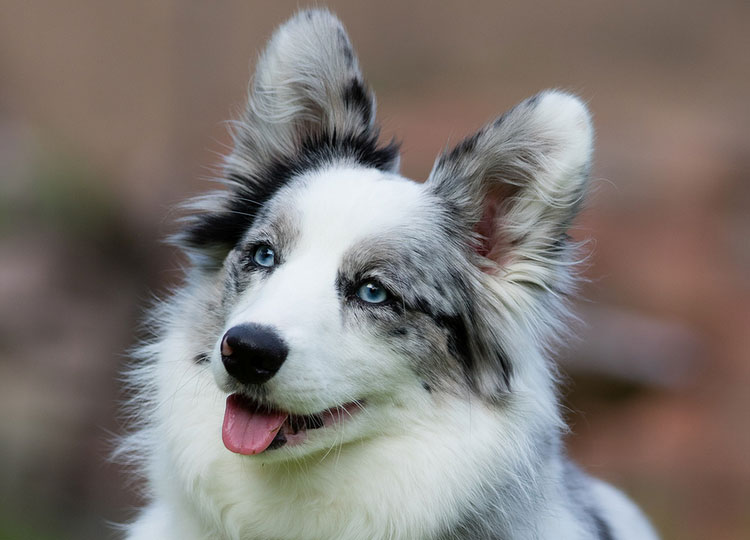
The shape and appearance of the head resembles a fox's. The skull is broad, flat between the ears, and tapers toward the eyes. The stop is moderately pronounced. The muzzle tapers smoothly toward the black nose, but should not be blunt. The lower jaw is well defined. The teeth are complete and meet in a scissor bite. The eyes are medium in size, with an alert and good-natured expression, set fairly wide apart. The eyelids should be well pigmented, and the iris dark. Only in the harlequin coat are one or two light-colored eyes permitted. The ears are fairly large in proportion to the body, erect, and wide at the base, with a distance of approximately 9 cm between them. The auricles are set slightly back and should lie flat against the neck.
Frame
The neck is strong and muscular, proportionate to the body size. The body is massive, elongated, with well-sprung ribs and a distinct taper at the belly. The topline is level. The paws are rounded with well-developed pads. The limbs are short, with heavy bone, but despite their length, the body should be clearly set off from the ground.
Coat and color
The coat is short to medium length and harsh to the touch. The undercoat is well developed, thick, and dense. The topcoat is preferably straight. A distinctive feature of the coat is its resistance to inclement weather. The standard allows for virtually any color; white markings are permitted, but white should not predominate.
Character and psychological portrait
Beneath this dog's cartoonish appearance lies a strong and independent shepherd character. Cardigans are good-natured, alert, intelligent, and energetic. They are very people-oriented, yet always maintain a strong sense of self-worth. They are good with children, showing attention and tolerance. They will happily play and frolic with older children.
Corgis shouldn't be encouraged to be overly independent, as they may eventually follow only their own rules. Another characteristic trait is their attentiveness. Corgis are able to recognize even the slightest change in their normal environment, which can lead to excessive barking. Corgis are always cheerful, playful, and eager for any task. They do not tolerate loneliness well. Some dogs become very anxious when family members are scattered throughout the house, but the Corgi, like a true herder, prefers everyone to be in one place.
They generally get along very well with other animals. Corgis are completely non-aggressive and non-confrontational. They may only hunt small animals and birds.
Training and exercise
Corgis are very independent dogs that need a leader. They are easily trained, but can resist a trainer's demands. Training this breed requires a lot of time, patience, and treats. Once the basics are mastered, the Cardigan needs new challenges and constant mental stimulation.
Corgis are very hardy and active, so they need regular exercise to stay in good shape and burn off the energy they accumulate during the day.
Daily walks should be combined with active play, exercise, and training. Regular exercise is also essential for maintaining a healthy weight. Corgis are prone to obesity, and when combined with their long back, this can lead to health problems. When picking up a Corgi, hold their front legs firmly with one hand and their hindquarters with the other. Avoid allowing your Corgi to jump from heights or run down stairs. It's best to use a harness instead of a collar on walks.
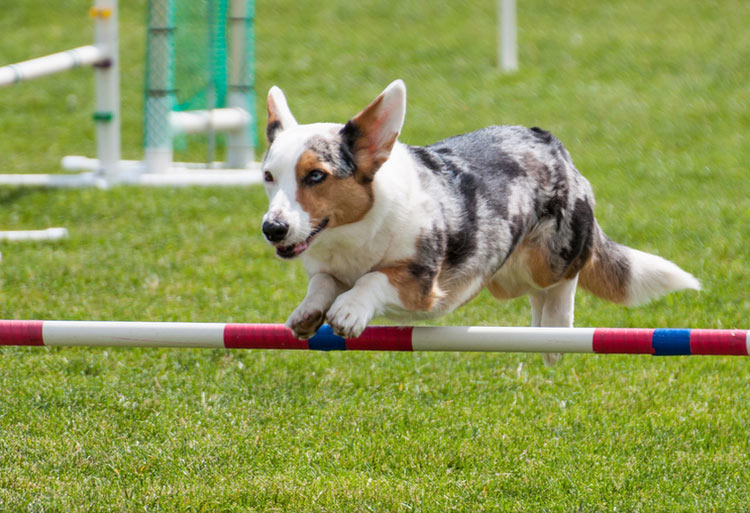
This energetic, athletic dog can be used for sports. Cardigans excel in agility and freestyle. Frisbee is not recommended for them due to the strain it puts on their backs, although it can be a fun way to add some variety to walks.
Maintenance and care
These dogs easily adapt to a variety of living conditions, whether a private home or a ranch. Even in a small apartment, provided they are walked regularly, they will thrive. Corgis are very compact and clean; their only drawback is their constant shedding, but this can be minimized with regular brushing.
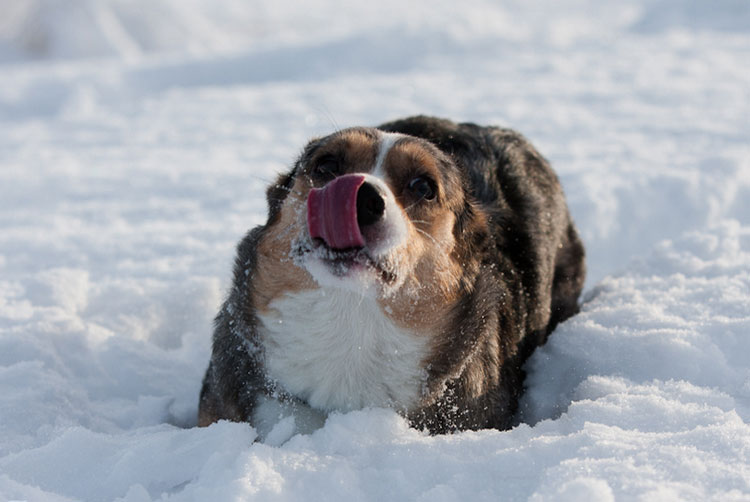
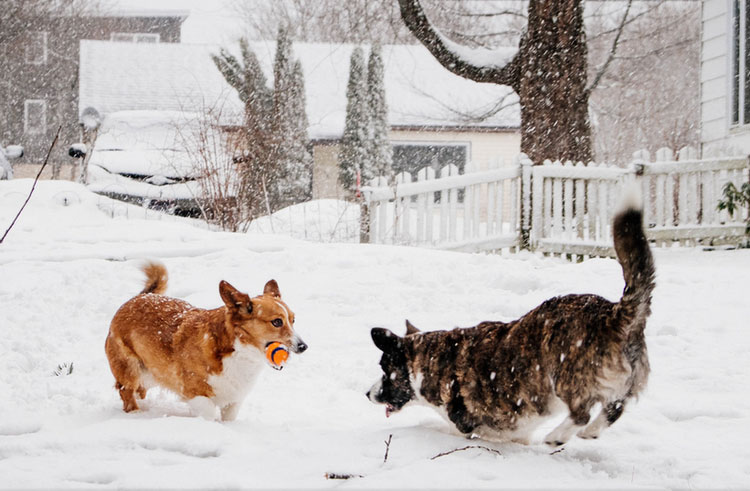
Corgis are fairly clean dogs, and their wild-type coat means they are highly resistant to dirt and self-cleaning. Corgis shed almost year-round, especially heavily during the seasonal coat change. Brushing them weekly is sufficient to remove dead hair, and daily during shedding season. This does not apply to fluffy dogs, which have softer, longer coats. These dogs require special care and are prone to matting. Fluffy dogs require much more frequent bathing, and in cold weather, after walks, you often have to soak away snow clumps stuck to their chest and belly.
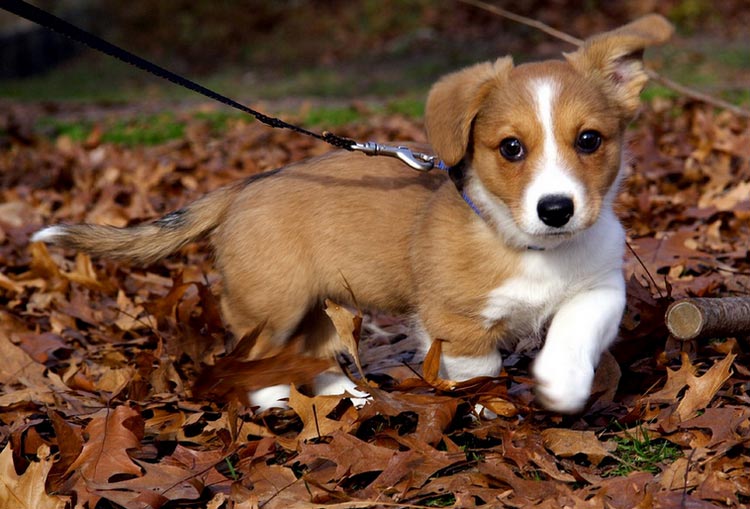
Eye and ear care consists of regular inspections and keeping them clean and dry. If any discharge accumulates in the corners of the eyes, it should be removed. The ear canal is cleaned as needed. Corgi puppies' ears may be droopy until they are 3-4 months old. These ears usually stand up on their own, but sometimes temporary support is required, as well as nutritional supplements recommended by a veterinarian.
Diet
Most breeders recommend feeding Cardigans high-quality super-premium food and holisticsThe choice of food depends on the pet's age (puppy, adult, or senior), physiological condition (pregnancy, lactation), activity level, and food preferences. The daily ration is calculated based on weight and divided into 2-3 meals. Clean drinking water should always be freely available. At the slightest sign of weight gain, reduce feeding and increase physical activity. Low-calorie foods are also worth considering.
Of course, owners can feed their dog natural foods if they wish, but providing a properly balanced diet will be somewhat more challenging. Supplemental vitamin and mineral supplements will also be necessary.
Health and life expectancy
Cardigans are strong and resilient, tolerate inclement weather well, and adapt easily to a variety of living conditions. However, they are prone to a number of health problems. Some Welsh Corgi illnesses are genetic and the result of inappropriate breeding practices. Others can be caused by improper care, housing, or nutrition, or a lack of basic preventative measures (vaccinations, deworming, etc.). Their lifespan is 10-14 years.
Common hereditary diseases:
- Eye diseases. One of the most serious is progressive retinal atrophy, which leads to blindness by the age of 3-5 years. Cataracts, lens dislocation, glaucoma, and eyelash growth abnormalities are also common in the breed.
- Orthopedic diseases (intervertebral disc deformity, patellar dislocation, hip dysplasia);
- Epilepsy;
- Disorder of blood clotting processes (von Willebrand disease);
- Allergies;
- Immunoglobulin deficiency (a rare inherited disease of the immune system).
Choosing a Cardigan Welsh Corgi Puppy and Price
Anyone looking to acquire a truly high-quality, healthy puppy will need to spend some time searching and take the selection process very seriously. A dog should only be purchased from a reputable breeder, preferably one that specializes in only one breed. Pay attention to the parents, their appearance, achievements, and the conditions they are raised in. Participating in shows for pedigree dogs requires a good character, the right appearance, and health; otherwise, they will not achieve high titles.
It's best to decide in advance what you want the dog for: for shows, breeding, or as a pet. Perhaps the dog will participate in a sport, in which case it's best to adopt a puppy from parents who have achieved success in that field.
If you don't have time to attend shows and visit breeders, it might be worthwhile to talk to owners and breeders on a breed forum. Also, consider your gender preferences. Breeders are allowed to begin selling puppies at 45 days of age. Purebred puppies always have a puppy card; it's up to the future owner to decide whether to use it for a pedigree. The breeder should feed the puppies high-quality food, not gruel.
Be prepared for a high price for a puppy. If a puppy is offered for less than the average price, it's best to consider the reasons for the unprecedented "generosity."
The average price of a Cardigan Welsh Corgi puppy is 1,000 euros. Those who still want a purebred dog (with a pedigree) but are looking for a cheaper option can try looking for puppies with some kind of defect. This may be a minor flaw that doesn't affect health but prevents them from being used for breeding. The most common fault in Corgis is fluffy hair. These puppies are distinguished by their long, soft coat, which requires more grooming at any age. Another common fault is cryptorchidism (the failure of one or both testicles to descend into the scrotum). Malocclusions and incomplete dentition are also common, but these defects become apparent only after the teeth have been replaced.
Photos
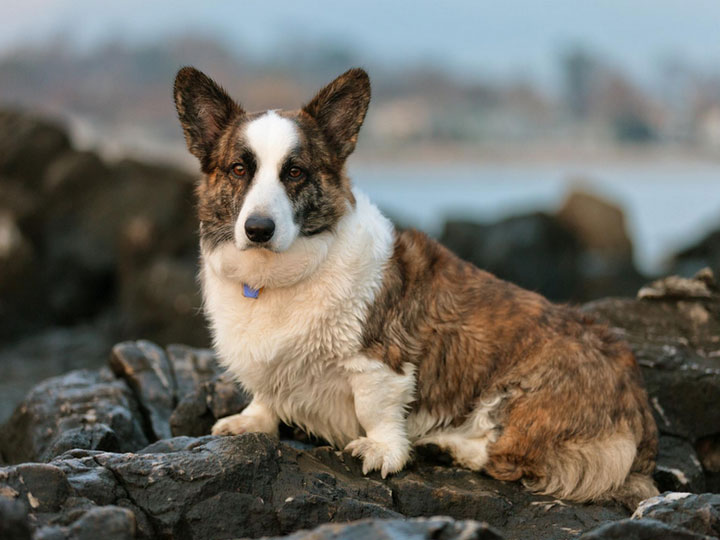
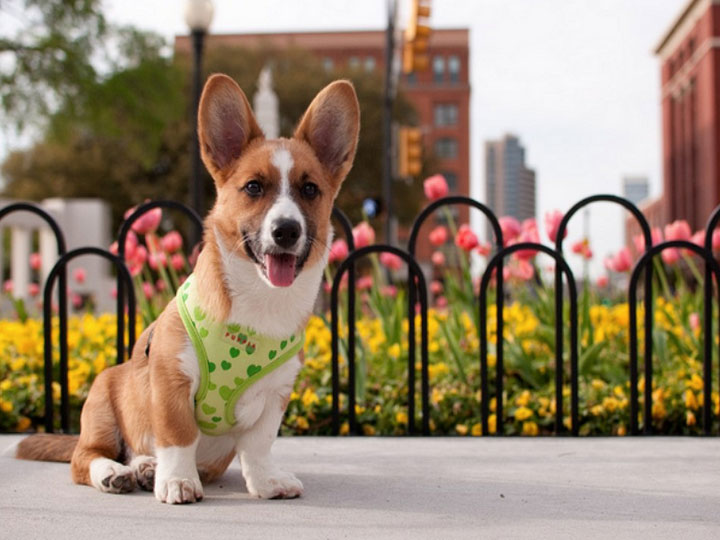
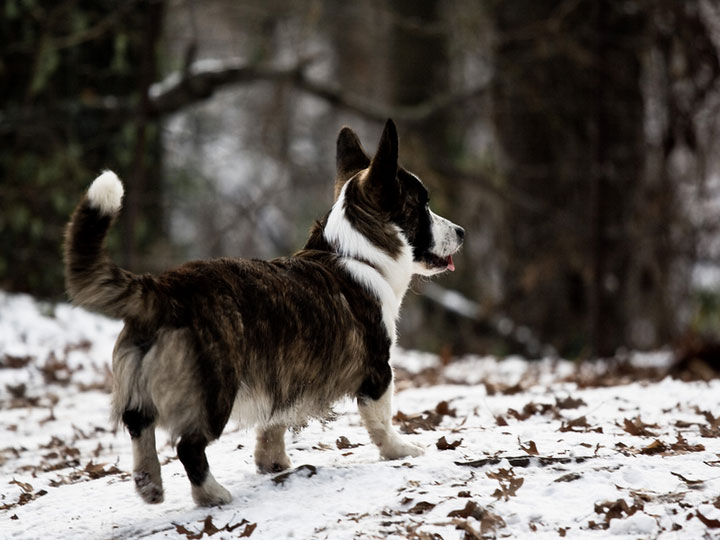
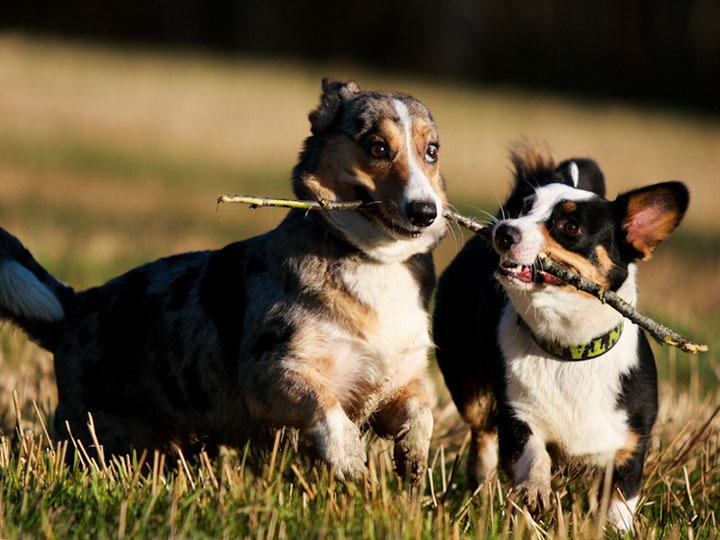
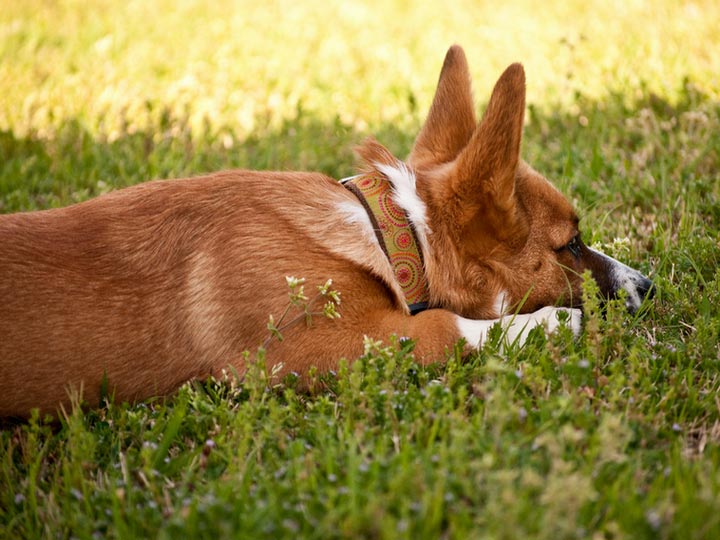
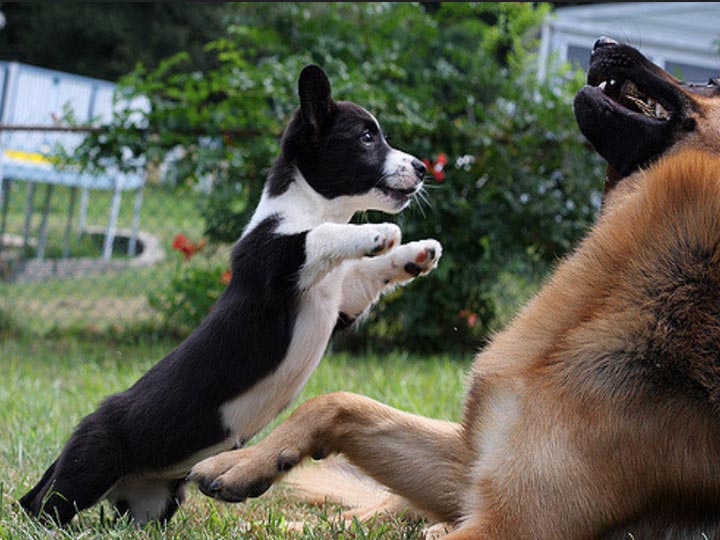
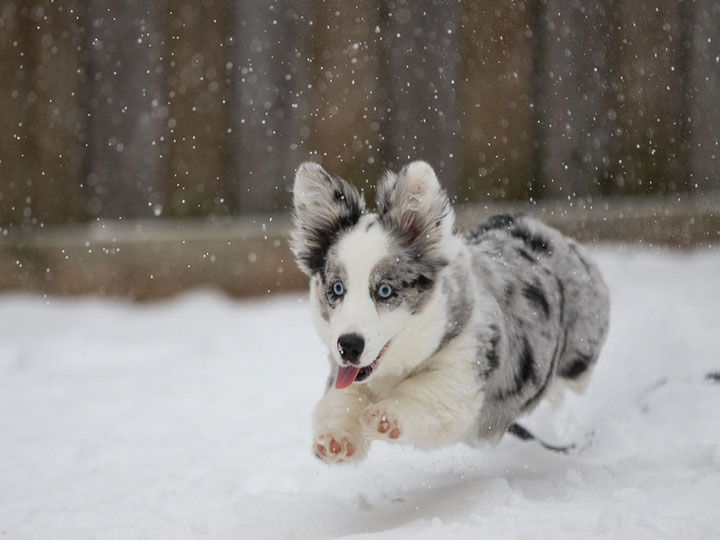
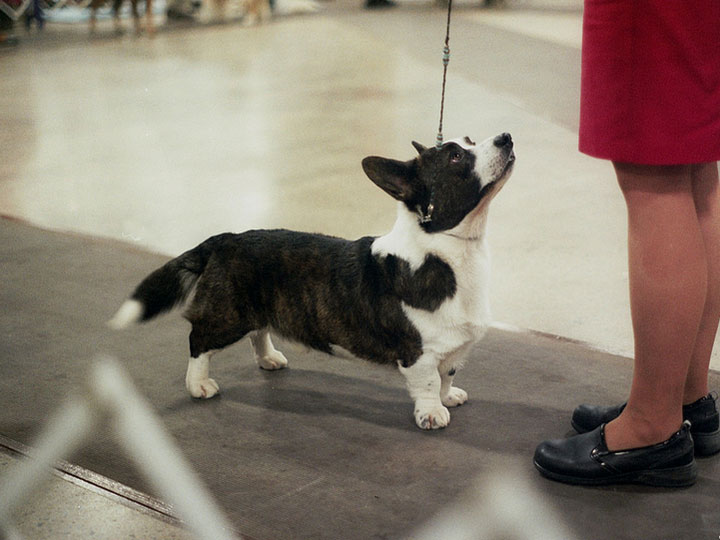
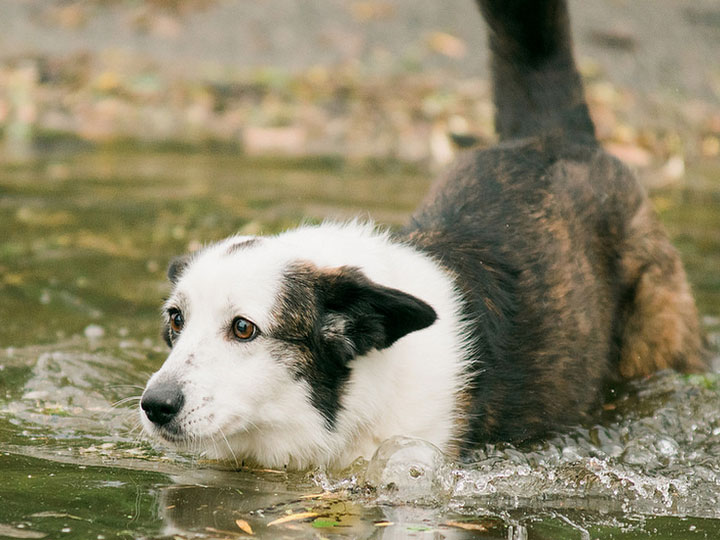
Photos of Cardigan Welsh Corgi puppies and dogs of various colors:
Read also:


Add a comment