
Weight pulling for dogs: what it means and the basic rules
Continuing our exploration of canine sports, today we'll discuss dog weight pulling, explore the origins and meaning of the term "weight pulling," and explore the basic rules for this discipline.
Content
Features of weight pulling
The phrase "weight pulling" translates from English as "pulling a load." Dogs participating in competitions must cover a specified distance as quickly as possible while pulling a loaded cart or sled.
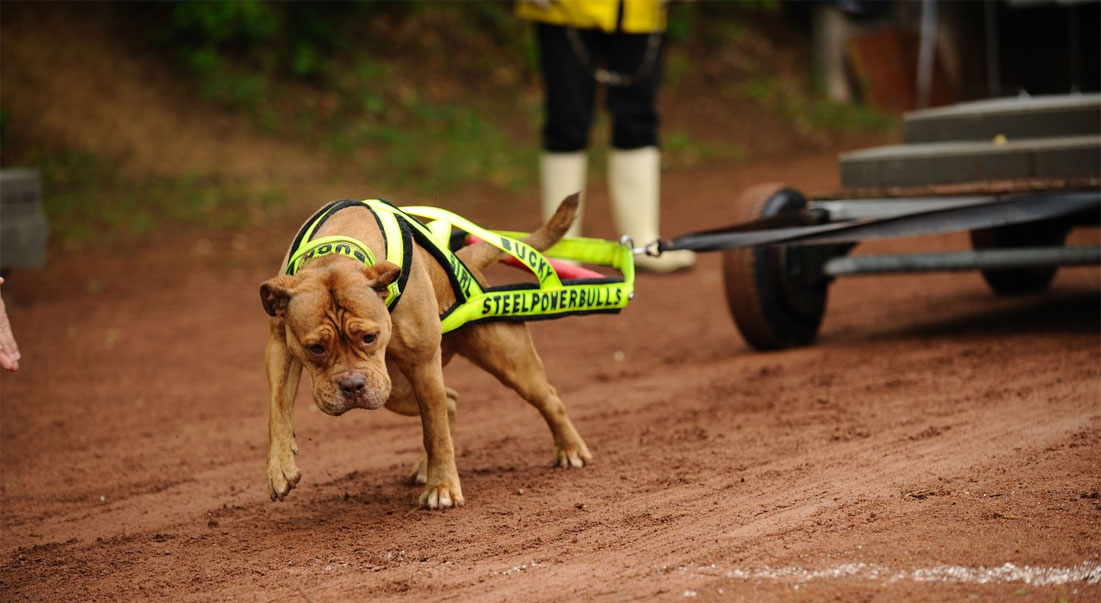
Initially, dog weight pulling was positioned as a separate discipline within sled dog sports, designed to determine not only the fastest animals but also the strongest. This is why the sport was previously only available to sled dog breeds (Huskies, Samoyeds, Malamutes, Kamchatka, Sakhalin, and Tamaskan sled dogs, among others).
Weight pulling wasn't recognized as a separate sport until 1978, when the international dog association ISDRA approved its first set of rules. Breed restrictions were later lifted, so today the sport is open to dogs of all weight classes. Statistically, American Pit Bulls, Staffordshire Terriers, and American Bulldogs perform best in their respective categories.
In Russia, weight pulling has been recognized as an independent sport since 2005.
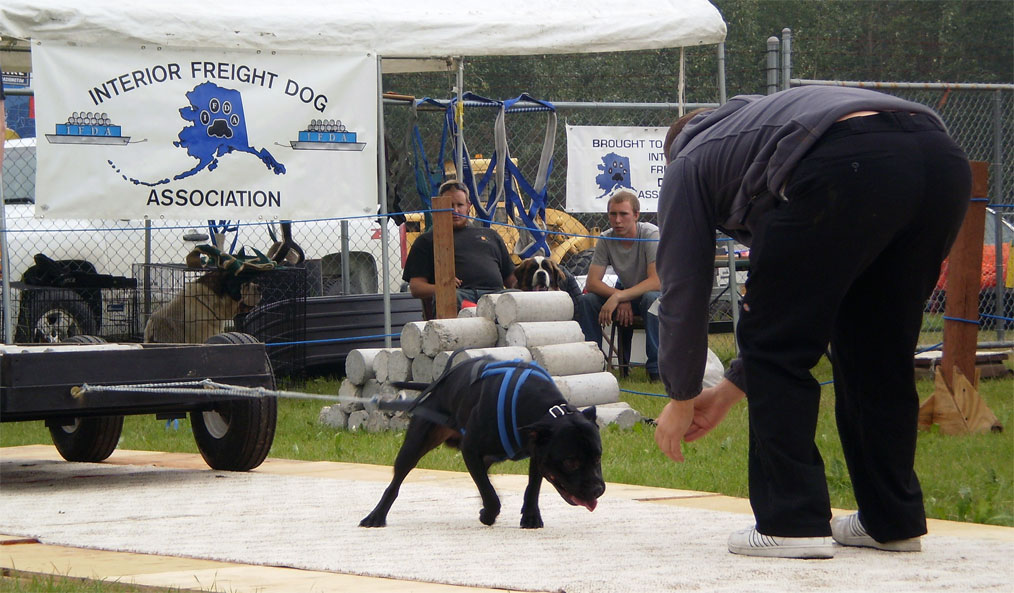
The rules for competitions held by different cynological sports organizations have a number of differences, including:
- weight categories of participants;
- distances over which cargo is pulled;
- site covering;
- scoring system.
Admission to competitions
Animals that meet the following requirements may be entered into weight pulling competitions:
- breed – no restrictions;
- age – from 1 to 11 years;
- good physical condition (veterinary confirmation required);
- the presence of a brand or microchip.
Important! The only incentive for the animal to pull the load is its own desire to pull or the owner's command. Treats, whistles, or any physical or psychological coercion should not be used.
Weight categories of participants
This sport is popular in many countries, so before you start training your pet, it's worth familiarizing yourself with the rules and existing categories in detail.
Cargo weight
Traditionally, weight pulling competitions involve 5-12 rounds. In Russia and Europe, dogs pull a weight over a distance of 5 meters, while in North America, it's 4.8 meters.
In the first round, dogs are offered a minimum weight, which is strictly regulated by the rules:
|
No. |
Category of participants |
Cargo weight |
|
1 |
less than 10 kg |
up to 100 kg |
|
2 |
11-20 kg |
up to 200 kg |
|
3 |
21-30 kg |
up to 250 kg |
|
4 |
31-40 kg |
up to 300 kg |
|
5 |
41-50 kg |
up to 350 kg |
|
6 |
more than 50 kg |
up to 400 kg |
In each subsequent round, the load weight is increased by 20-30 kg for categories 1-2, by 40-60 kg for categories 3-4, and by 80-100 for categories 5-6.
The benefits and potential dangers of weight pulling
Like any other professional sport, weight pulling is safe and beneficial for dogs, provided the basic rules are followed.
Regular exercise allows you to:
- strengthen the musculoskeletal system;
- develop beautiful muscle definition;
- improve the functioning of the cardiovascular system;
- control optimal weight;
- provide the dog with the necessary emotional stimulation to feel well;
- reduce the pet's level of aggressiveness.
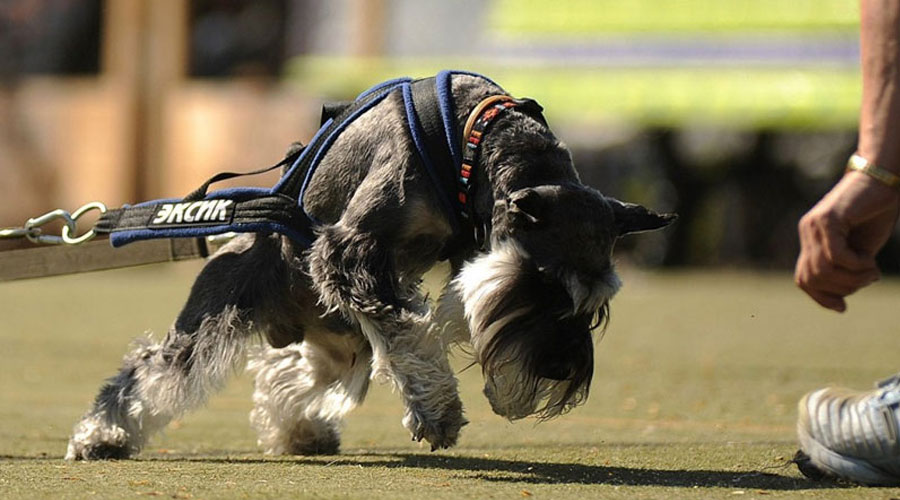
Various injuries, of course, also happen, but if you train under the guidance of an experienced trainer and monitor the dog’s condition, their likelihood is minimal.
Basic rules for safe weight pulling:
- Before starting strength training, it is essential to check your pet's health.
- From the first day of classes, high-quality sports equipment is required (the correct harness that distributes the load).
- Gradual progress that is achieved without overloading the animal.
How to start exercising
If you're determined to weight pull your pet, you need to start by acquiring the right equipment. A weight pulling harness should be tailored to your dog's physical characteristics (usually custom-made).
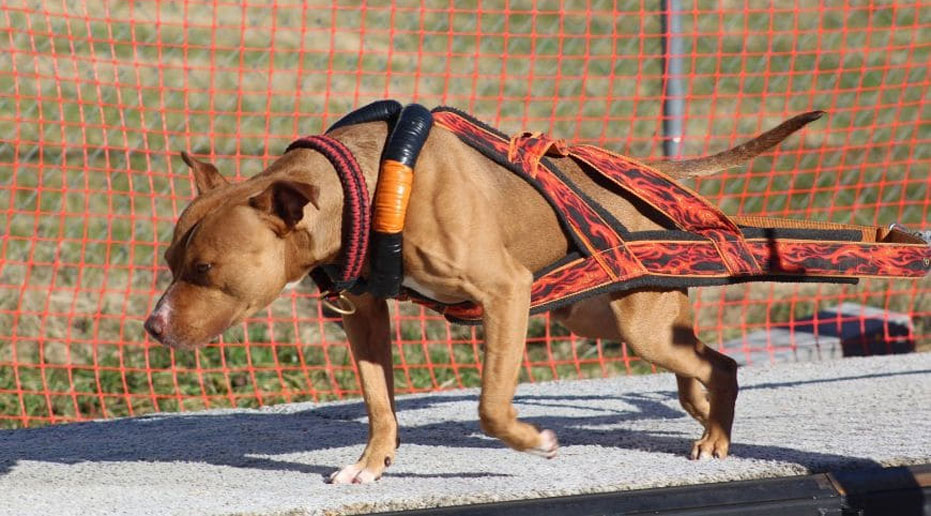
You will also need a special platform for the load, which is selected taking into account the rules of the competition in which you plan to participate:
- sledges (sleds) – for snow cover;
- wheeled carts – for various surfaces (except snow);
- wheeled (on rails) – for the corresponding type of competition (do not give the right to WD, WDX, WDS titles).
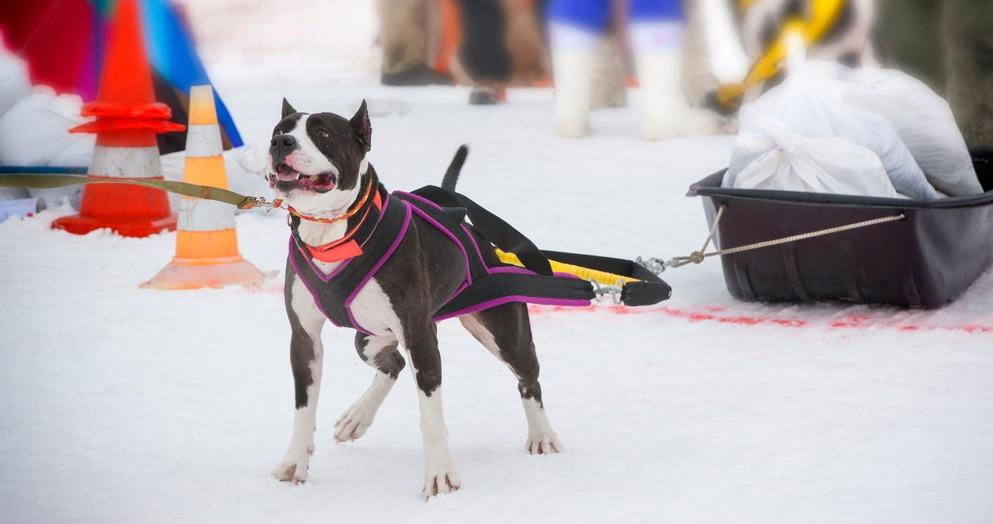
Your dog's first training sessions should be short and engaging. The main goal at this stage is to accustom your pet to the harness and instill an interest in this new activity.
To begin with, it's best to use light weights. You can offer your dog the task of towing a 3-5 liter water bottle (later a car tire) over relatively short distances (100-200 meters). Once your pet gets used to not being distracted by the towed object and learns to perform the required action on command, you can gradually move on to heavier weights. This will require a cart and a suspended load.
Video about weight pulling
Read also:
- Frisbee for dogs: what it is and how to teach them to play
- Bikejoring for dogs: what it is and how to do it correctly
- Obedience for dogs: what it is, where to start, and training rules


Add a comment