
Dog Vaccination: Vaccination Schedule
Many canine diseases, which only vaccination can protect against, are fatal to the animal itself and dangerous to its owner. Although some unvaccinated pets survive well into old age, vaccination is considered a necessary protective measure to prevent most health problems in your four-legged friends. Unlike hereditary immunity, which is formed naturally and transmitted genetically, acquired immunity develops only after an illness or the administration of an appropriate vaccine. Therefore, only a puppy that is vaccinated on time will be reliably protected against infections and parasites for at least a year.
Content
When to get the first vaccination
Ideally, puppies should be fed their mother's milk until they are 8 weeks old, which significantly strengthens their innate immunity. This provides natural protection for the first 4–18 weeks of life, during which time the puppy should receive its first vaccinations. However, since a puppy's immune system is still developing until 8 weeks of age, it is recommended to vaccinate between 8 and 12 weeks—the so-called "window of susceptibility," when the body's resistance to infections significantly decreases. This is the most appropriate time for the first vaccinations.
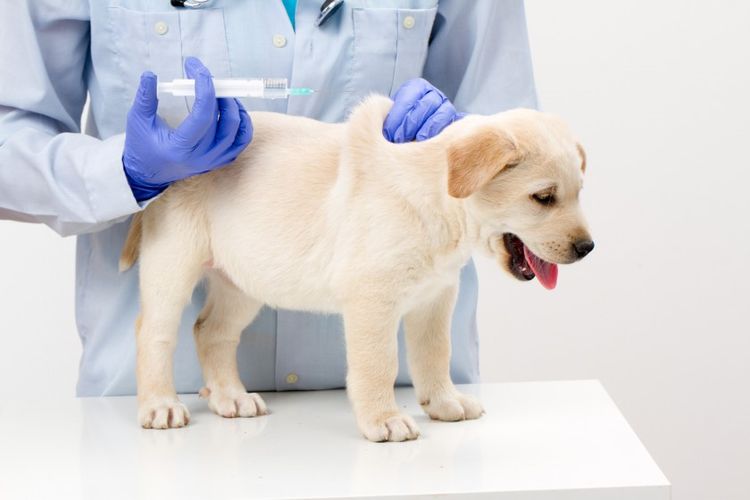
The puppy must also be completely healthy at the time of vaccination, as a weakened body may develop unexpected complications from the vaccine. It is advisable to have a veterinarian create a customized vaccination schedule for your puppy, taking into account its developmental needs and health. However, if no abnormalities are observed, the general dog vaccination guidelines and schedule can be followed.
Vaccination schedule for puppies
Recommendations on the timing of vaccinations, their purpose and comments on each are given in the table below.
|
Age of the puppy |
Vaccination appointment |
Comment |
|
1 month |
PUPPY vaccine, given in case of urgent need |
It is carried out on very young puppies only in cases of increased risk of infection. |
|
8–10 weeks |
Primary vaccination against hepatitis, plague, parainfluenza, enteritis, leptospirosis |
A quarantine of up to 2 weeks is mandatory, after which immunity to the specified diseases will develop. |
|
11–13 weeks |
Second vaccination against the same diseases |
A similar 2-week quarantine is observed |
|
Primary rabies vaccination |
Vaccination is mandatory for all dogs. It can be postponed until six months of age. Quarantine period is 14 days. |
|
|
6–7 months |
Third vaccination against hepatitis, plague, parainfluenza, enteritis, leptospirosis |
A similar 2-week quarantine is observed |
|
Second rabies vaccination |
A two-week quarantine is observed. Vaccinations are then administered annually. |
|
|
12 months |
The fourth vaccination against hepatitis, plague, parainfluenza, enteritis, leptospirosis |
A similar 2-week quarantine is observed |
This vaccination plan for dogs is considered the most effective. The appropriate medications are used to administer these vaccinations.
Vaccines for dogs
Different types of vaccines protect against different pathogens and differ in their composition, mode of action, country of origin, and other characteristics. The choice of a particular vaccine should be individualized.
Types of drugs for vaccination
Depending on the main active ingredient, vaccines are divided into 2 types:
- Attenuated - these drugs are based on viable but weakened pathogens that, after administration, rapidly multiply, forcing the body to develop immunity.
- Inactivated vaccines – the action of such vaccines is based on the properties of dead virus cells, which act much more slowly and create a shorter-term immunity, therefore requiring repeat vaccinations (the exception is the rabies vaccine for dogs, which develops lifelong immunity after the second vaccination).
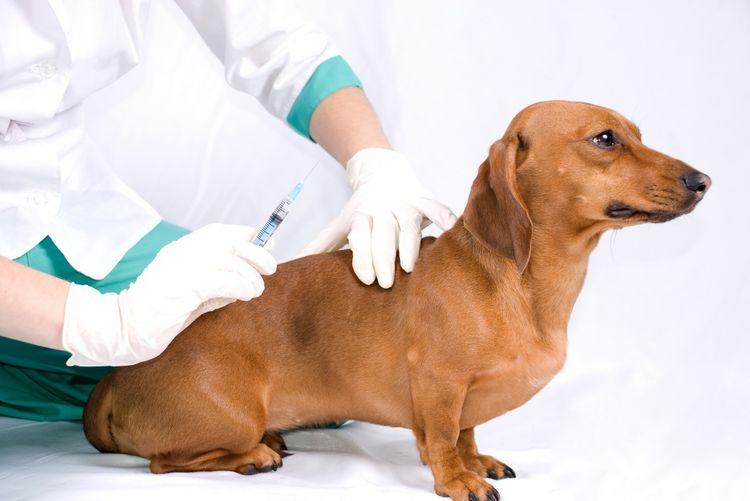
Vaccines are also classified according to their composition and action:
- monovalent vaccines – include antigens of the pathogen of one infection, which reduces the load on the puppy’s immune system and improves the quality of the reaction;
- Polystrains (polyvalent) – develop resistance to several (up to 6–7) viruses, but are more difficult to tolerate, therefore they are recommended for use in adult dogs to strengthen the immune system.
All medications have a prolonged effect and create long-lasting immunity in the puppy.
Today, a wide range of domestic and imported dog vaccines is available. Russian-made products receive many positive reviews, but most veterinarians use proven foreign equivalents, such as Canigen and Eurican. However, the use of a particular product and its mechanism of action on the dog's body are not discussed with the owner.
What diseases does it protect against?
The vaccine's action direction is indicated in the labeling, which is added to the main name in the form of the following symbols:
- A – adenovirus;
- D – plague;
- L – leptospirosis;
- P – parvovirus enteritis;
- Pi – parainfluenza;
- R – rabies.
Vaccination is the most effective method of protecting a dog from these diseases. If vaccinations are not administered promptly, the animal will die or become very ill if infected, causing irreparable damage.
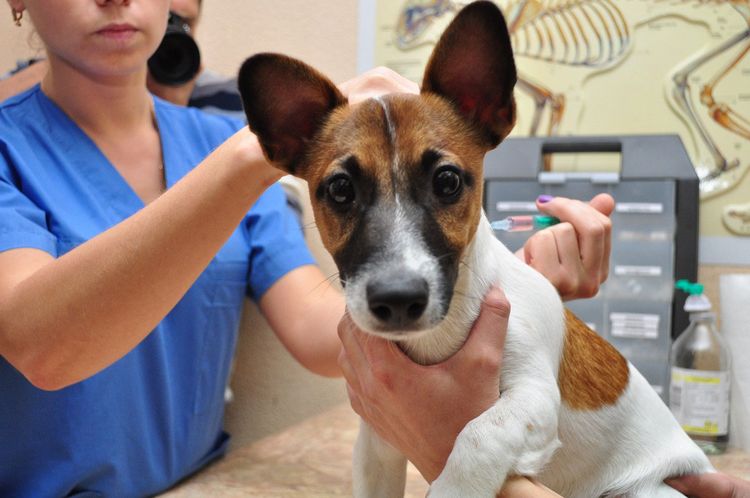
Pets can also be vaccinated against less serious diseases. A vaccine against lichen In dogs, this vaccination is administered separately from other vaccinations, with an interval of at least two weeks. Domestic vaccines are considered the most popular. Vakderm, Polivak-TM, and Mikoderm. Immunity against ringworm lasts for 12 months. These medications can be used not only for prevention but also for treatment, at double the dose.
The concept of vaccinating dogs against tick bitesHowever, there is no specific tick vaccine for dogs. Topical medications, which provide short-term protection, are used to combat these parasites. Intramuscular injections are also recommended. These medications kill ticks and induce weak immunity for up to two weeks.
There is a vaccine for piroplasmosis for dogs, often referred to as a tick vaccine, as it promotes resistance to the pathogen carried by these parasites. Dogs are typically vaccinated against piroplasmosis with Nobivac Piro and Pirodog. These vaccinations do not prevent infection, but they do reduce the severity of symptoms and lower the risk of death. However, mild or no symptoms of piroplasmosis after vaccination often mean the disease is only diagnosed in the acute stage, significantly complicating treatment.
These ringworm and tick vaccinations are not part of the mandatory dog vaccination program. If administered, they require adherence to all relevant recommendations, regulations, and standard precautions.
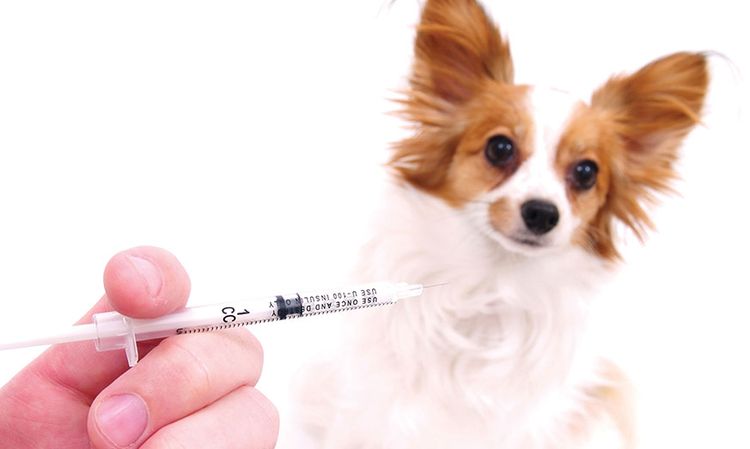
Another non-existent vaccine is the deworming vaccine for dogs. Vaccination cannot induce immunity in animals or prevent worm infestations. Appropriate anthelmintic or deworming medications are given to puppies at three weeks of age and then every three months. Deworming is also performed when necessary, particularly before almost every vaccination.
Overview of Essential Vaccines for Dogs
Some of the most common vaccines for dogs today include:
- "Biovac" (Russia";
- "Kaningen" (France);
- Nobivac (Holland);
- Eurikan (France) and others.
All of them are produced in several varieties, each of which is marked with the symbols indicated above.
Biovac
The Biovac vaccine contains live and inactivated microorganisms. Immunity to these diseases develops 14 days after booster vaccination and lasts for 12 months. The drug has no therapeutic effect, so if administered to an infected dog, it may cause death.
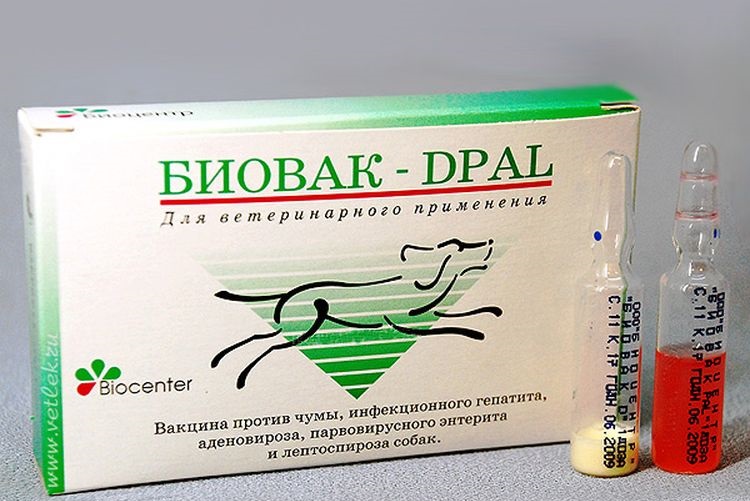
Biovac can be used 2 weeks after any other vaccination:
- puppies - from 2 months of age;
- adult dogs – 30 days before mating.
The vaccine is administered to puppies twice, 1-2 weeks apart, and to adults, once. The vaccine should not be administered to sick or weakened dogs, or to dogs that have not been dewormed. The price of the Biovac vaccine is 150-200 rubles.
"Kanigen"
The Canigen vaccine induces an immune response in dogs 3 weeks after the booster vaccination and maintains this response for 12 months. The vaccine is safe and can be used in puppies from 2 months of age. A single dose of the vaccine is 1 ml, regardless of the dog's weight or age. The second vaccination is administered 3-4 weeks apart, beginning at 12 weeks of age. Subsequently, vaccinations are given annually as a single dose.
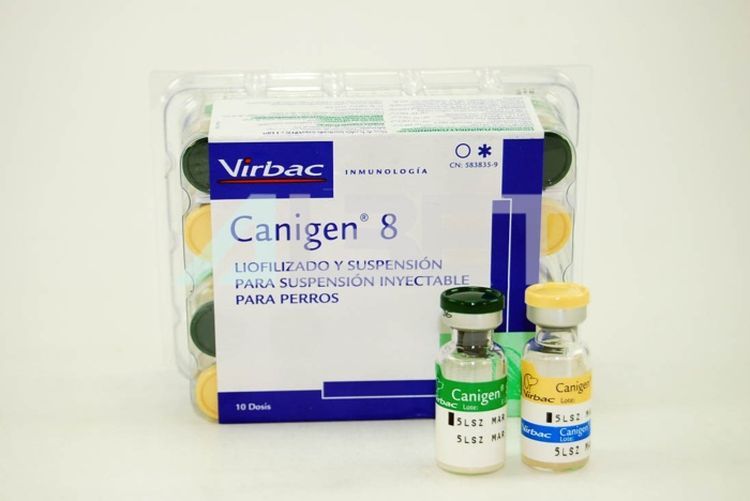
The vaccine's effectiveness is reduced if the dog has been exposed to stress. Do not vaccinate:
- sick or weakened animals;
- females during pregnancy and lactation;
- dogs that have not been dewormed.
The price of the Kanigen vaccine for dogs is 280–400 rubles.
Nobivac
Nobivac is another series of dog vaccines, consisting of preparations with different modes of action. Vaccination is administered with a single dose. The administration schedule is determined by the strain. The vaccine is administered to healthy dogs, including:
- old, exhausted;
- pregnant and lactating bitches;
- puppies from 4 weeks of age.
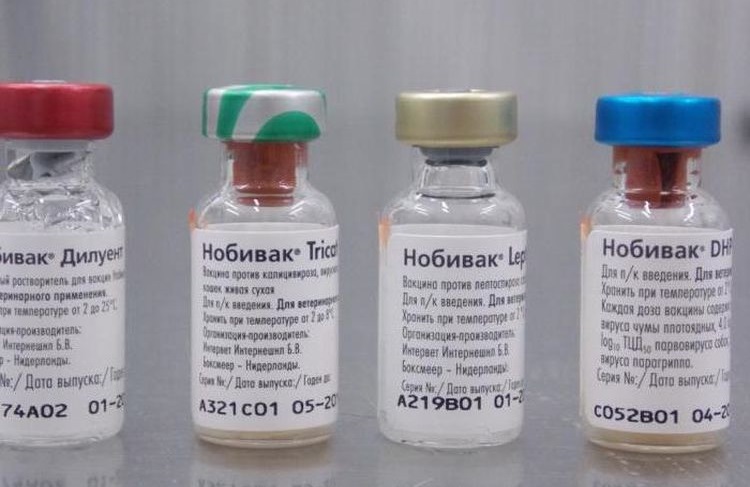
The drug is well tolerated and is contraindicated only in cases of intolerance to its components. If allergic reactions occur, subcutaneous injection of adrenaline is recommended. Nobivac anti-rabies medications are not used during the last three weeks of pregnancy and 14 days after whelping. The price of the Nobivac vaccine is 300-800 rubles.
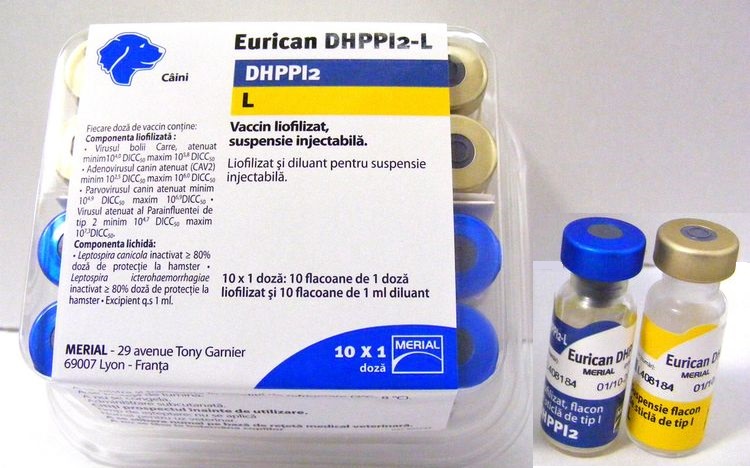
Eurikan
The instructions for the Eurikan vaccine for dogs are similar to those for Nobivac. It is also well-tolerated and provides sustained immunity for one year.
Healthy dogs can be vaccinated after deworming. Contraindications include intolerance to any of the ingredients. In extremely rare cases, an anaphylactic reaction may occur, requiring symptomatic treatment. The price of the Eurikan vaccine for dogs ranges from 400 to 2,500 rubles.
It's understandable that imported medications are more trustworthy because they are more expensive and therefore expected to be of higher quality. However, when choosing some vaccines, particularly the canine distemper vaccine, price should not be the deciding factor. Puppies should be vaccinated against distemper only with domestically produced medications, as many canine illnesses have been reported after using imported medications.
The choice of vaccine should be discussed with a veterinarian, who is not only more knowledgeable about the pros and cons of the drugs used, but is also familiar with the disease rates in a particular area of residence.
Preparing for vaccination
It is permissible to vaccinate a completely healthy puppy, having prepared it for the procedure according to the following scheme:
- 15–20 days before, carry out deworming with anthelmintic drugs;
- For 1 week before vaccination, monitor your pet’s health – check body temperature, condition of mucous membranes, stool;
- On the day of the vaccination, it is better not to eat (if the procedure is scheduled for the second half of the day, the break after eating should be at least 4 hours).
Choose your vet and clinic carefully, preferably on the recommendation of a friend. It's best to perform the procedure at home to minimize stress for the puppy. The animal's condition may worsen if the vaccination is associated with significant stress.
What to do after vaccination
Vaccination requires a 2-week quarantine for the dog, which includes:
- avoiding contact with other animals;
- ensuring normal sleep, proper nutrition and plenty of fluids;
- creating comfortable conditions – without drafts, too high or too low air temperatures;
- no water procedures for 3 days - do not wet the injection site, wash or bathe the puppy;
- preventing increased physical activity and overexertion of the pet.
During this period, short walks are allowed, but only in a clean area where other animals are not allowed. Walks should only be carried out in good, warm weather to prevent the puppy from becoming hypothermic.
Possible adverse reactions
Vaccination affects the dog's immune system, significantly weakening its resistance. Immediately after the injection, lethargy, a slight fever, and vomiting may be observed. This reaction is caused by the introduction of a foreign substance and is not cause for concern. However, if the dog's condition persists or worsens over several days, consult a veterinarian.
Sometimes a lump forms at the injection site, which is caused by improper injection technique. These lump-like lesions typically resolve on their own within 1–4 weeks. To speed up this process, apply an anticoagulant ointment to the affected area. If the swelling increases or the dog experiences severe pain, it should also be examined by a veterinarian, as an abscess requires surgical intervention.
In rare cases, puppies develop after vaccination. allergy to the introduced substance, which manifests itself:
- a significant increase in temperature;
- regular vomiting, diarrhea;
- breathing problems;
- severe salivation;
- pallor of the mucous membranes;
- change in skin color.
If these symptoms occur, you should give your dog an antihistamine and then consult a doctor.
The cost of dog vaccinations
The cost of vaccination depends on three factors:
- location of the procedure - in a clinic or at home;
- categories of veterinarians and levels of veterinary clinics;
- the cost of the drug used.
On average, a house call by a veterinarian costs between 600 and 2,400 rubles, including the cost of medication. A similar procedure at a clinic costs between 400 and 1,500 rubles.
Don't skimp too much. It's better to entrust vaccinations to a trusted professional and perform the procedure at home to avoid compromising your dog's health and spending money on subsequent treatment.
Read also:
- When and what vaccinations should puppies receive?
- Nobivac for dogs
- How to measure a dog's temperature


Add a comment