
Cat allergy vaccine
Allergies currently affect 30-40% of the world's population, and they are often caused by our most beloved pets – cats. Until recently, medicine could only treat this autoimmune disease with symptomatic measures. However, there is hope that a cat allergy vaccine, currently being developed in several countries, will offer a permanent solution.
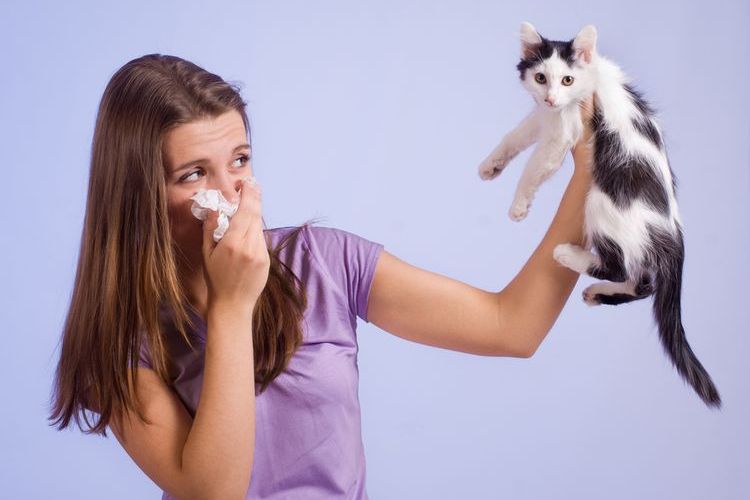
Causes of sensitization to cat allergens
For a long time, it was believed that the human body's hypersensitive reaction to cats was caused by their fur, which irritated the respiratory tract. Proponents of this theory recommended keeping short-haired or hairless cats, such as Sphynxes, Devon Rexes, and Levkoys. However, research has shown that biological sensitization is caused by more than one allergen, and fur is far from the most significant of these.
The main cause of allergies to cats is the presence of special proteins called Fel D1 in their bodies, which are produced in the sebaceous and salivary glands, and also in small quantities in the animal’s skin.
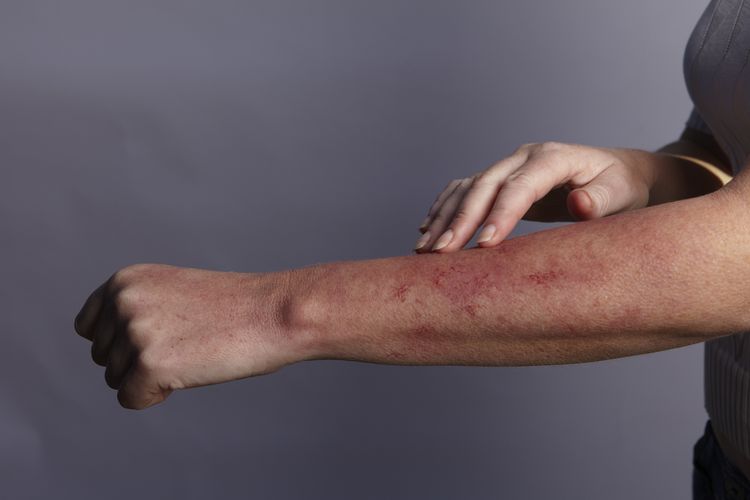
These proteins are found on the skin, saliva, and urine of cats, and when they enter the human body, they are perceived as a dangerous foreign substance. The immune system immediately responds to this "invasion" by releasing histamine, a biogenic amine that mediates allergic reactions. According to numerous studies, most patients with cat allergies have protective immunoglobulins (antibodies) specifically to the Fel D1 protein. An inappropriate reaction to cat allergens manifests as rhinitis, conjunctivitis, laryngitis, asthmatic bronchitis, dry or blistering rashes, headaches, and lethargy.
Treatment methods
Any type of allergy can be relieved by eliminating contact with the triggering substance and eliminating its external manifestations with medication. This can be achieved by:
- antihistamines that block the action of the allergen component;
- steroid hormones that inhibit the production of inflammatory mediators, relieve itching, and reduce rashes;
- Bronchodilators that relieve spasms and swelling of the respiratory tract mucosa.
These treatments are considered symptomatic: upon repeated exposure to the allergen, all symptoms of the disease return. Allergen-specific immunotherapy (ASIT) is now considered a radical treatment for sensitization. This method involves gradually reducing the immune system's sensitivity to the allergen.
The effect of fading an allergic reaction is achieved by introducing a sensitizing substance into the patient's body in increasing doses. Over time, the immune system stops reacting to this substance as a threat to the body, and the allergy symptoms disappear.
It has been observed that people exposed to cats since childhood are less susceptible to allergic reactions to these animals. This is likely due to the body's gradual natural adaptation to cat protein allergens.
To avoid triggering an allergic reaction in the patient, initial doses of the causative agent are very small. They are gradually increased until complete tolerance to the allergen is achieved. Unlike conventional vaccination, a course of immunotherapy is not limited to a single shot, but involves monthly administration of the biological drug for at least three years.
There are sublingual and injection types of ASIT. With sublingual administration, the patient takes allergens as lozenges, nasal drops, or sprays that are sprayed into the room. The injection method involves subcutaneous administration of microdoses of purified allergen.
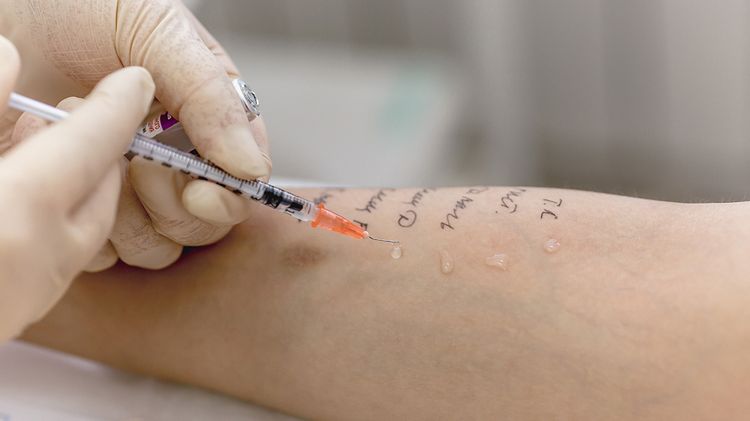
Biological drugs, which create immunity to a specific pathogen, can induce desensitization of the body to an antigen over a much longer period of time. Scientists in many countries are currently working on developing a vaccine for cat allergies.
Cat allergy vaccination
Scientists in Switzerland, Austria, and Russia have been working on a project to develop a cat allergy vaccine for several years. The resulting immunobiological product will be effective against each of the eight cat allergens. These are primarily proteins found in the saliva, fur, urine, sweat, and other waste products of these animals. An allergy vaccine that protects against cat sensitization will be available for purchase this year, following the completion of clinical trials.
In addition to developing a vaccine for humans, scientists have already created a unique drug called HypoCat, designed for cats, making them safe for allergy sufferers. The researchers spent over ten years searching for a bioactive substance capable of stimulating the cat's immune system to neutralize the Fel-d1 protein. This substance was obtained from the cucumber mosaic virus.
According to data published in the American Journal of Allergy and Clinical Immunology, all animals participating in the experiment and receiving the HypoCat vaccine developed antibodies necessary to destroy the Fel-d1 protein, which causes allergic reactions in humans. Scientists confirm that the vaccine is safe for cats.
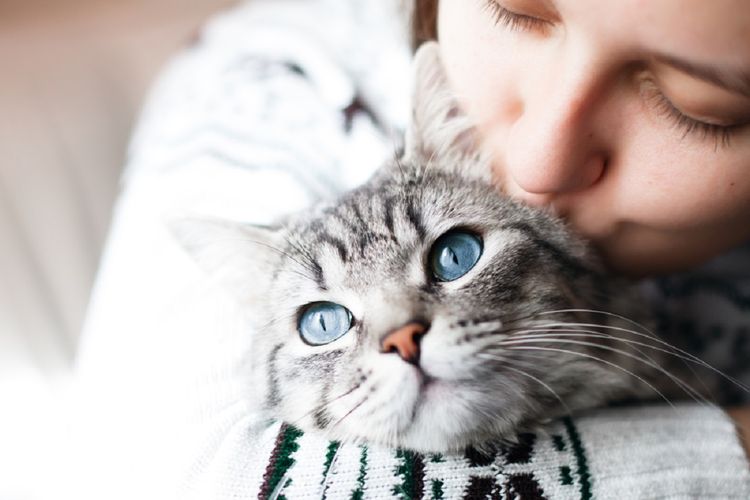
Judging by expert reviews, this option for protecting against autoimmune diseases is the most attractive. For example, Moscow allergist Bella Gelaevna Bragvadze, PhD, says that a vaccine administered to animals rather than humans could be a real boon for allergy sufferers. The creators of HypoCat announce that this drug will be commercially available within the next three years; its estimated price is still unknown.
Read also:
- Is it possible to cut cats' hair?
- How does cat allergy manifest itself in children?
- Animals for allergy sufferers


1 comment
Marina Fadeeva
When will the cat allergy vaccine be available in 2020 or 2021, and in what month? I love cats and am eagerly awaiting this vaccine. Thank you in advance.
Add a comment