
At what age do a German Shepherd's ears stand up?
The German Shepherd is one of the most recognizable dog breeds, and its distinctive feature is its erect, expressive ears. However, not all puppy owners know exactly when ears stand up and how to tell if development is progressing correctly. This process depends on many factors, including age, health, genetics, and even living conditions. In this article, we'll take a detailed look at the age at which German Shepherd ears stand up, what can influence this, and what to do if the process is delayed.
Content
- 1 At what age do German Shepherd ears stand up? Average timeframe
- 2 Why Ears Don't Stand Up on Time: The Main Reasons
- 3 What to do if a shepherd's ears don't stand up?
- 4 How to properly care for a puppy at home
- 5 Boys and girls: does a puppy's gender affect when their ears set?
- 6 Ears "depending on mood": why do puppies sometimes stand up and then fall down again?
- 7 How to help your ears stand up straight: helpful tips
- 8 A dog trainer's opinion: when is it worth manually setting ears?
- 9 What breeders say and owner reviews
- 10 When to worry
At what age do German Shepherd ears stand up? Average timeframe
German Shepherd ears begin to stand up gradually—it's not a sudden process. On average, they start standing up between 3 and 6 months. In some puppies, this can happen as early as 8 weeks, but most often it happens around 4 or 5 months. This depends on the individual's body type, diet, and even activity level.
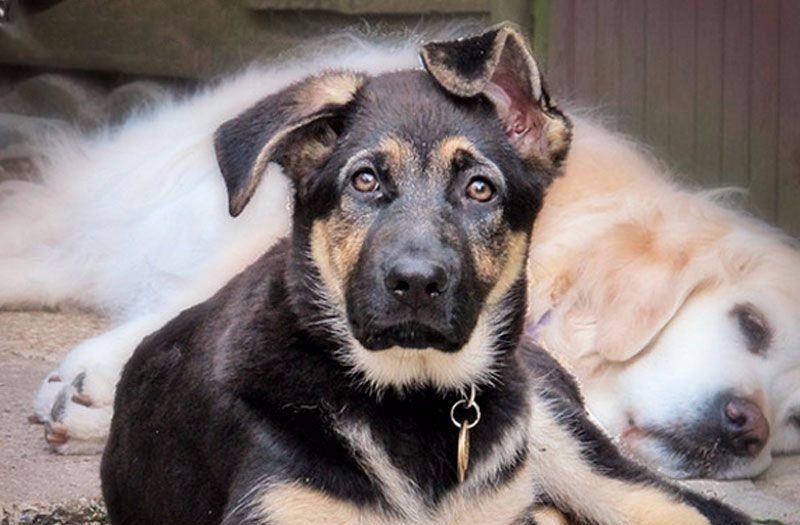
It's important to understand that ears may initially rise asymmetrically: one ear may be erect, while the other is not. This is a normal stage of development. Other puppies' ears may alternate between standing and "drooping"—especially during the teething period, from approximately 3 to 6 months, when the body focuses on jaw development. During this period, the ear cartilage may temporarily weaken.
Why Ears Don't Stand Up on Time: The Main Reasons
If your shepherd's ears haven't fully stood up by 6 months, don't panic—there can be a variety of reasons, and not all of them indicate problems:
-
Genetics. Ears may not stand upright if the dog's parents also had soft ears or a tendency to "semi-erect." Even within a single breed, there are variations.
-
Nutrition. A deficiency of calcium, B vitamins, magnesium, or phosphorus can affect cartilage formation.
-
Injuries. Impacts or constant friction can deform the cartilage.
-
Diseases. Gastrointestinal problems, metabolic disorders, parasites – all of this affects development.
-
Excessive loads. For example, if a puppy plays with other dogs and his ears often get wrinkled.
What to do if a shepherd's ears don't stand up?
If, no matter how many months have passed, the ears still haven't stood up by 6-7 months, you can try supportive measures. But it's important to remember: don't start anything without consulting a veterinarian or breeder.
Here's what you can do:
-
Adjust your diet. Add calcium, phosphorus, glucosamine, and chondroitin. But don't overdo it—too much calcium is also harmful.
-
Contact your veterinarian. A general health assessment may be needed.
-
Massage your ears. Light massage movements improve blood circulation and strengthen cartilage.
-
Fixation (setting). Sometimes ribbons, tape, or cotton balls are used to support the ears in the desired position. This must be done carefully, without injuring the animal.
-
Limit contact with aggressive toys and dogs. Puppies often bite each other's ears while playing, which can affect the formation of cartilage.
How to properly care for a puppy at home
Proper home care not only helps your puppy grow up healthy but also helps ensure their ears erect on time. Here are some tips:
-
Balanced feeding. It is better to choose high-quality food or natural nutrition rich in proteins and microelements.
-
Activity control. Don't let your puppy jump or hop too much while his ears are still developing.
-
Regular check-ups. Make sure that the ears are not inflamed, do not itch, and do not have any foreign odors.
-
Avoid excessive cleaning. Ears are sensitive organs, so you shouldn’t wash them often unless necessary.
Boys and girls: does a puppy's gender affect when their ears set?
Some owners notice that the ears of male German Shepherds develop slightly later than those of females. This may indeed be due to differences in hormonal levels and growth rates. Males typically have larger bodies, meaning their bodies require more time and resources to develop all systems, including cartilage.
In girls, the process often progresses more quickly—their teeth finish changing earlier, and their growth plates close sooner. However, this doesn't mean that a boy's ears not yet erect at 5 months are abnormal. It's important to assess the overall condition of the animal, rather than relying solely on gender.
Ears "depending on mood": why do puppies sometimes stand up and then fall down again?
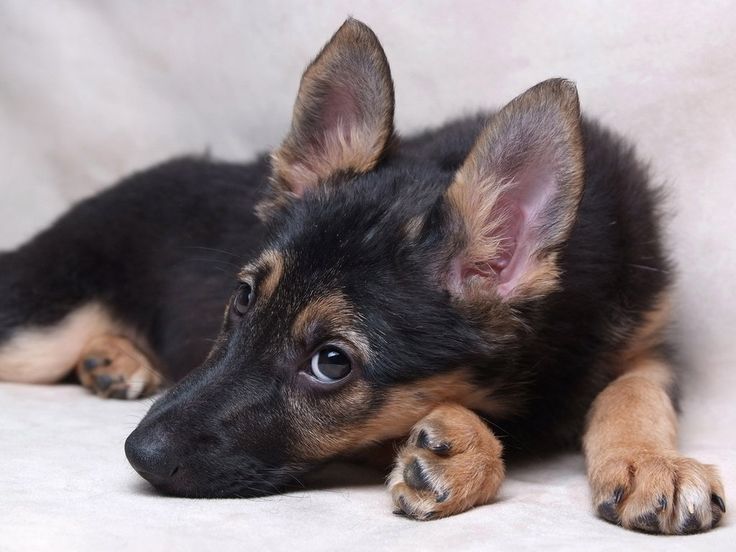
Some owners notice a strange phenomenon: their puppy's ears may stand upright for a day or a week, then droop again. This is completely normal for puppies under 6 months old. This is especially common during teething, when the body experiences a mineral deficiency.
This “variable” nature of ear setting may also depend on:
-
fatigue;
-
air temperature (in hot weather, cartilage softens);
-
after sleep;
-
excitement or fear.
If the ears occasionally rise, it means the puppy has the potential to become fully erect. Your goal is to maintain your dog's health and not interfere with this natural process.
The German Shepherd's ear is composed of a cartilaginous base. The shape and density of the cartilage play a key role in ear positioning, as do the development of the muscles responsible for ear movement and the health and nutrition of the connective tissue.
When you touch your puppy's ear, pay attention: a soft, "fag-like" ear isn't a problem if the puppy is under 4 months old. As the puppy grows, the tissue thickens. But if the cartilage remains very soft even at 6 months, it could be a sign of a nutrient deficiency or weak genetics.
How to help your ears stand up straight: helpful tips
There are many things you can do at home to help your baby's ears stand up, especially if you start before 6-7 months.
Here are some simple guidelines:
-
Games with chew toys. Chewing develops the jaw muscles, which are connected to the ear muscles. This stimulates blood circulation and strengthens cartilage.
-
Nutrition with gelatin. Adding beef gelatin or cartilage broth to your diet at home is a natural source of collagen.
-
Limit contact with ear-biting puppies. In many cases, ears "fall" after being injured during play.
-
Keep your ears warm in cold weather. In winter, it is useful for puppies whose ears have not yet stood up to walk in a soft hat, especially in strong winds.
A dog trainer's opinion: when is it worth manually setting ears?
Experienced dog trainers recommend that if a dog's ears haven't erected by seven months and there's no apparent reason, "soft positioning" can be used—using tape, cotton wool, or special devices. However, this must be done correctly. It's important not to wrap the ears too tightly, as this could cut off their blood supply, and to avoid using adhesive tape, which could damage the skin.
Some owners make the mistake of installing implants too early—as early as two months. This can be harmful because the tissues are still too soft and easily damaged.
The ideal time for fixation is 5-6 months, if the ears have not yet begun to grow.
What breeders say and owner reviews
German Shepherd owners sometimes differ widely in their opinions. One writes in a review: "My boy's ears didn't stand up until he was 7.5 months old—I thought they'd never stand up. But then, within a week, they both stood up!" Another: "My girl's ears were standing up at 3 months and never drooped."
Breeders advise against panicking prematurely. It's best to observe your puppy and, if necessary, consult with professionals. Don't try to "rush" nature—sometimes it's better to wait a little longer than to damage fragile tissue with hasty actions.
When to worry
Sometimes, even with good care, a shepherd's ears don't stand up fully. At what age should you seriously consider this?
-
If by 7 months the ears have not risen at all.
-
If one ear is standing and the other has been lying down for more than 2 months.
-
If the ear cartilages are too soft, as in decorative breeds.
In such cases, it's best to consult an experienced dog trainer or veterinarian. Sometimes the situation can be corrected, sometimes it can't. But this doesn't make your dog any worse. Even "imperfect" ears don't prevent them from being a wonderful friend and companion.
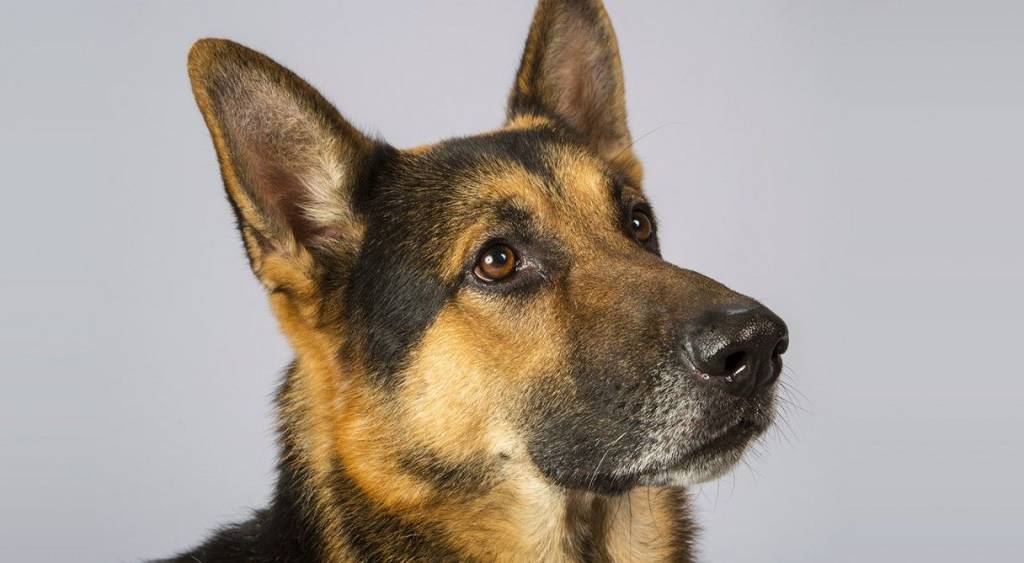
So, when do German Shepherd ears stand up? Typically, between 3 and 6 months, but deviations from the norm do occur. The key is patience, proper care, and attention. Every puppy is unique, and even if the ears don't stand up perfectly, your Shepherd will still remain a wonderful and loyal pet. If you notice signs of delay or deformity, it's best to consult a professional and, if necessary, help position your dog's ears correctly.
Read also:



Add a comment