
Euthanasia of cats: how to painlessly euthanize
Deciding to euthanize a cat, especially one you've lived with for many years, is always difficult. If circumstances leave no other option, you need to know how to painlessly euthanize the animal so the procedure goes unnoticed and doesn't turn into a cruel murder.
Grounds for euthanasia
Euthanasia of a cat is an extreme measure that can be used to relieve it from painful suffering associated with:
- oncological diseases (in the last stages);
- injuries that limit the ability to function normally (independently, eating, breathing, moving, etc.);
- dangerous infections that can cause epidemics (rabies, distemper);
- congenital pathologies incompatible with life;
- ruptures or inflammatory diseases of the spinal cord;
- advanced forms of parasitic infestations (dirofilariasis, leptospirosis, etc.);
- significant deterioration in quality of life due to old age.
If the above conditions are met, euthanasia is not murder, but a way to relieve the pet's suffering. A veterinarian will advise whether to euthanize your cat. If in doubt, consult with several specialists to confirm the diagnosis and rule out the possibility of error.
Unfortunately, some owners seriously consider this measure without serious medical indications (due to a pet's bad temperament, a move, the development of allergies in a family member, or minor health issues like ringworm). In fact, no one can prohibit euthanasia for such reasons, especially since there are no regulations governing this procedure in Russia. Therefore, the pet's fate is entirely up to its owner.
How does the procedure work?
Cat euthanasia can be performed at a veterinary clinic or at home. However, in each case, the procedure must be performed only by a veterinarian, otherwise, it can turn a painless end into excruciating torture for the animal. Firstly, the necessary medications are available only by prescription, and using generics can only cause increased pain, spasms, and even a painful death. Secondly, only a specialist knows how to correctly calculate the dosage based on the pet's age and size, ensuring that it simply sleeps peacefully.
Once the decision is made, the owner must first sign consent forms stating the reasons for the euthanasia procedure. They may choose to be present during the veterinarian's procedure or leave the premises.
Humane euthanasia involves two stages:
- Induction of anesthesia (the so-called vegetative coma)A special drug is administered that "turns off" the animal's nervous system. It stops feeling anything and responding to external stimuli, but maintains breathing and heartbeat. Maintained breathing is the primary indicator that an anesthetic, not a muscle relaxant, has been administered.
- Administration of a drug for euthanasia. After approximately 20 minutes, the veterinarian checks the depth of anesthesia and administers a second anesthetic, which stops all vital functions: breathing, brain function, and heart function. When all vital signs are zero, the veterinarian declares death.
Even if the owner has access to a drug for euthanasia, it's not recommended to perform the procedure. You could make a mistake and end up purchasing a drug for the second stage of the procedure, which will induce the animal's death throes.convulsions, pain, panic). For painless euthanasia, two drugs are administered sequentially.
After euthanasia, burial or cremation of the body will also be necessary, which should also be considered in advance. In the former case, it's important to avoid choosing a prohibited location (for example, within the city or surrounding areas). Some cities have designated pet cemeteries for this purpose. In the latter case, you'll need to find a veterinary clinic or funeral home that provides cremation services, which will incur additional costs.
Drugs used
Painless euthanasia for cats involves the administration of several drugs. Barbiturates (sodium thiopental, pentobarbital, hexenal, phenobarbital, etc.) or similar agents (such as propofol) can be used to induce sedation. Direct euthanasia is achieved by injecting one of the following drugs:
- Ditilin – a muscle relaxant that, in small doses, causes immobilization; in larger doses, it causes respiratory arrest due to relaxation of the respiratory muscles. Listenon, Adilin, and Arduan also have a similar effect.
- T-61 The active ingredients have a depressing effect on the cerebral cortex and block the transmission of nerve endings to the muscles, leading to paralysis of the respiratory muscles. The drug is most commonly used in European countries.
- Lidocaine – a cardiac depressant and anesthetic that is administered suboccipitally (into the back of the head) or intravenously.
- Magnesium sulfateI - provokes paralysis of the respiratory center and cardiac activity as a result of vascular collapse.
- Potassium chloride – causes relaxation of the cardiac muscle tissue and its subsequent stop.
Drugs from the second group are used only after the animal has been rendered unconscious using anesthetics; otherwise, their effects will cause severe pain, making euthanasia inhumane.
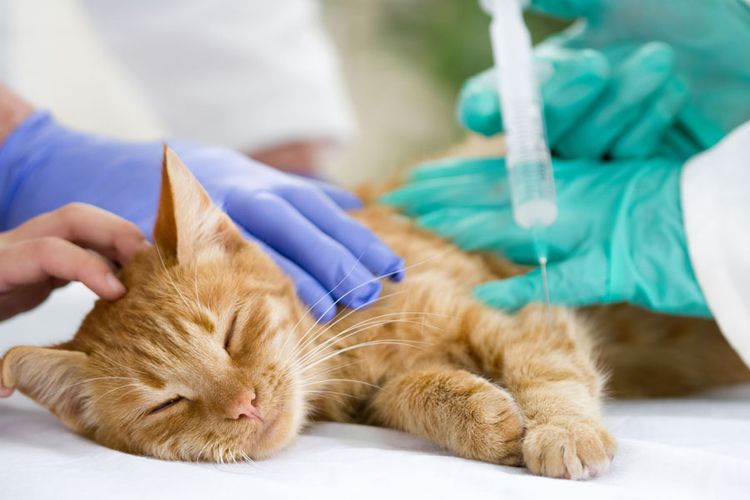
The suggestion of euthanizing a cat with a single intramuscular injection should also raise concerns. This will most likely involve administering a muscle relaxant. This relaxes the muscles, preventing the animal from moving or breathing. While the animal remains fully conscious, able to hear and see everything, it ultimately dies from suffocation. Death can occur within 10-40 minutes. Therefore, it's important to inquire about the specific medications the veterinarian will use to euthanize your cat.
Cost of the procedure
The cost of cat euthanasia is influenced by the following factors:
- city size (the price difference between small towns and large cities is about 30%);
- the level of "prestige" of the veterinary clinic;
- the size of the animal (for cats up to 5-10 kg, fixed rates are usually set; for larger animals, the cost of euthanasia is discussed on an individual basis);
- the need for additional services (home visits, removal of the animal’s body, subsequent cremation).
Average prices:
- euthanasia in a veterinary clinic: from 1000-2000 rubles;
- with a specialist visiting your home: about 3000 rubles.
- cremation: from 500 rubles (from 1000 rubles for an individual procedure).
Some veterinary clinics offer lower prices for cat euthanasia, but the determining factor should not be the expected cost, but the quality of the medications used and the professionalism of the veterinarians, if you do not want to cause your pet suffering in the last minutes of its life.
Read also:


Add a comment