
Ear mites (otodectosis) in cats: symptoms and treatment
Ear mites (otodectosis) are common in cats and are considered a dangerous condition because they cause inflammation of the outer ear. They are rarely detected in their early stages. Owners typically consult a veterinarian when the condition is already in an advanced stage.
Content
Features of the disease
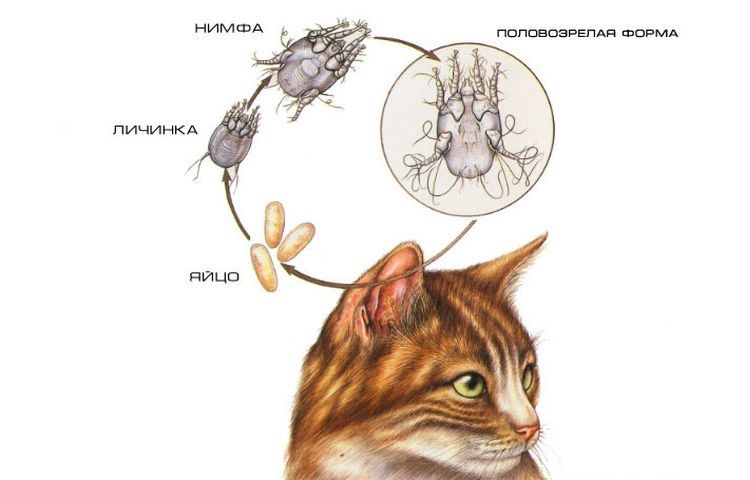
The causative agent of otodectosis is a small insect, Otodectes cynotus, which belongs to the group of acariform mites. It is difficult to distinguish with the naked eye. parasite A whitish oval body with gnawing mouthparts. Its jointed limbs end in suckers. The insect lives inside the ear canals of cats and almost always infects both ears at once. Its primary food source is epidermis and tissue fluids. The mite excretes waste products that are toxic to animals.
Infections most often occur in the spring and early fall. Kittens under one year of age and weakened cats are at risk.
Methods of infection
The disease is highly contagious. There are two main ways to contract otodectosis. Learn more about them:
- Outdoors. Stray animals (cats or dogs) carry ear mites in almost 80% of cases. Pets can easily become infected through contact with them.
- The owner can bring the parasite home on his shoes.
- Also, fleas can be carriers of ticks.
Once in the external auditory canal, the parasite begins to multiply rapidly and moves to the second ear.
Symptoms
A significant period of time may pass between infection and the appearance of the first signs of the disease. Characteristic symptoms of otodectosis include:
- Nervousness and aggression of the animal.
- Head shaking. This is the cat's way of trying to remove the tick itself.
- Hyperemia and swelling of the ears.
- Discharge from the ear canals, formation of brown crusts.
- Severe itching. The pet constantly scratches its ears.
- Areas of alopecia in the area of the auricles.
- Unpleasant smell.
In advanced cases, the following symptoms may appear:
- convulsions (if the process spreads to the meninges);
- loss of appetite;
- hearing loss;
- fever.
Diagnostics
Even if your cat exhibits all the typical signs of otodectosis, it's still worth taking it to the veterinarian. Similar symptoms are present in other conditions. Differential diagnosis includes the following conditions:
- dermatoses;
- lichen;
- bacterial and fungal infections.
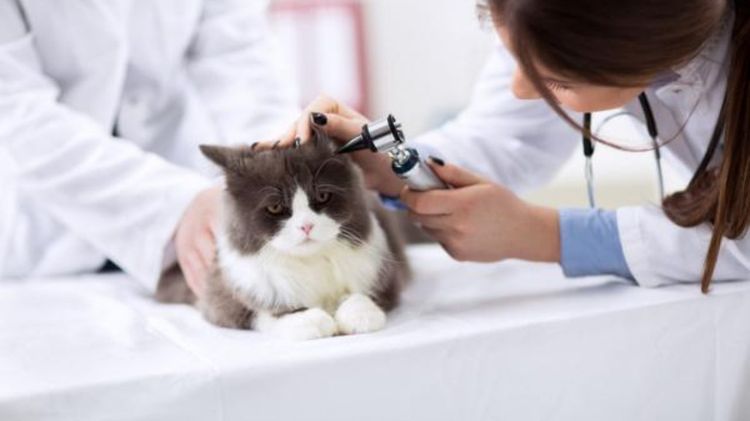
Before beginning treatment, it's important to confirm the diagnosis. Modern methods allow for rapid diagnosis. The doctor examines the animal's ears and takes scrapings for microscopic examination. Live mites at all stages of development are clearly visible under a microscope. In some cases, an otoscopy is indicated. If the infection has spread to the middle or inner ear, the specialist will order a CT or MRI scan.
How to treat
Once the diagnosis is confirmed, treatment must begin immediately. The condition causes discomfort to the animal and progresses rapidly.
Treatment for otodectosis involves several approaches. Here's a list:
- ear cleaning;
- use of antiparasitic drugs;
- increasing general immunity.
Treatment of the auricles
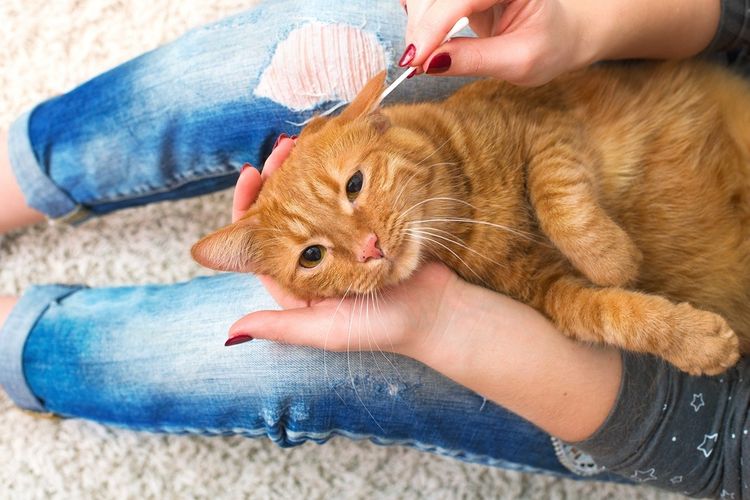
When performing this procedure, it's best not to use cotton swabs, as there's a high risk of damaging the ear canal. You could also accidentally push the discharge deeper into the ear canal.
Processing is carried out according to the following algorithm:
- The ears are cleaned of plaque buildup. This helps reduce the number of parasites and secondary microbial flora. Regular vegetable oil or special solutions (Fitolar, Otoklin, Otifri) are used.
- Apply drops or ointment in the quantity indicated in the instructions.
- Massage the ears to distribute the medicine evenly.
- Wiping the ears with a cotton pad soaked in the medicinal product.
Medicines
There is a wide range of medications designed to get rid of ear mites in cats. They are available in the form of drops, ointments, aerosols, and suspensions. tablets and injections. The veterinarian selects the optimal option for each specific case. They consider several factors:
- pet's age;
- presence or absence of concomitant infections;
- degree of damage.
The most common drugs:
- Decta;
- Aurican;
- Demos;
- Ectodes;
- Surolan;
- Aversectin ointment;
- Otoferonol Gold;
- Amidel;
- Oricin;
- Ivermectin;
- Avertel;
- Otodectin.
If the case is advanced, the specialist always prescribes antibiotics or injections.
Depending on the severity of the condition, treatment lasts from two weeks or longer. In complex cases, therapy continues for several weeks or even months.
Strengthening your immune system involves establishing a balanced diet. If necessary, it's worth adding vitamins for cats or immunomodulators (eg, Fosprenil).

Folk remedies
The use of traditional methods is only permissible at the very onset of the disease. If symptoms are severe, this can only be used as an adjunctive treatment. The main methods are:
- Hydrogen peroxide. For wiping the cartilage surface and moistening the scabs.
- Garlic juice or pulp. It has a strong irritant effect, so use it with caution.
- Juice from the leaves or stems of celandine.
- Vegetable oils (sea buckthorn, olive, and others) are good for softening scabs and helping them to be removed.
- Green tea. A strong infusion has antiseptic properties and helps reduce inflammation.
Complications
If left untreated, the disease gradually leads to deterioration in the animal's health. Some conditions can be very dangerous and even fatal. Among the unpleasant consequences:
- spread of the lesion to other parts of the body;
- self-injury (due to scratching);
- purulent otitis;
- hematoma of the auricle;
- inflammation of the lymph nodes under the jaw;
- central nervous system damage;
- meningitis;
- deafness.
Are ear mites dangerous to humans?
These parasites pose no danger to humans. However, if they come into contact with the skin, they can cause irritation known as "pseudo-scabies." This condition requires no treatment and resolves on its own.

Prevention
By taking preventative measures in advance, ear mites in cats can be prevented or at least the risk of infection can be reduced. Experts recommend the following:
- periodically inspect and clean the ears;
- strengthen the immune system;
- clean the house regularly (dry and wet);
- try to avoid contact with sick animals.
If your pet goes outside, it is necessary to treat its fur with special acaricidal agents.
Otodectosis can be easily and quickly treated if detected in its early stages. Therefore, you should closely monitor your cat's condition and periodically inspect its ears to detect the first symptoms.
Read also:
- Black plaque in my cat's ears: causes and treatment
- Ear Diseases in Cats: Symptoms and Treatment
- Are cat fleas dangerous to humans?


2 comments
Irina
The cat was scratching her ears, the area around her eyes, her nose, and under her jaw. She hid, and we searched for her for quite a while. When we found her, we discovered her right ear was bleeding. After cleaning the wounds, we realized she had two or three lacerations, one of which was serious (cartilage was visible). How can we help her until the morning?
Daria is a veterinarian
Hello! The easiest way is to give an antihistamine to relieve the itching (such as Suprastin – 1/5-1/4 of a tablet, depending on the size of the animal, or prednisolone – but it's calculated based on the active ingredient per body weight). Wipe the ears with chlorhexidine/miramistin or another antiseptic. NO IODINE OR BRILLIANT GREEN! Firstly, they are not recommended for small animals (they can cause tissue burns). Secondly, this will complicate the diagnosis. Tomorrow at the appointment, they will make a diagnosis, prescribe antibiotics, and maybe stitches + symptomatic treatment.
Add a comment